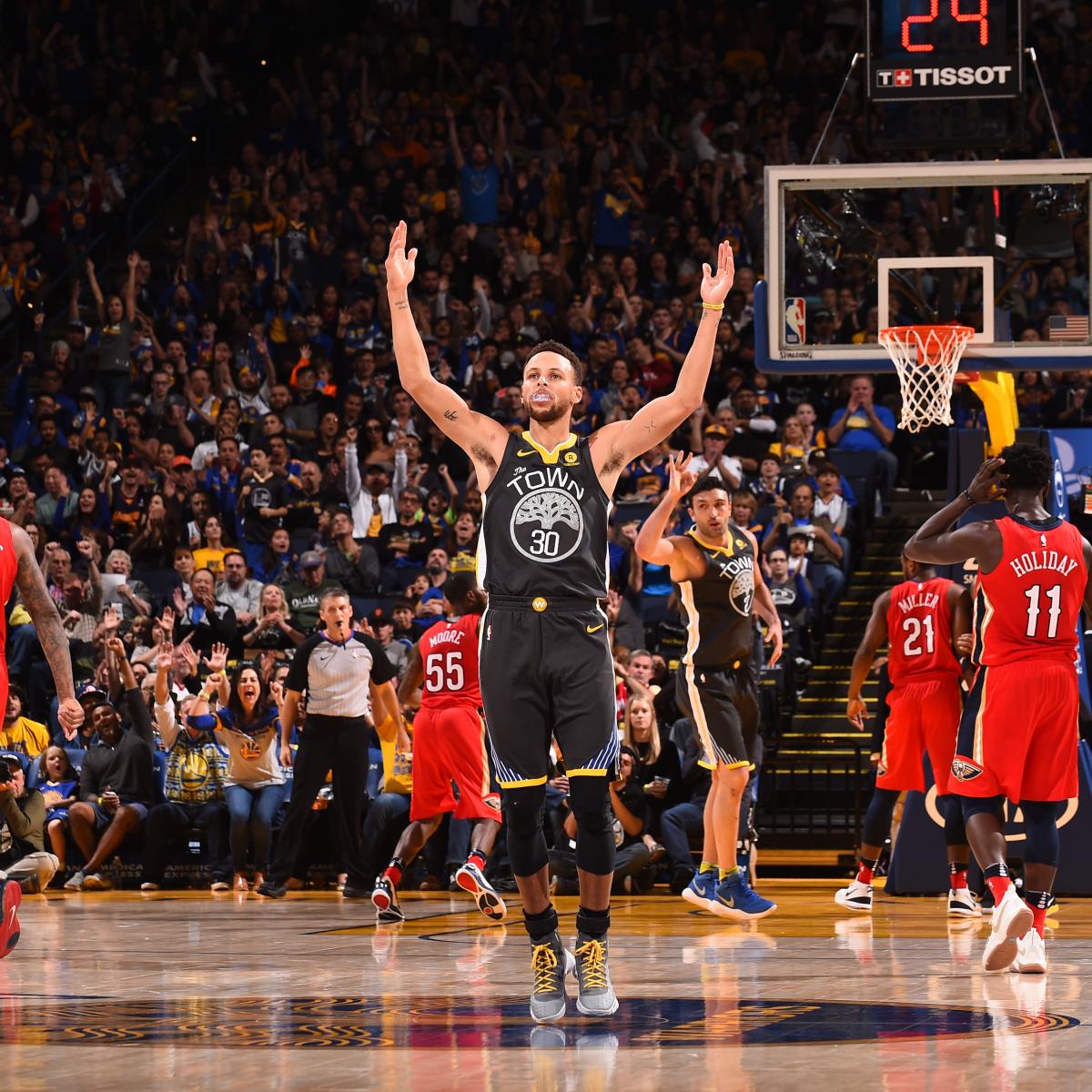
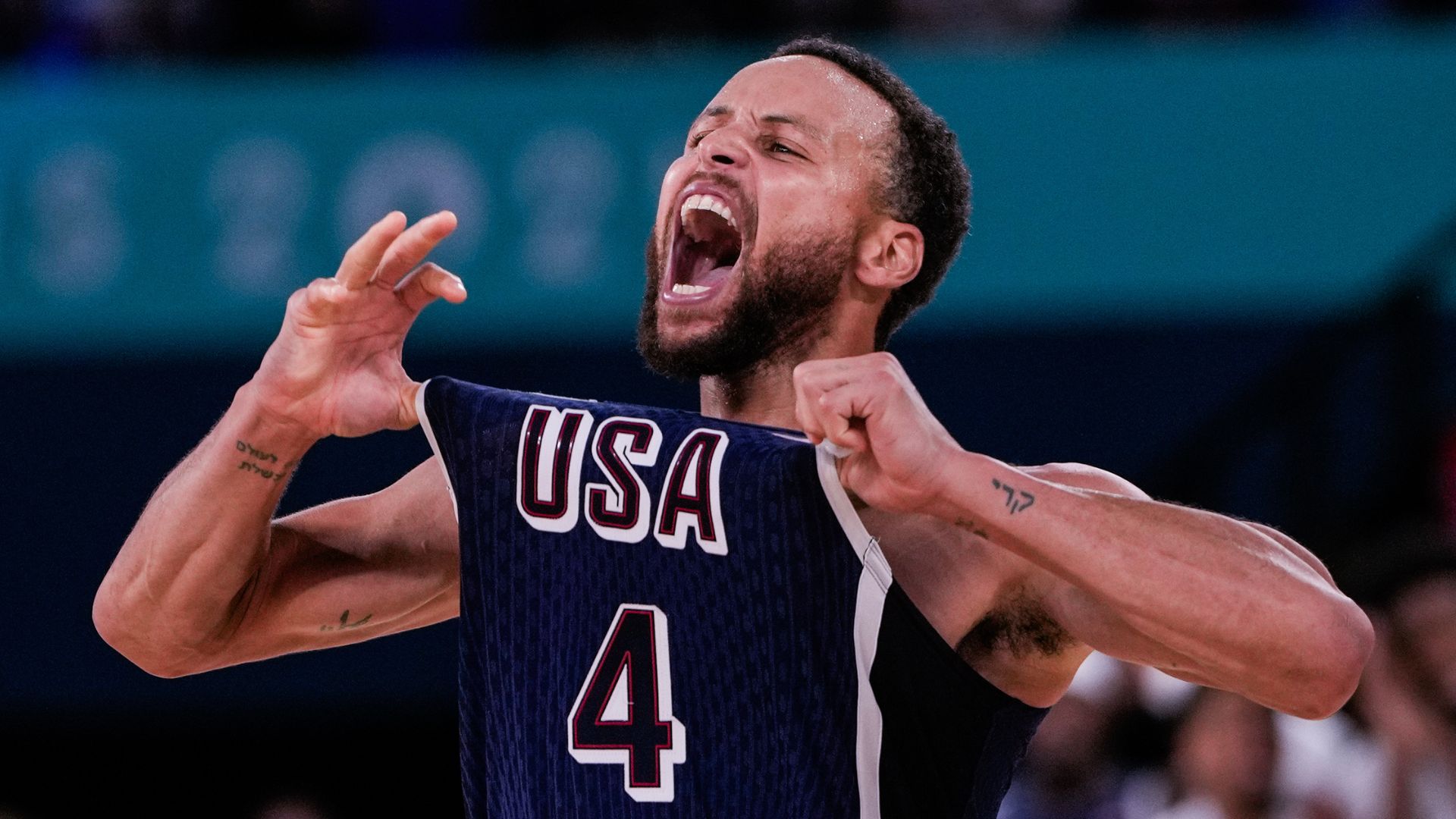
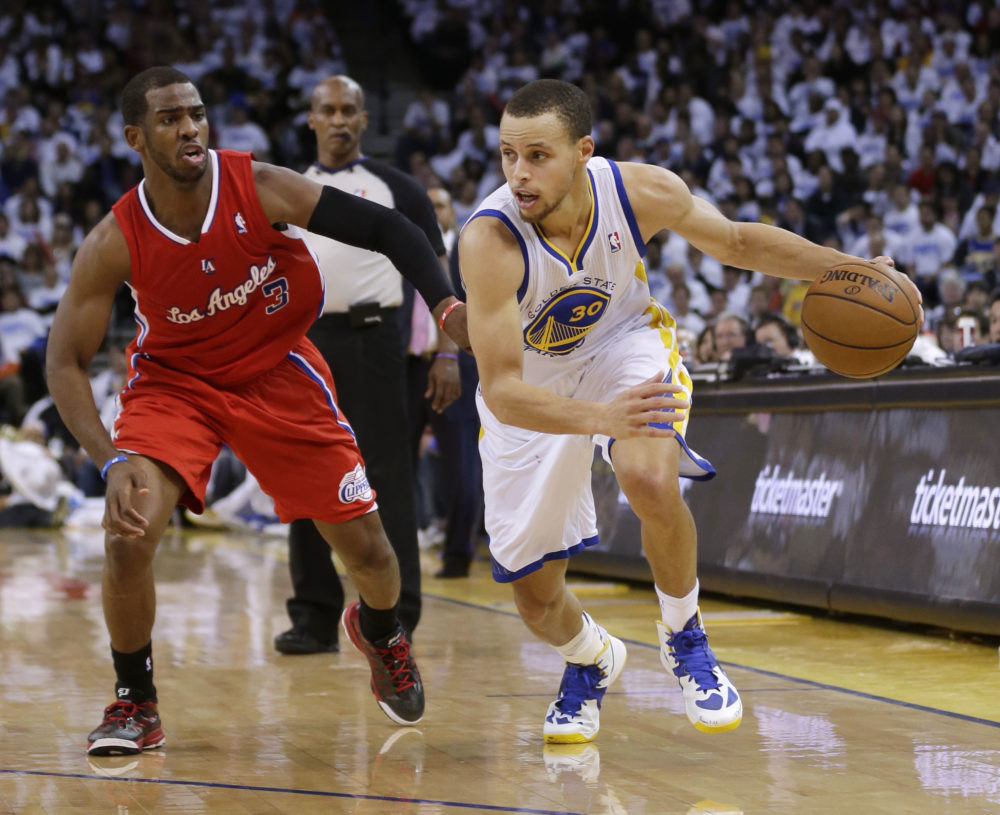
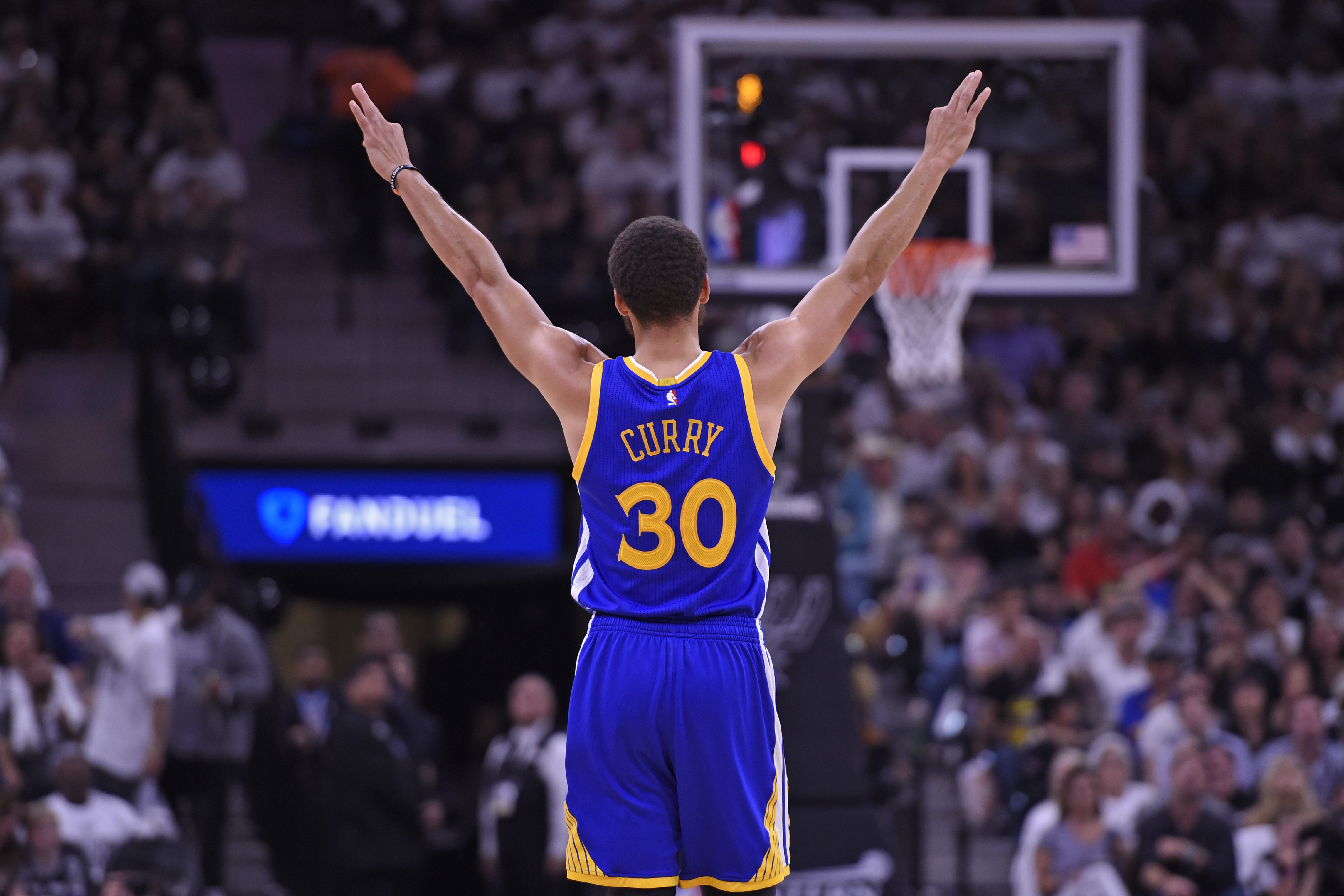
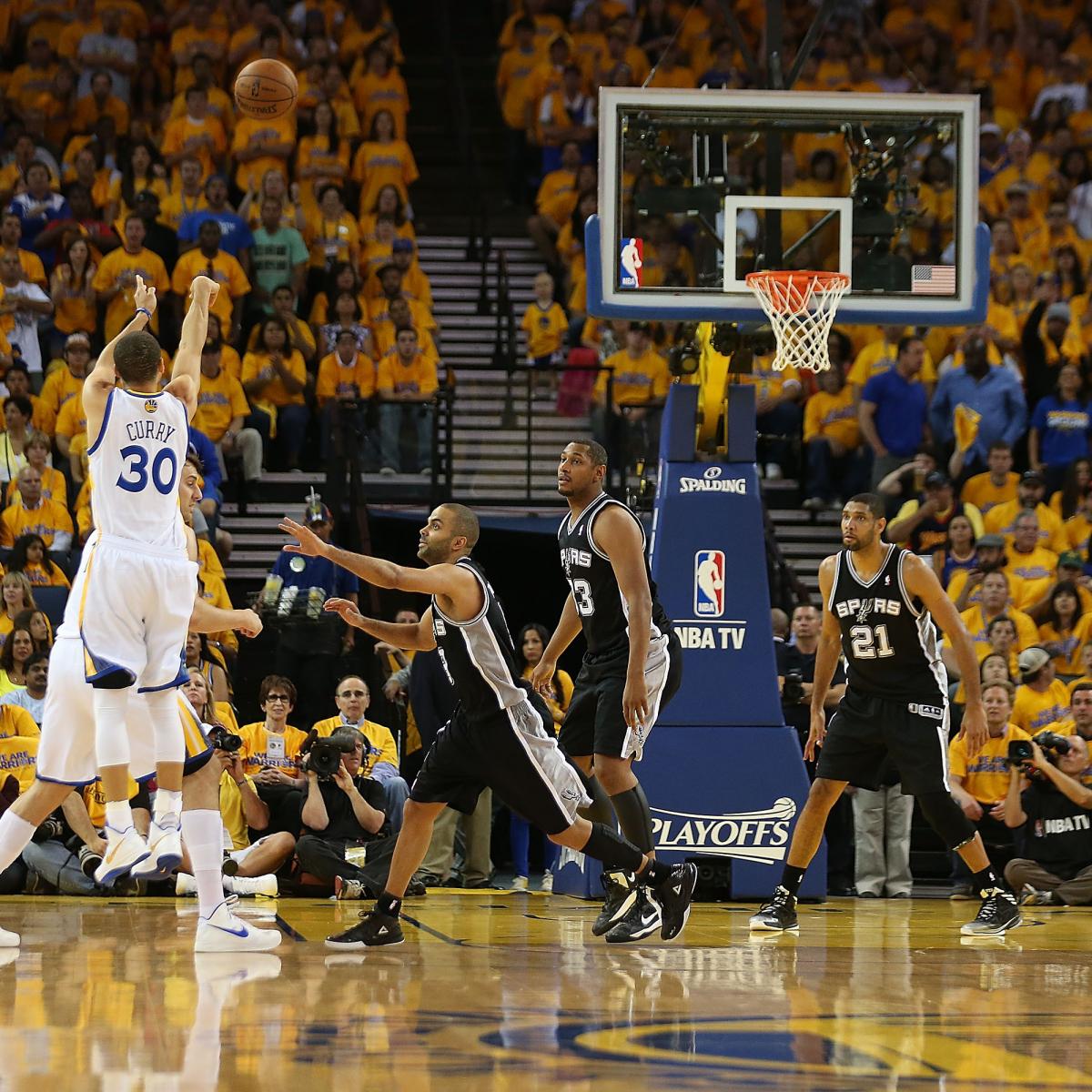
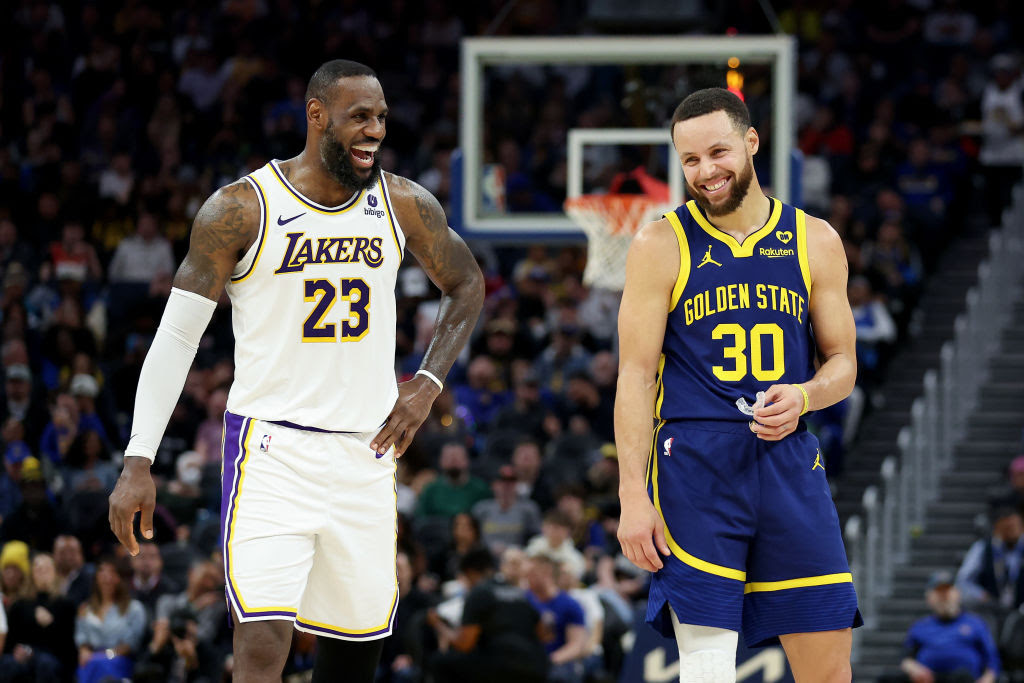
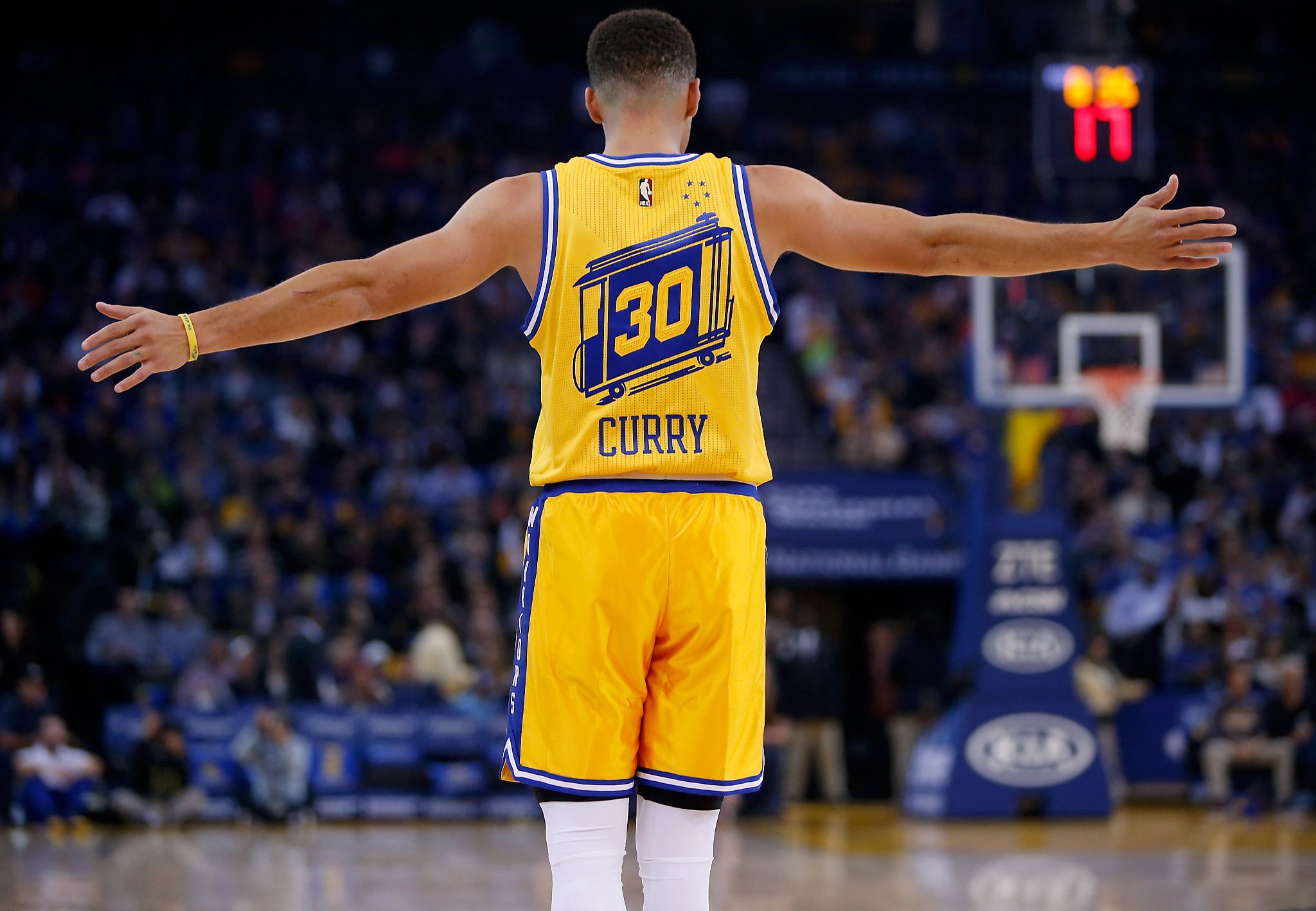
The inimitable magic of StephCurry, which for him is a mere bagatelle. Curry is without a doubt one of the greatest long range shooters ever, possesses magical ball handling skills, is an electric passer, and is an über-inventive, potent scorer from anywhere on the court. The 2 time league MVP holds a number of NBA records, including highest free throw percentage for a career, most points in an overtime period, most 3 point shots made in a season…the list goes on. Steph is the only player ever to lead the league in scoring while achieving the 50-40-90 shooting trifecta. The 6’3″ guard has revolutionized the way the game is played, and is a joy to watch.
Update: On the evening of December 14, 2021, Curry broke the career record for made 3-pointers, eclipsing Ray Allen’s mark of 2,973.
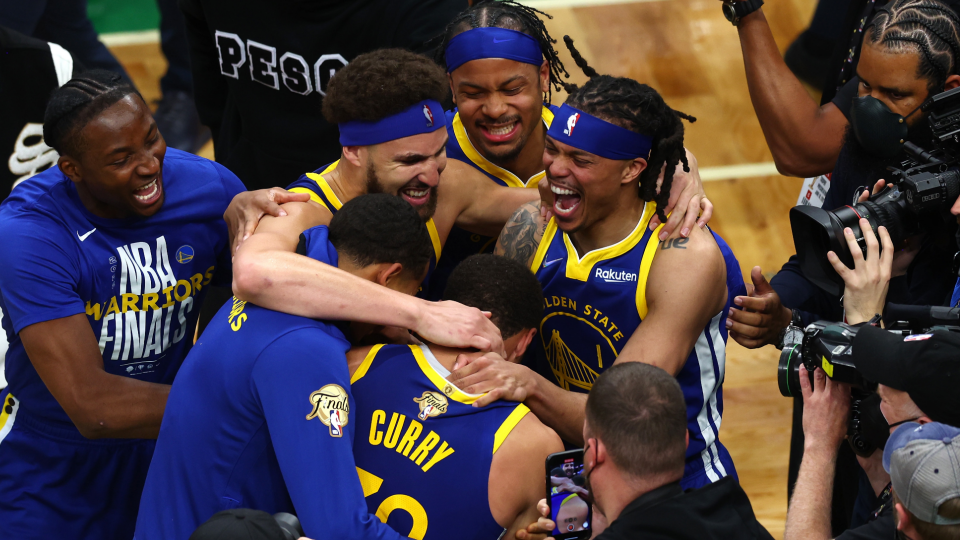
Update II: On June 16, 2022, Steph led the Warriors to their 4th championship during his tenure. He received the Finals MVP for his brilliant, courageous, iconic performances.
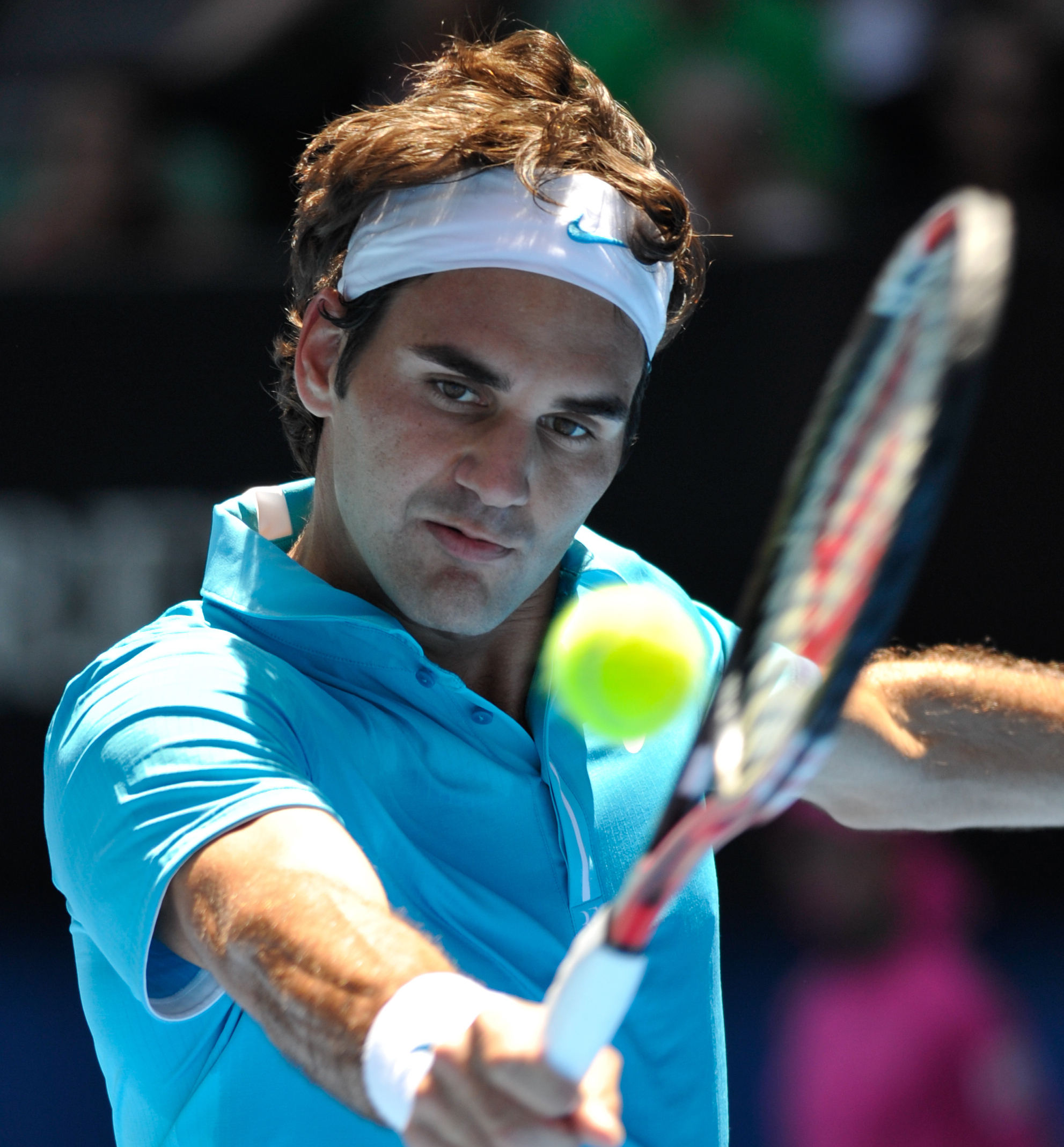
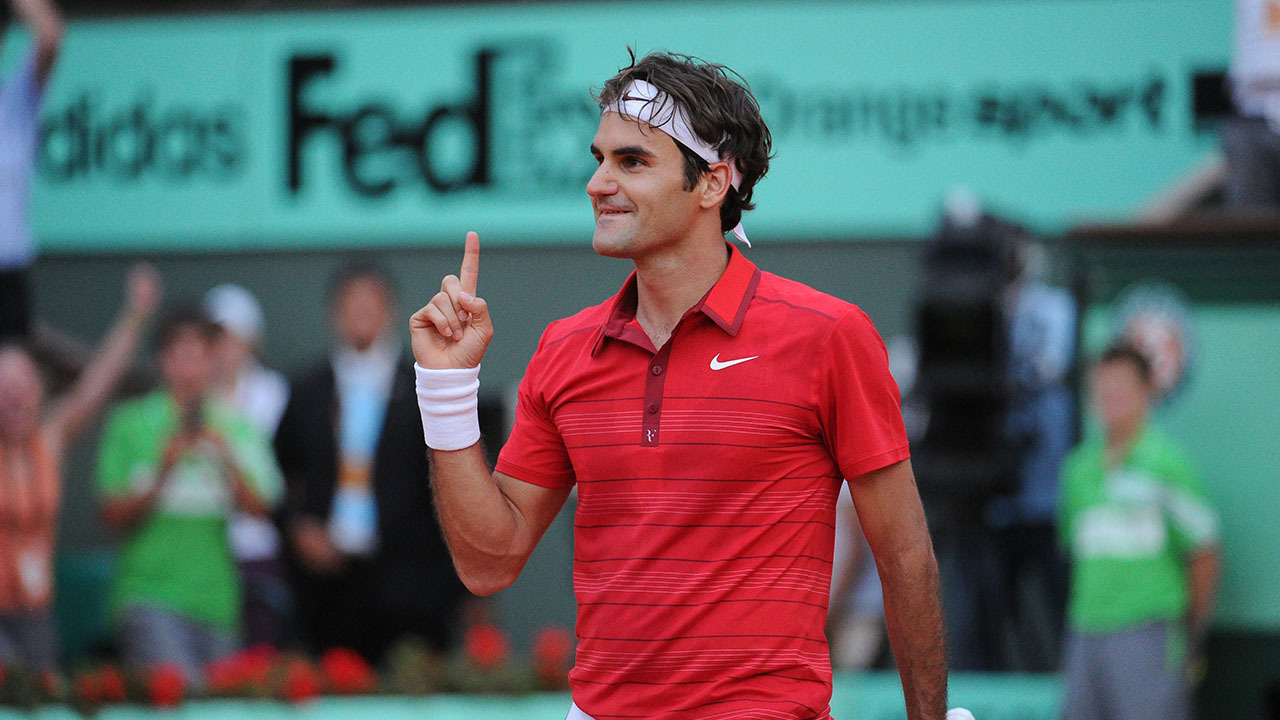
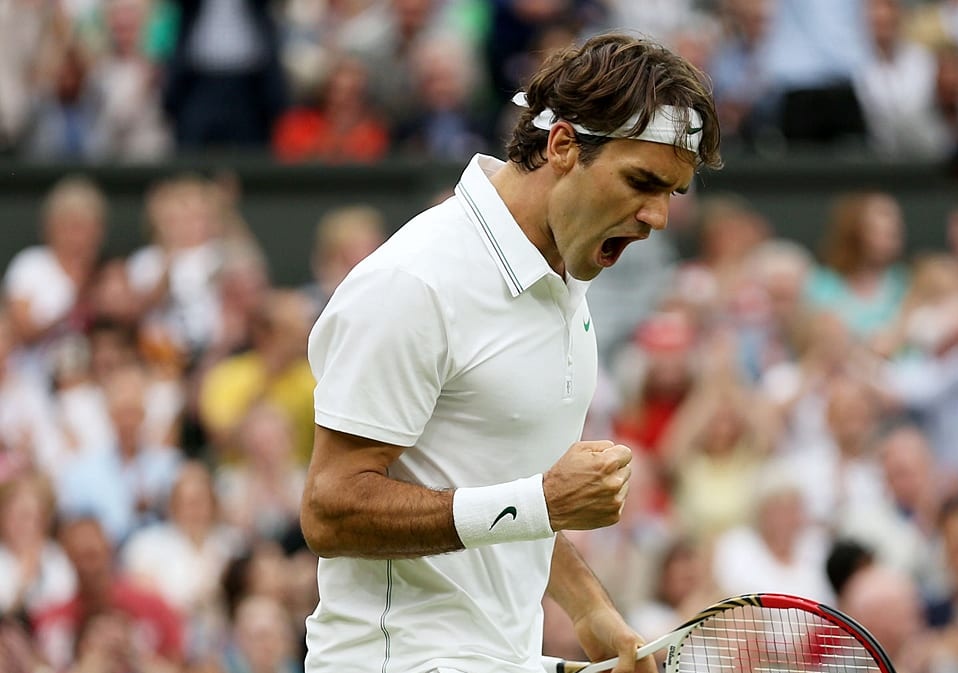
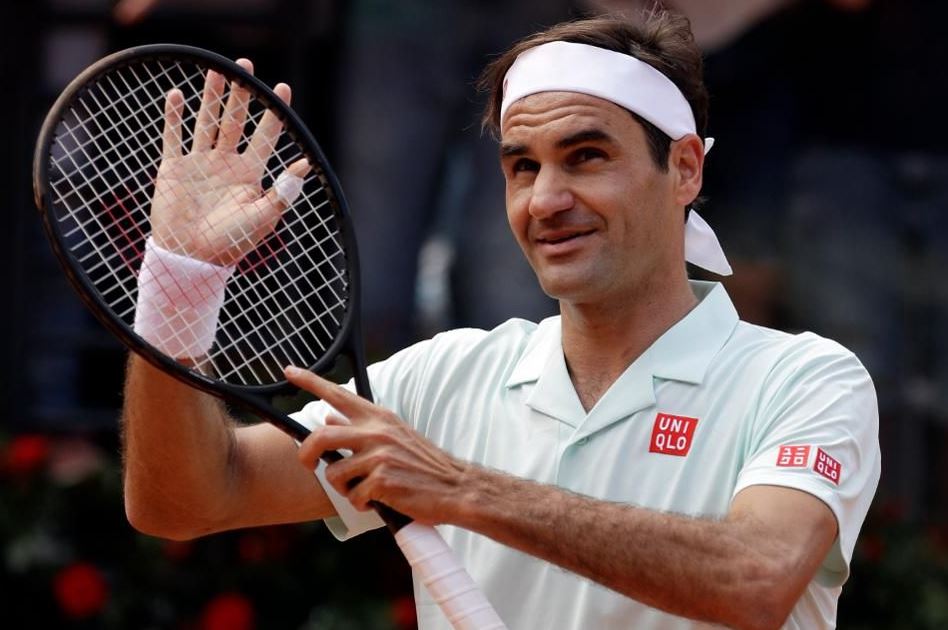
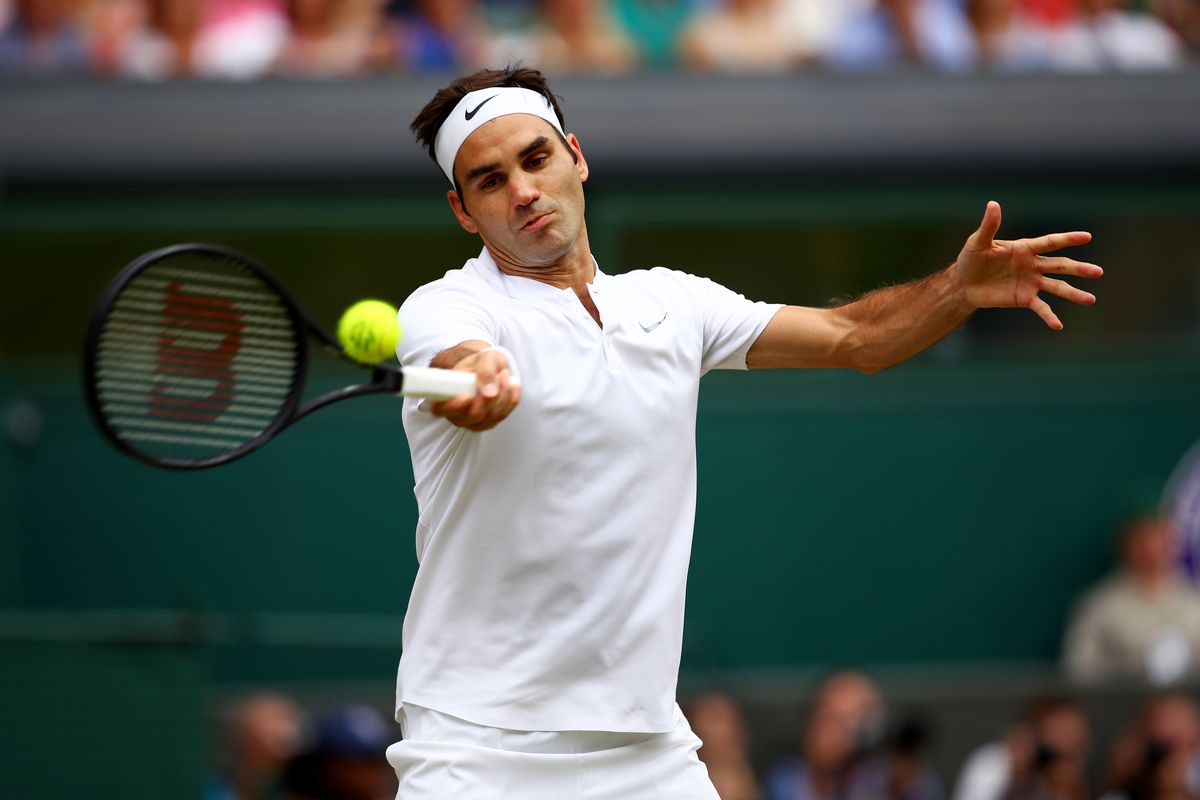
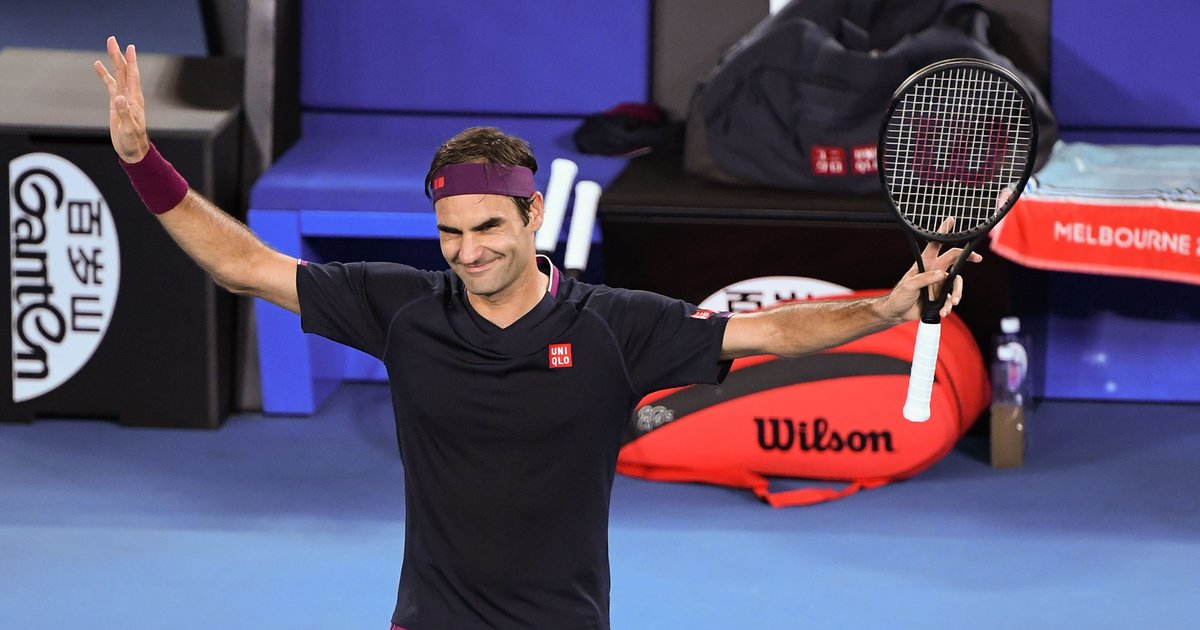
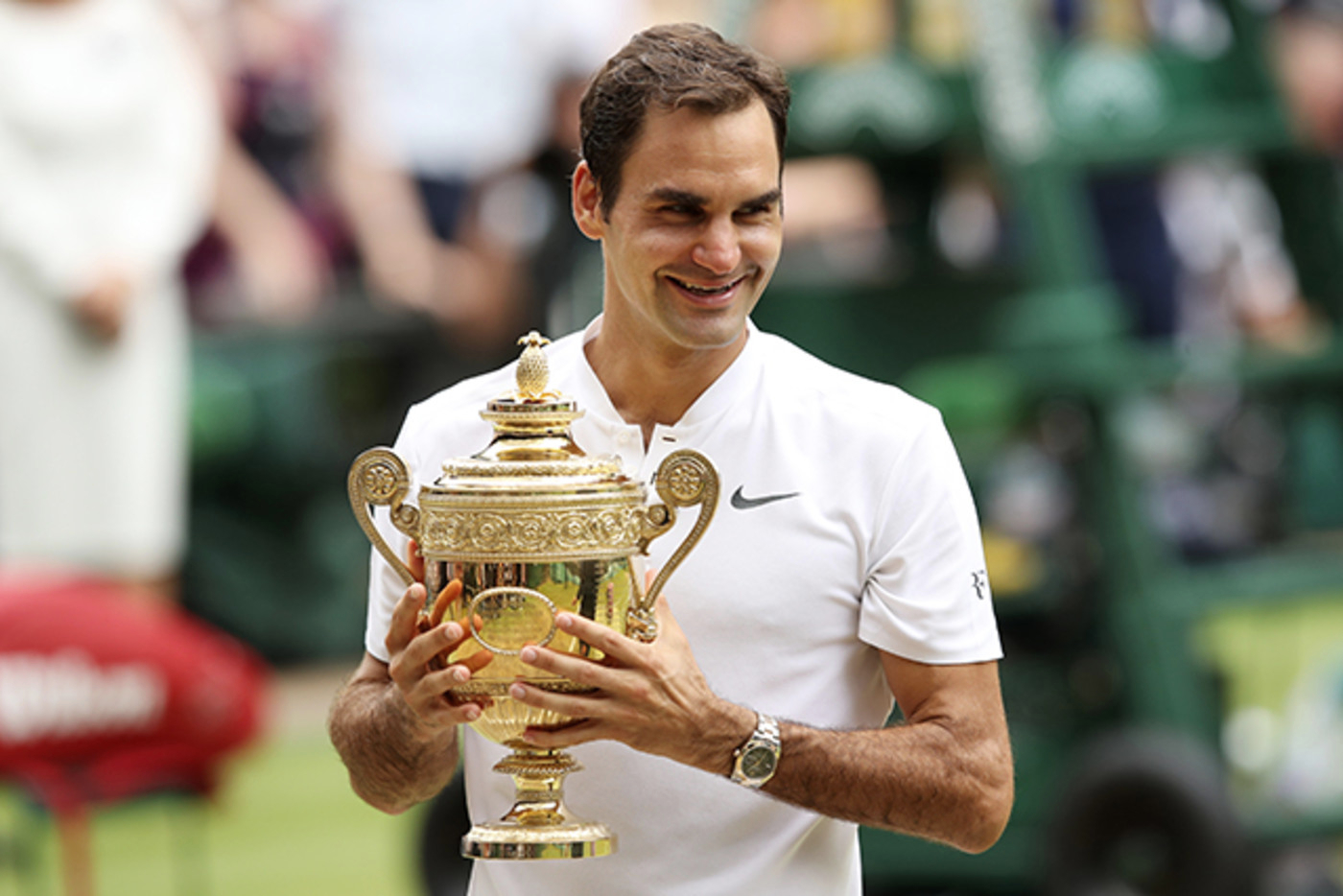
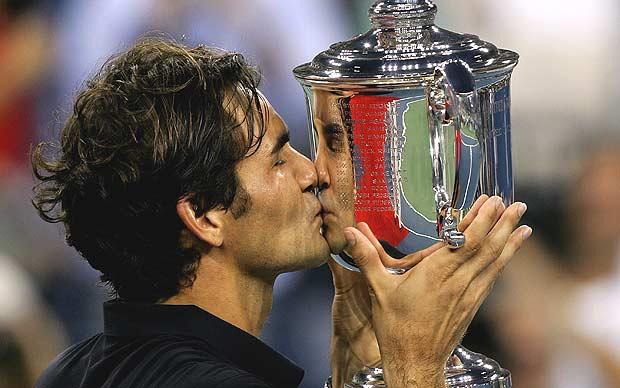
This masterful, stylish, dominant Swiss athlete, Roger Federer, has achieved such towering heights, in tennis, that he is generally considered the sport’s greatest ever practitioner. He has given many, many thrills over the years…with his nonpareil artistry and creativity; his indomitable will; his uncanny proclivity to produce his best when it matters most, when so many others wilt. Always so aware, so ready to seize command of the point. There’s just an extra gear/dimension to his game we’ve not seen before. An undeniable sense of synergy pervades his shotmaking. He has a unique way of taking time away from his opponent with his feet and timing. Winners from every court position flow from his racquet. His touch is exquisite. At his best, Roger’s game was—and, is—nothing short of poetry, the poetry of a genius…a slightly mad one, at that.
I’ll always recall my first viewing, against American Andy Roddick, in the 2003 Wimbledon semi-finals. His preternatural grace and *feel* for the game I simply found astonishing. Magical. When Federer closed out the second set with, really, something no one had seen—a running, forehand half-volley {usually a defensive shot} utterly whipped into the corner for an uncontested winner—both men had to smile. Commentator John McEnroe, quite capable of producing his *own* magic with a racket, was incredulous. “That’s not possible.”
On a personal note, I was fortunate enough to partake of the Great Man at very close quarters; a practice session. Being at such proximity to Mr. Federer would have to be included in one’s rather intimately scaled coterie of “Religious Experiences”. Plus, he also rather casually did something impossible. He’s like that.
The grace also masked an assassin-like ruthlessness that could torture opponents. Nick Kyrgios, the temperamental Australian star, has said that Federer is the only player who has ever made him feel like he really did not know what he was doing on a tennis court.
From the great Rafael Nadal, on his immortal rival: “If he is playing very good, I have to play unbelievable. If not, it’s impossible, especially if he’s playing with good confidence. When he’s 100 per cent, he’s playing in another league. It’s impossible to stop him.”
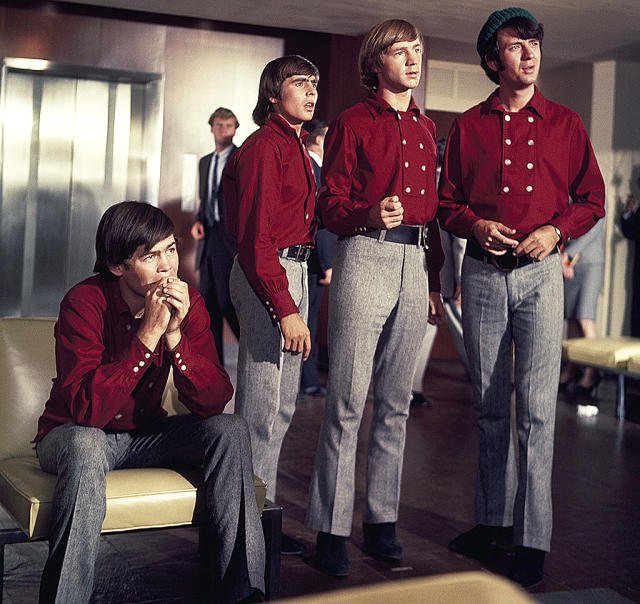
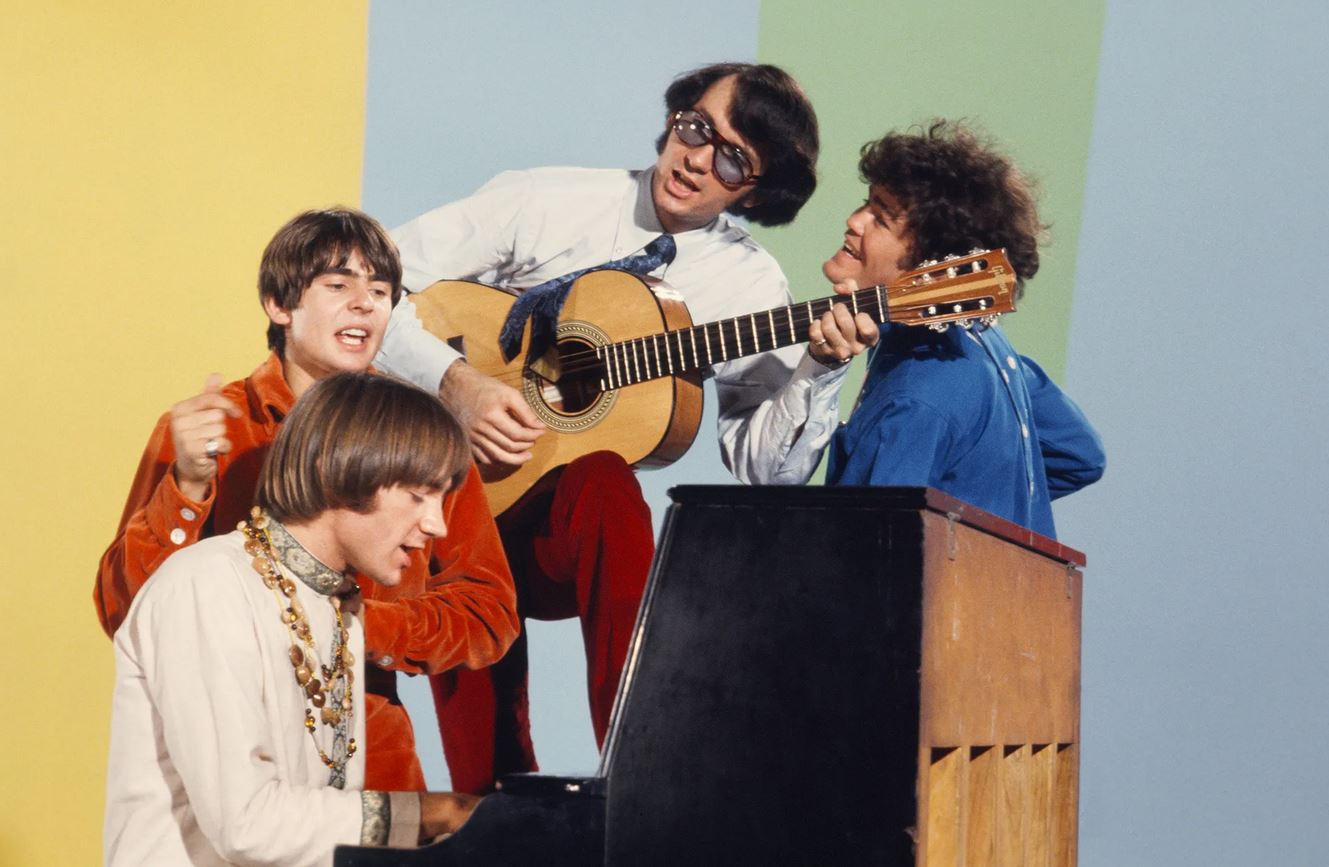
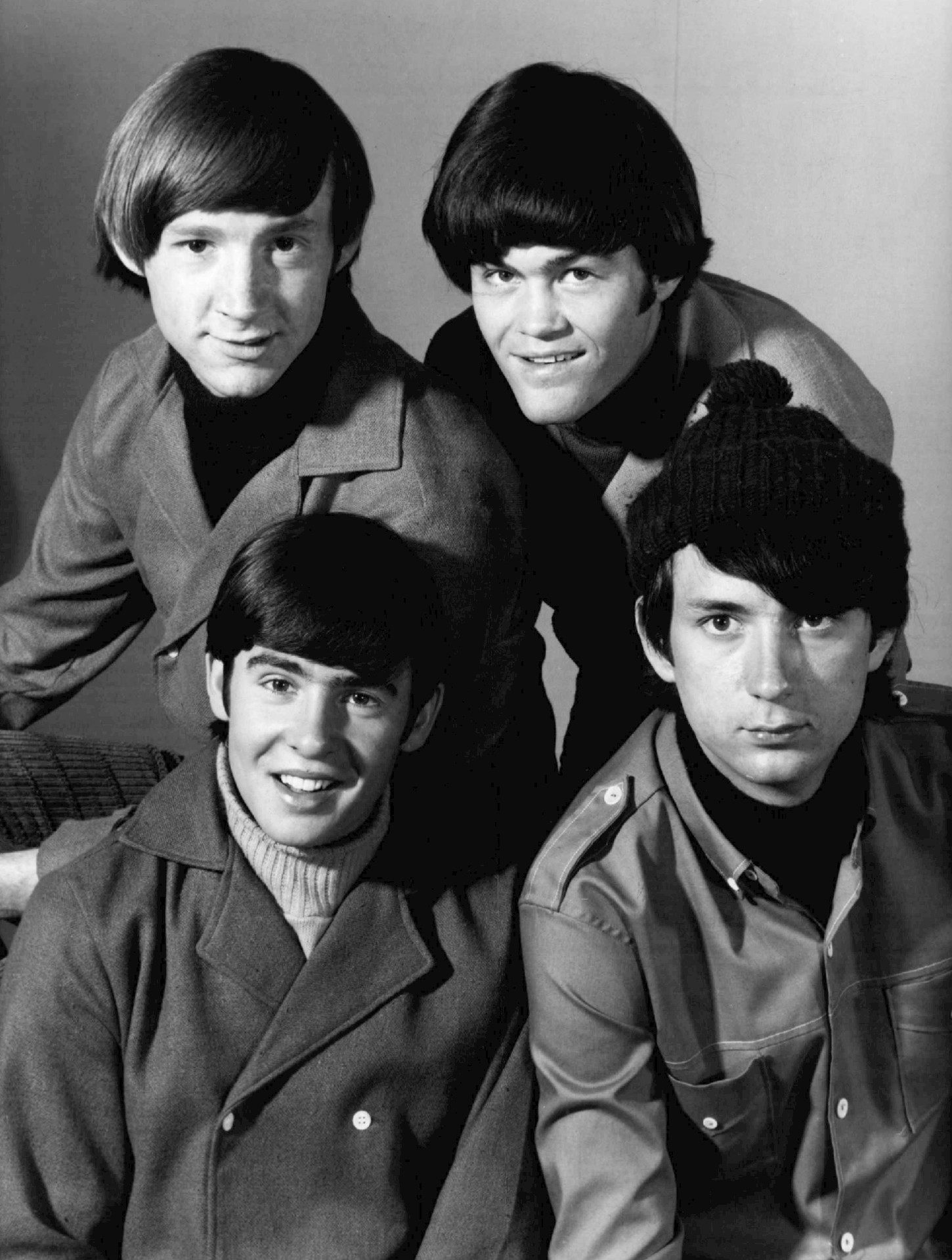
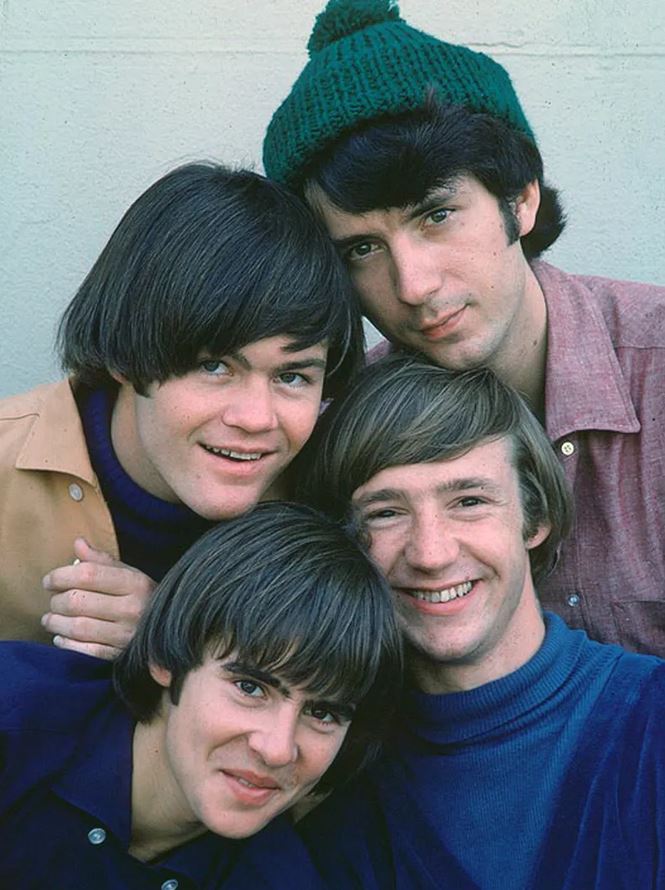
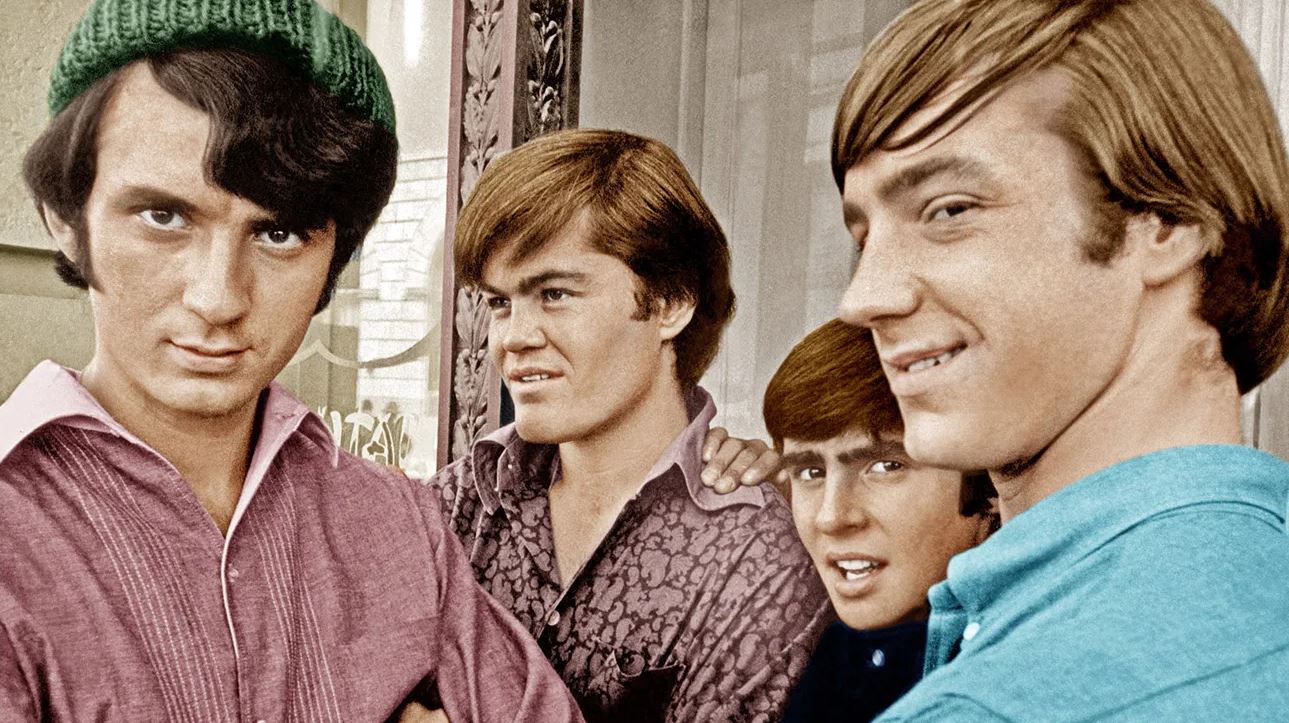
Micky Dolenz, Davy Jones, Peter Tork, and the enigmatic Michael Nesmith burst upon the scene in 1966, and took the world by storm with their irrepressible/cheerful/wacky magical powers.
2004, Madrid.Time {studio, 1980, Eric Woolfson vocal}
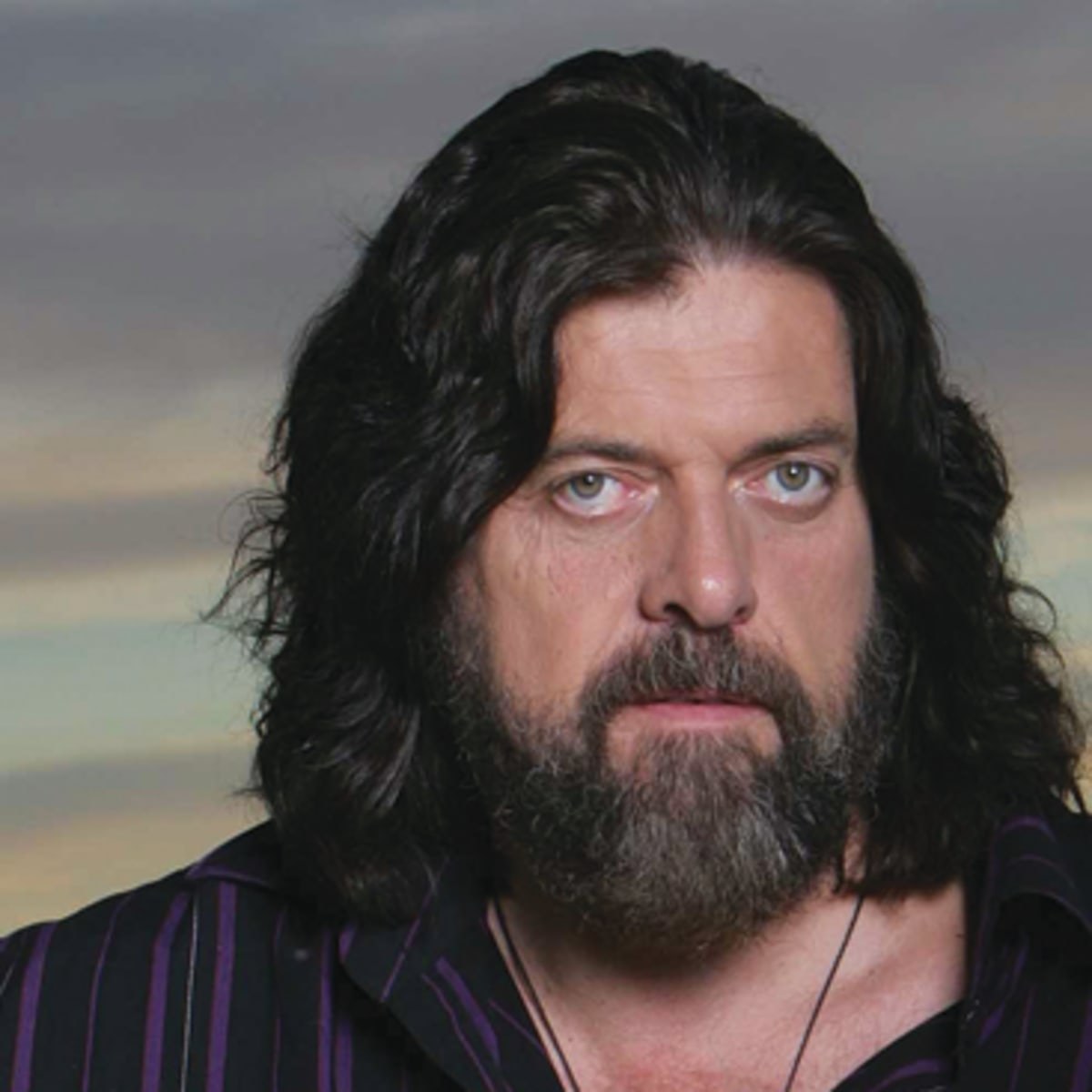
Mastermind Alan Parsons, with myriad cohorts, including godlike vocalist PJ Olsson. His original and longtime collaborator Eric Woolfson‘s first- ever lead vocal was on the majestic Time, presented here in its glorious studio recording, and later {with/by Olsson} in Madrid, 2004.
Note the Sirius/Eye of Horus/Telepathy-type goings-on. He can read your mind.
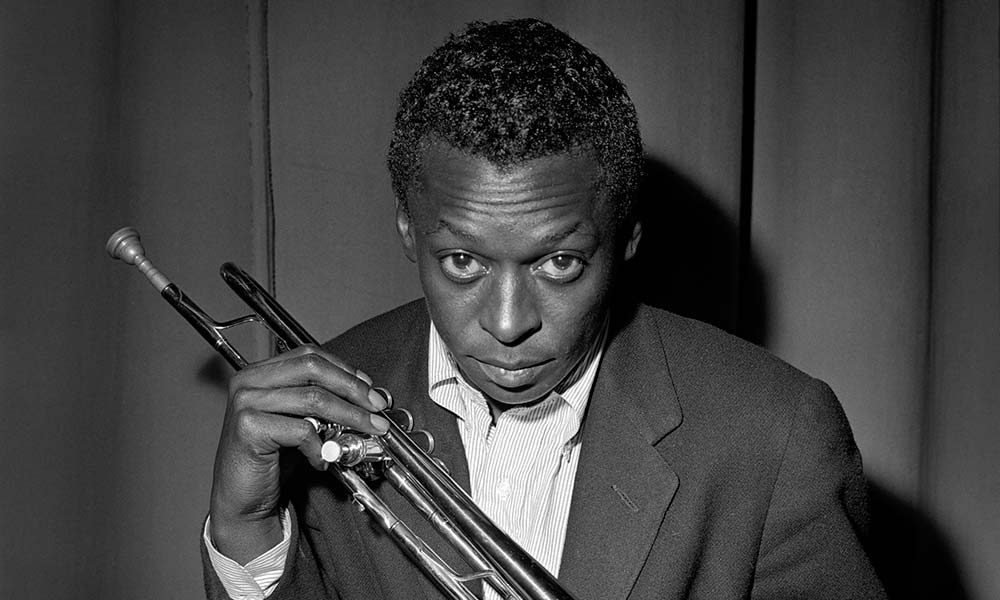
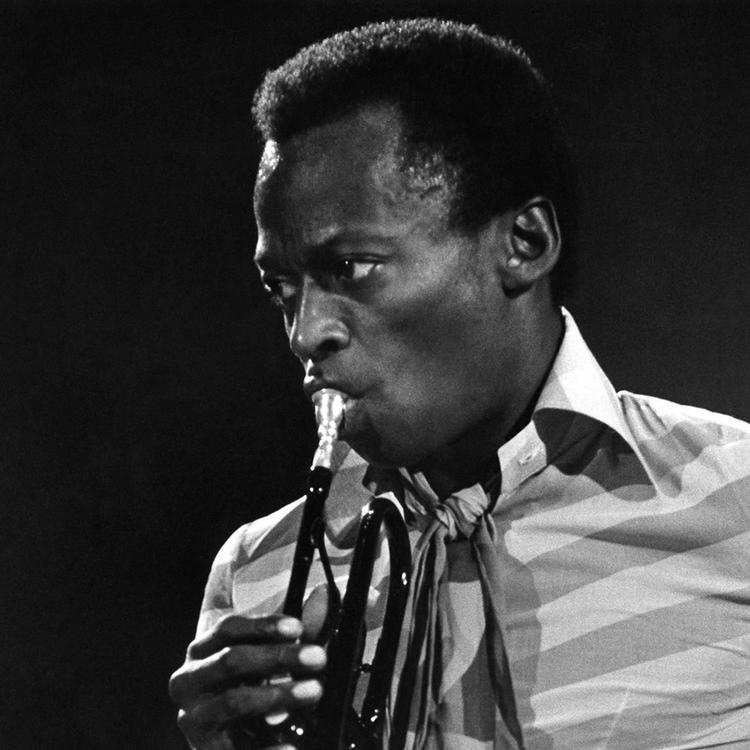
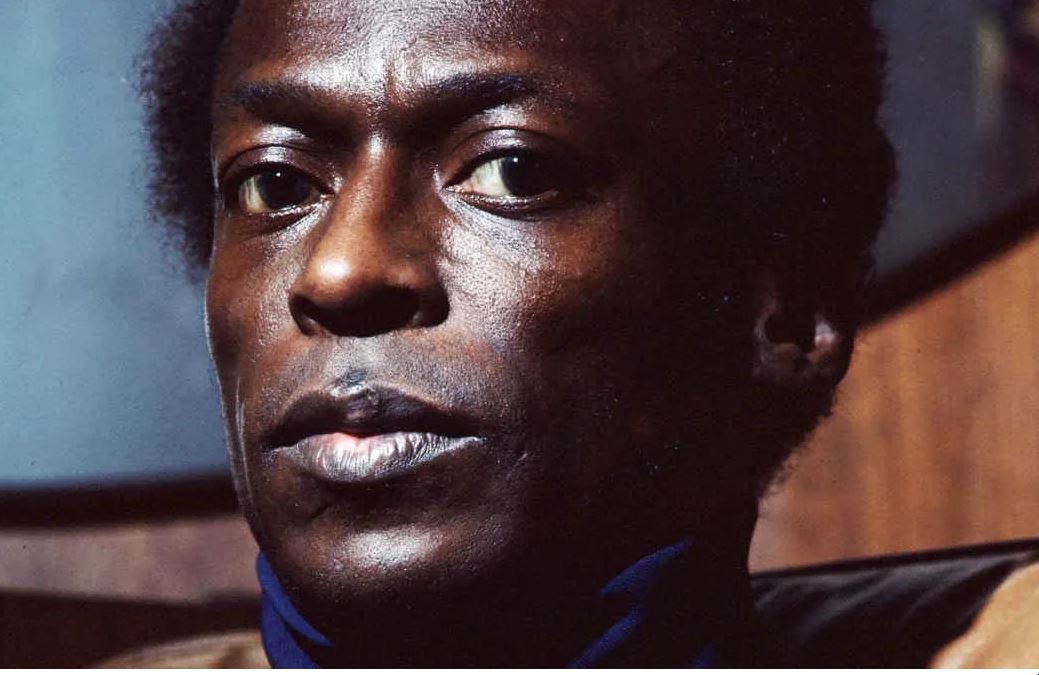
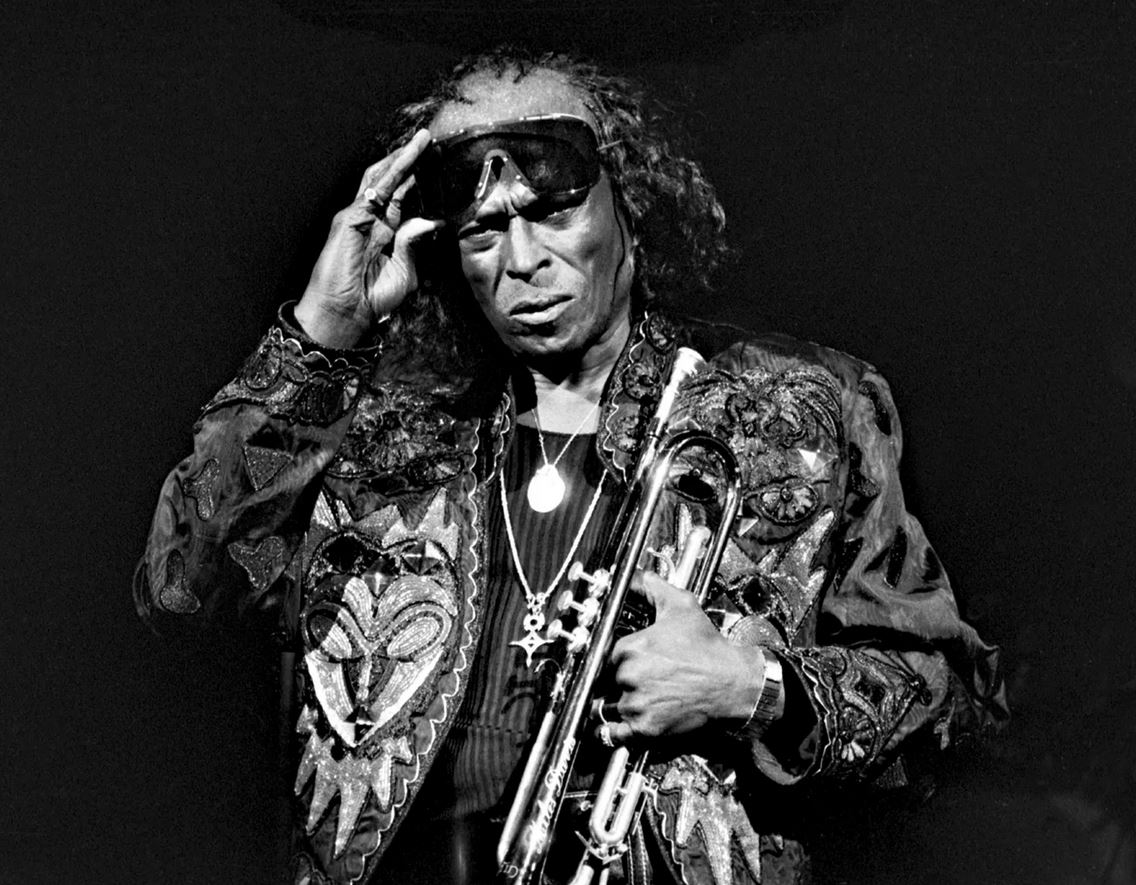
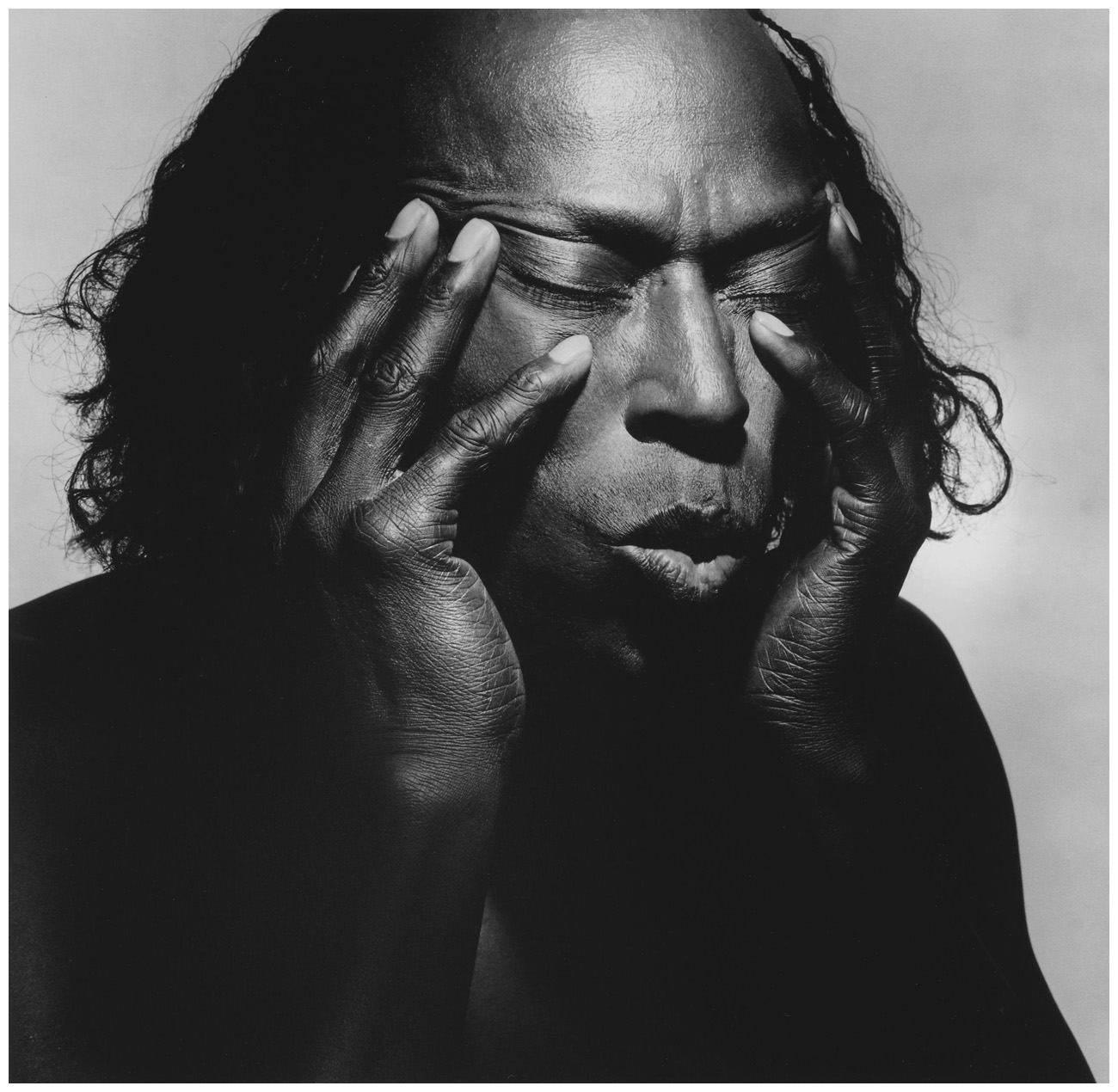
The Rolling Stone Encyclopedia of Rock & Roll noted “Miles Davis played a crucial and inevitably controversial role in every major development in jazz since the mid-’40s, and no other jazz musician has had so profound an effect on rock. Miles Davis was the most widely recognized jazz musician of his era, an outspoken social critic and an arbiter of style — in attitude and fashion — as well as music”.
Anecdote of note: Nancy Reagan turned to him and asked what he’d done with his life to merit an invitation. Straight-faced, Davis replied: “Well, I’ve changed the course of music five or six times. What have you done except f**k the president?”
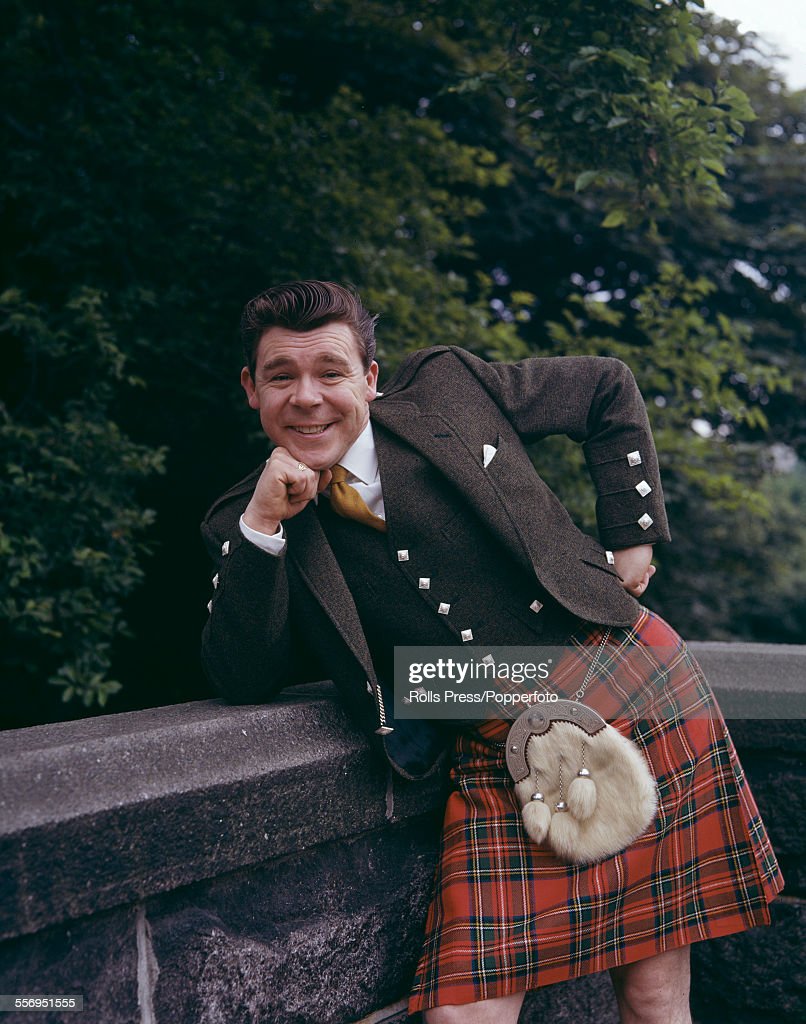
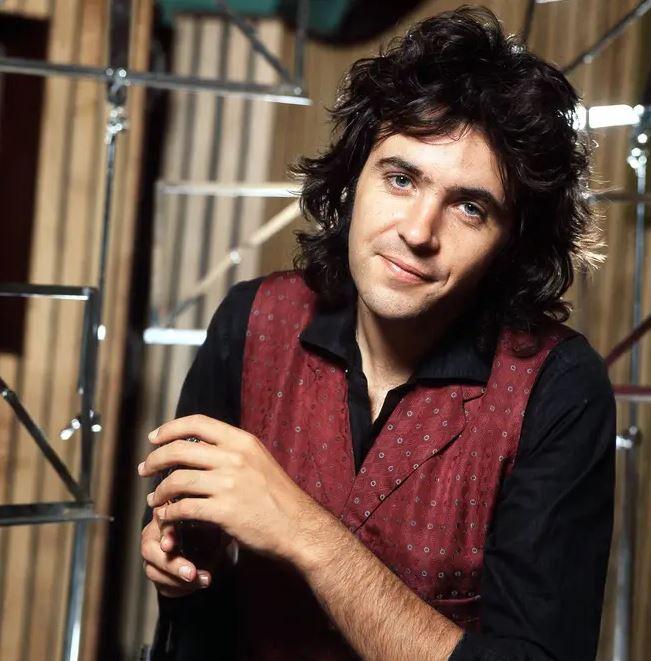
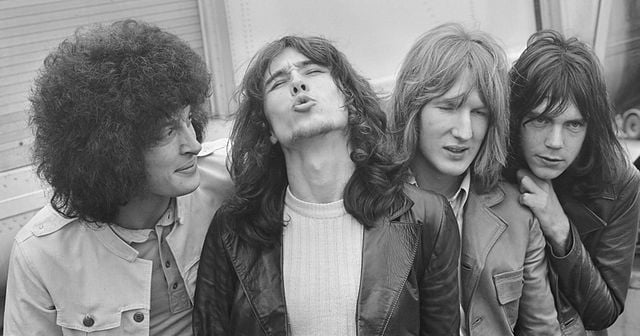
Über-magical moments featuring Dave Loggins, The Hudson Brothers, The Guess Who, Terry Jacks, Paper Lace, Rick Derringer, The Hues Corporation, Redbone, William DeVaughn, David Essex, Golden Earring, and Blue Magic.
































 Bideodromage