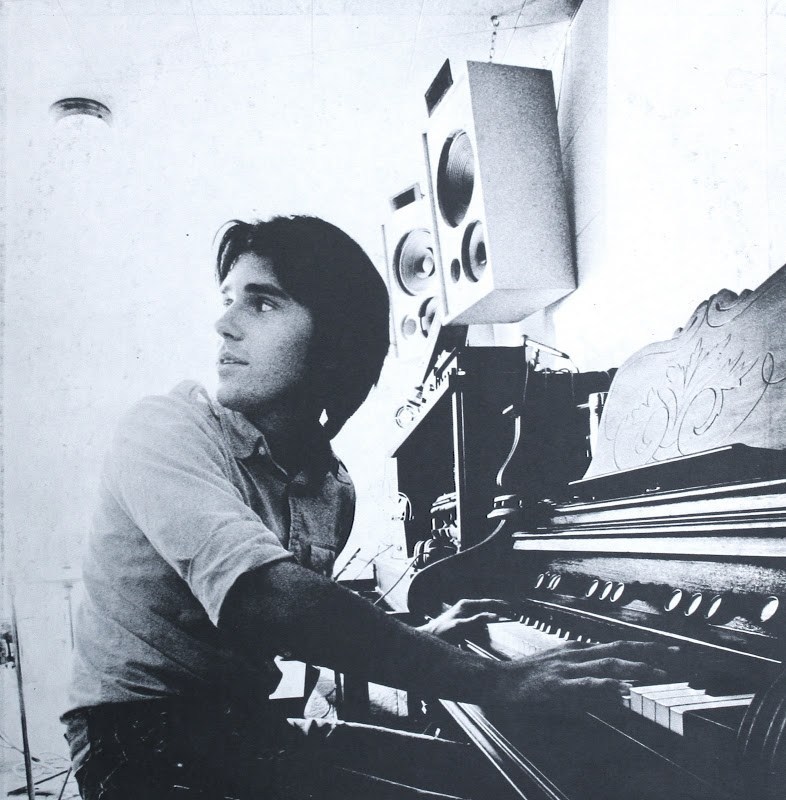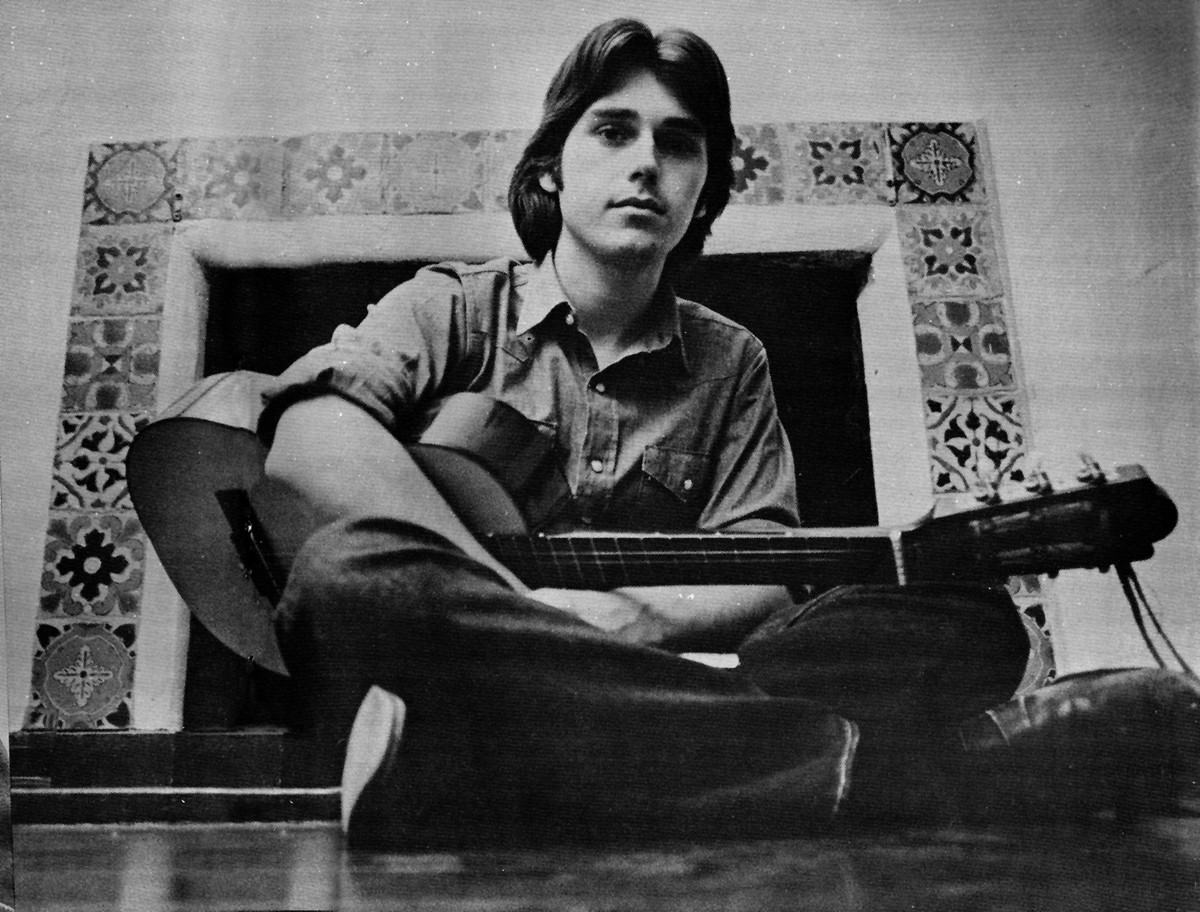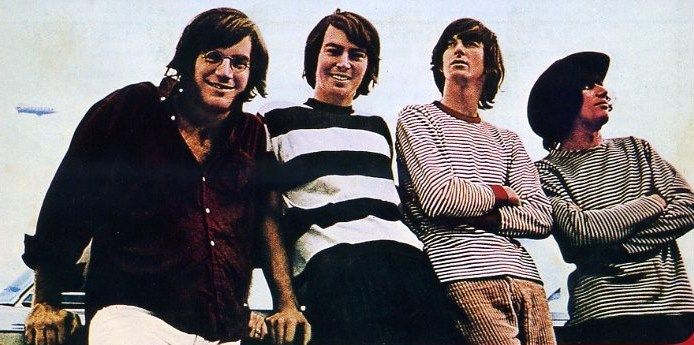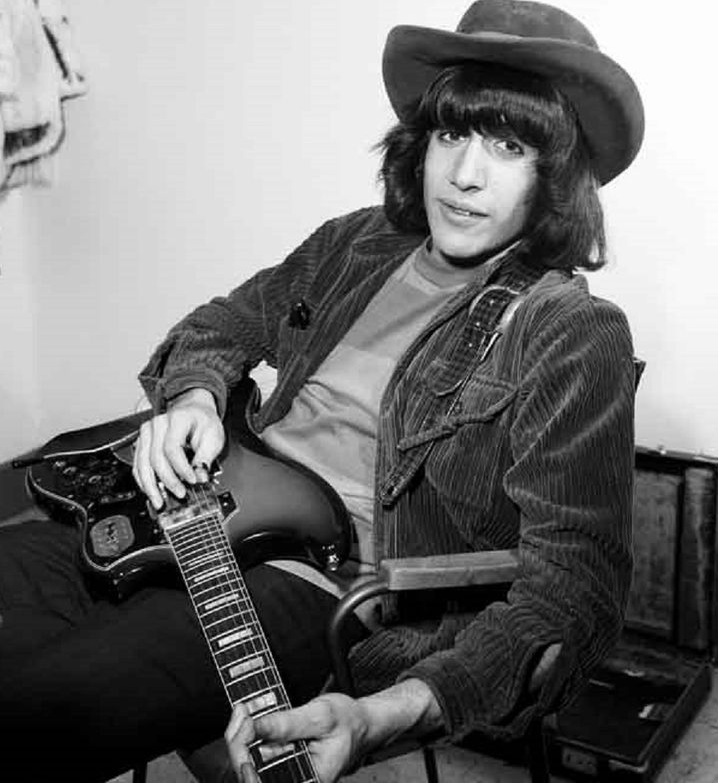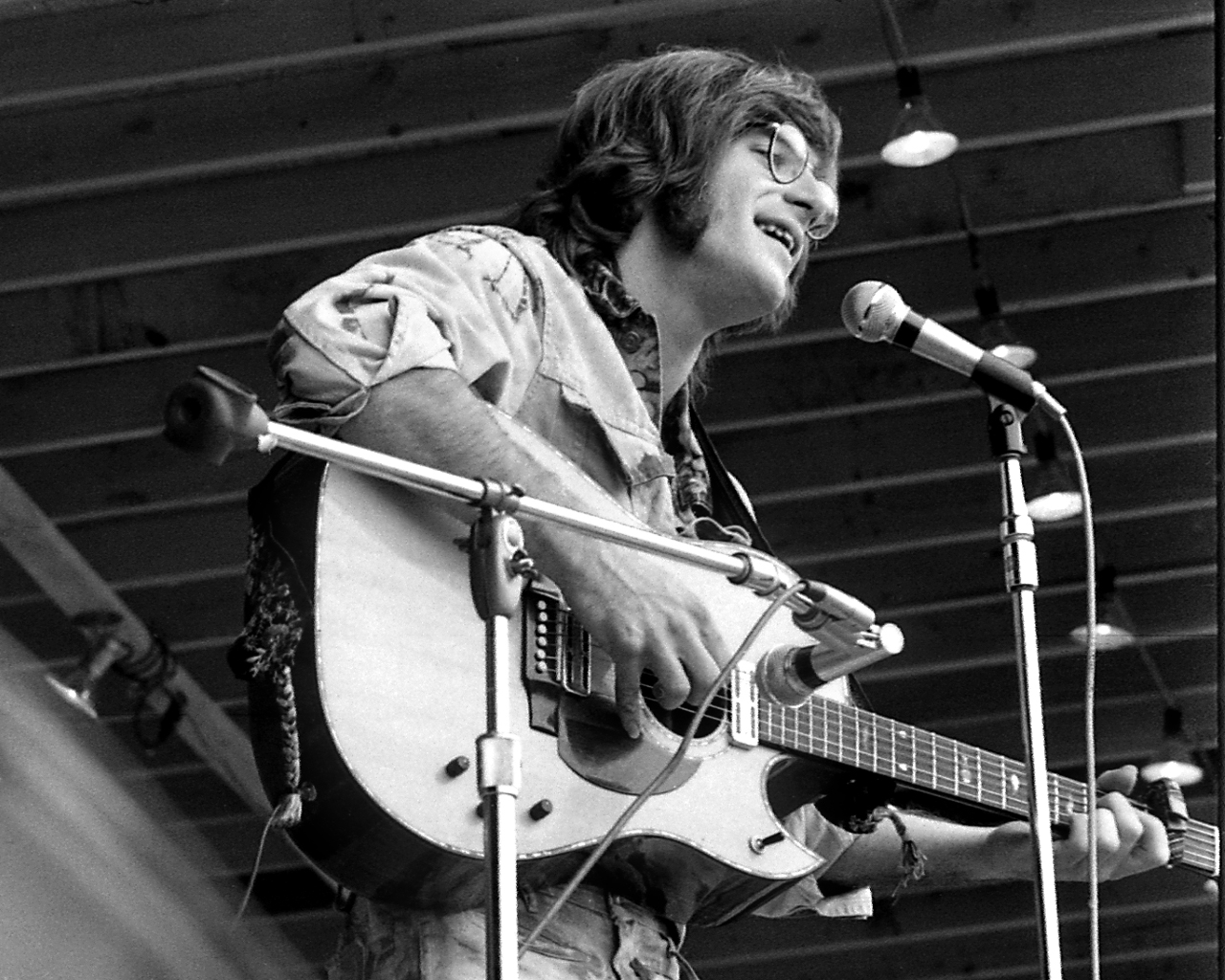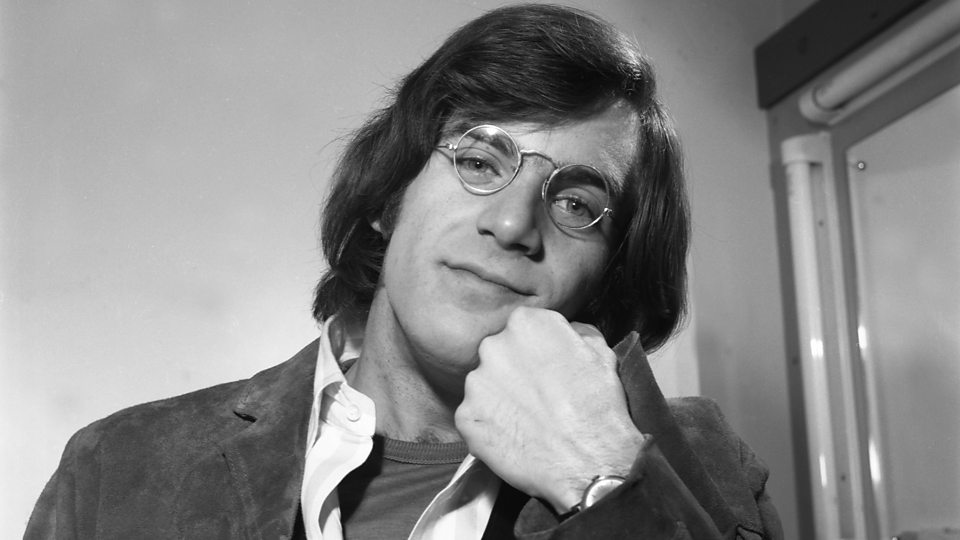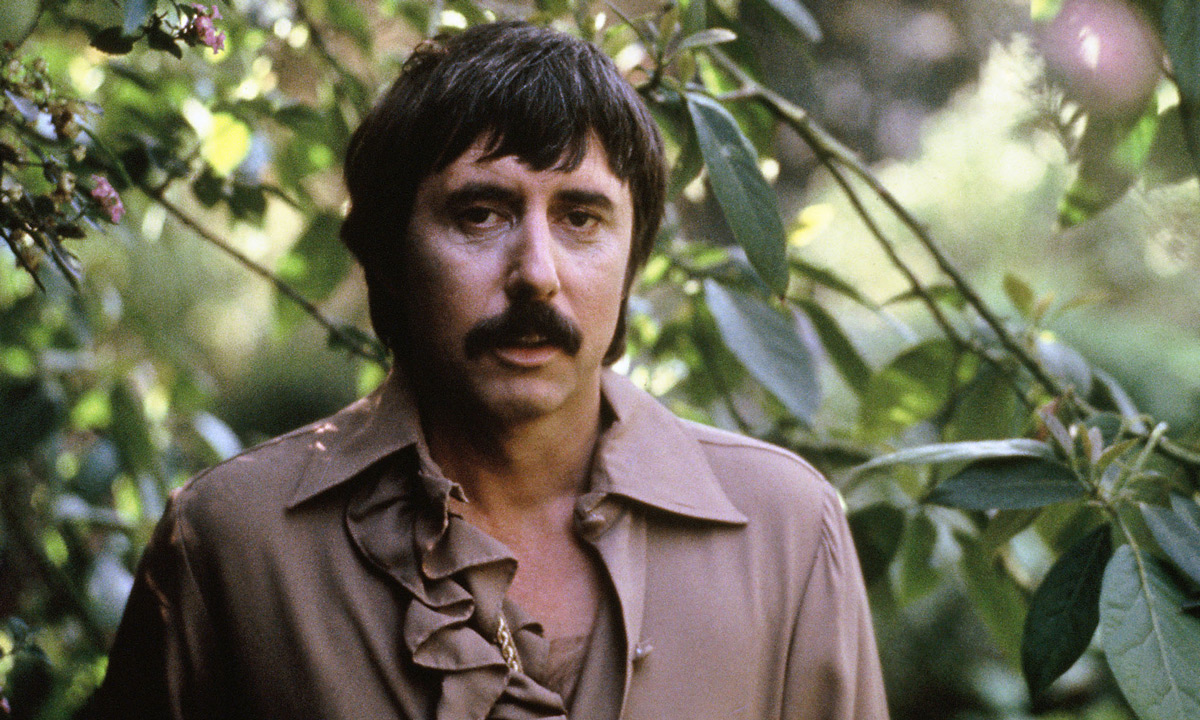
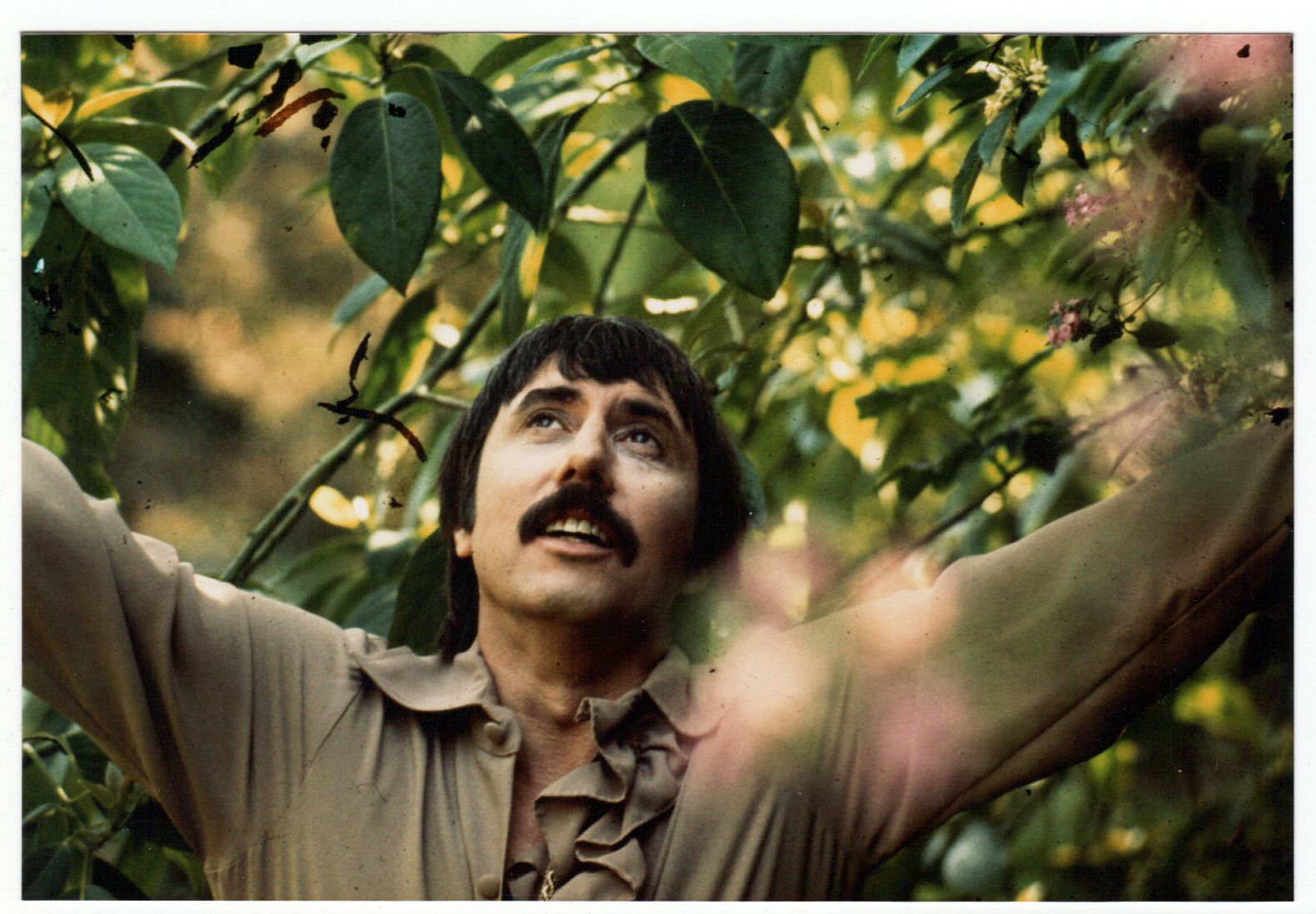
Lee Hazlewood came to be known as a songwriter for, and vocalist with, the wonderful Nancy Sinatra. His gravelly baritone was the perfect compliment to Sinatra’s pure-as-gold pipes. But he was far, far more than that. Listening to his solo material, it’s hard not to be won over by the deadpan idiosyncrasies that pervade his songs and delivery. Wry humour, outright quirkiness, and a wistful sense of loss are Lee’s calling cards. A wonderful musician, the leading light of “Cowboy Psychedelia”. But most importantly, he’s utterly, unapologetically himself.
Tag: music
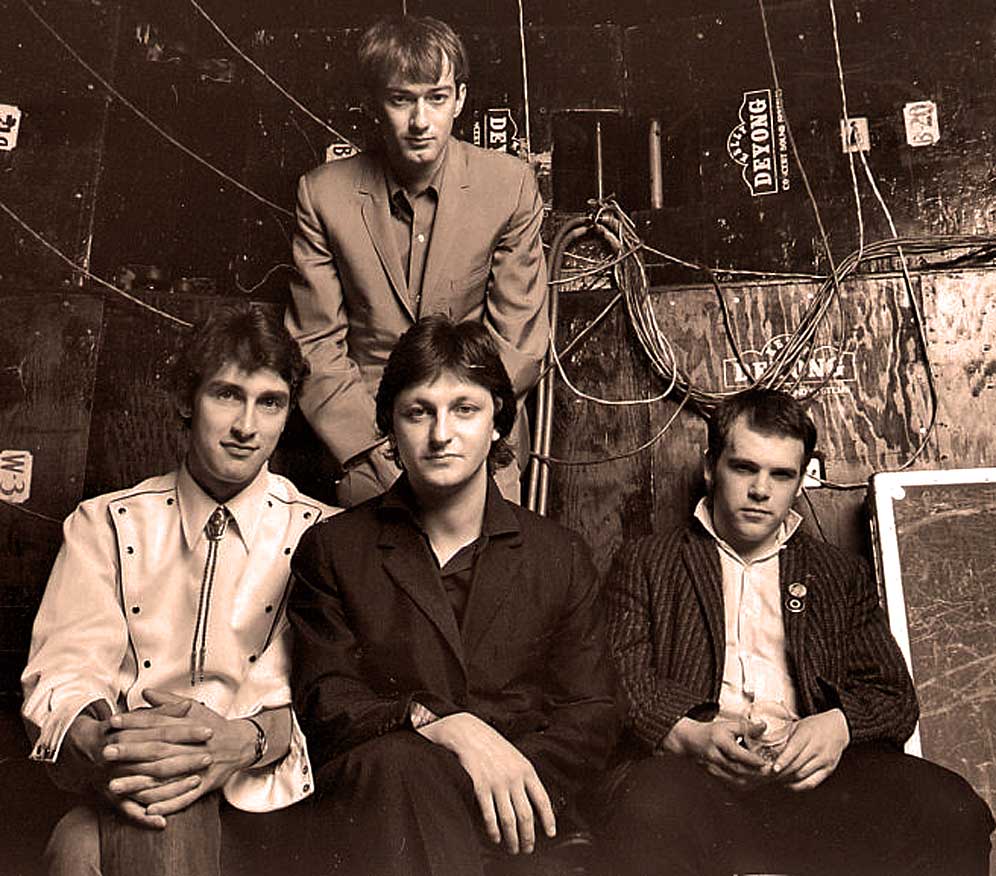
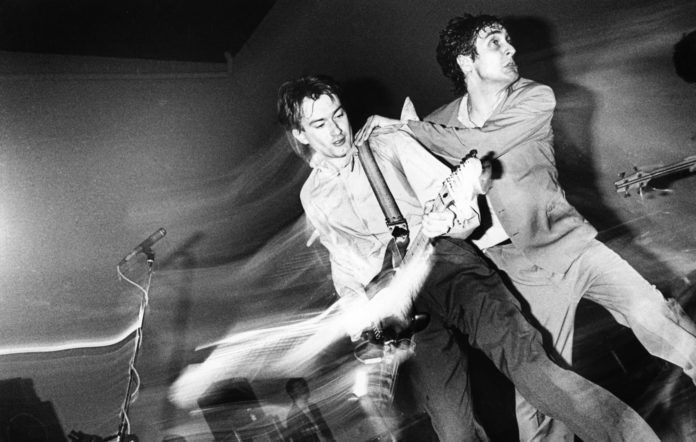
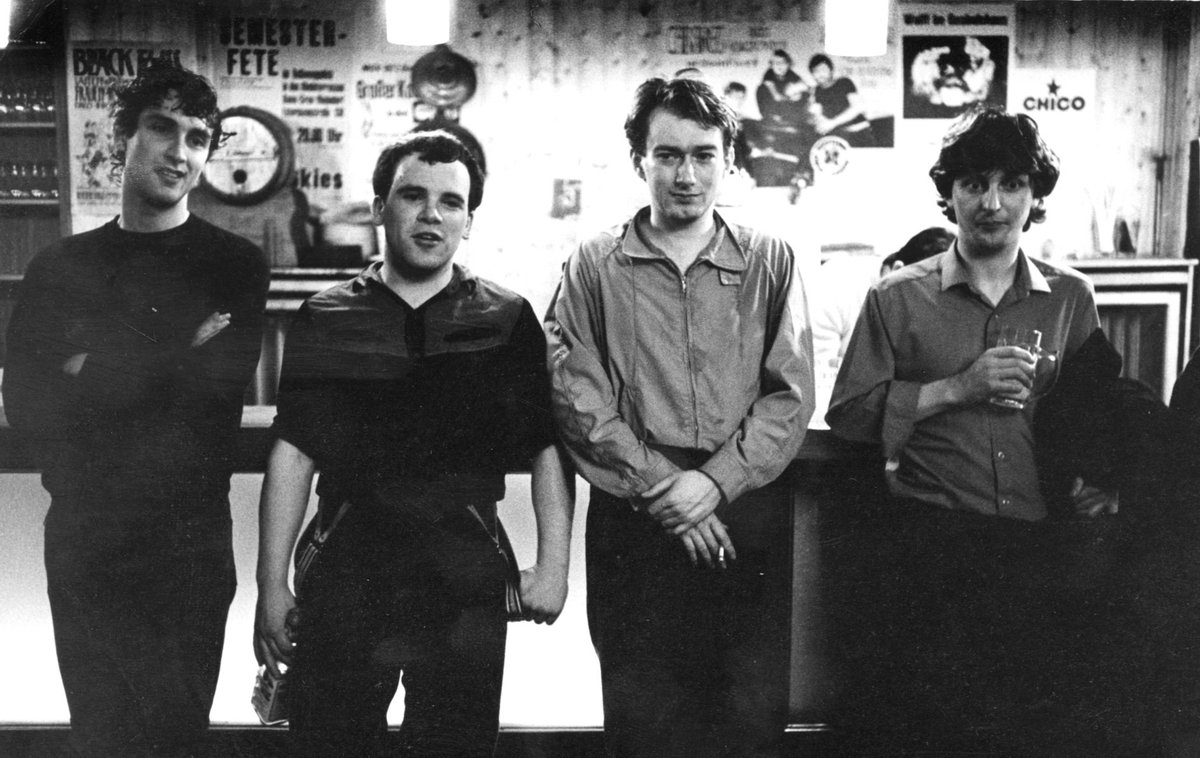
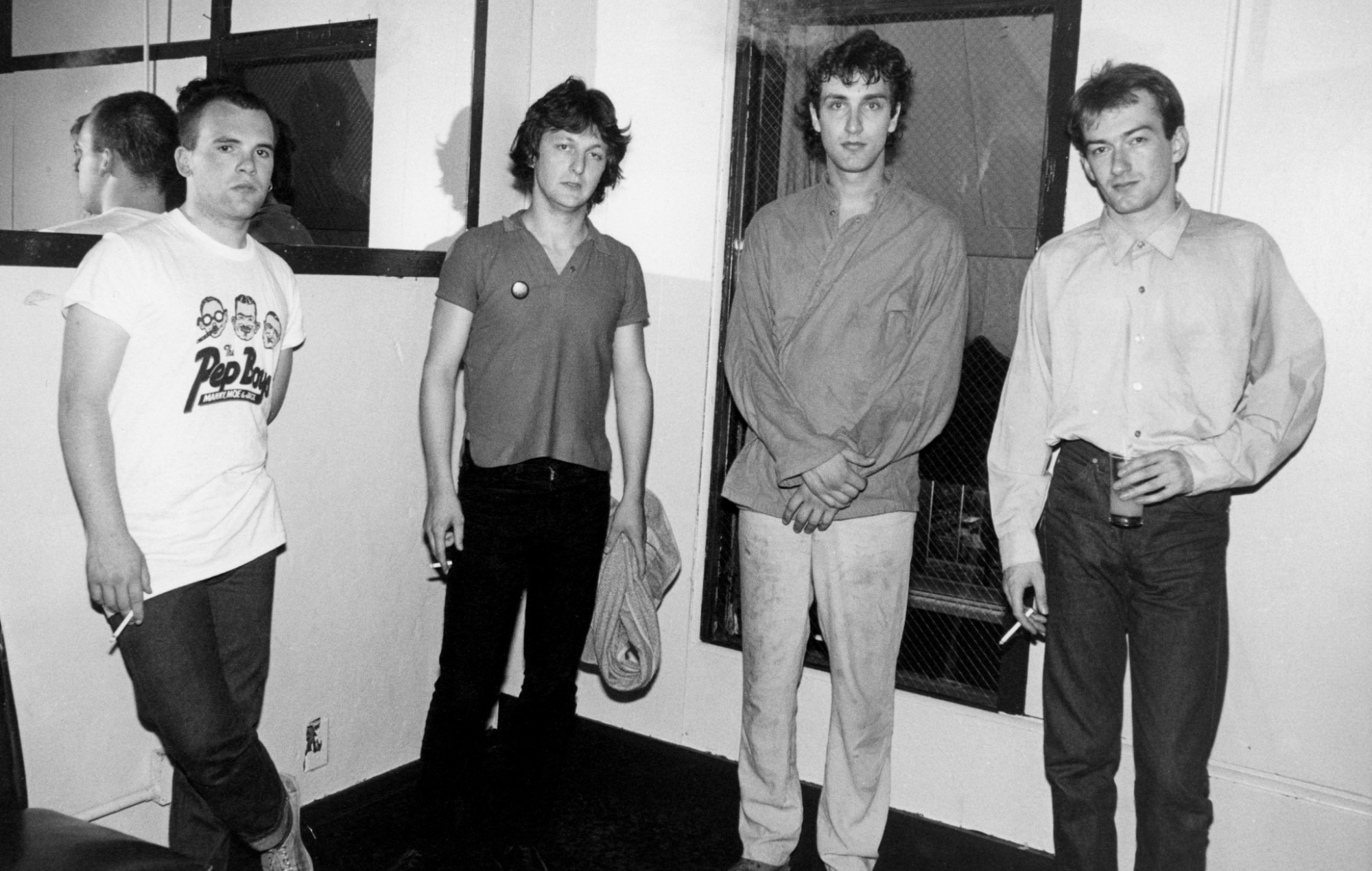
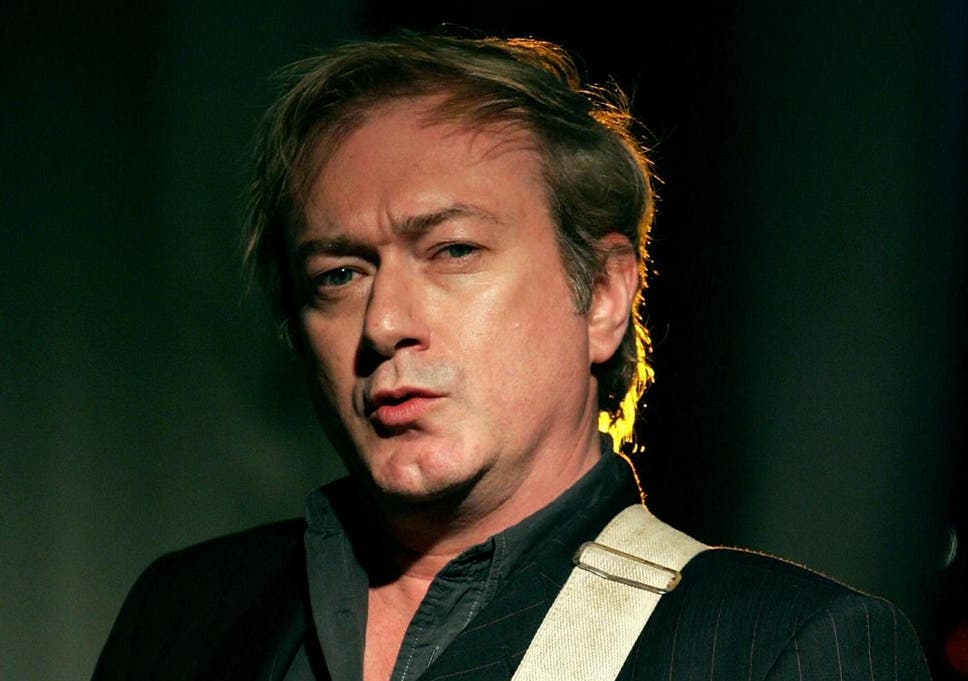
Formed in 1976 by guitar maestro Andy Gill, vocalist Jon King, drummer Hugo Burnham, and bassist Dave Allen, Gang of Four produced some of the most crucial music of the late 70s-early 80s. Acerbic, satirical lyrics that were extremely socially aware were the group’s calling card, as was Gill’s formidable guitar work. The rhythm section generally laid down hard funk grooves, yet the music was spare, angular, jagged. A critical assemblage.
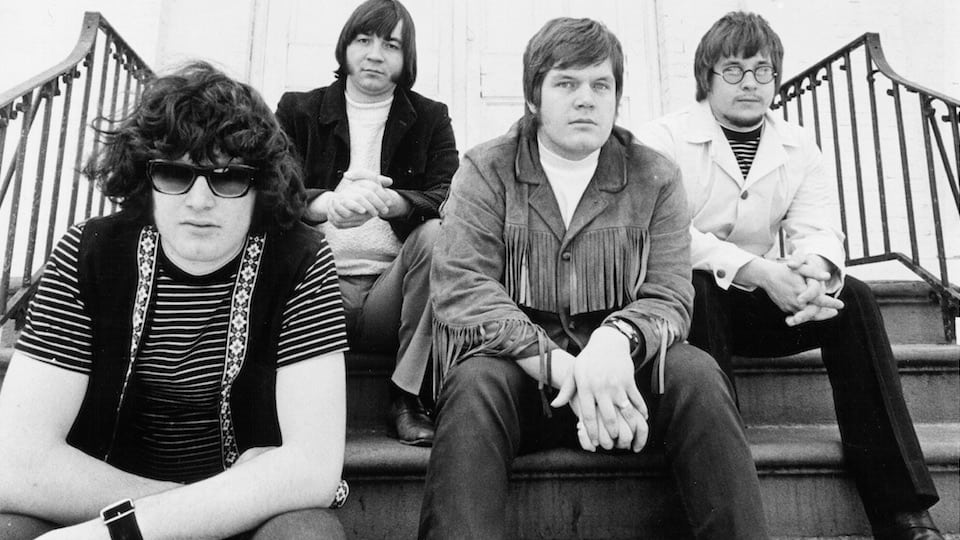
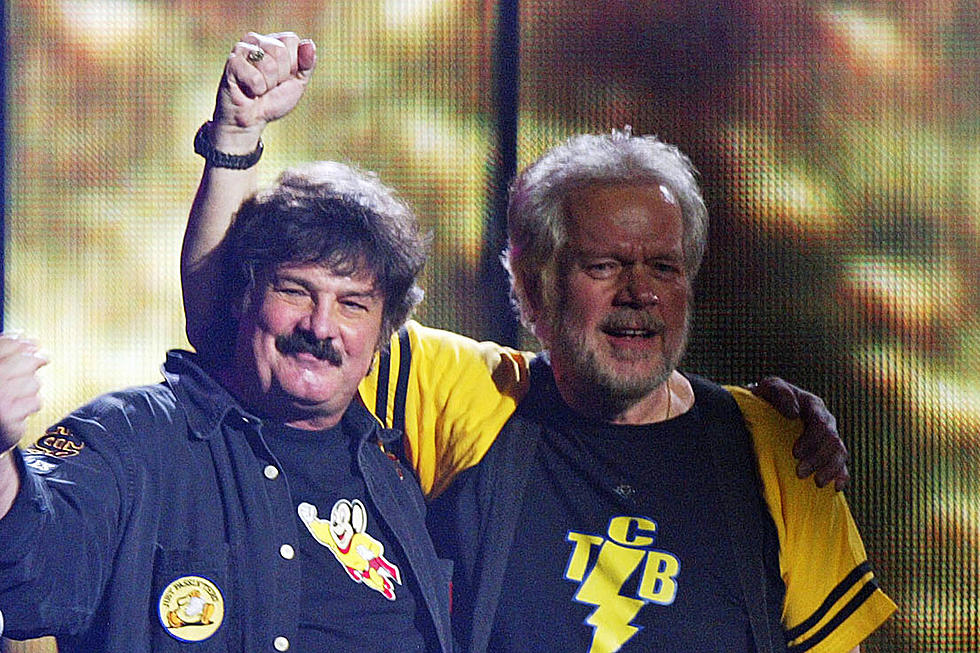
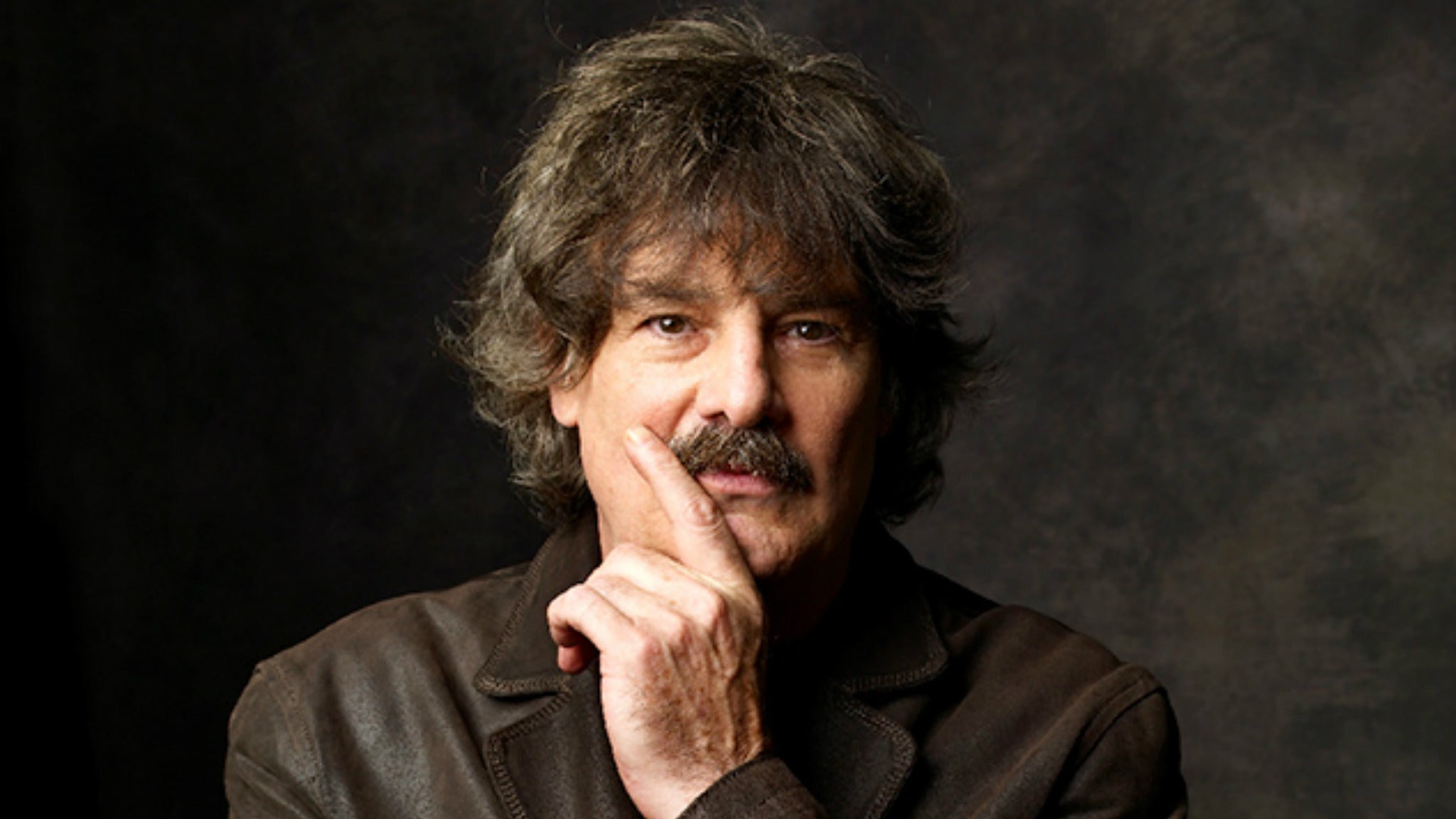
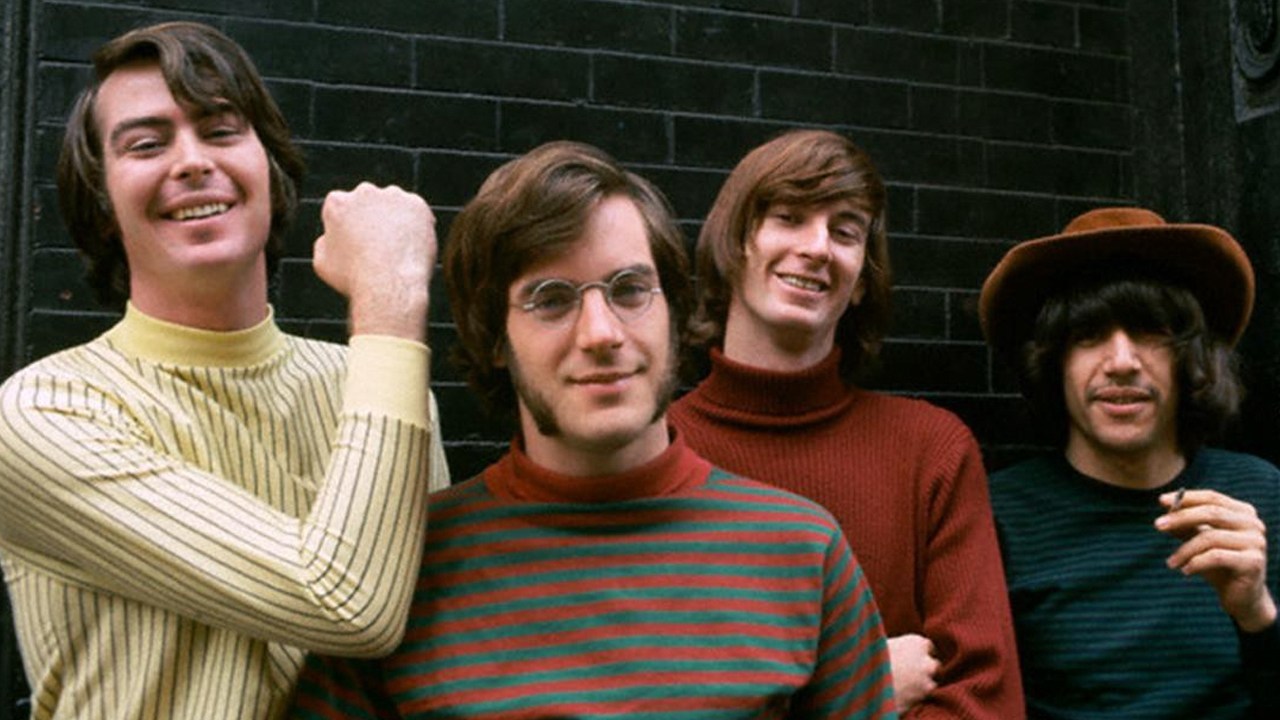
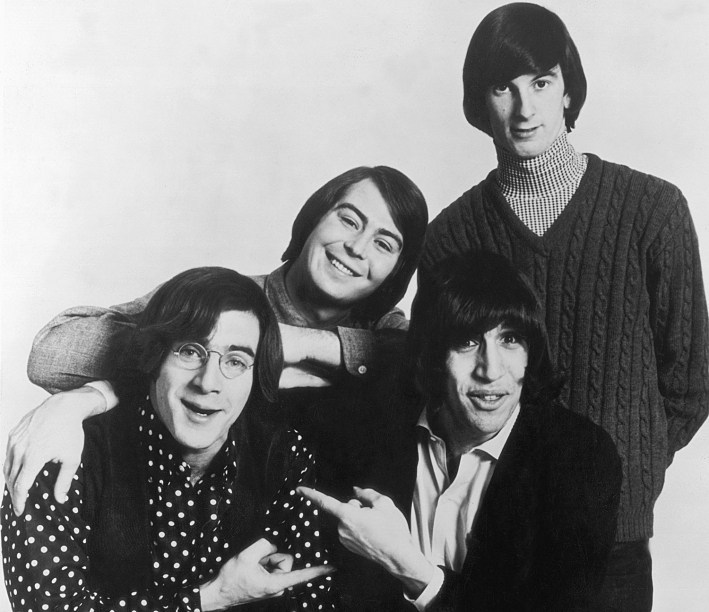
Vocalist/keyboardist Burton Cummings and guitarist Randy Bachman led the Canadian band The Guess Who to legend and lore by the late sixties. Personnel changes ensued, with Bachman leaving to form BTO, and Cummings pursued a solo career. The band, though, touched the skies during their heyday. Randy Bachman’s composing and guitar skills were instrumental. Cummings leaves a legacy as one of the greatest vocalists ever to walk the earth.
In closing…the development of the BTO hit You Ain’t Seen Nothin’ Yet deserves a read. Here.
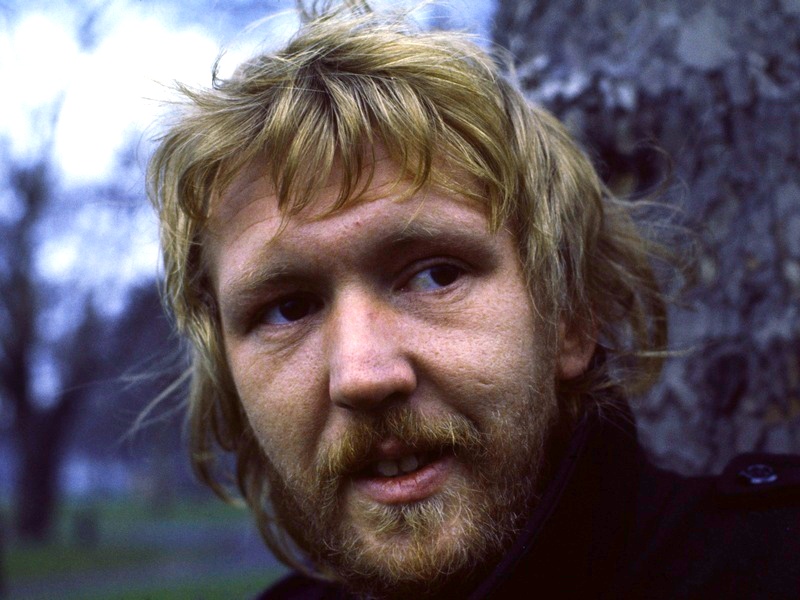
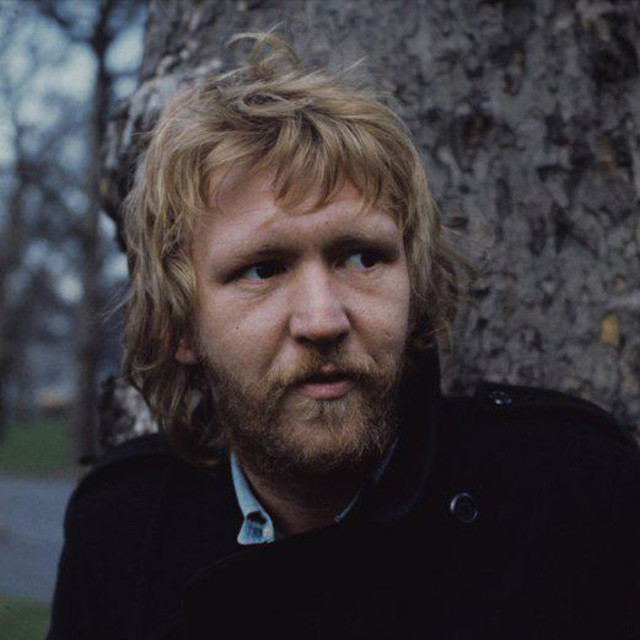
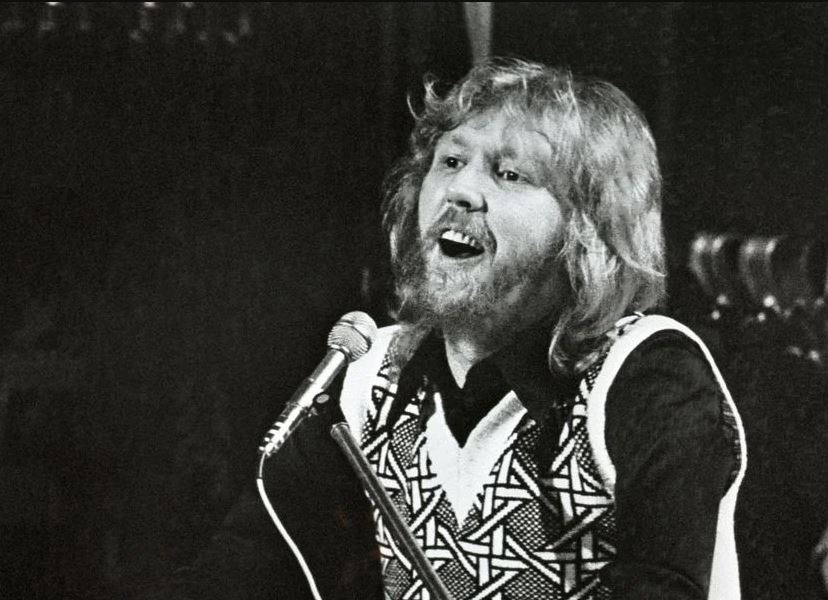
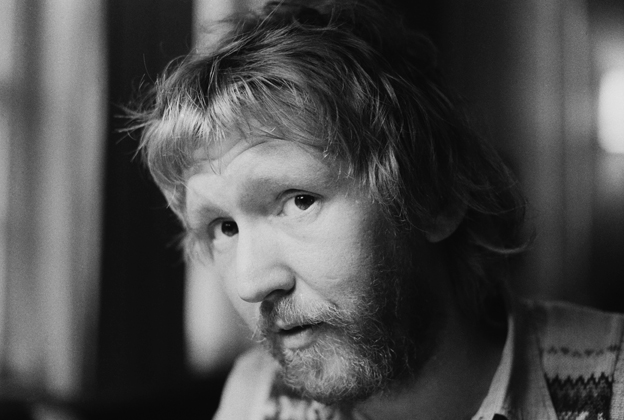
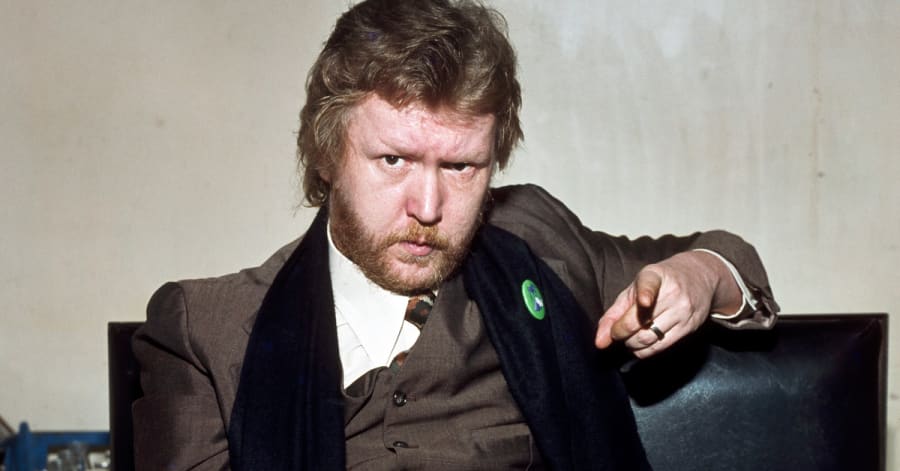
Mr. Harry Nilsson was unquestionably one of the premier songwriters of his generation. Witty, trenchant lyrics, frequently concerning isolation, accompanied wonderful melodies. When asked who his favourite American band was, John Lennon unhesitatingly replied “Nilsson”. As did Paul McCartney, for that matter.
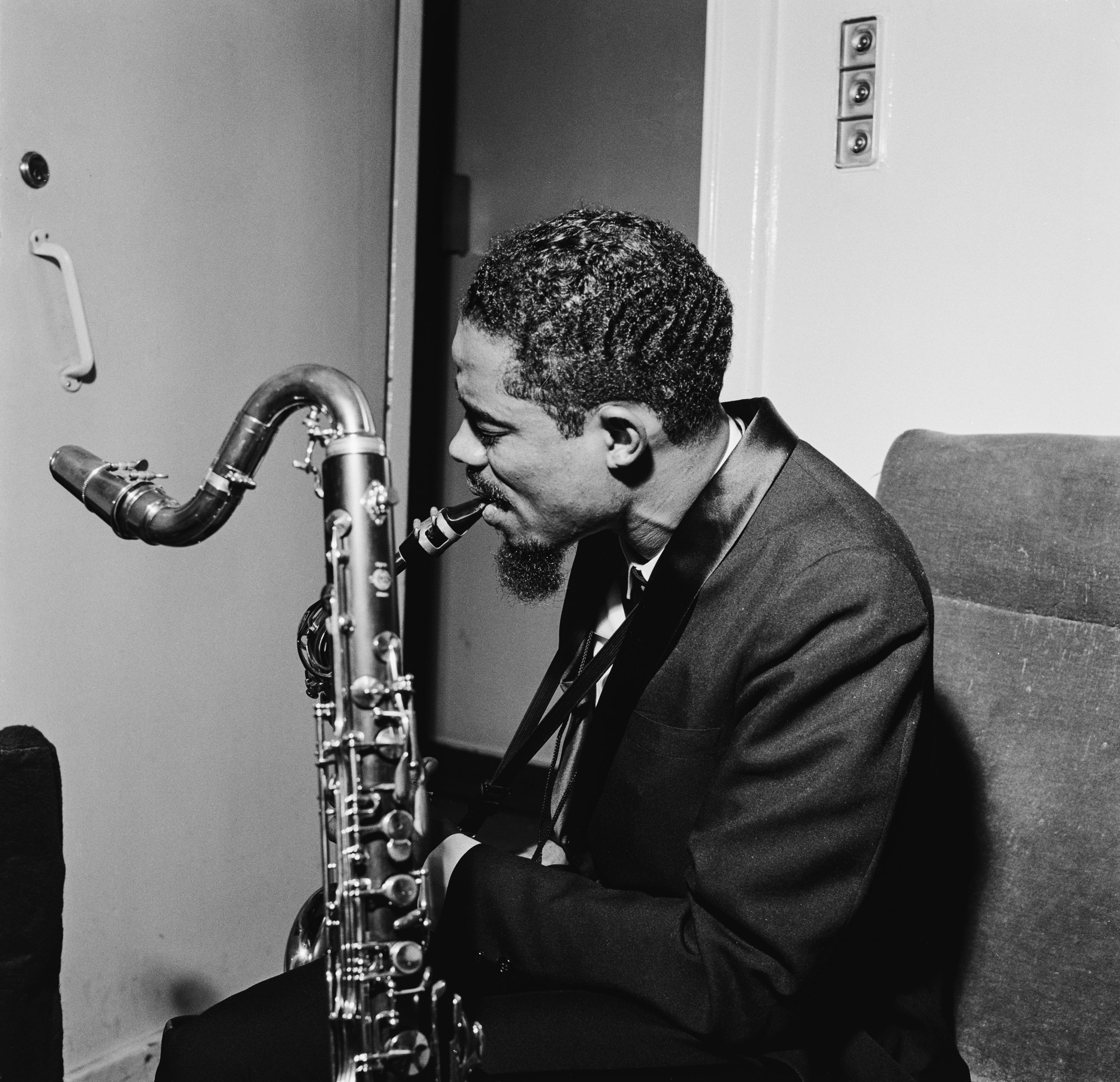
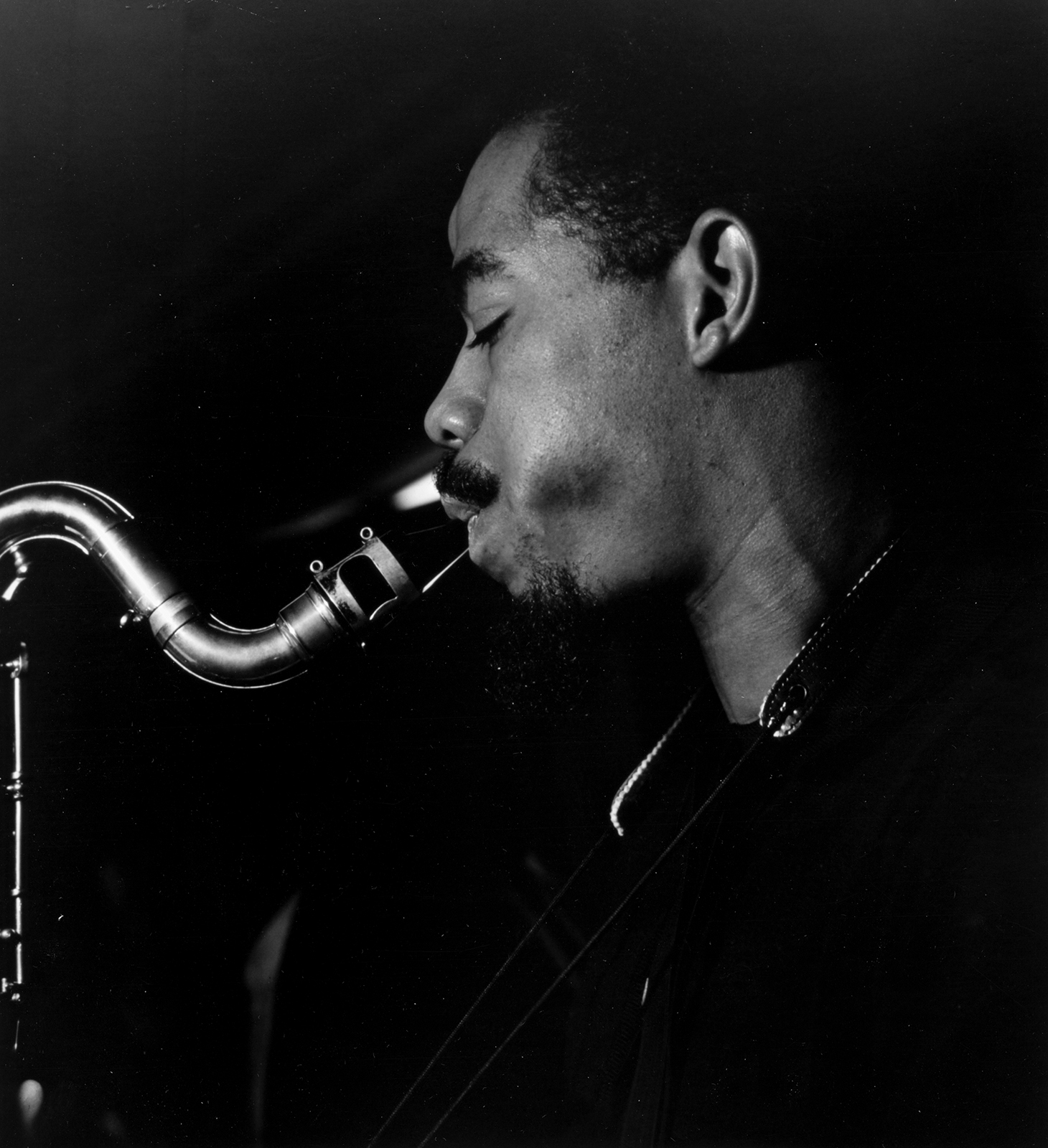
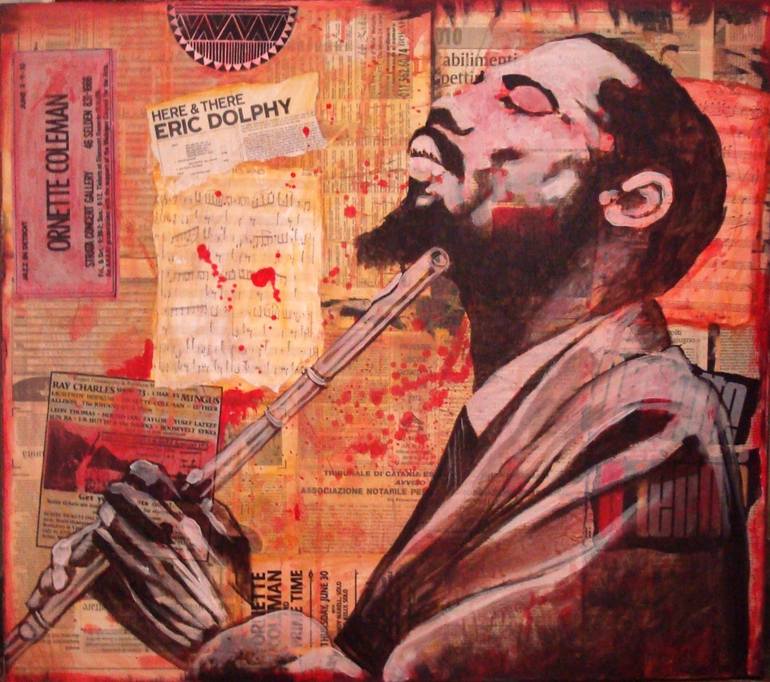
Eric Dolphy.
Eric was simply otherworldly in his approach, especially on bass clarinet and alto saxophone. A number of jazz titans held him near and dear, including Charles Mingus and John Coltrane, with whom some of his most stunning work was achieved. No one sounds remotely like Eric Dolphy. In his improvisations, he could be intensely intimate and tender, or utterly explosive and groundbreaking, or both, often in rapid succession.
Upon hearing of Eric’s death, at 36, Mingus said:
” Usually, when a man dies, you remember—or you say you remember—only the good things about him. With Eric, that’s all you could remember. I don’t remember any drags he did to anybody. The man was absolutely without a need to hurt.”
Dolphy’s shocking death came shortly before the release of his masterpiece, Out to Lunch. He was very interested in playing in Albert Ayler’s group, and was even preparing to play with Cecil Taylor.