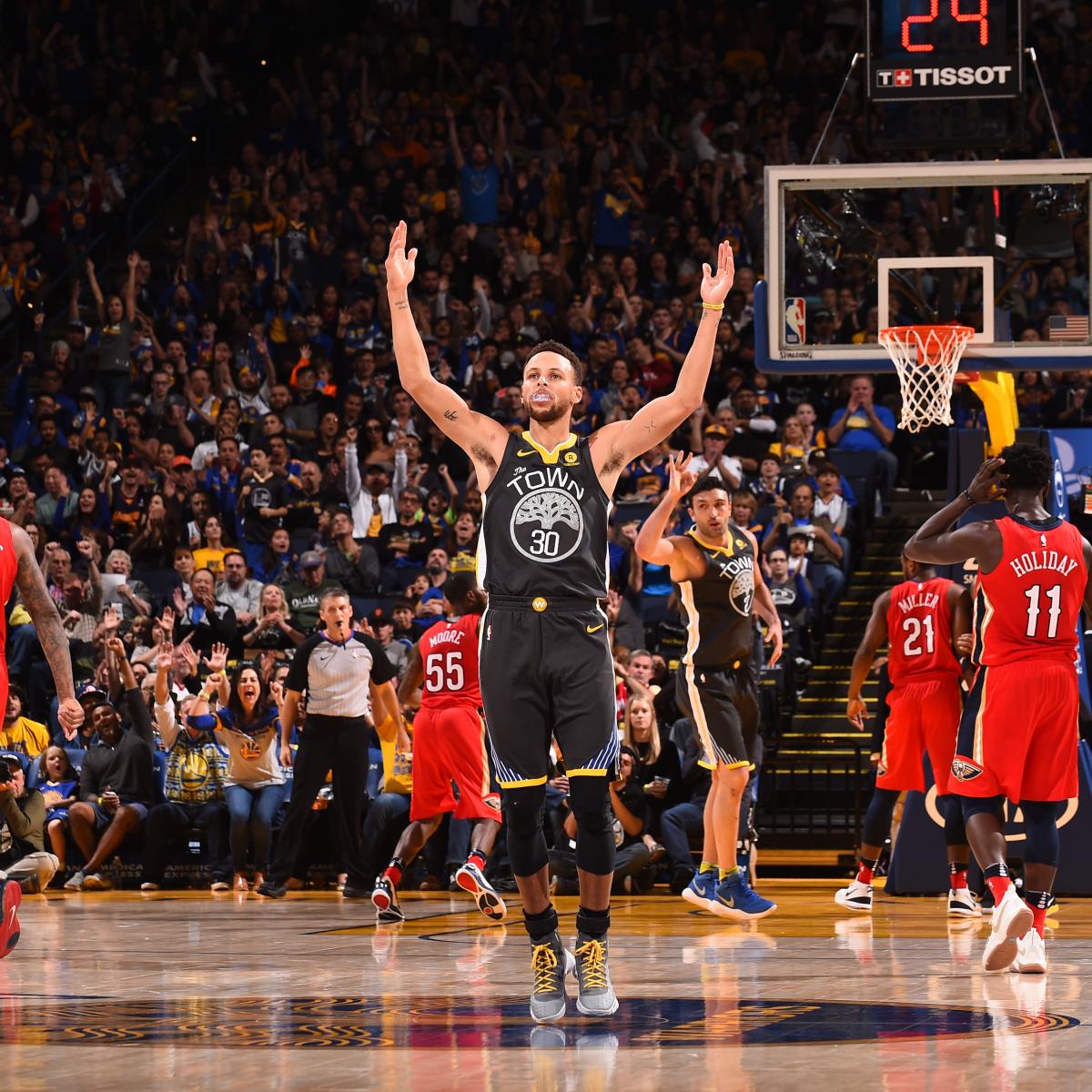
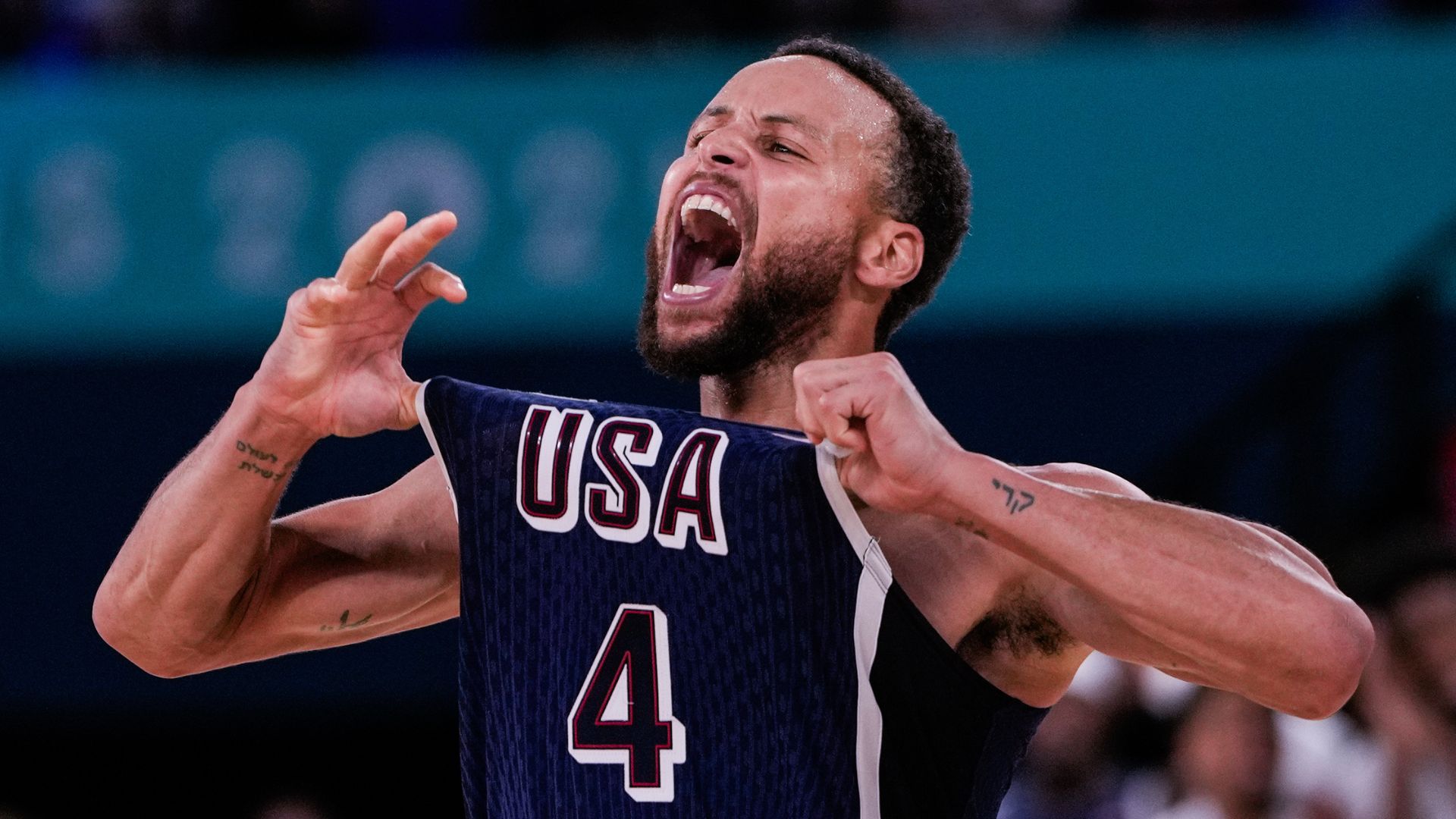
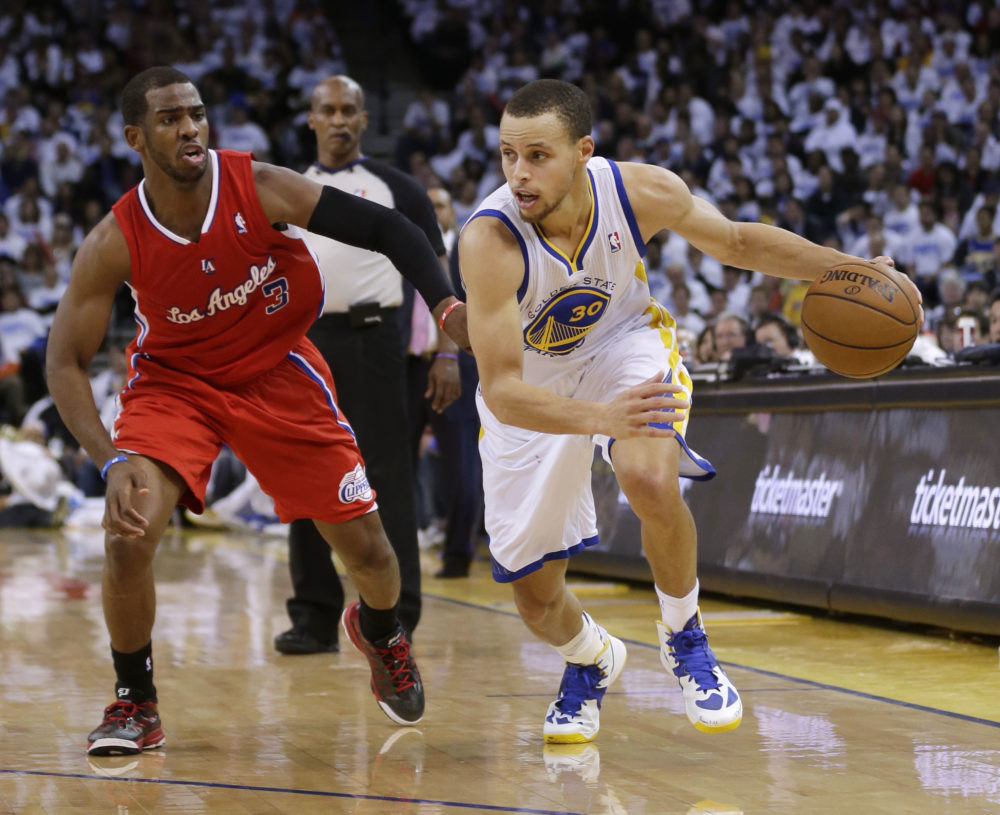
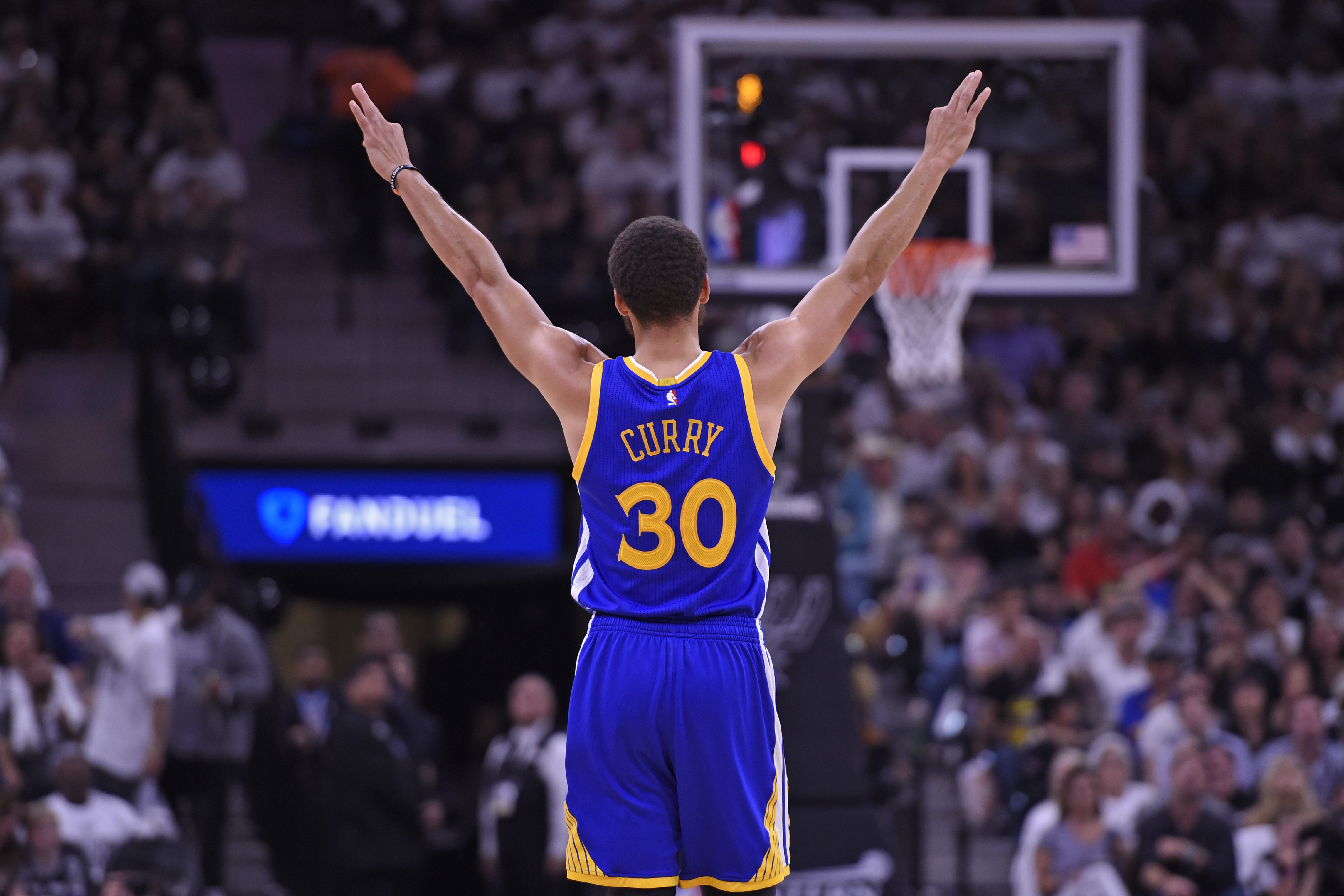
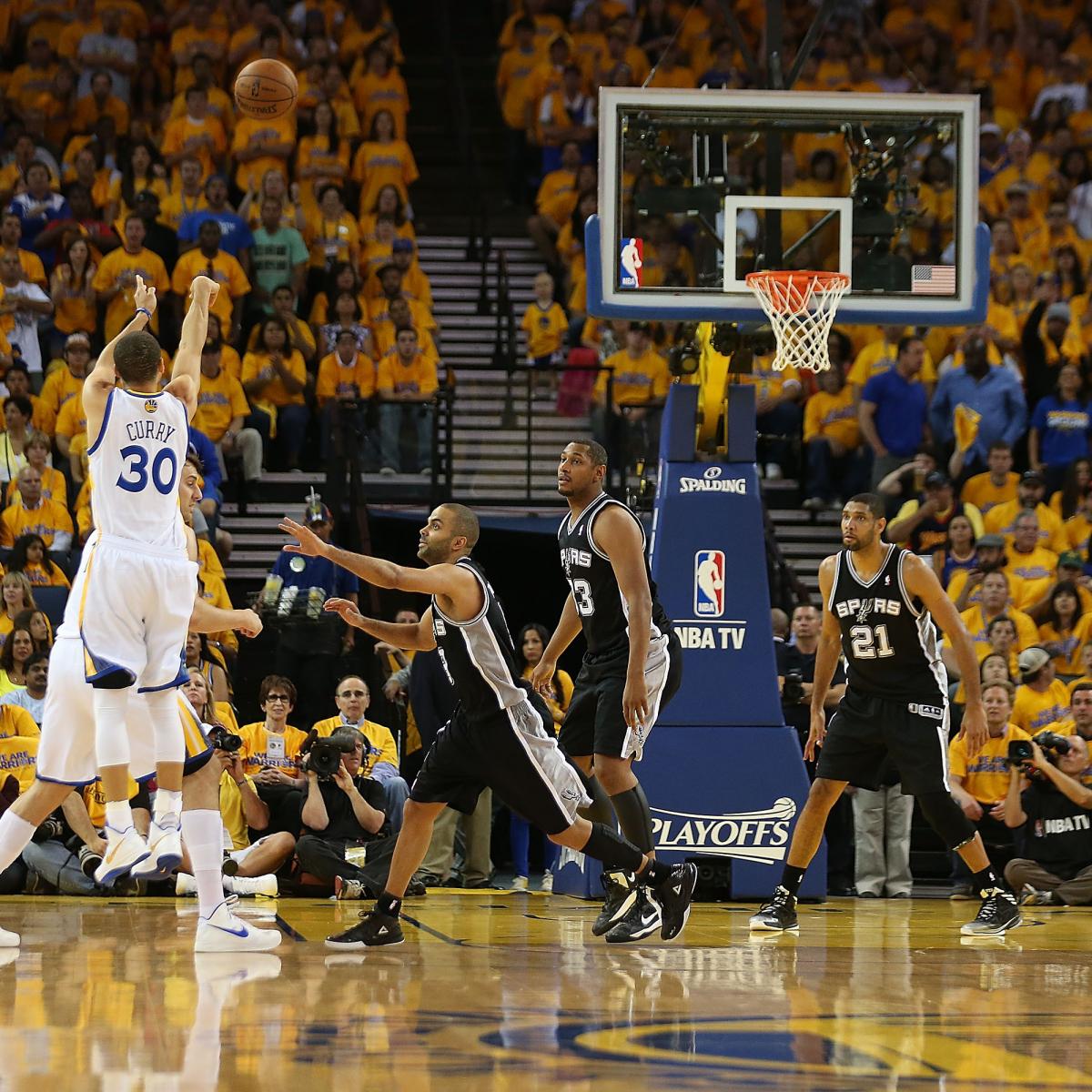
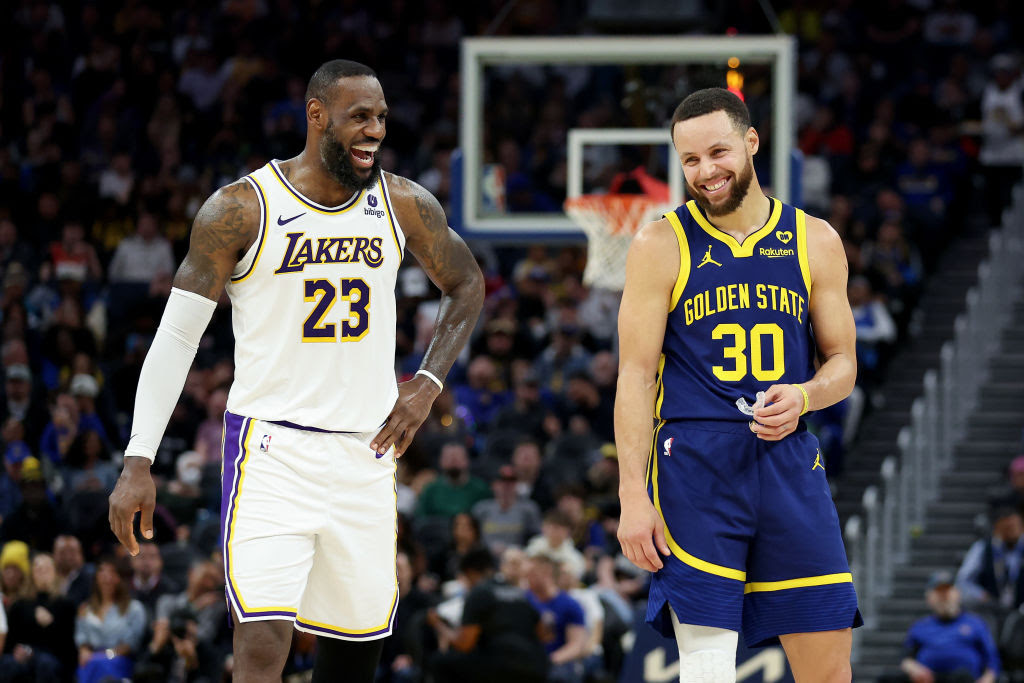
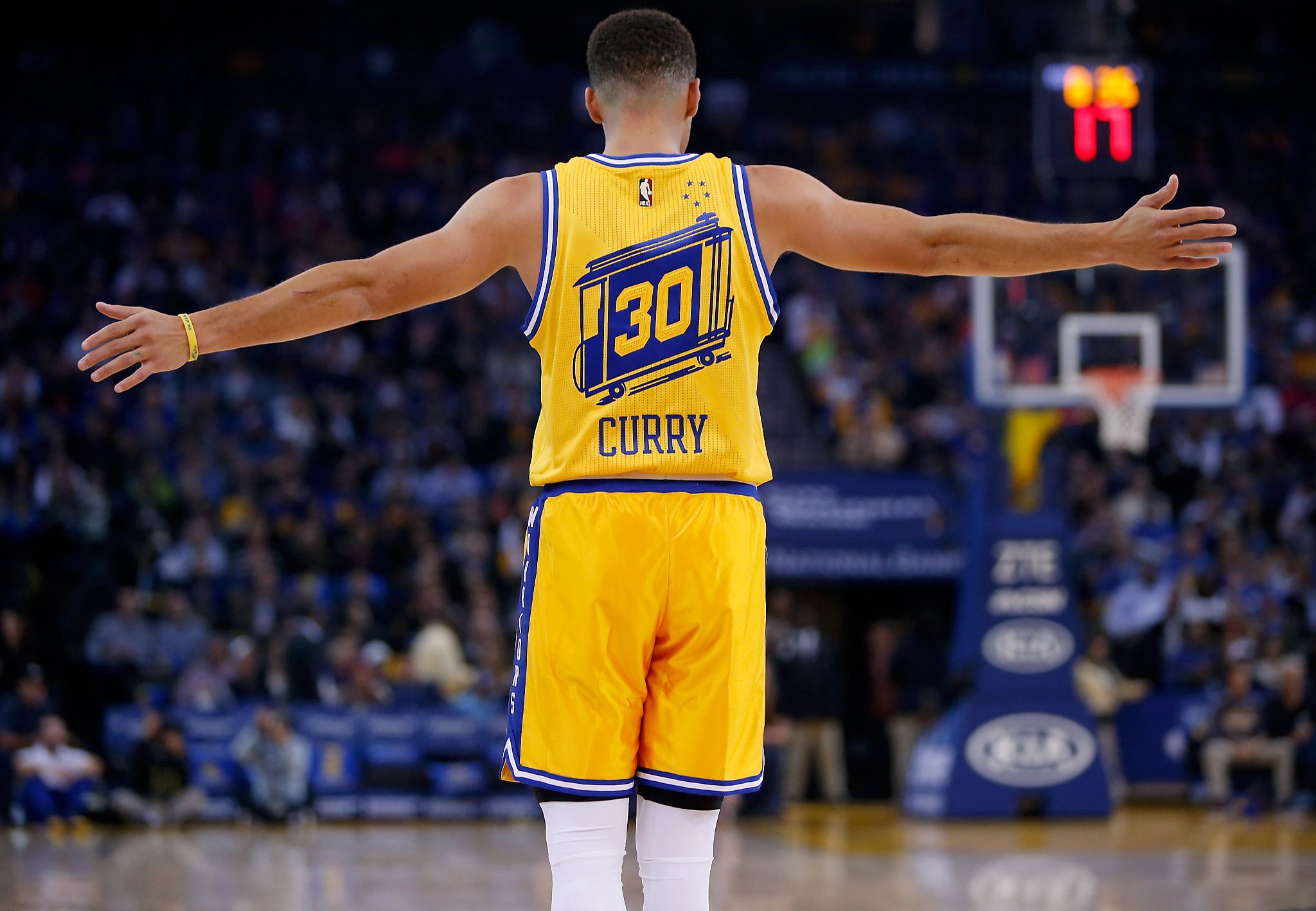
The inimitable magic of StephCurry, which for him is a mere bagatelle. Curry is without a doubt one of the greatest long range shooters ever, possesses magical ball handling skills, is an electric passer, and is an über-inventive, potent scorer from anywhere on the court. The 2 time league MVP holds a number of NBA records, including highest free throw percentage for a career, most points in an overtime period, most 3 point shots made in a season…the list goes on. Steph is the only player ever to lead the league in scoring while achieving the 50-40-90 shooting trifecta. The 6’3″ guard has revolutionized the way the game is played, and is a joy to watch.
Update: On the evening of December 14, 2021, Curry broke the career record for made 3-pointers, eclipsing Ray Allen’s mark of 2,973.
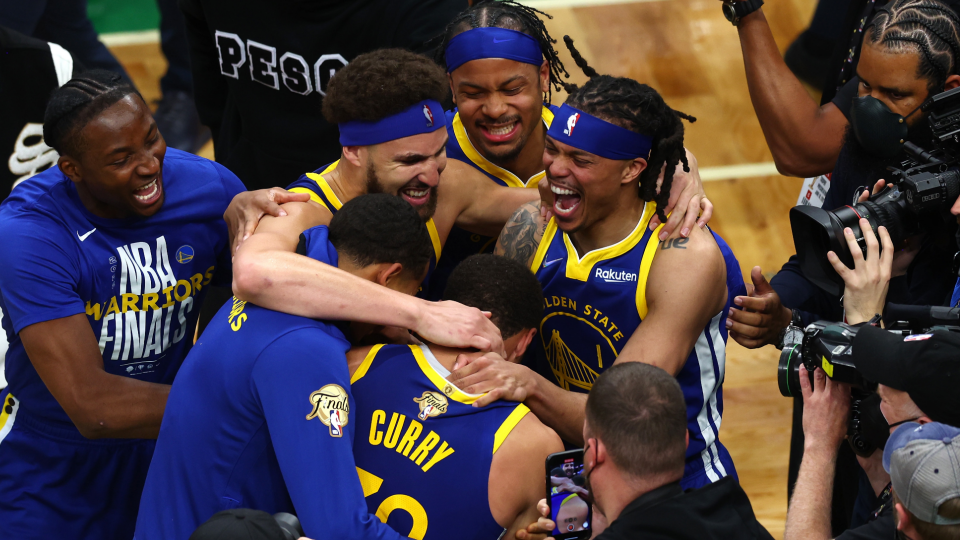
Update II: On June 16, 2022, Steph led the Warriors to their 4th championship during his tenure. He received the Finals MVP for his brilliant, courageous, iconic performances.
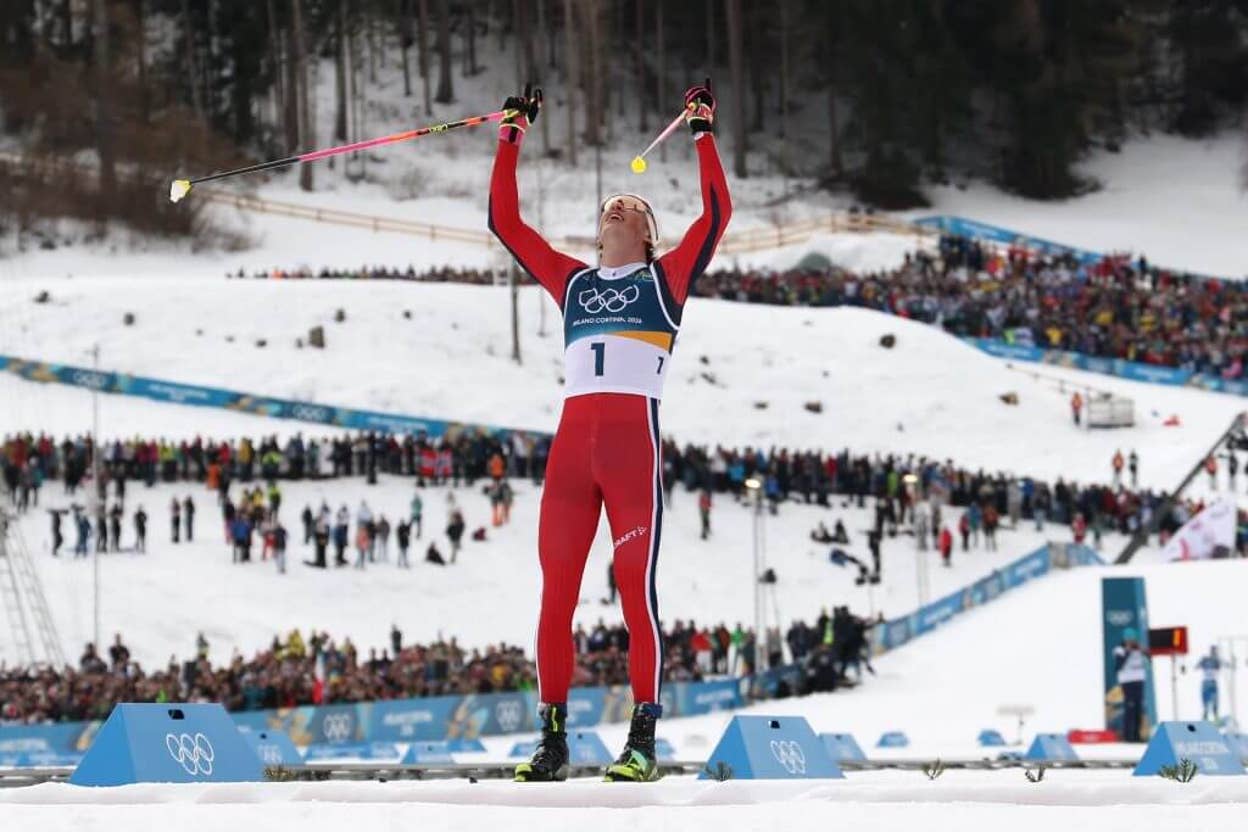
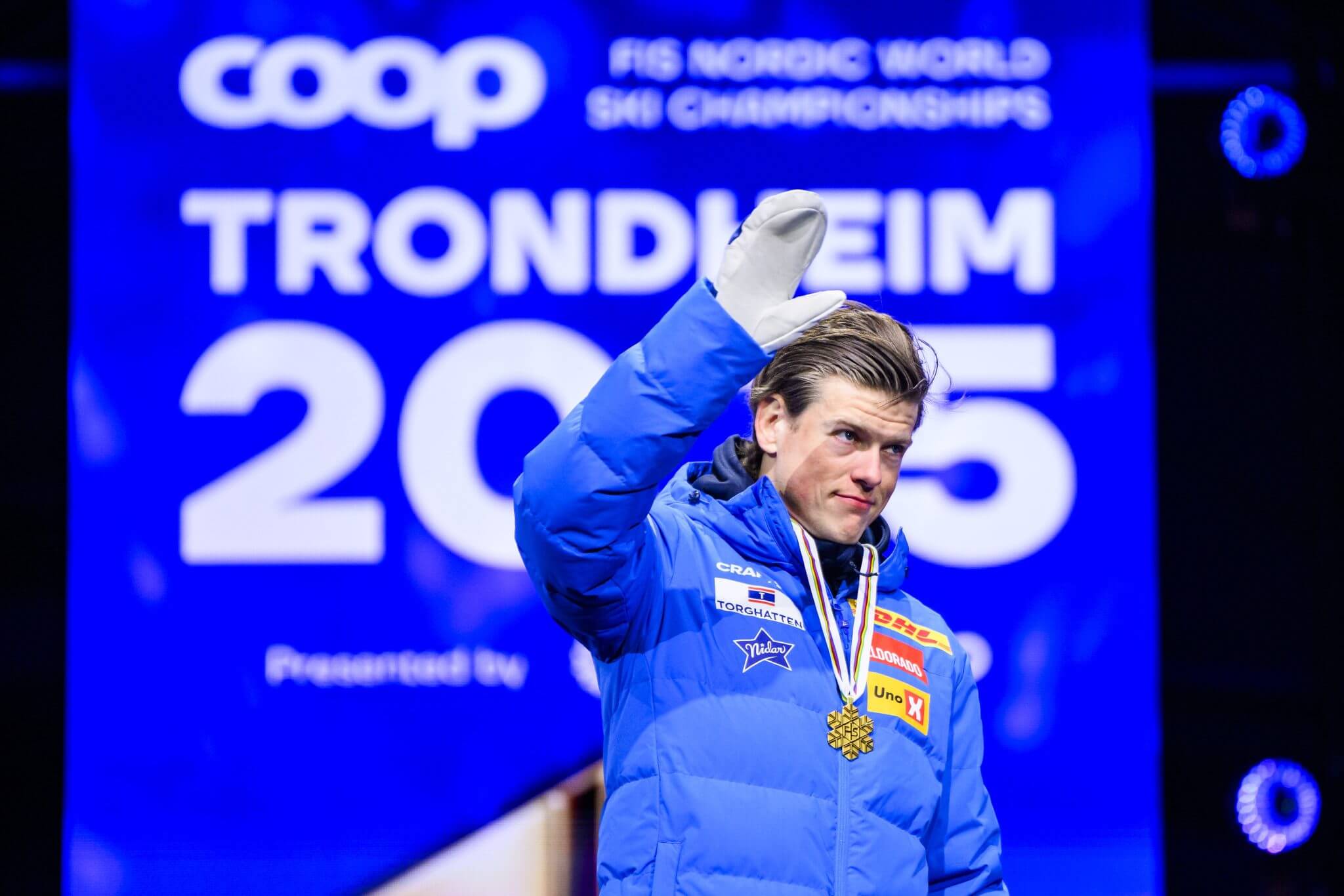
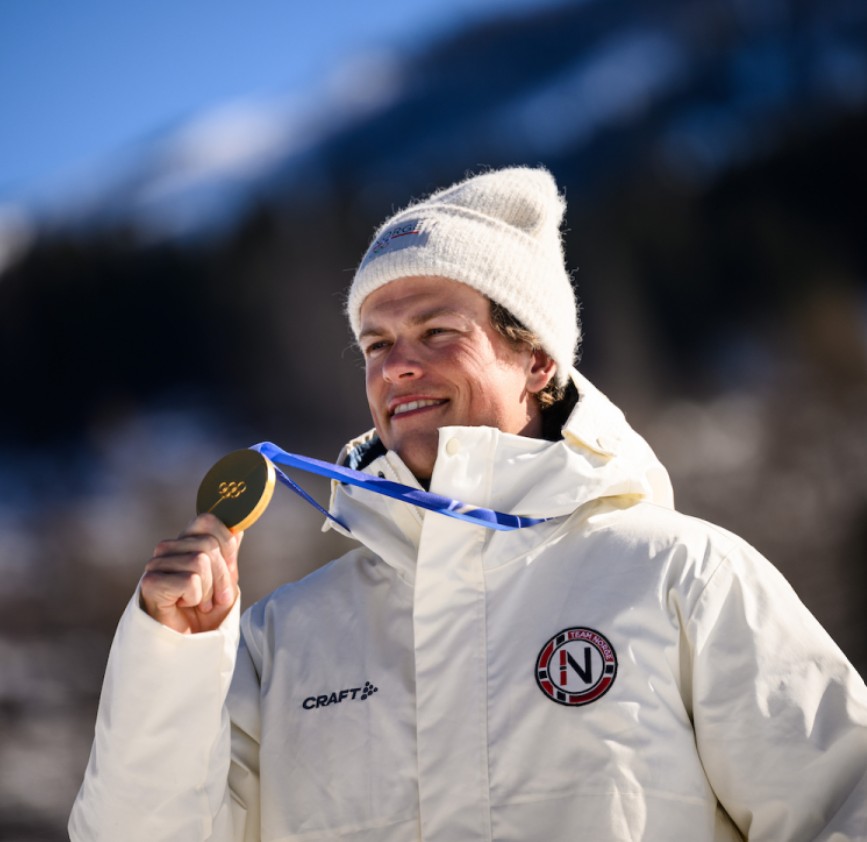
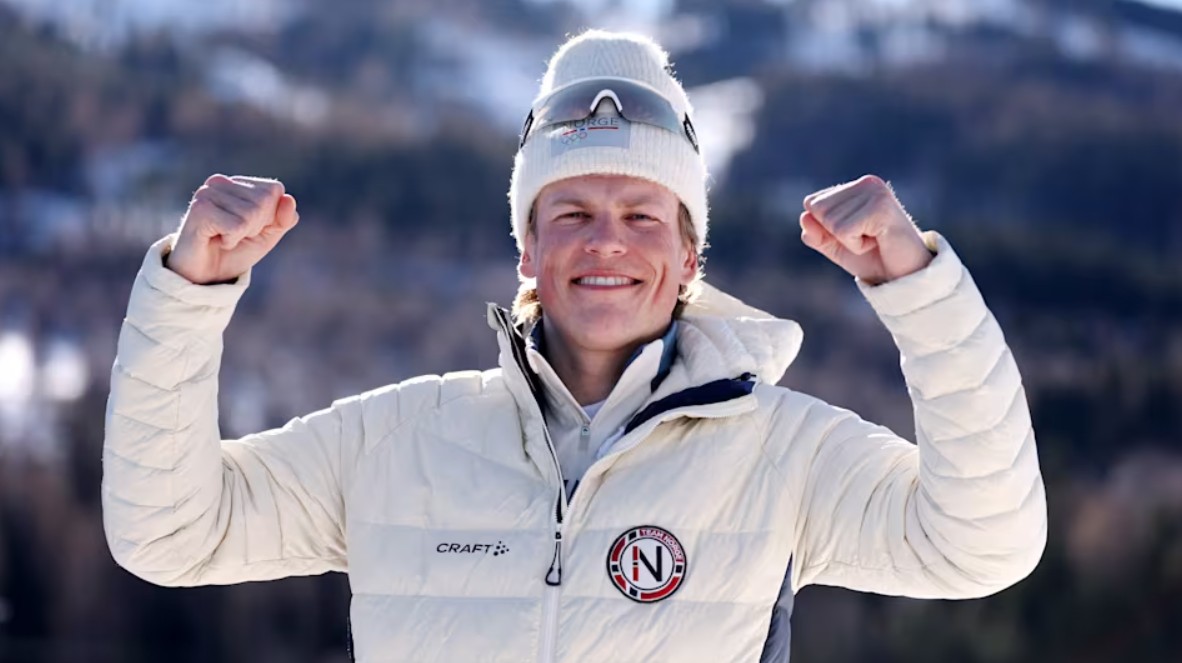
Cross country skiing has never quite seen anything like Johannes Høsflot Klæbo. With a clean sweep of the 6 Olympic competitions in 2026—from the Sprint to the 50K, incredibly—he backed up the same achievement from the 2025 World Championships. Unprecedented. He currently holds the record for most gold medals in both the Worlds *and* the Olympics. His finishing kick is a wonder to behold, and has become iconic. To witness the Klaebo kick at the end of a long, grueling race is to see something truly extraordinary and unique. It is as if he is not merely sprinting, but galloping. And doing it in perhaps the most physically demanding of Winter sports. What a champion!
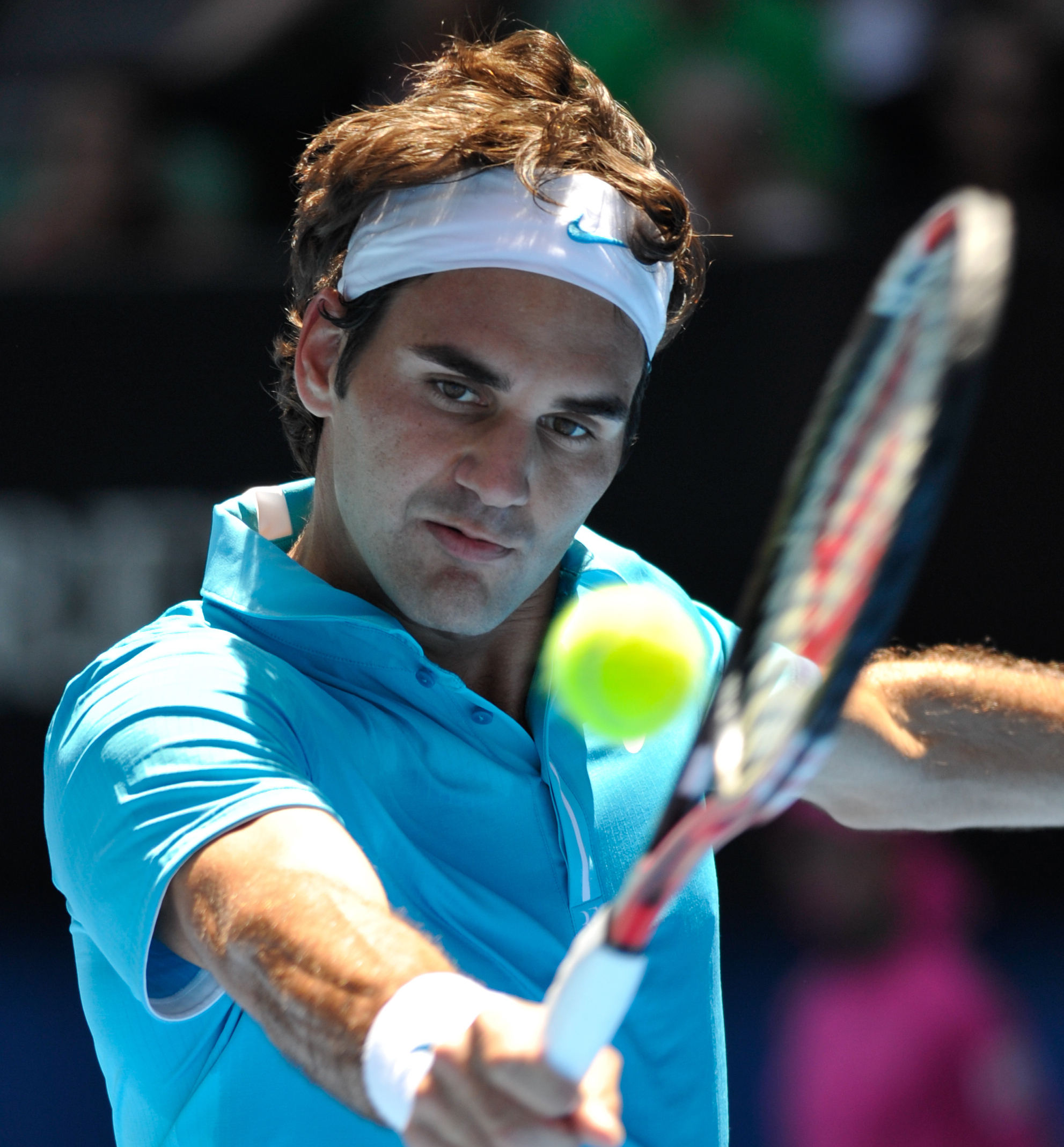
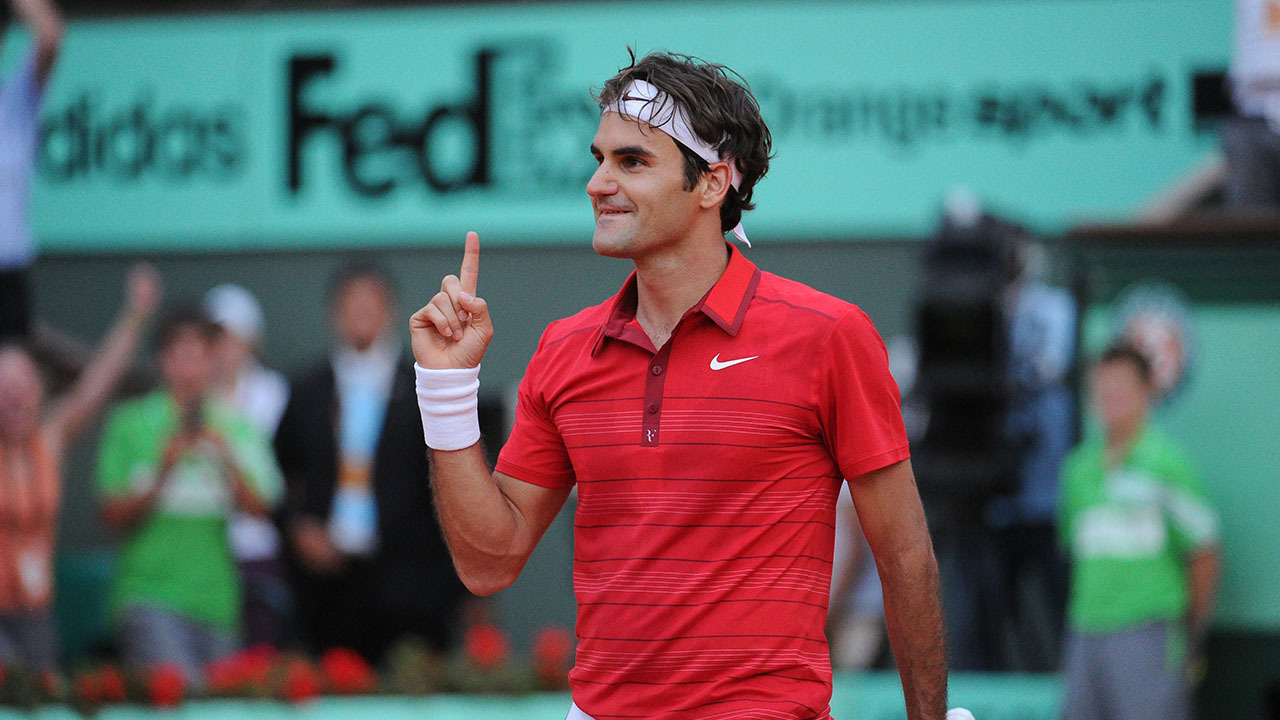
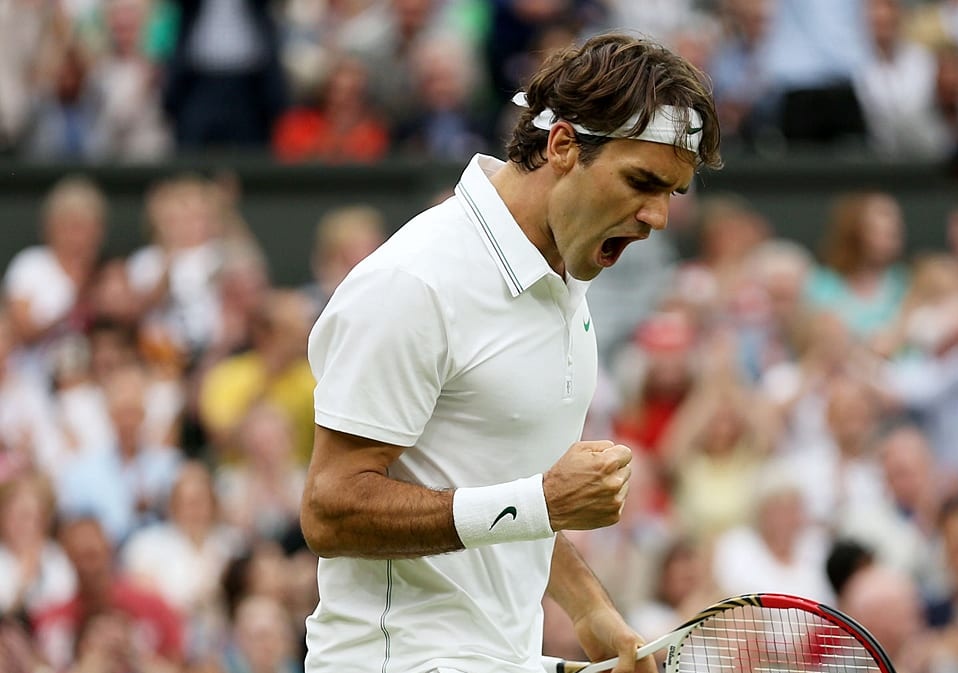
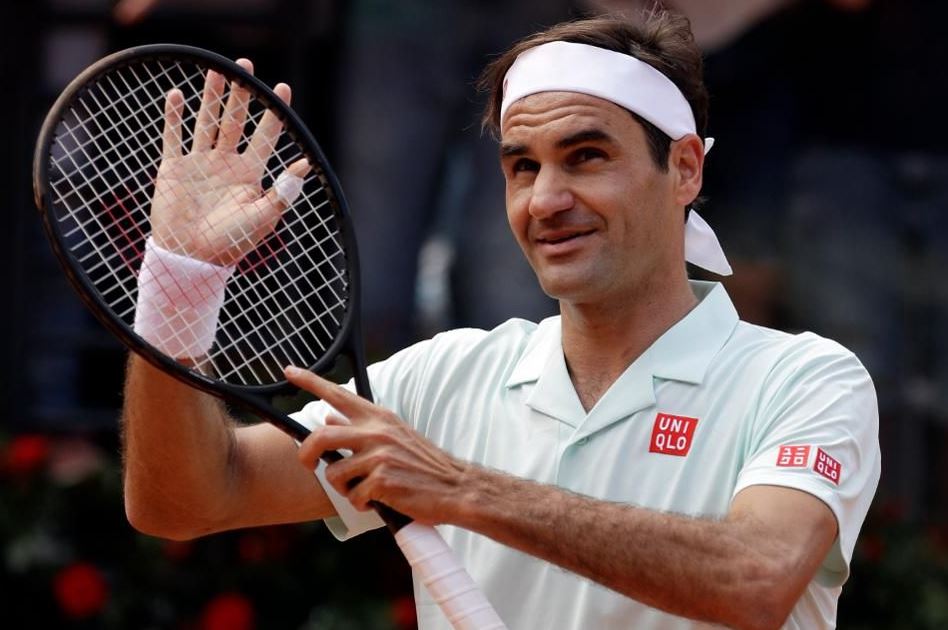
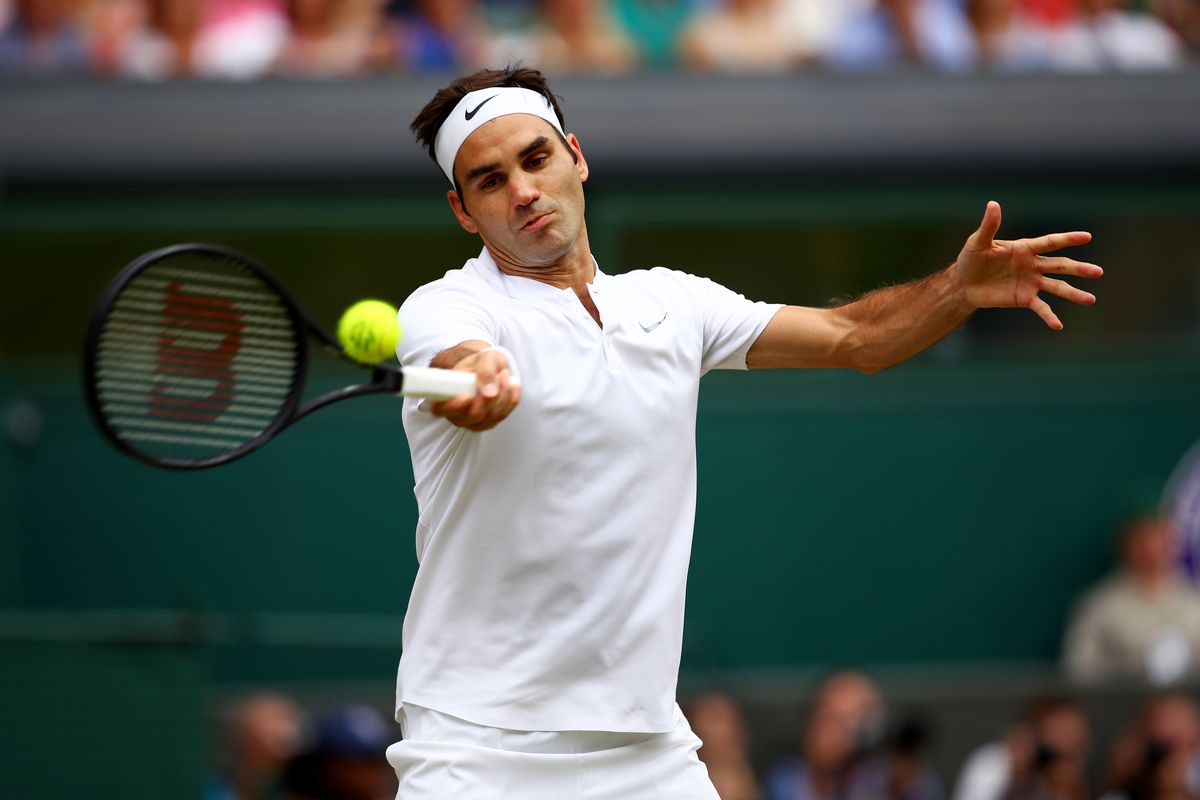
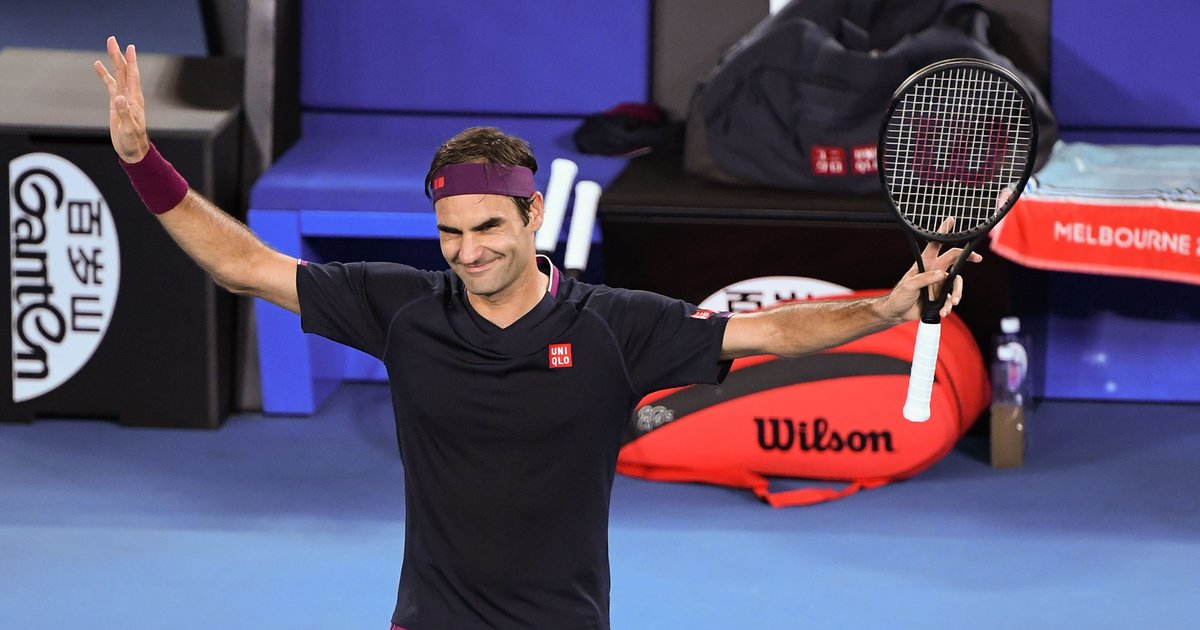
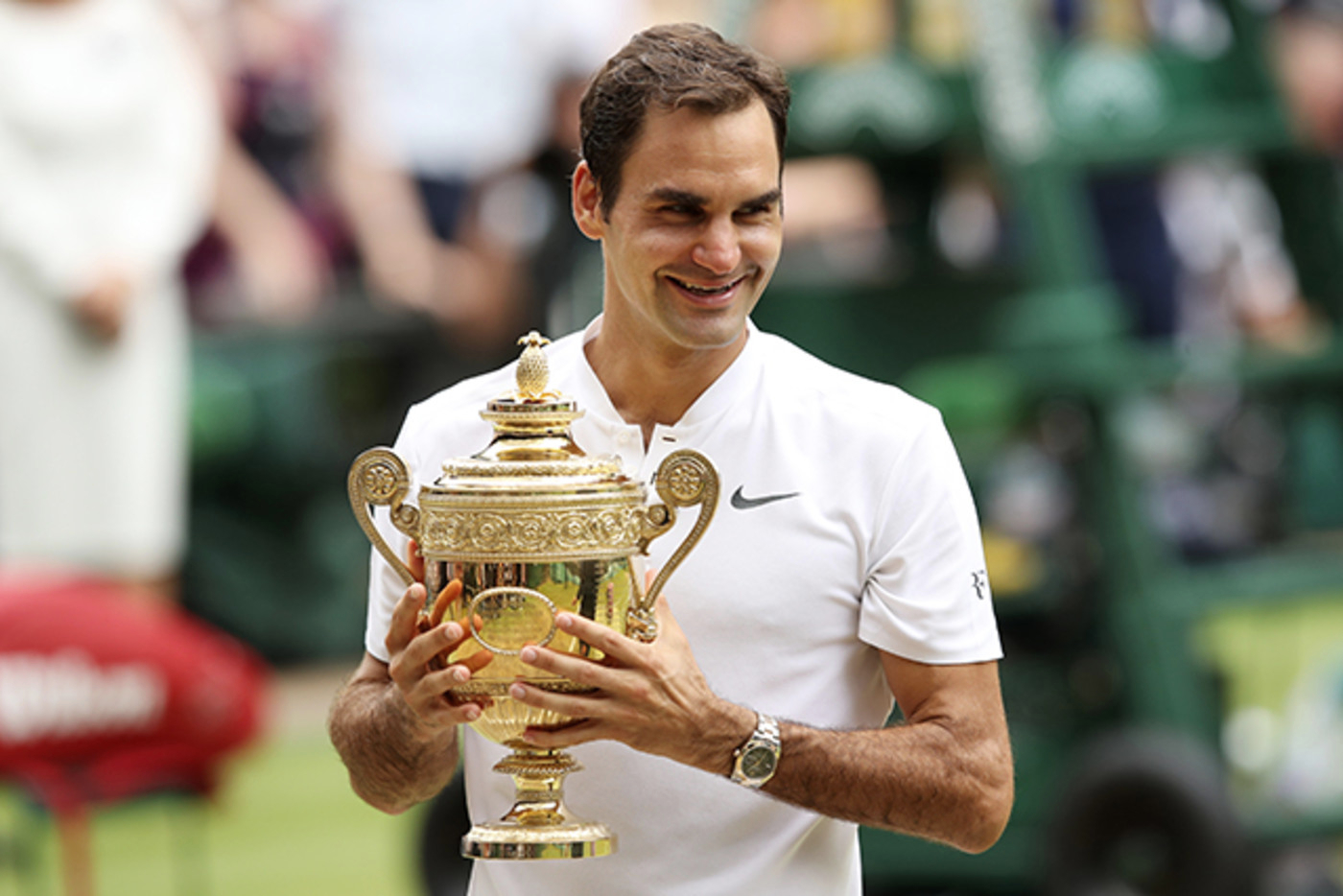
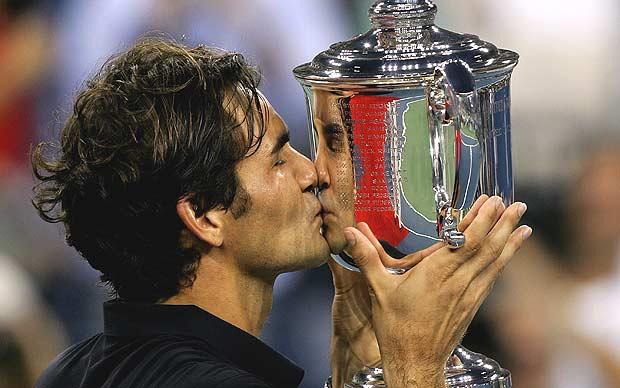
This masterful, stylish, dominant Swiss athlete, Roger Federer, has achieved such towering heights, in tennis, that he is generally considered the sport’s greatest ever practitioner. He has given many, many thrills over the years…with his nonpareil artistry and creativity; his indomitable will; his uncanny proclivity to produce his best when it matters most, when so many others wilt. Always so aware, so ready to seize command of the point. There’s just an extra gear/dimension to his game we’ve not seen before. An undeniable sense of synergy pervades his shotmaking. He has a unique way of taking time away from his opponent with his feet and timing. Winners from every court position flow from his racquet. His touch is exquisite. At his best, Roger’s game was—and, is—nothing short of poetry, the poetry of a genius…a slightly mad one, at that.
I’ll always recall my first viewing, against American Andy Roddick, in the 2003 Wimbledon semi-finals. His preternatural grace and *feel* for the game I simply found astonishing. Magical. When Federer closed out the second set with, really, something no one had seen—a running, forehand half-volley {usually a defensive shot} utterly whipped into the corner for an uncontested winner—both men had to smile. Commentator John McEnroe, quite capable of producing his *own* magic with a racket, was incredulous. “That’s not possible.”
On a personal note, I was fortunate enough to partake of the Great Man at very close quarters; a practice session. Being at such proximity to Mr. Federer would have to be included in one’s rather intimately scaled coterie of “Religious Experiences”. Plus, he also rather casually did something impossible. He’s like that.
The grace also masked an assassin-like ruthlessness that could torture opponents. Nick Kyrgios, the temperamental Australian star, has said that Federer is the only player who has ever made him feel like he really did not know what he was doing on a tennis court.
From the great Rafael Nadal, on his immortal rival: “If he is playing very good, I have to play unbelievable. If not, it’s impossible, especially if he’s playing with good confidence. When he’s 100 per cent, he’s playing in another league. It’s impossible to stop him.”
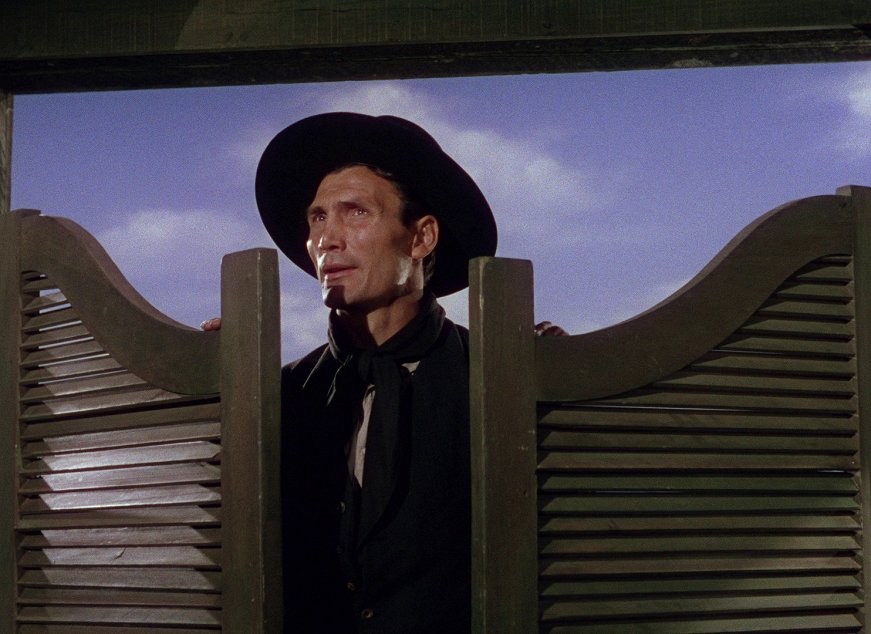
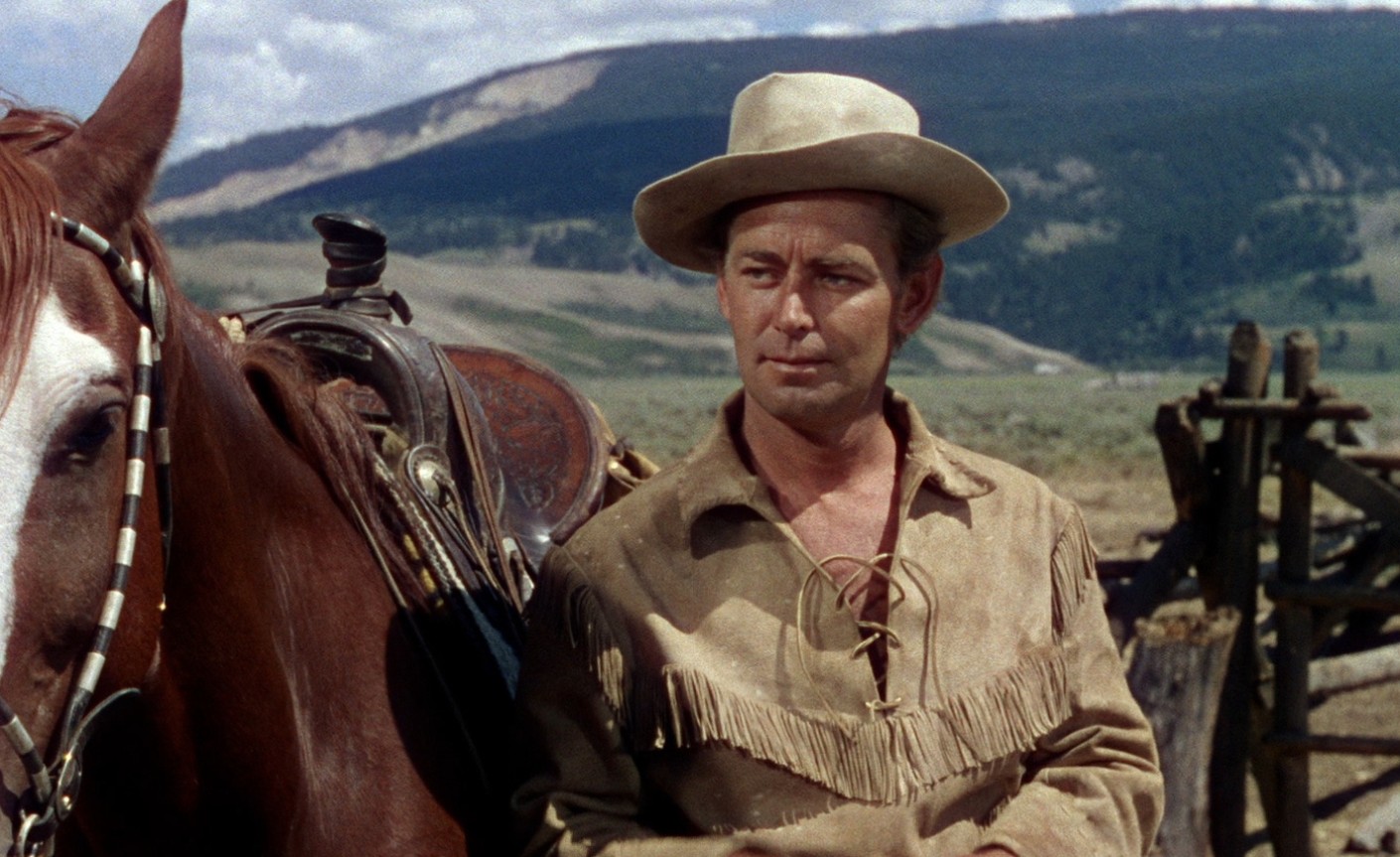
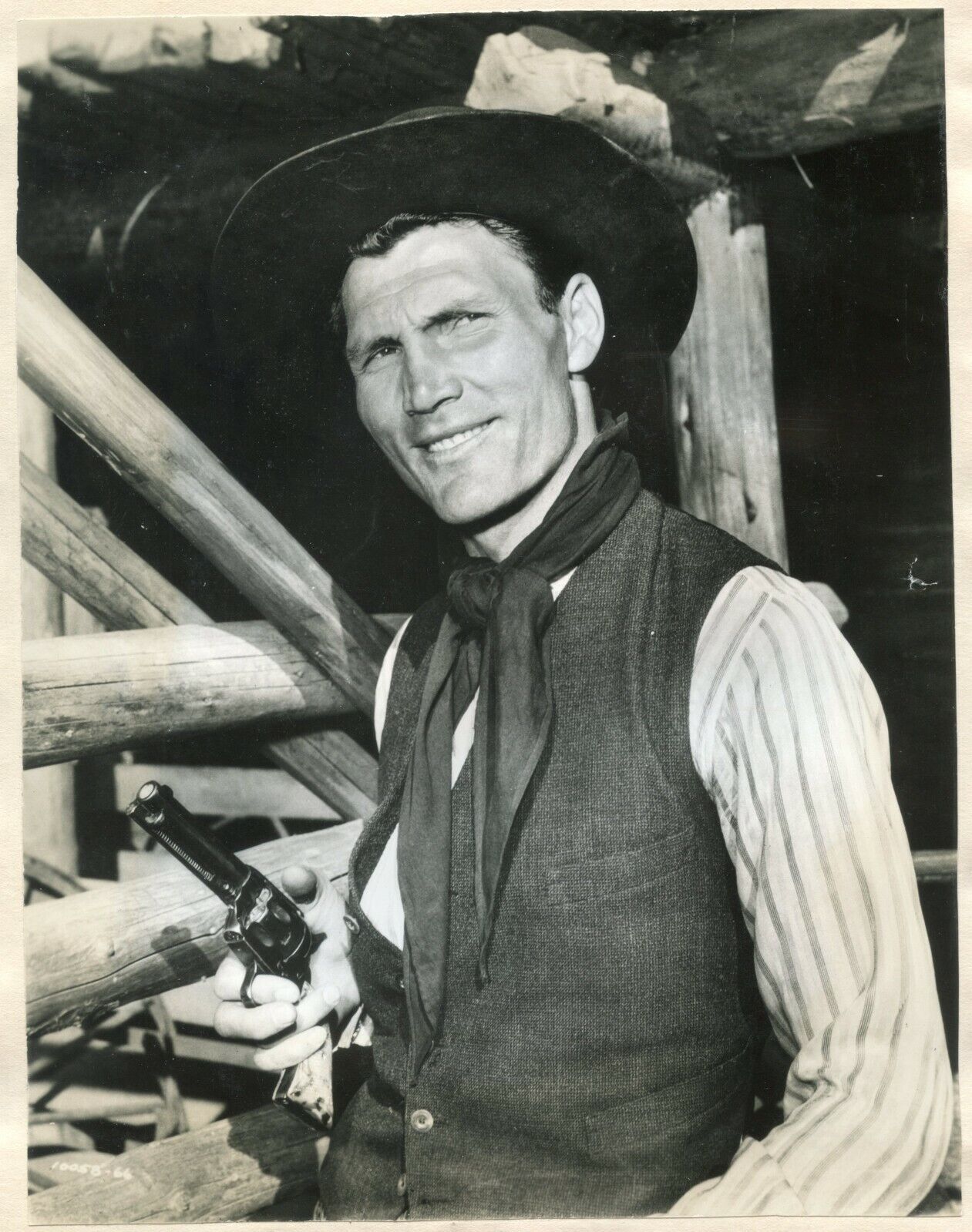
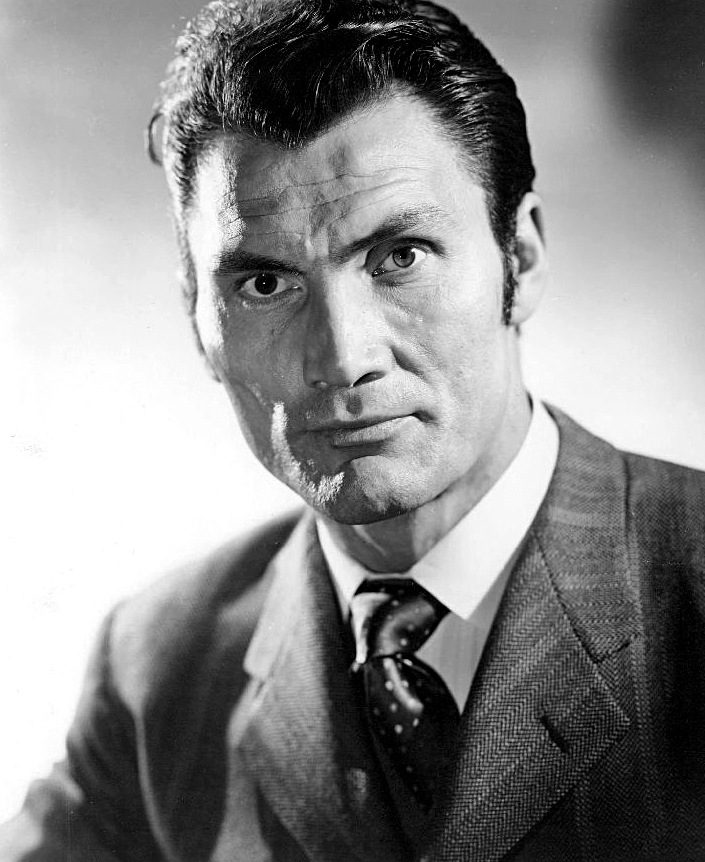
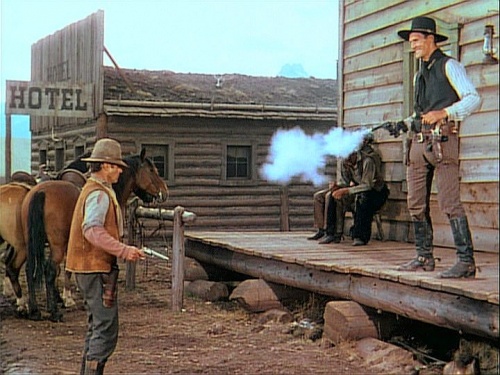
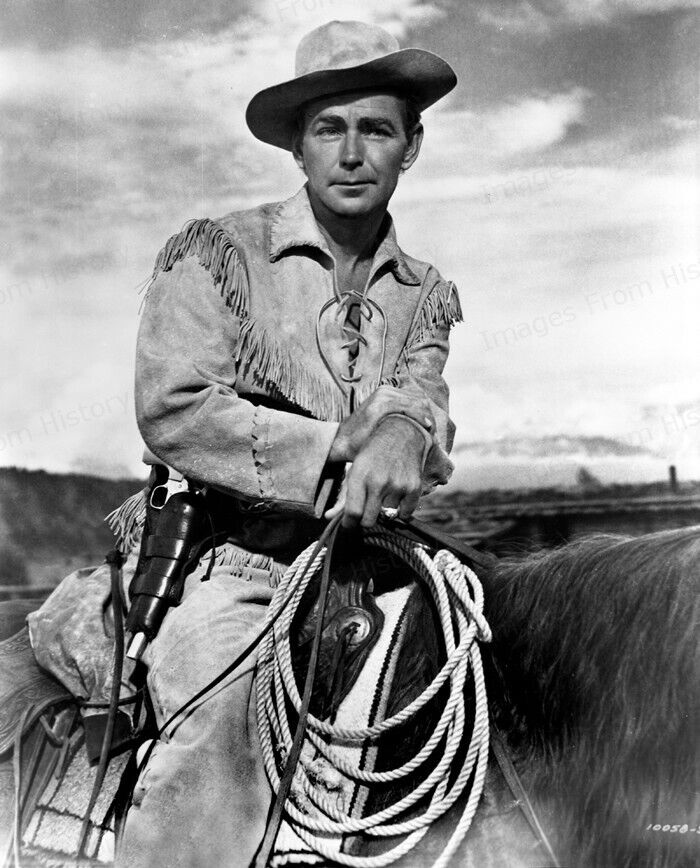
Dramatic moments abound in this iconic 1953 Western, directed by George Stevens. Certain scenes unfold almost ritualistically, as if pre-destined and inevitable. Alan Ladd, Jack Palance, and many others provide memorable performances.
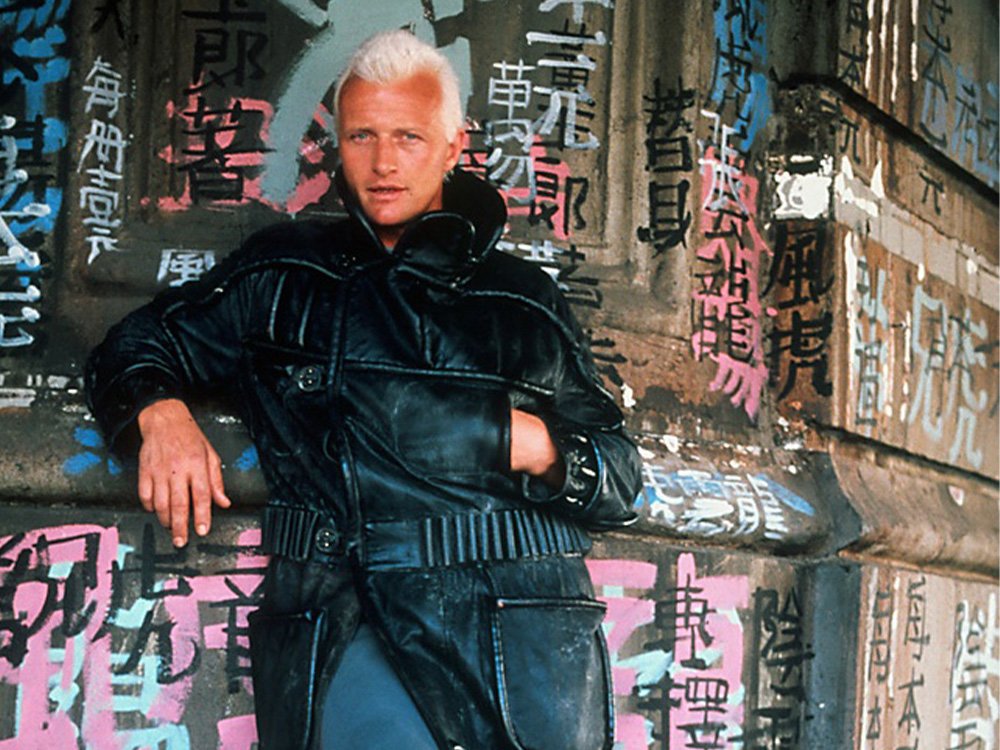
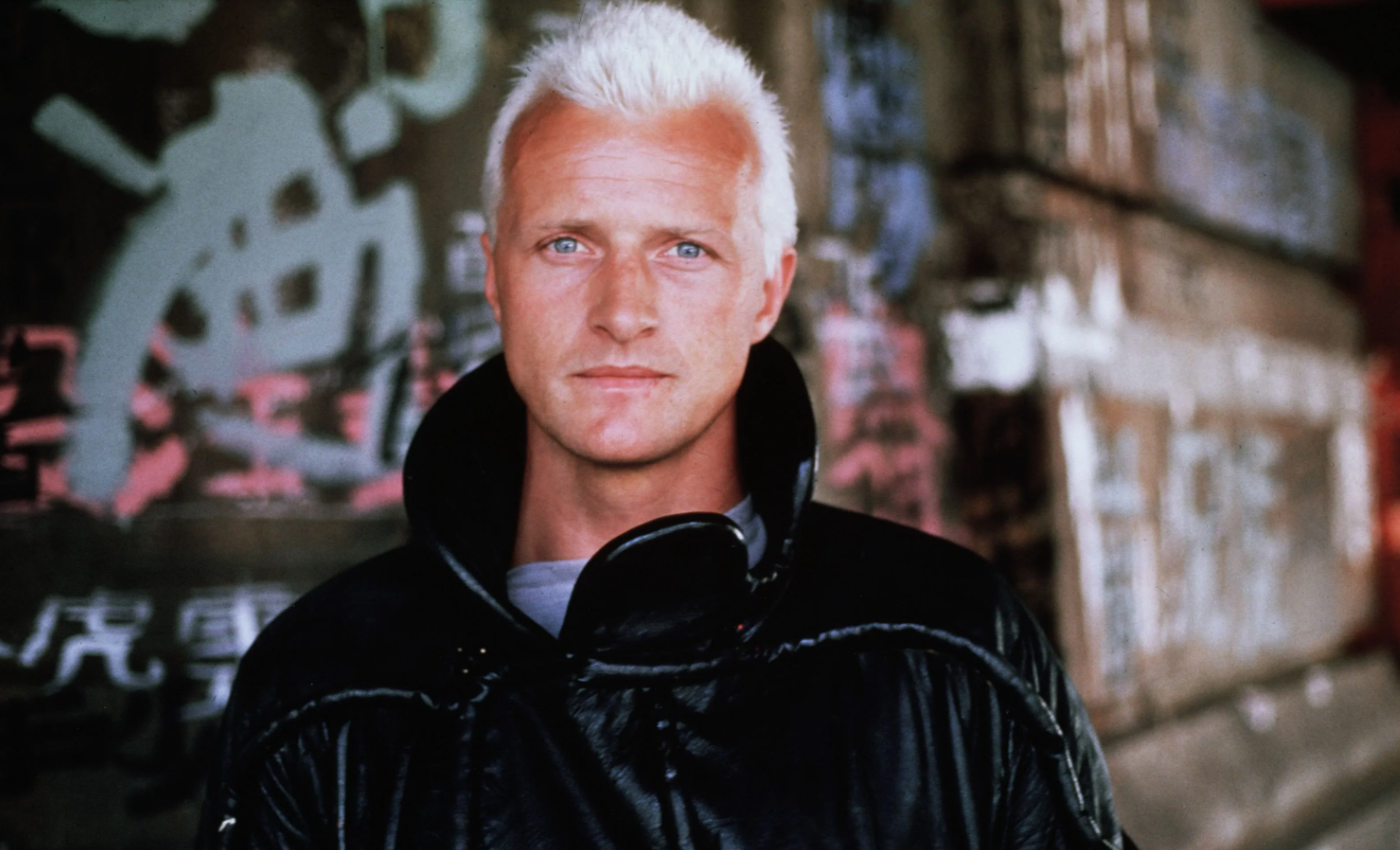
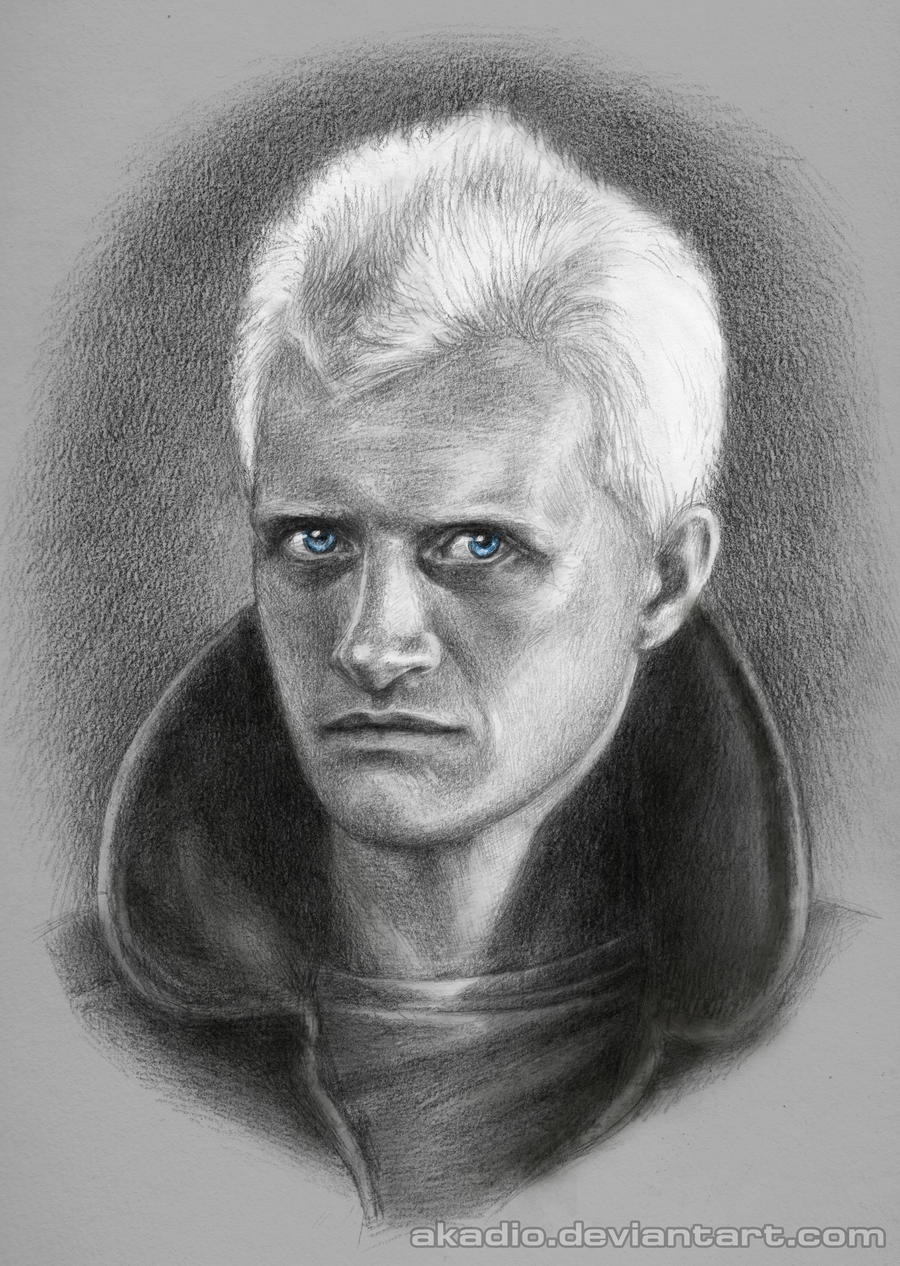
Based on the novel by the great Philip K. Dick, this Ridley Scott-directed film still stands today as a groundbreaking achievement. Blending noir-ish elements with the futuristic plotline/atmosphere, Scott ushered in an entirely new era in cinema. Über-Antagonist Nexus-6 Replicant Roy Batty {iconically portrayed by Rutger Hauer} provides the extra impetus of genius to propel us to the skies.
“Roy Batty is a very cryptic individual, as a replicant and combat unit. He carries an unnerving aura around him and inspires fear wherever he goes.
It is worth mentioning, that at the end of his life, Roy is shown to have a moment of empathy, saving Deckard from his death before giving a monologue about his memories, and passing away with a smile…”
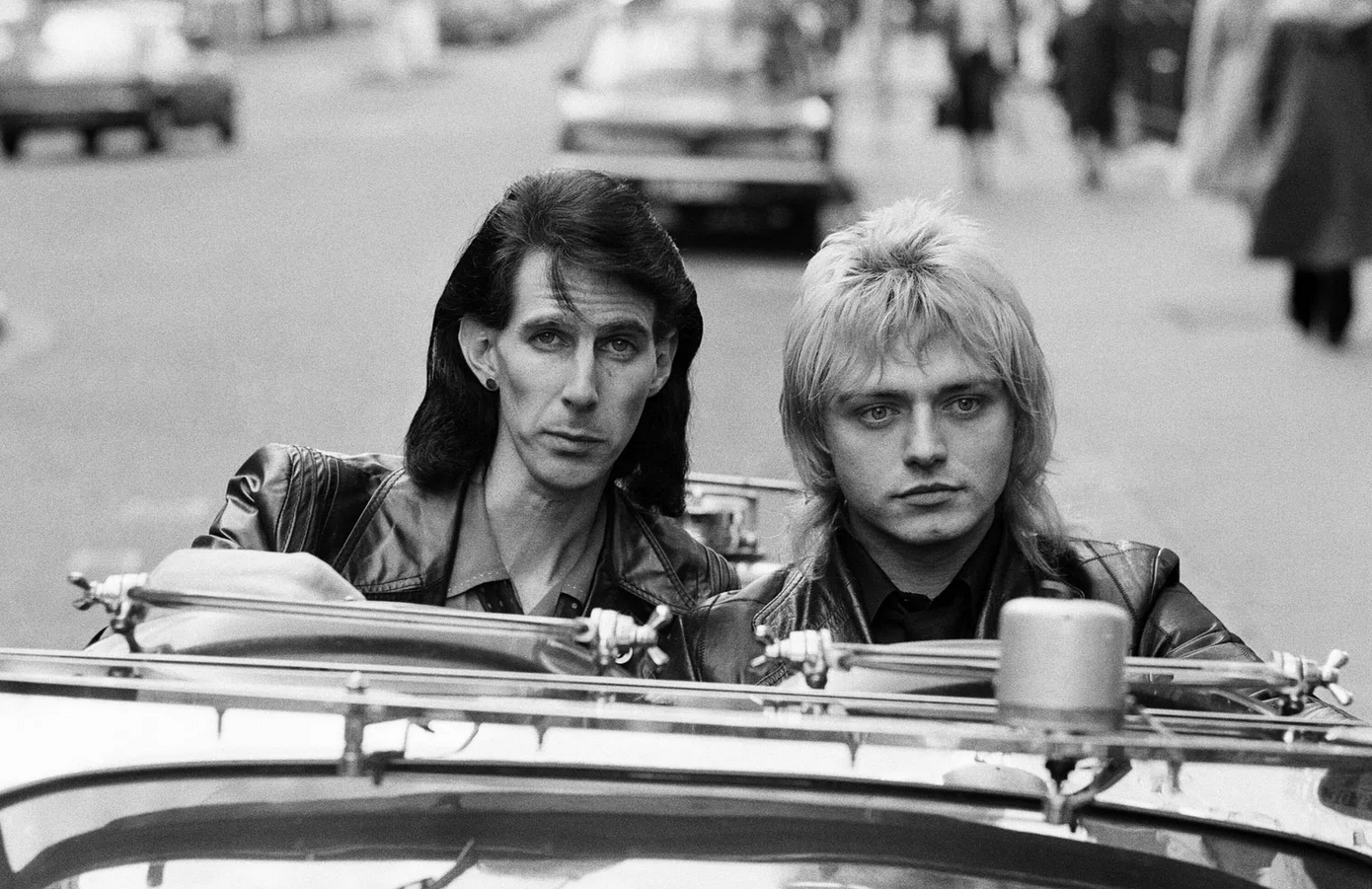
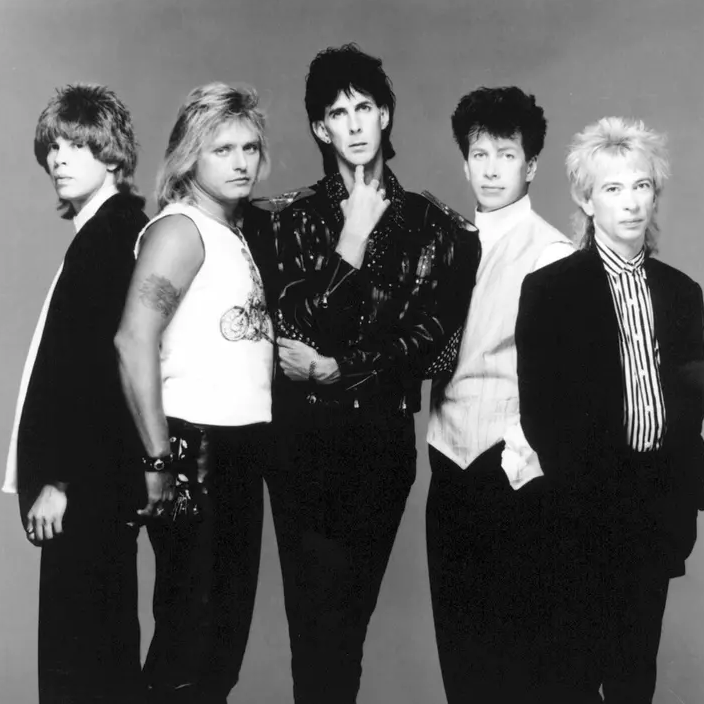
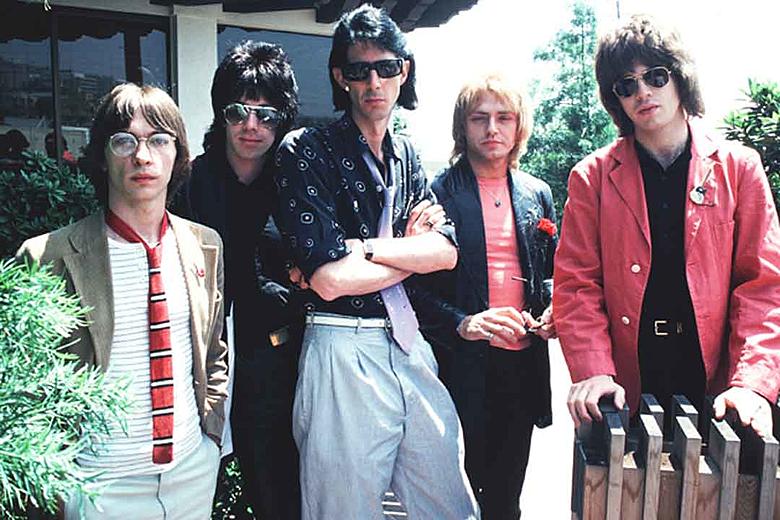
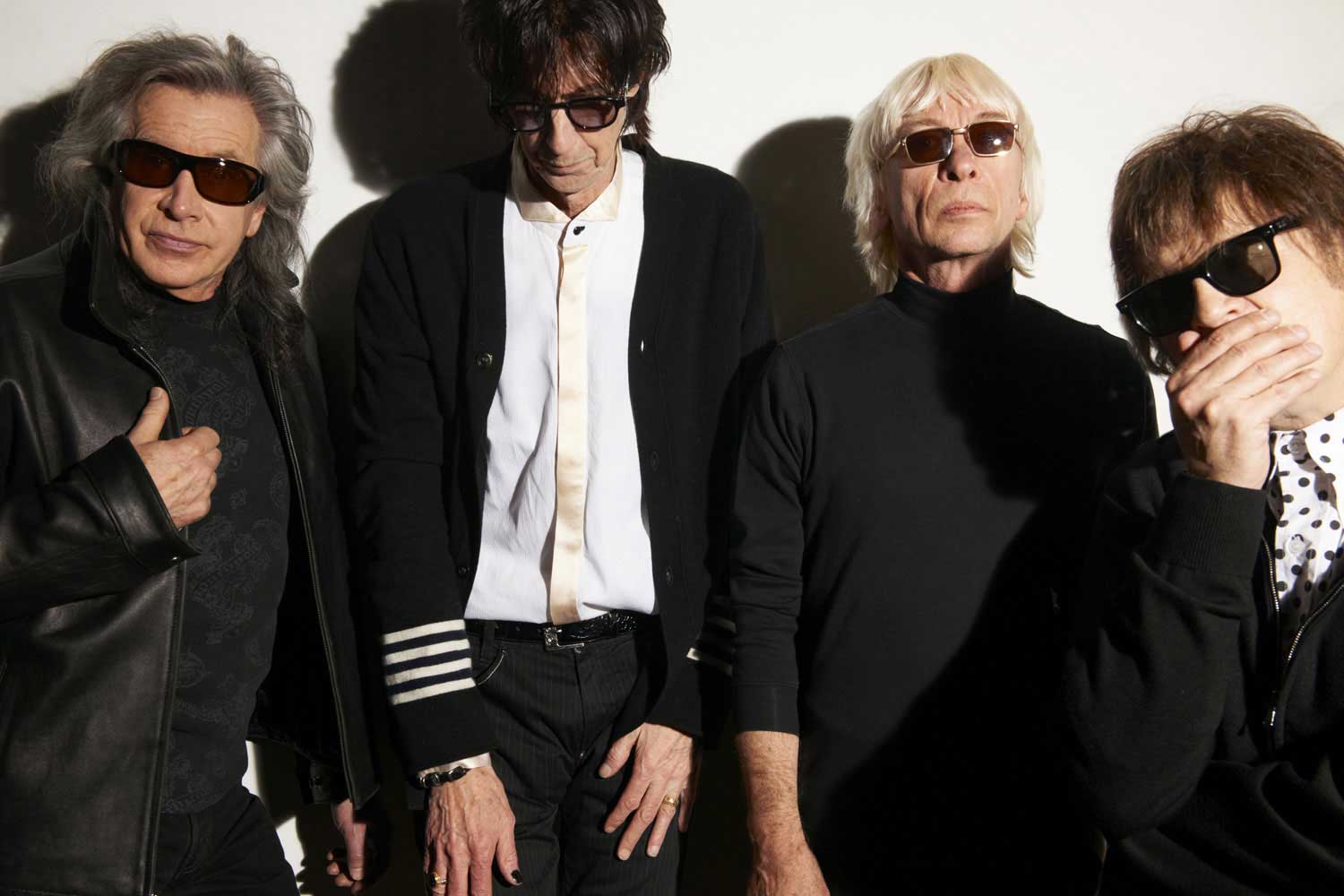
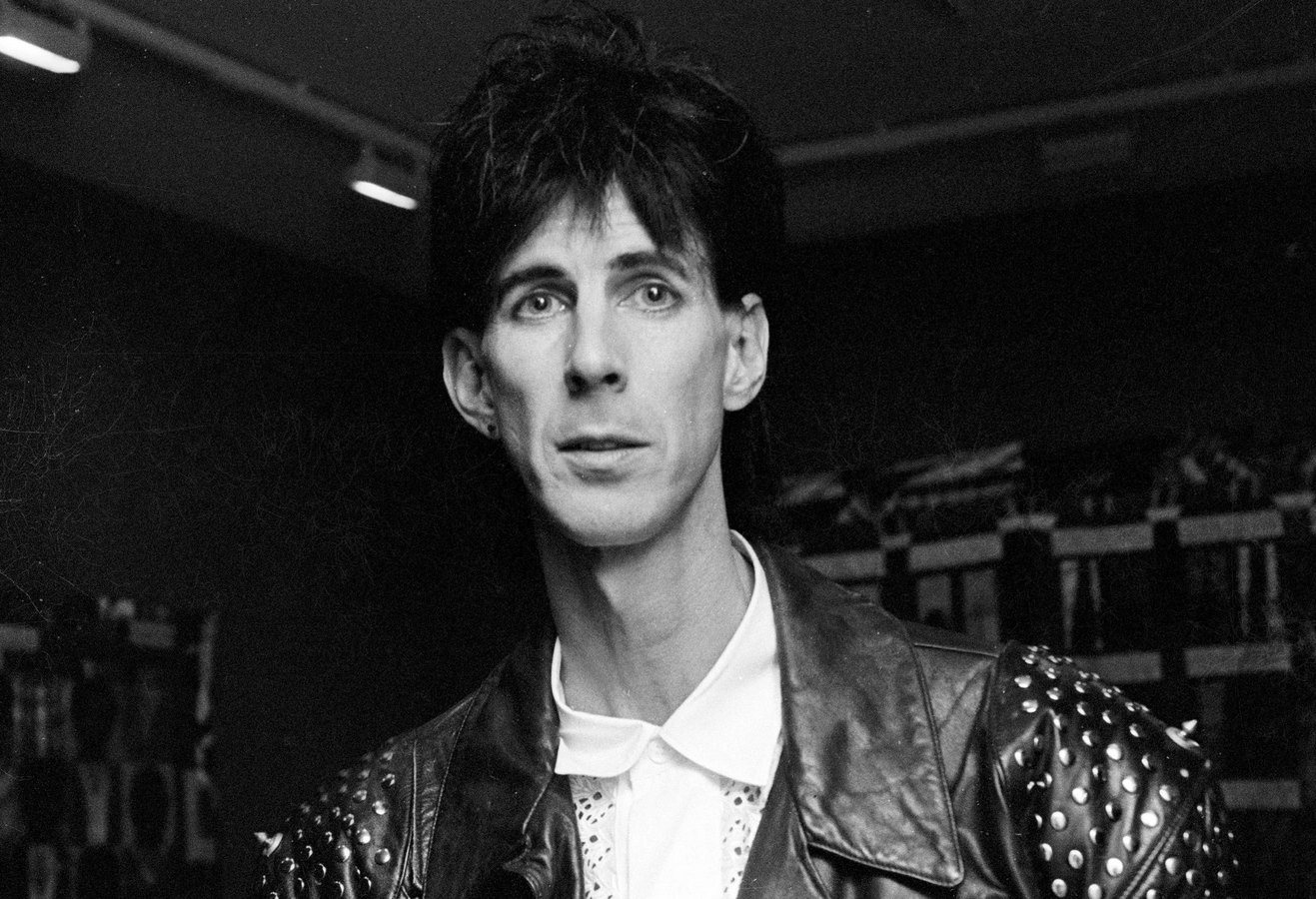
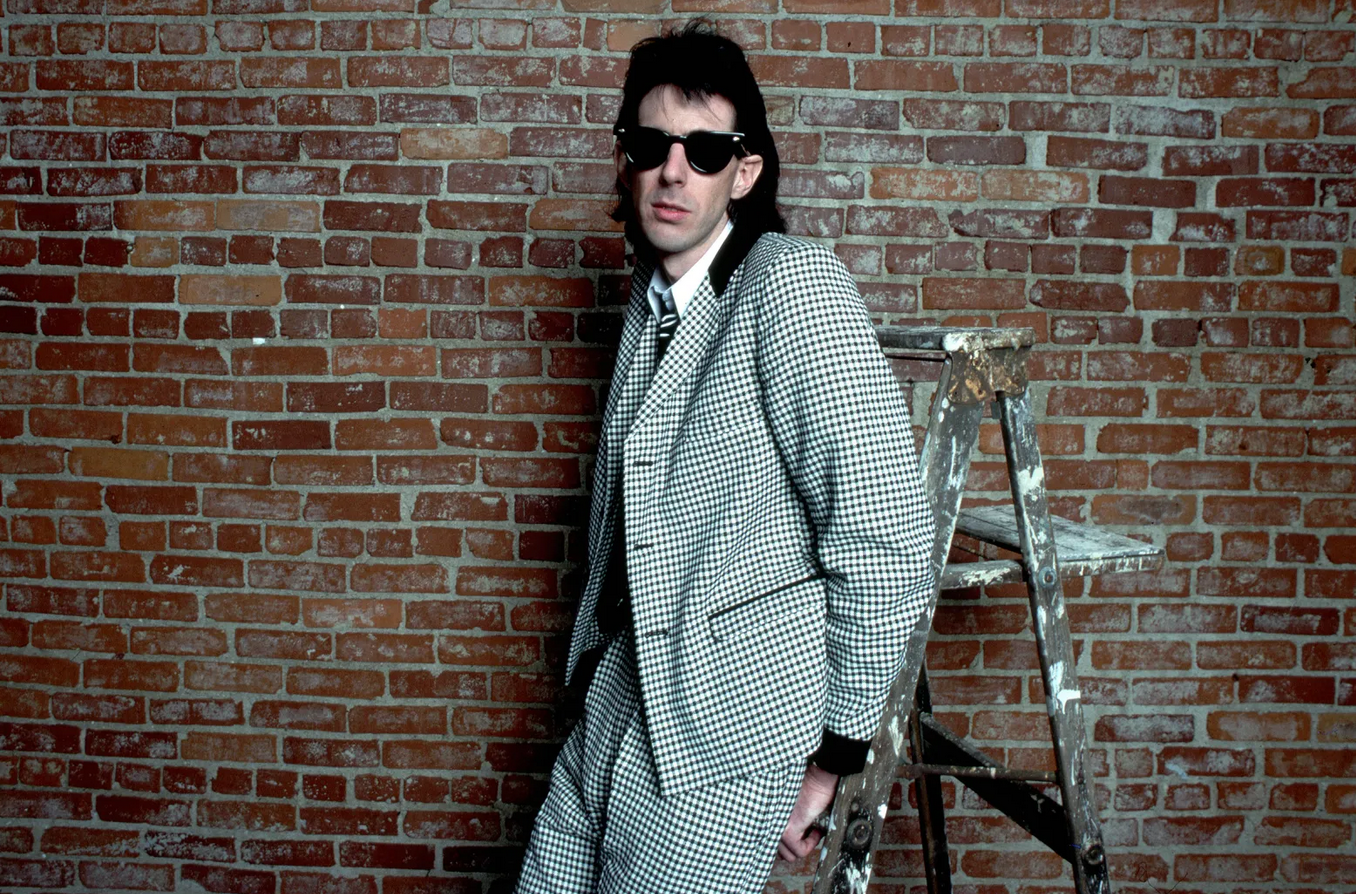
This Bostonian outfit burst upon the “New Wave” scene with the release of their 1st album in 1978. World domination duly ensued. Frontman and primary composer/vocalist Ric Ocasek may not have had the market cornered in the Enigmatic department, but certainly he was an upper-echelon representative.
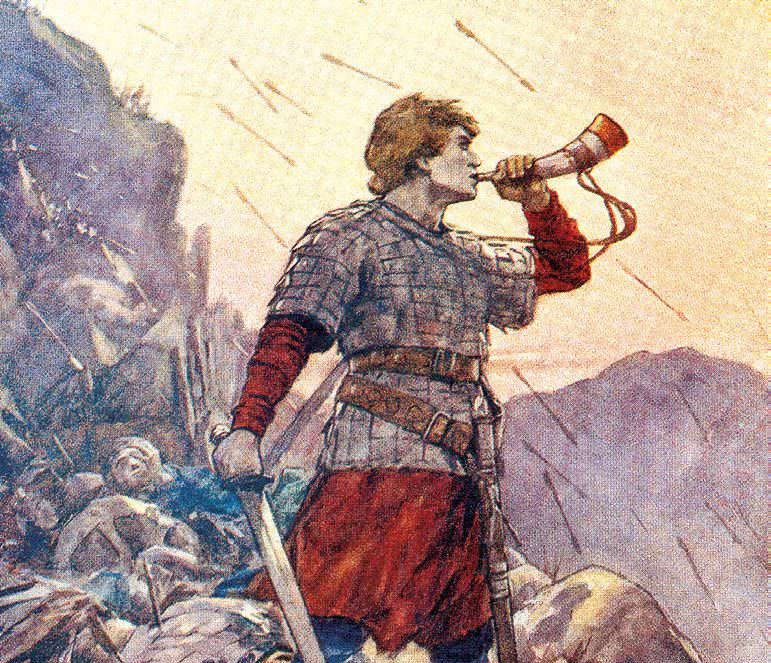
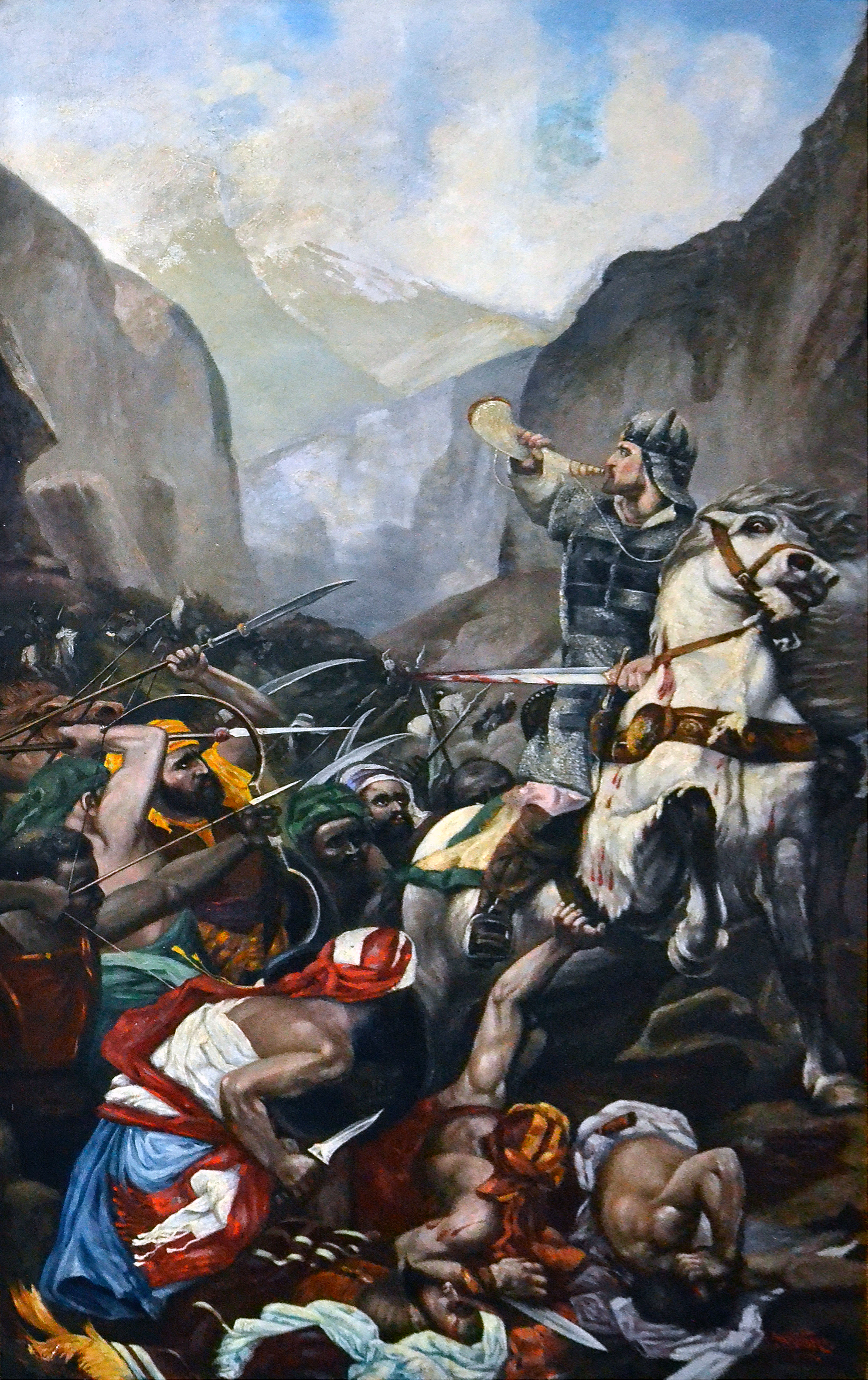
83: Quoth Oliver: “Huge are the Paynim hordes, And of our French the numbers seem but small. Companion Roland, I pray you sound your horn. That Charles may hear and fetch back all his force.” Roland replies: “Madman were I and more, And in fair France my fame would suffer scorn. I’ll smite great strokes with Durendal my sword, I’ll dye it red high as the hilt with gore. This pass the Paynims reached on a luckless morn; I swear to you death is their doom therefor.”
84: “Companion Roland, your Olifant now sound! King Charles will hear and turn his armies round; He’ll succour us with all his kingly power.” Roland replies: “May never God allow That I should cast dishonour on my house Or on fair France bring any ill renown! Rather will I with Durendal strike out, With this good sword, here on my baldrick bound; From point to hilt you’ll see the blood run down. Woe worth the Paynims that e’er they made this rout I pledge my faith, we’ll smite them dead on ground.”
85: “Companion Roland, your Olifant now blow; Charles in the passes will hear it as he goes, Trust me, the French will all return right so.” “Now God forbid”, Roland makes answer wroth, “That living man should say he saw me go Blowing of horns for any Paynim foe! Ne’er shall my kindred be put to such reproach. When I shall stand in this great clash of hosts Til strike a thousand and then sev’n hundred strokes, Blood-red the steel of Durendal shall flow. Stout are the French, they will do battle bold, These men of Spain shall die and have no hope.”
87: Roland is fierce and Oliver is wise And both for valour may bear away the prize. Once horsed and armed the quarrel to decide, For dread of death the field they’ll never fly. The counts are brave, their words are stern and high. Now the false Paynims with wondrous fury ride. Quoth Oliver: “Look, Roland, they’re in sight. Charles is far off, and these are very nigh; You would not sound your Olifant for pride; Had we the Emperor we should have been all right. To Gate of Spain turn now and lift your eyes, See for yourself the rear-guard’s woeful plight. Who fights this day will never more see fight.” Roland replies: “Speak no such foul despite! Curst be the breast whose heart knows cowardise! Here in our place we’ll stand and here abide: Buffets and blows be ours to take and strike!”
The epic poem written in Old French is the first and one of the most outstanding examples of the chanson de geste, a literary form that flourished between the 11th and 16th centuries in Medieval Europe and celebrated legendary deeds. {from Wikipedia}
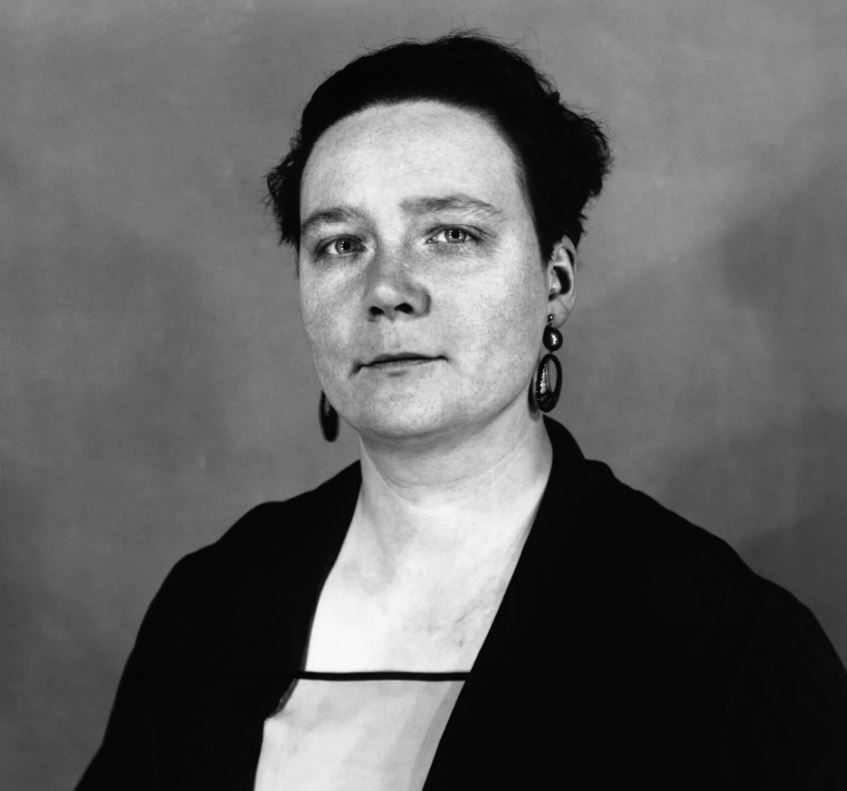
Dorothy Sayers translated the epic in 1957, and masterfully so. Having already achieved fame as a novelist and playwright, this may stand as her mightiest achievement. {Or, it may not.} With perfect pitch, she renders this classic in exquisite fashion, in all its inexorable-ness.





















 Bideodromage