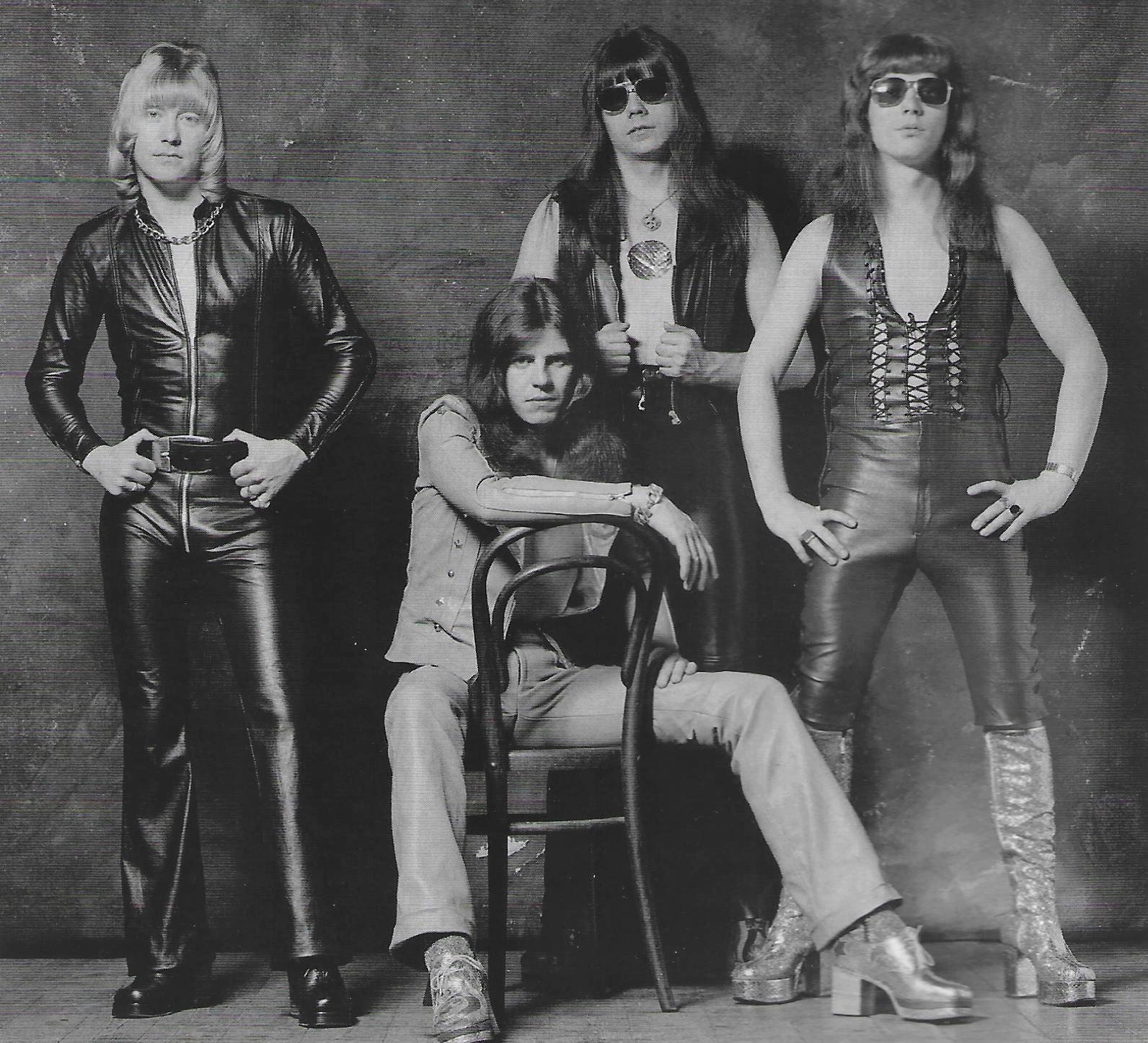
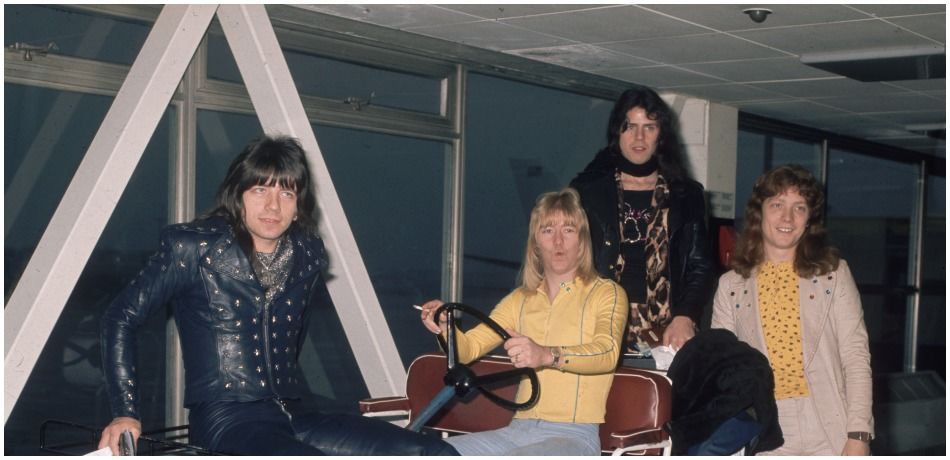
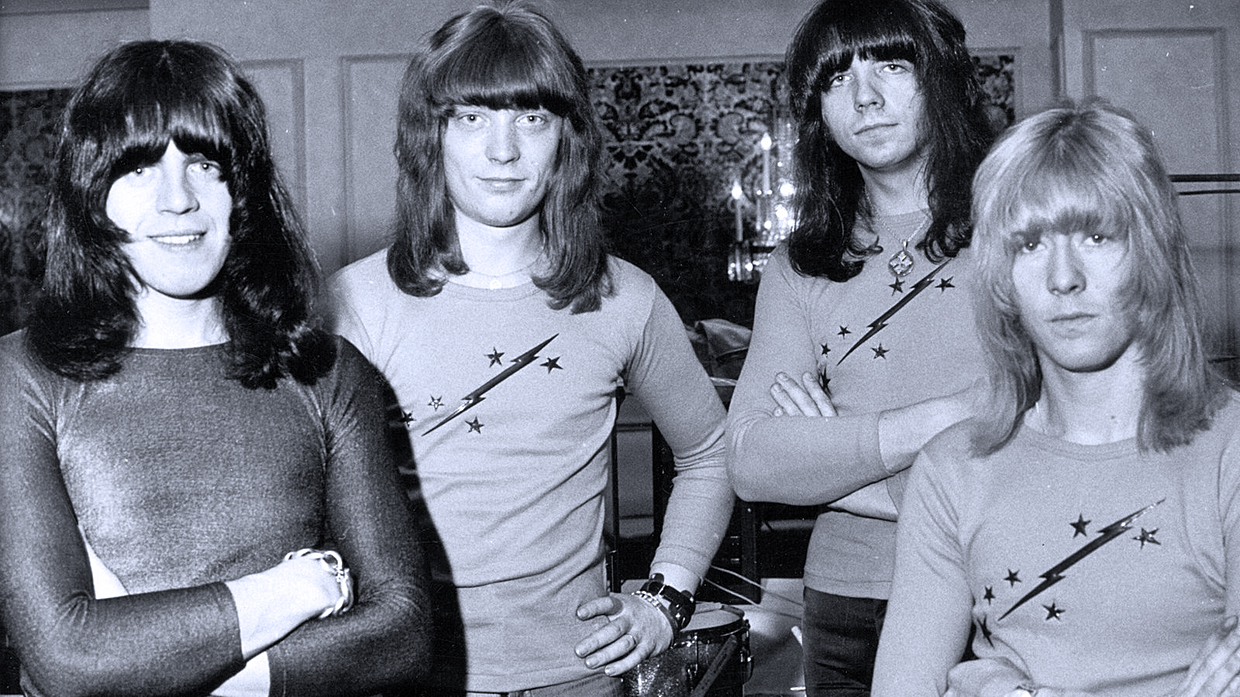
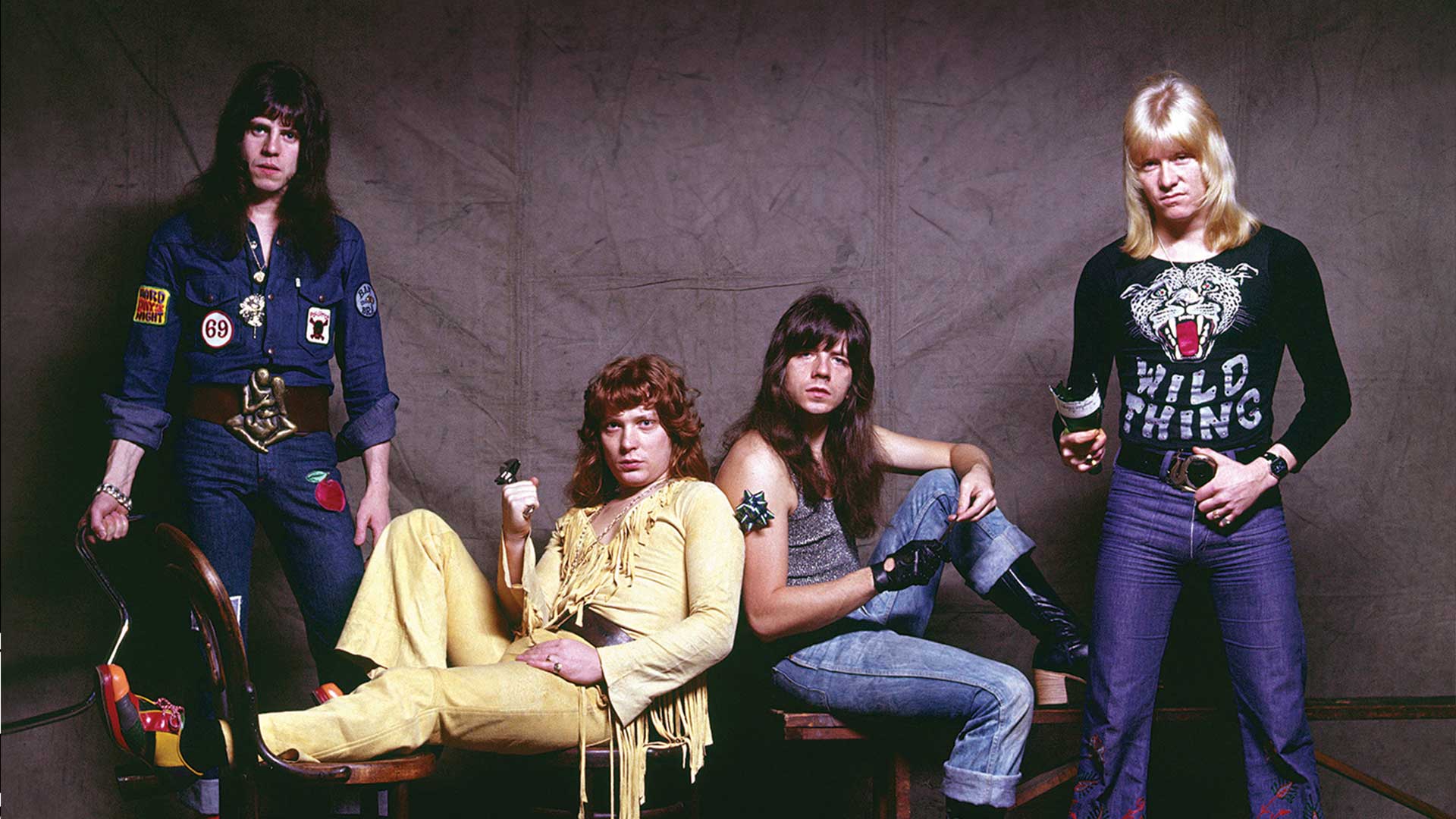
BrianConnolly, StevePriest, AndyScott, and MickTucker comprised the glam maestros known as {The} Sweet. Schrödringer’s definite article notwithstanding, these great men rose to achieve world domination in the 70s. Extraordinary catchiness paired with pure power escalated Sweet to the uppermost echelons. They also projected a sense of great fun, often sorely lacking in hard rock.
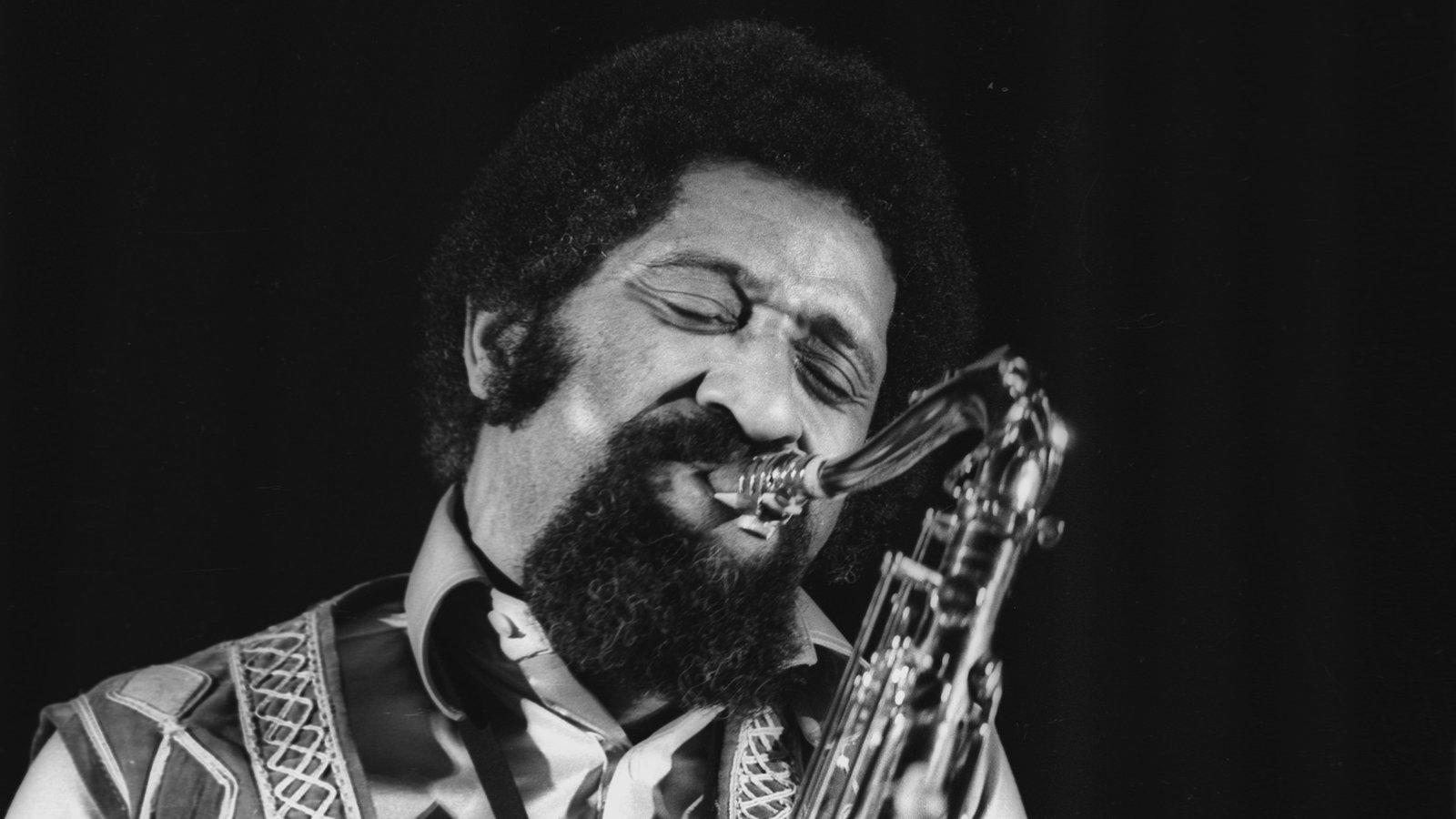
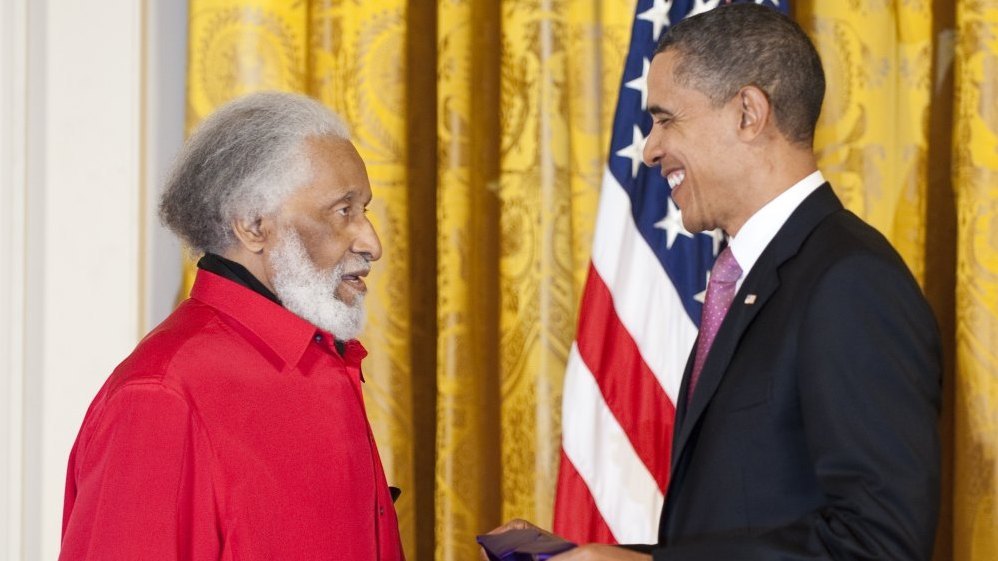
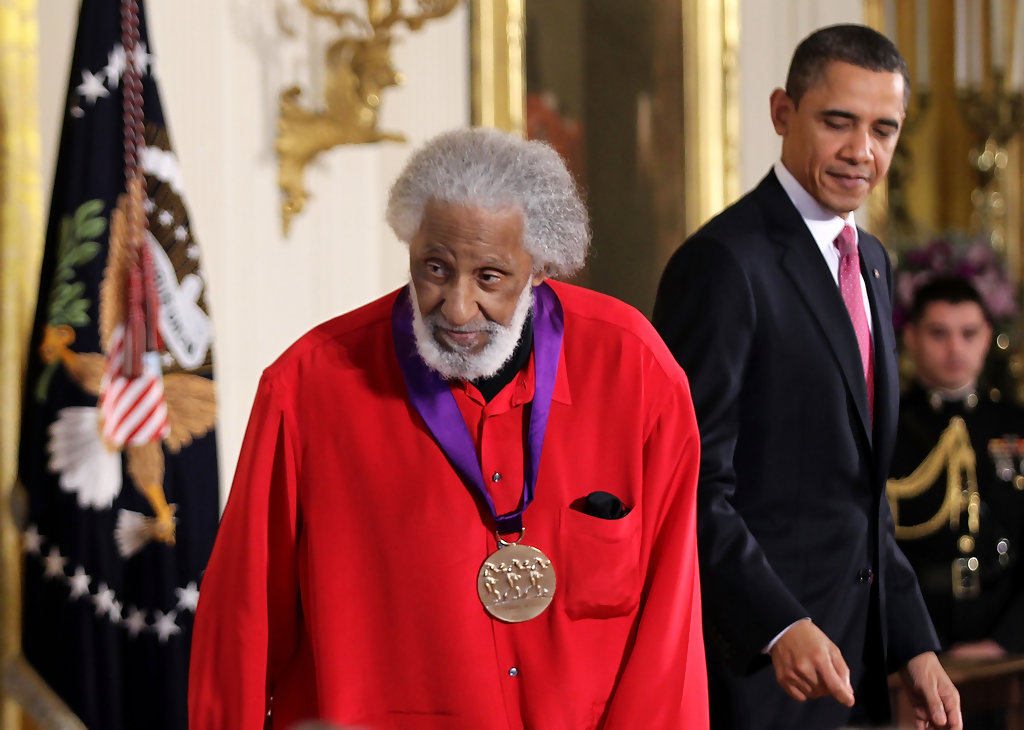
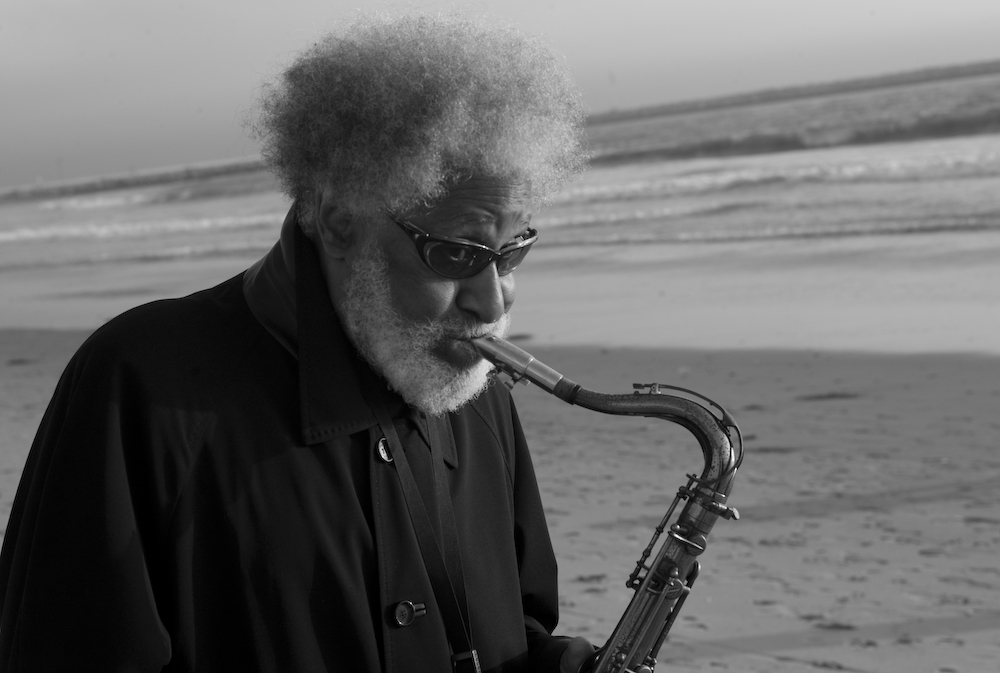
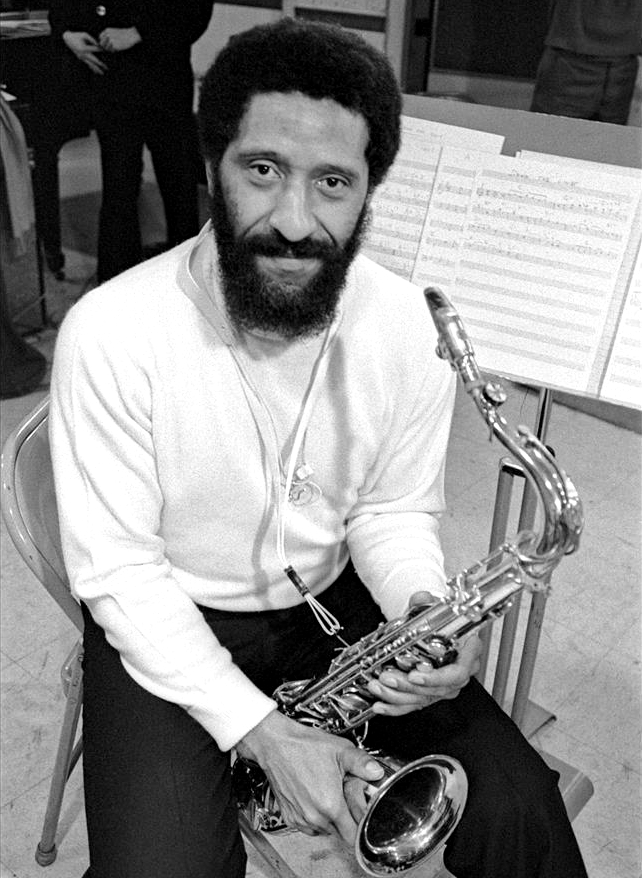
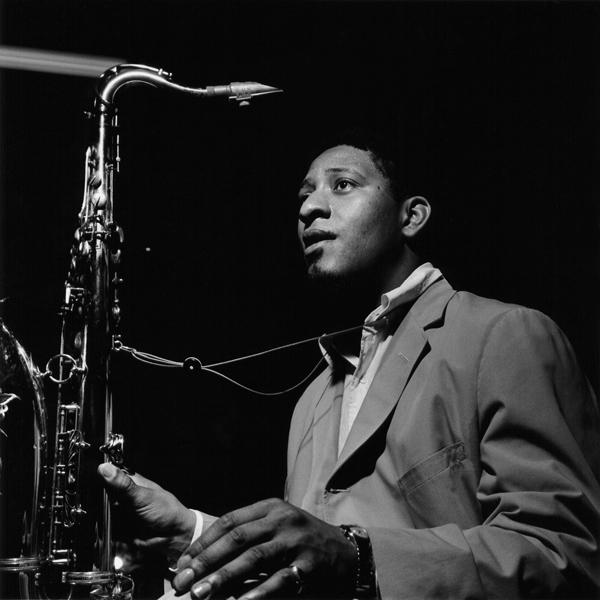
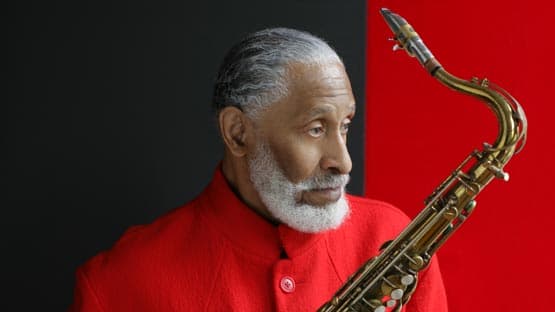
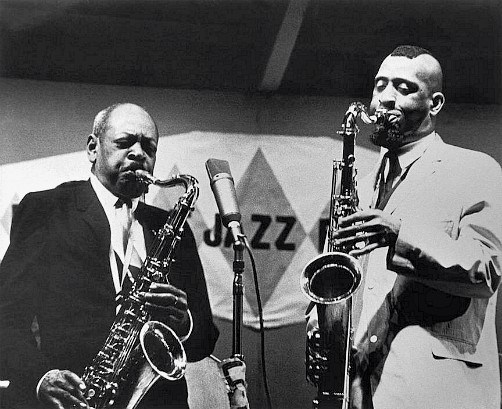
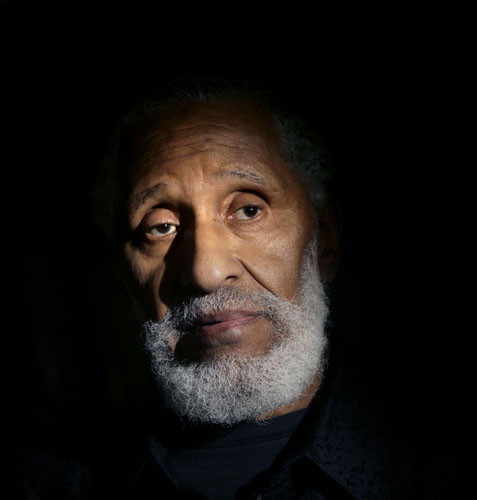
Tenor saxophone colossus TheodoreWalter “Sonny” Rollins is responsible for a great many of the most monumental jazz tracks ever produced. With John Coltrane, he’s unquestionably at the top of the mountain as far as tenor sax is concerned. As an interpreter of ballads, he remains unsurpassed. Those included here are dramatic, monumental. Given the apparent relaxation with which Sonny plays, the cliff-hanging tension he creates is uncanny. His work with calypso material was groundbreaking. Presented here is but a minute offering from the great man’s catalogue. A premier pantheon inhabitant.
NickCurrie obtained his stage name from the Greek God of satire and mockery. An apt moniker, as the gifted singer/songwriter is supremely adept in both departments. Erudite in the extreme, and equipped with an unfailing wit, the acerbic yet playful Currie has been not only prolific, but highly influential. No less than JarvisCocker and Suede’s BrettAnderson list the redoubtable, dependably quirky Momus as an inspiration.
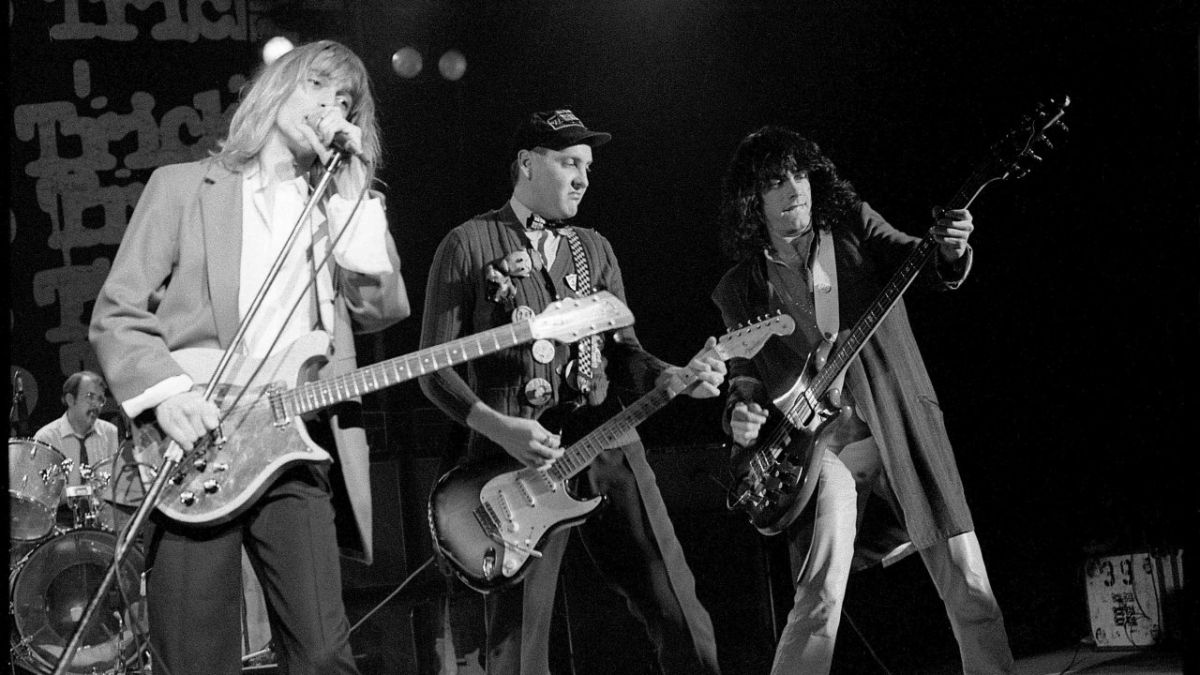
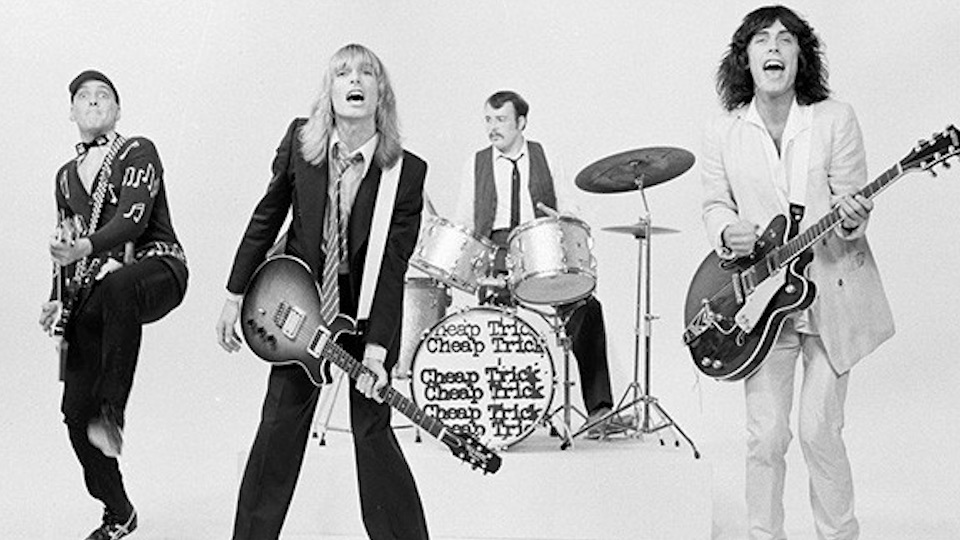
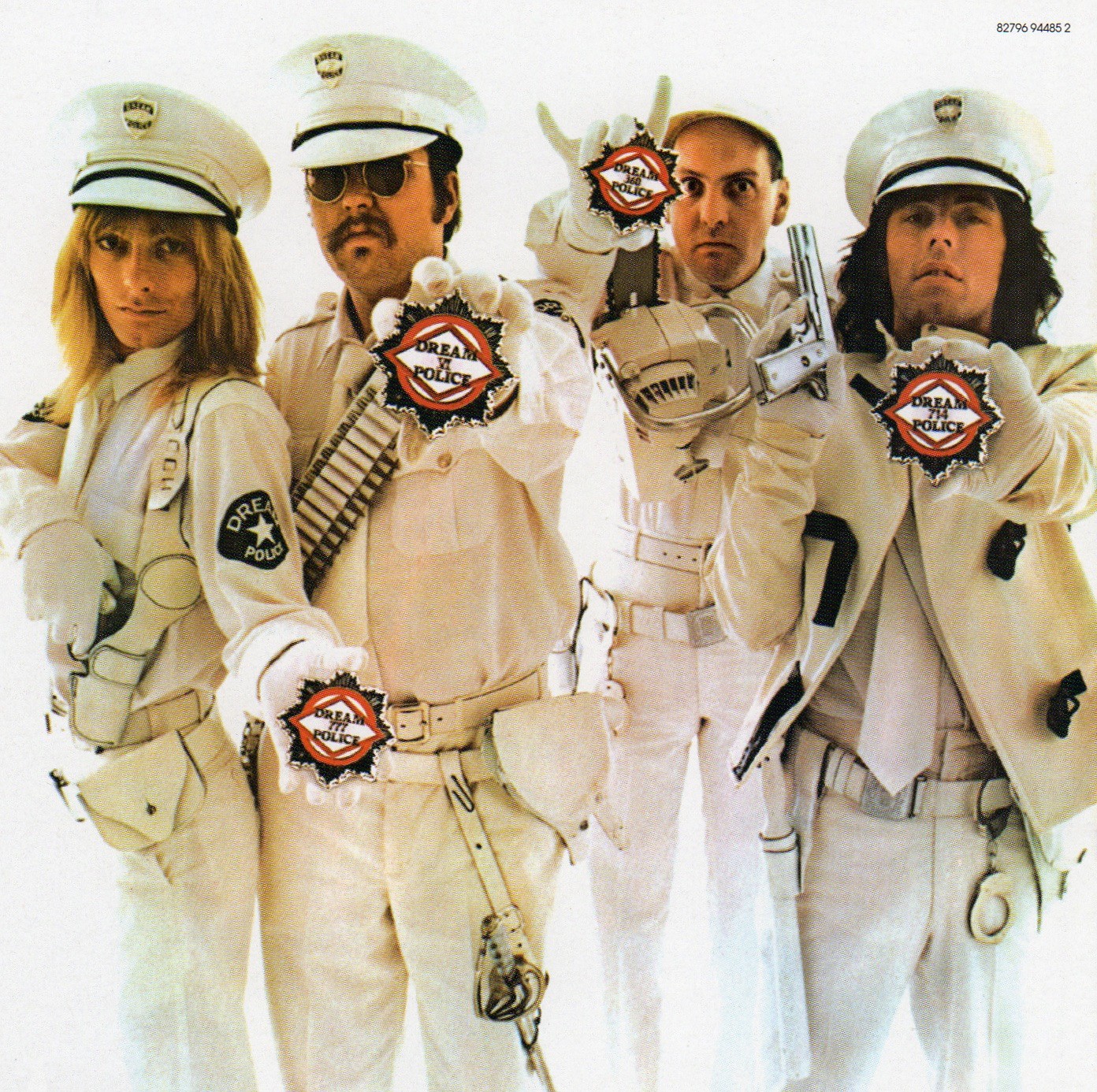
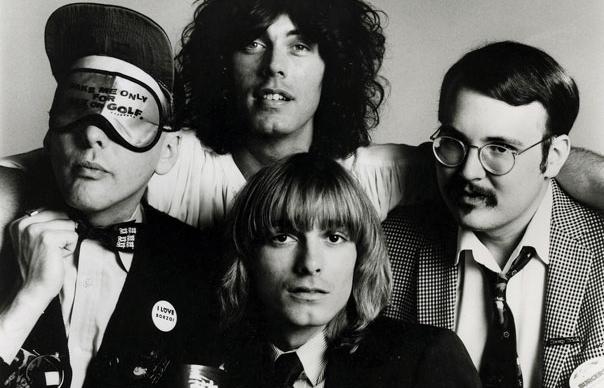
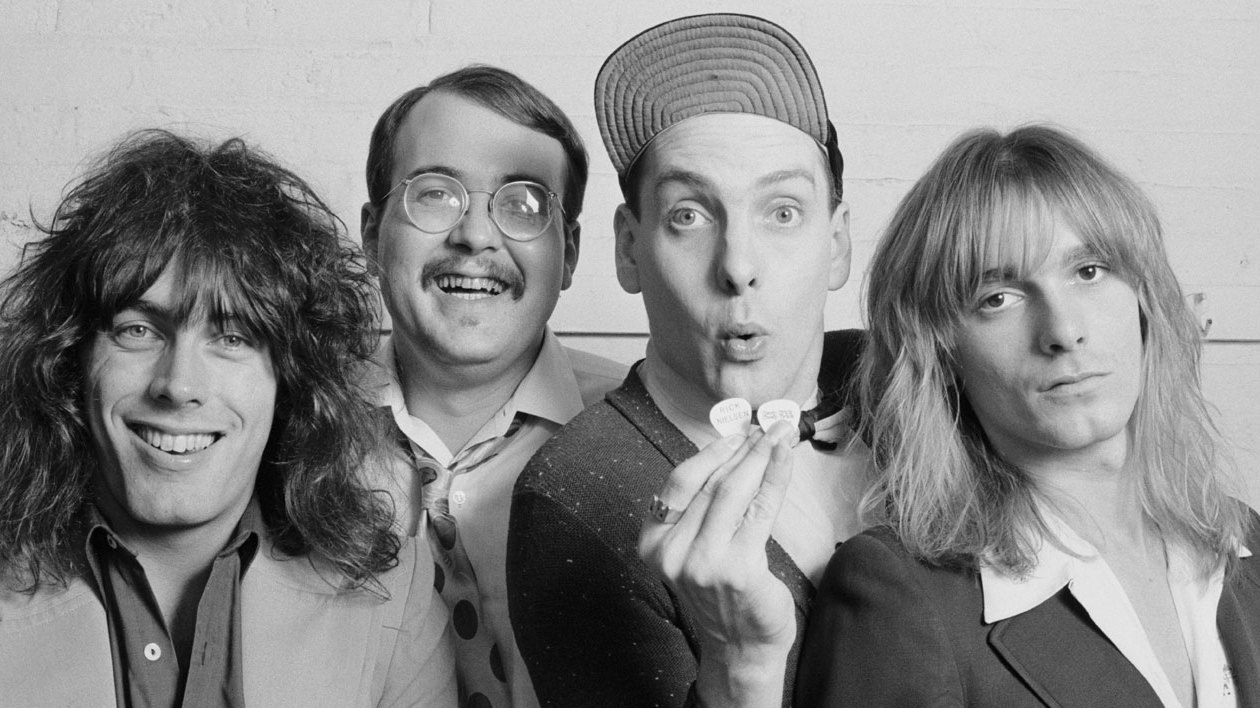
RobinZander, TomPeterrson, BunE. Carlos, and RickNielsen made copious amounts of aural nirvana, particularly in the late 70s, as CheapTrick. The concerts in Budokan were recorded in 1978, but not released in the US until demand became so frenzied that Epic had little choice. Intended solely as a Japanese album, the LP jettisoned the band into the realms of world domination. This was preceded by Heaven Tonight, the band’s greatest studio achievement. Several pieces from this classic are captured here performed live at various venues. Cheap Trick’s highs were nothing short of vertiginous.
Caravan {Studio version}Criss Cross {w/Milt J}Bright MississippiThink of OneFour In OneHackensack
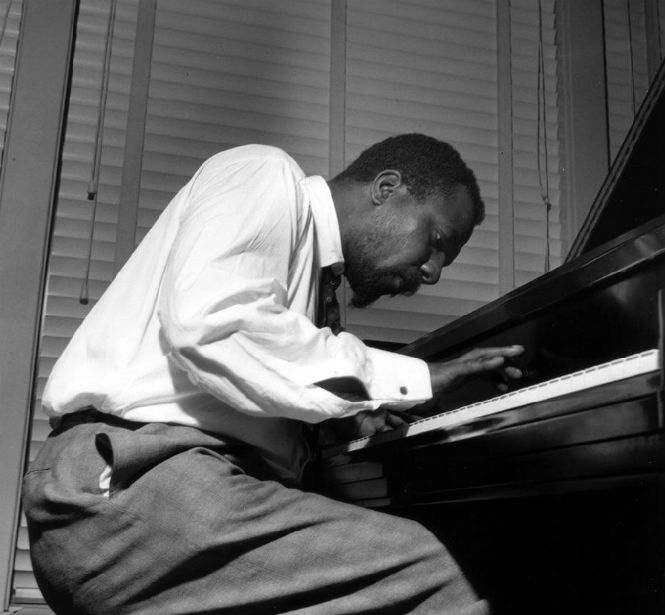
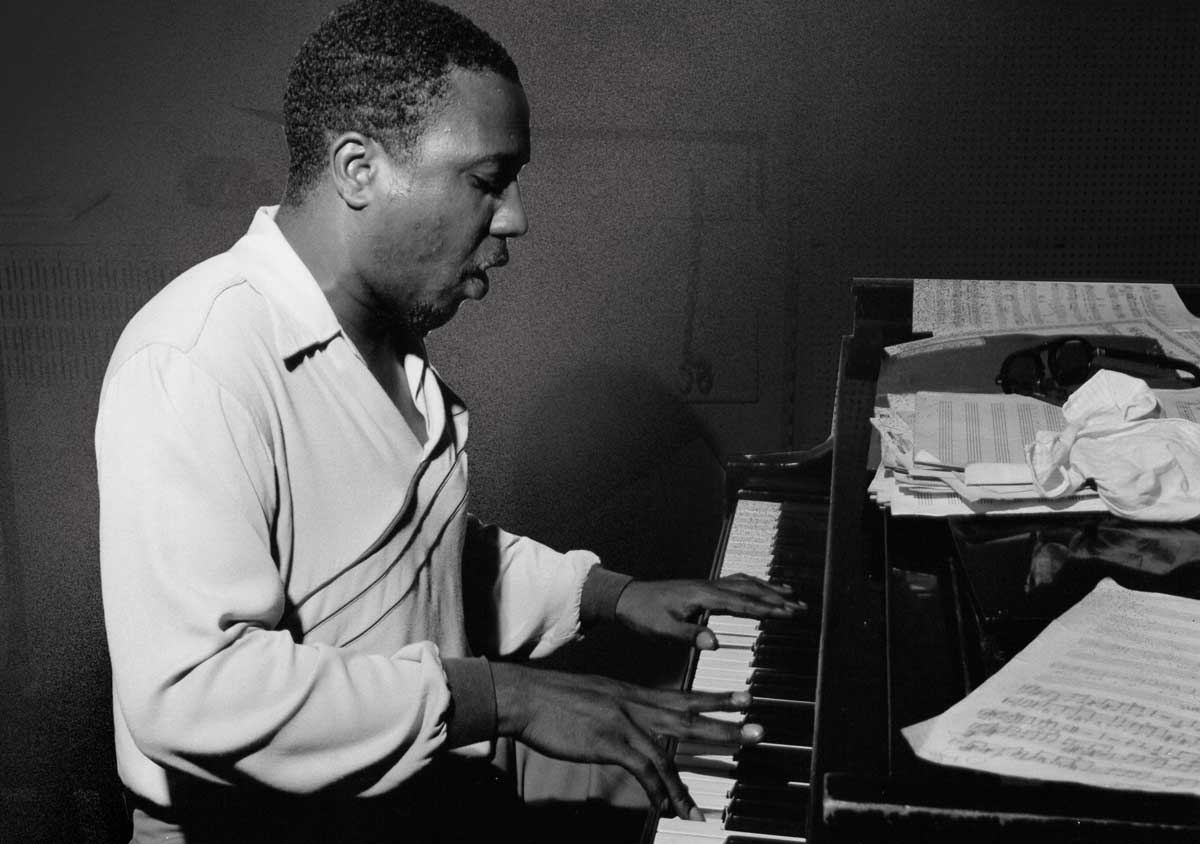
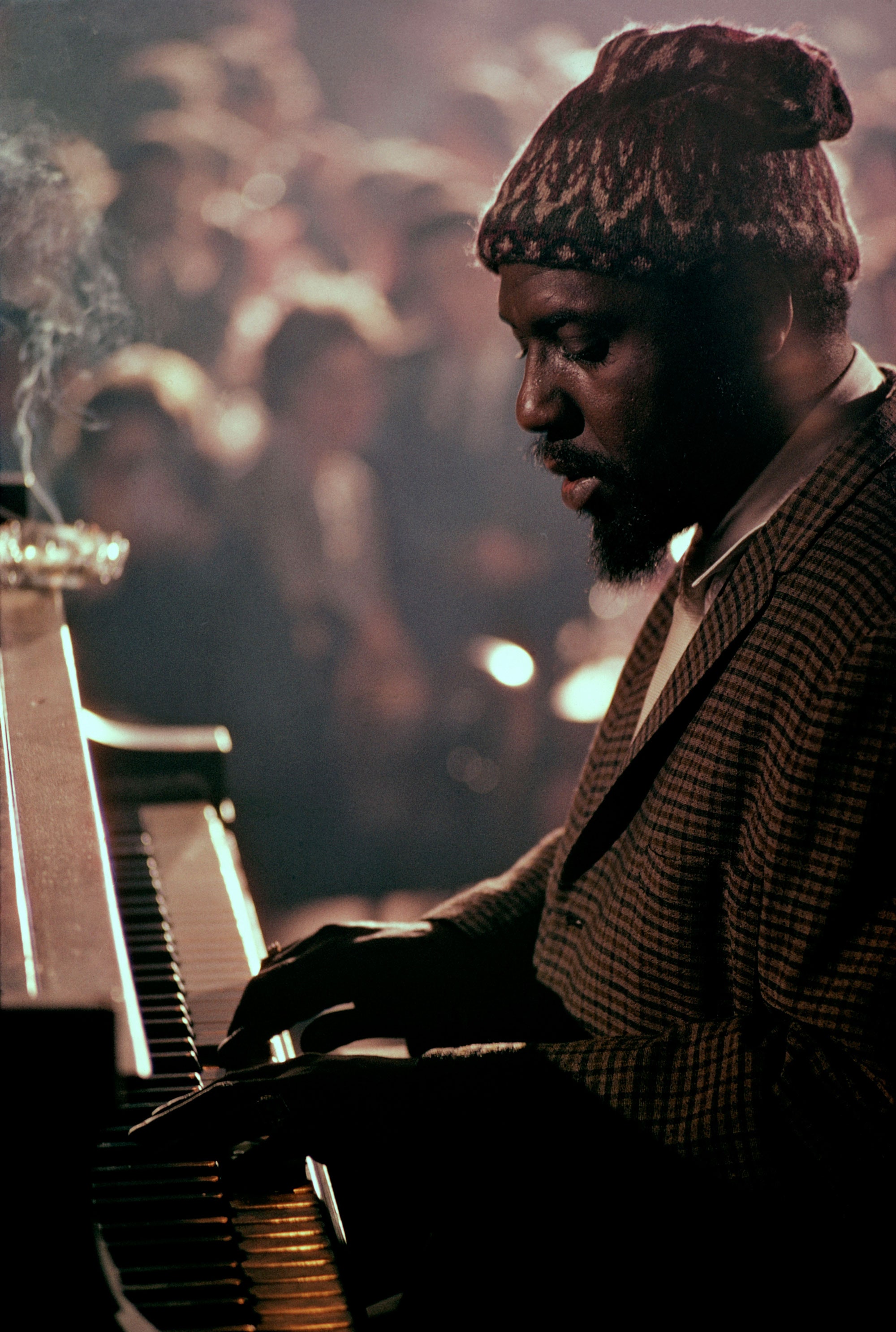
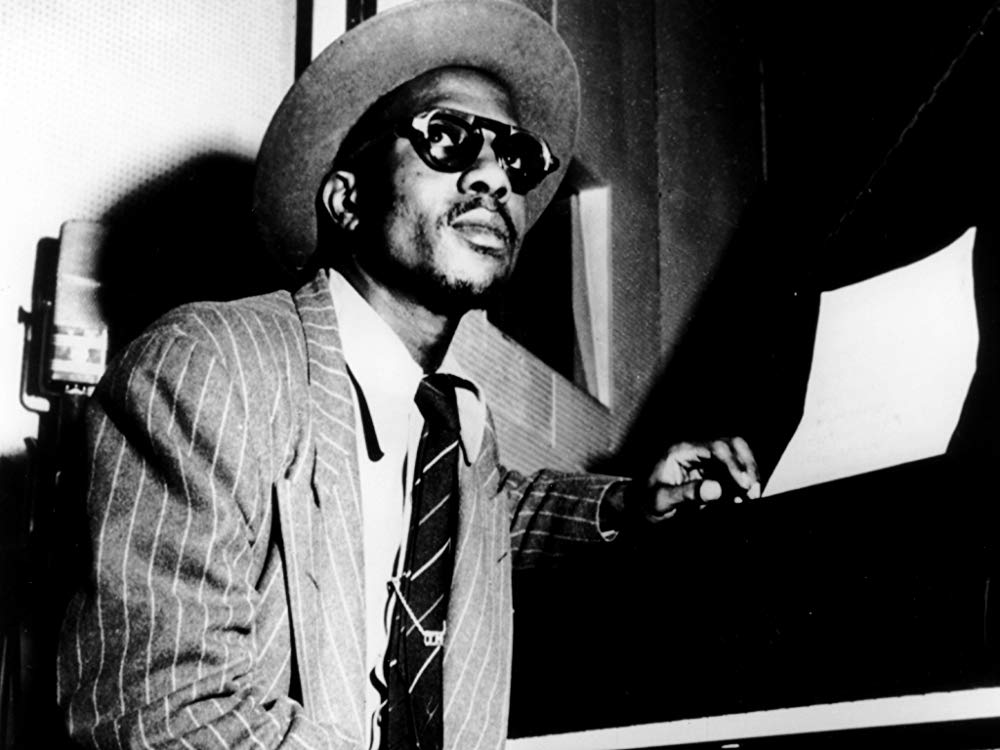
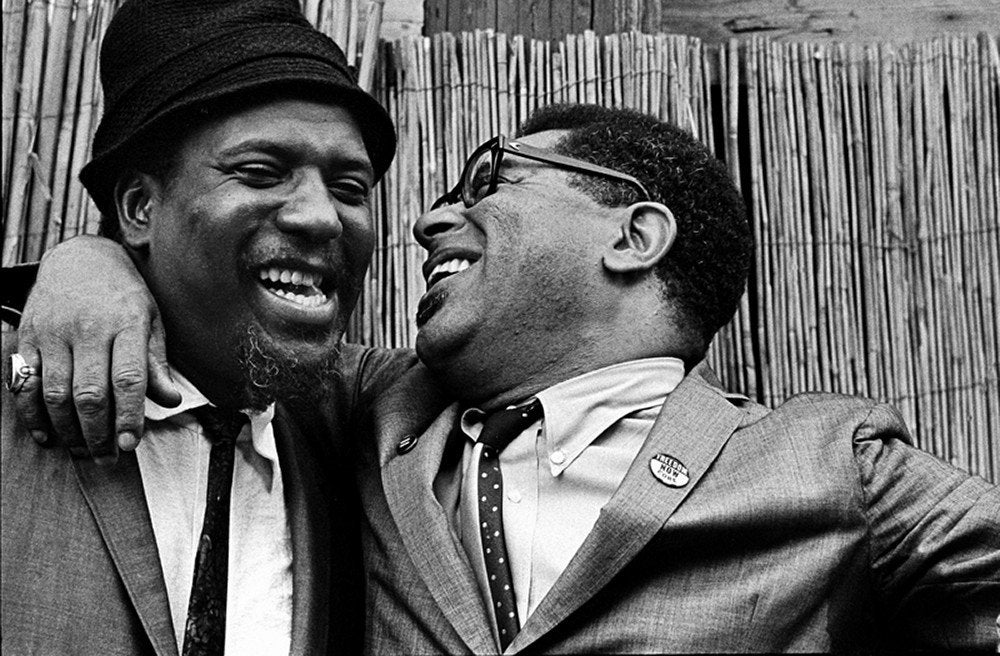
Unquestionably one of the titanic figures of 20th century music, TheloniousMonk composed and performed mountains of material that now has classic status, but during his initial heyday in the 40’s, it was often dismissed as too quirky, too dissonant, too…weird. Well, Monk’s work is indeed all of those things, but in just the right amount. There is an uncanny air of ineffable mystery that permeates his playing that is striking. His style is angular, uses silence beautifully, and is deeply personal and idiosyncratic. Although hugely influential, no one has ever sounded remotely like him.
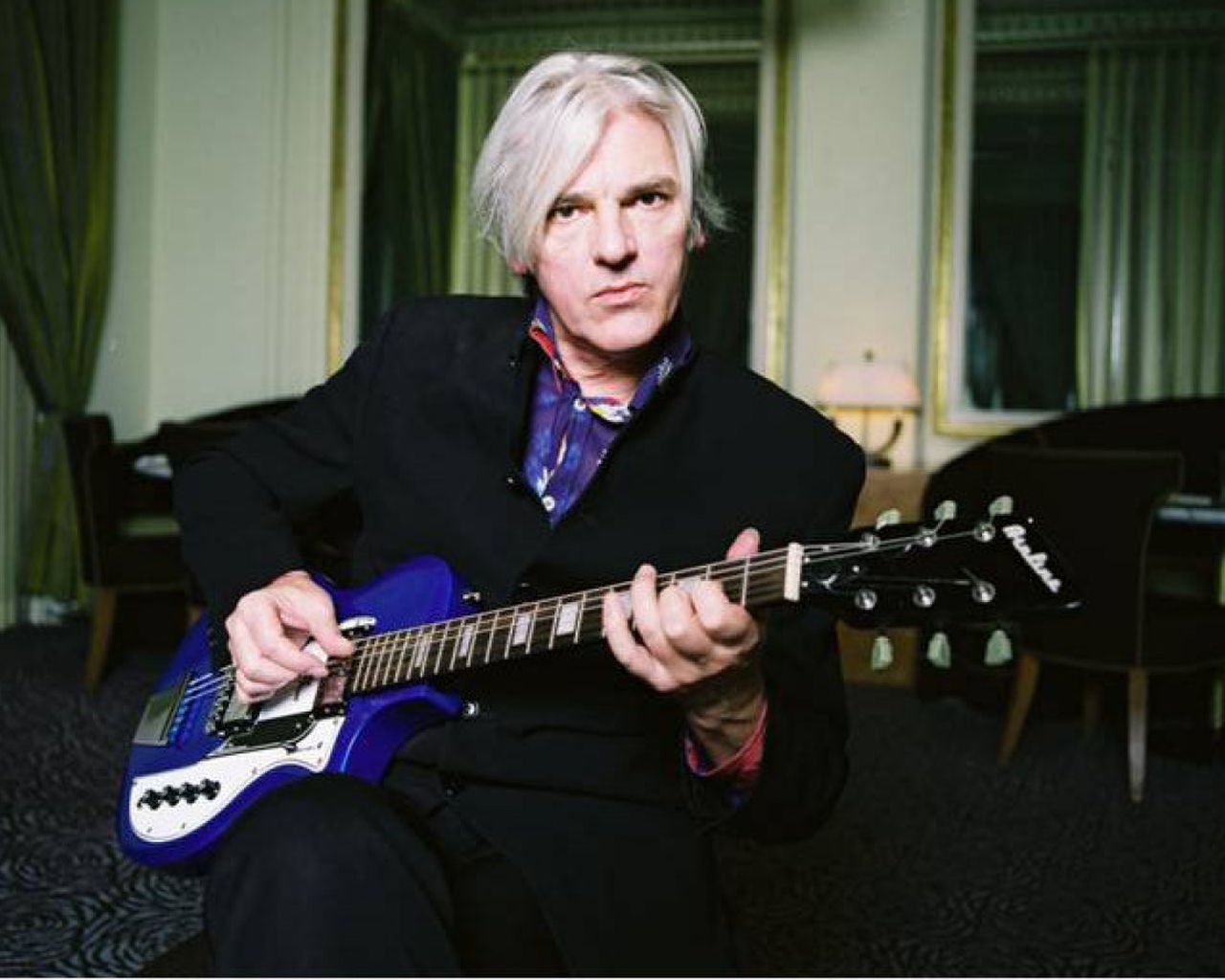
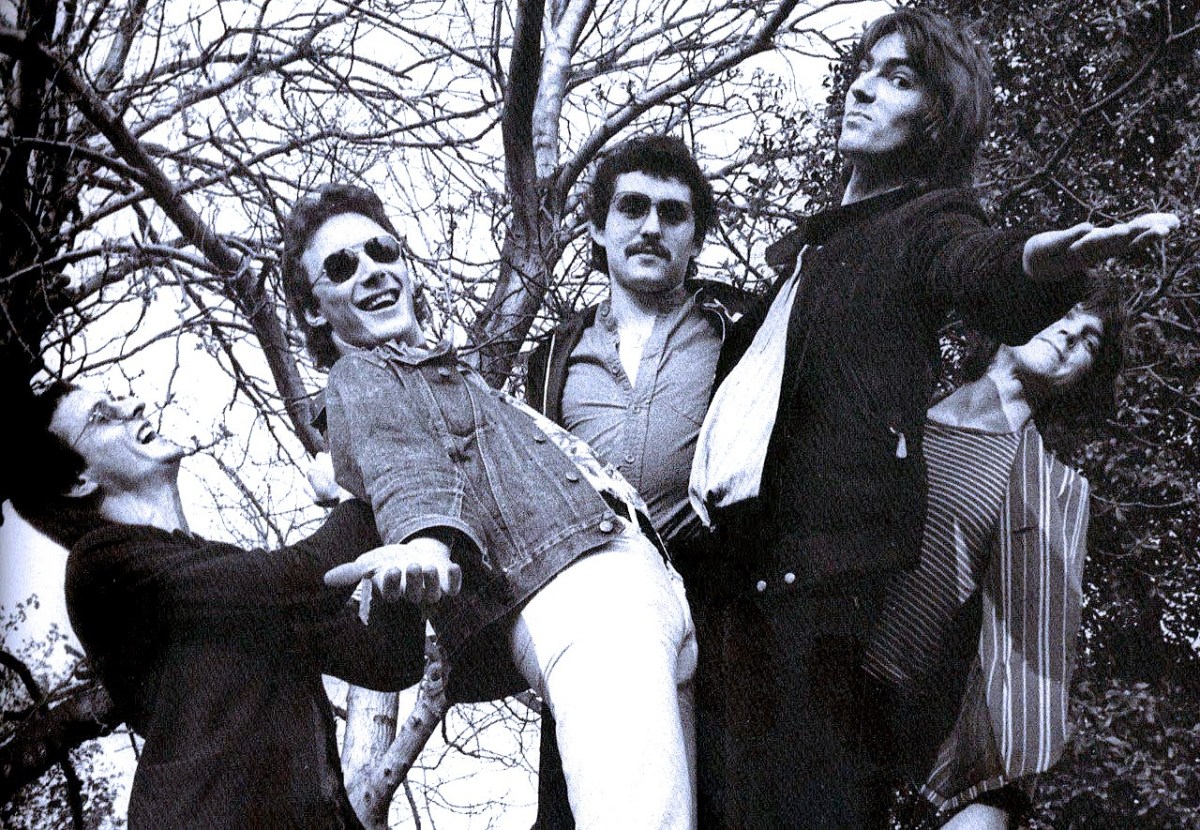
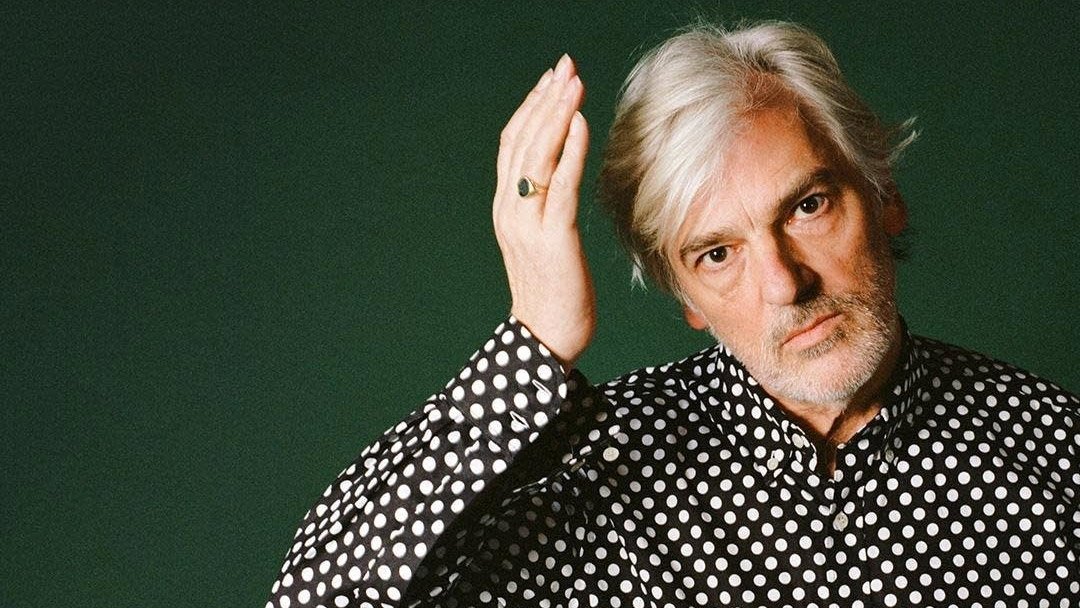
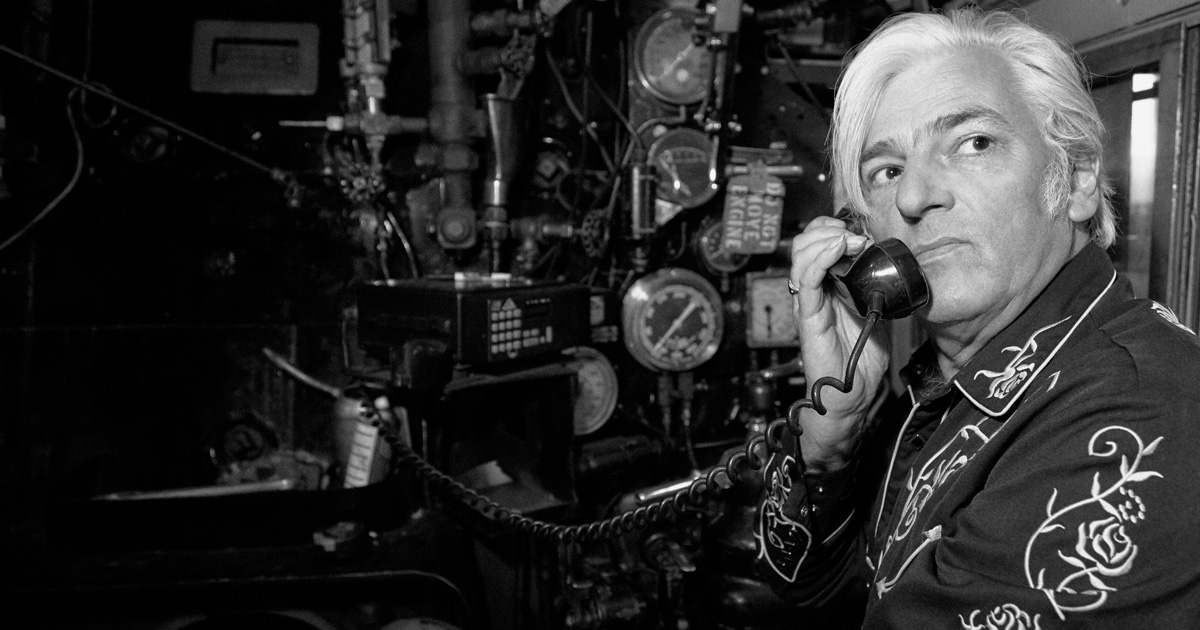
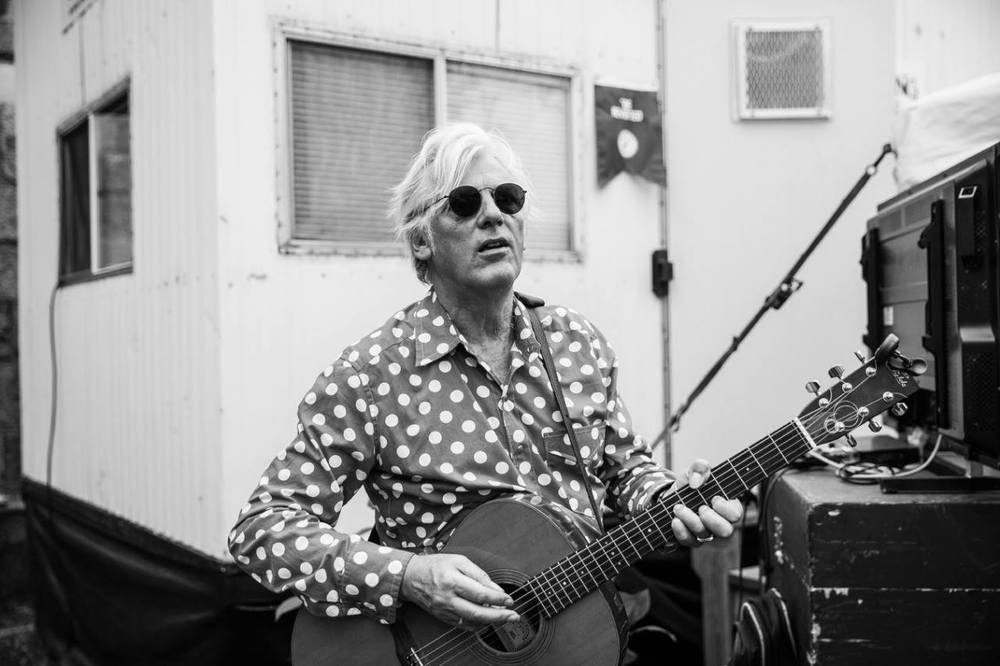
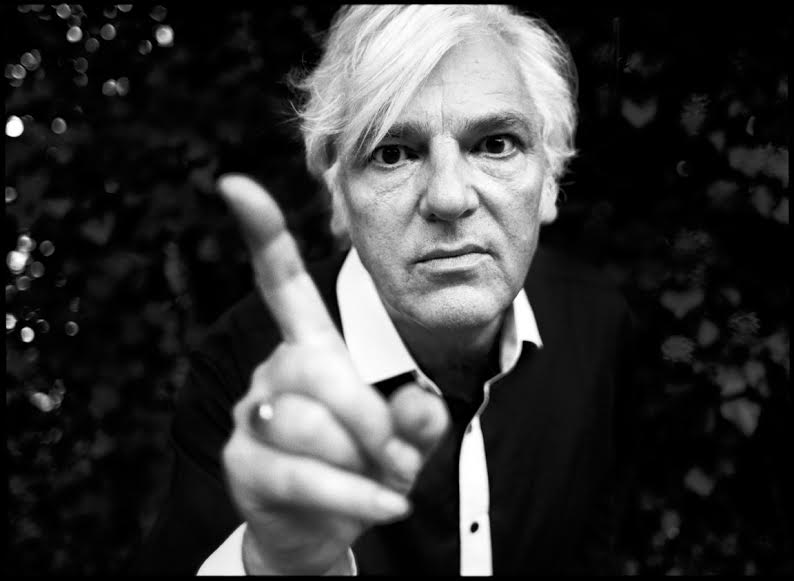
RobynHitchcock is one of the more prolific and gifted figures in a certain (eccentric) quadrant of music history. After leaving The SoftBoys, a Neo-psych outfit he founded, Hitchcock emerged as a most formidable solo figure. Heavily influenced by Dylan, and Syd Barrett, his compositions tend towards the obscure, the ineffable, the humorous, the surreal. He remains a vital figure to this day.
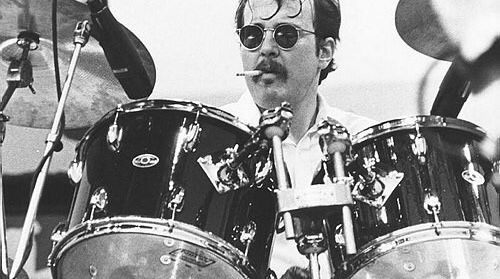
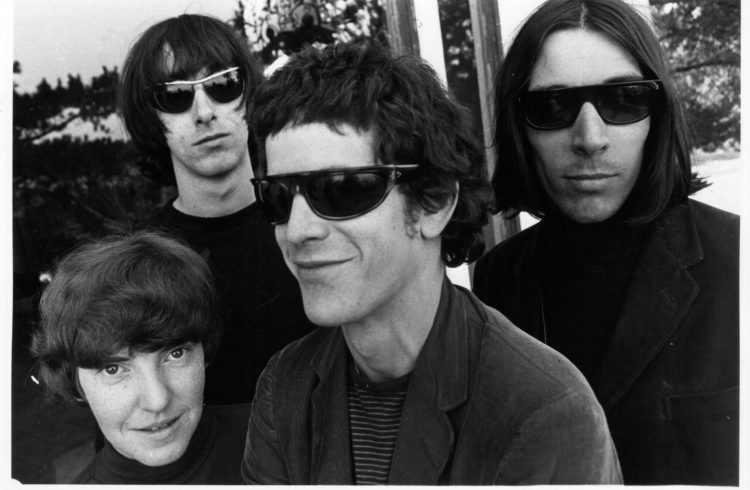
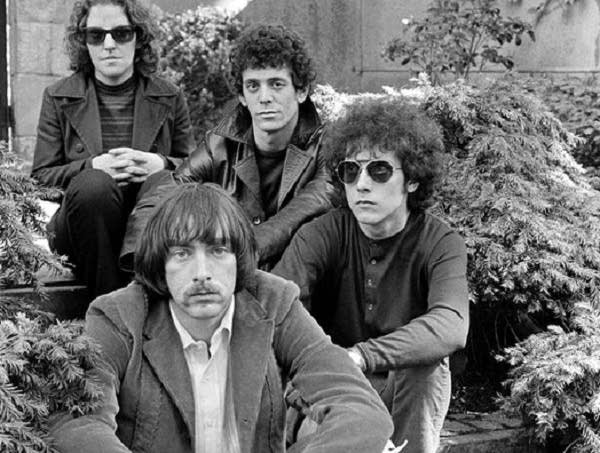
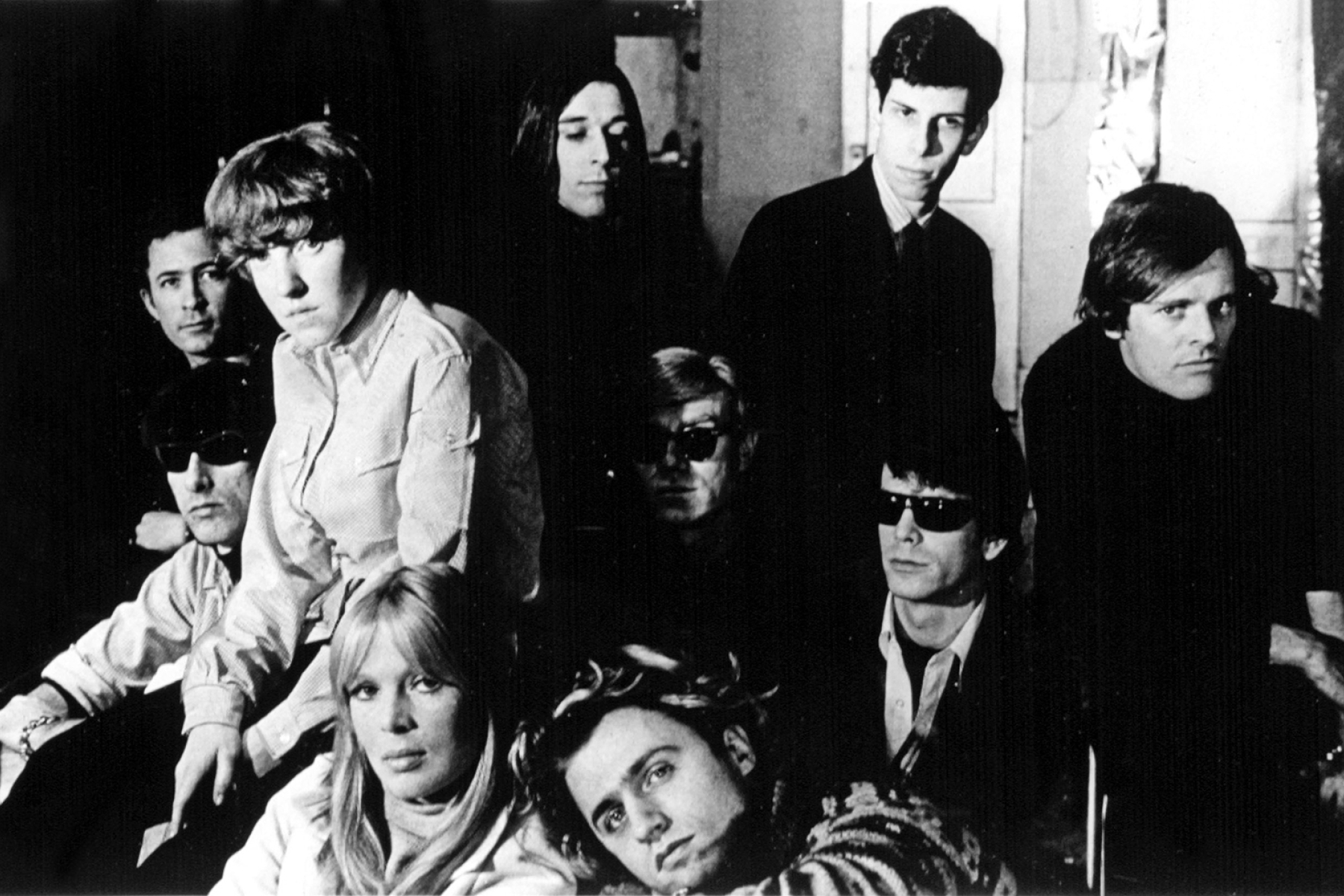
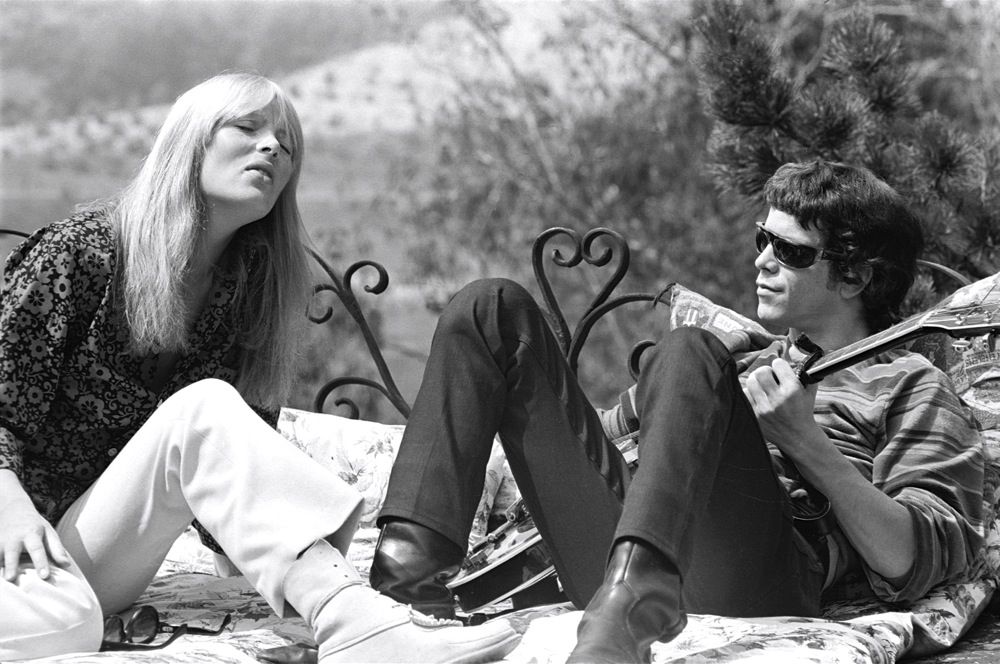
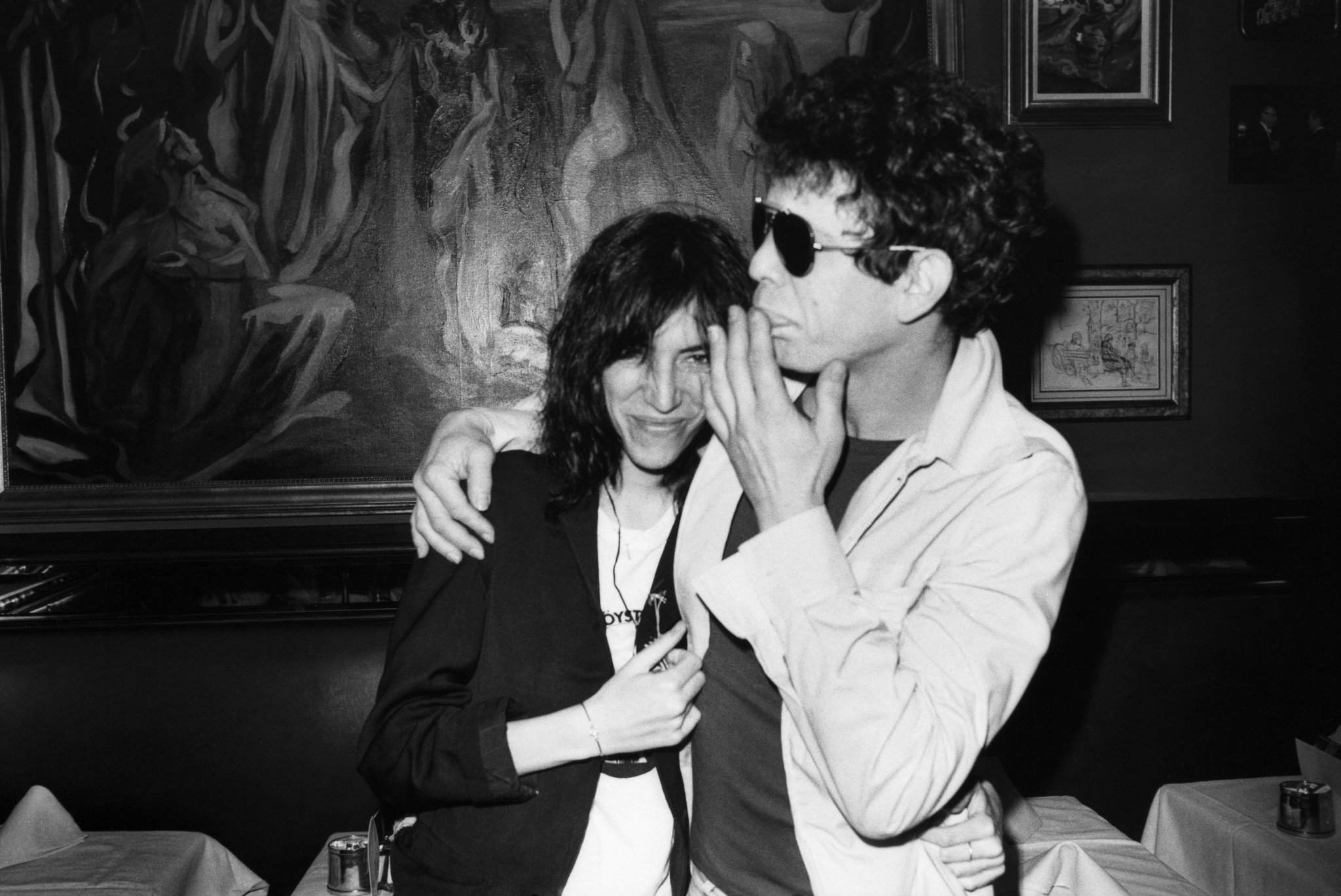
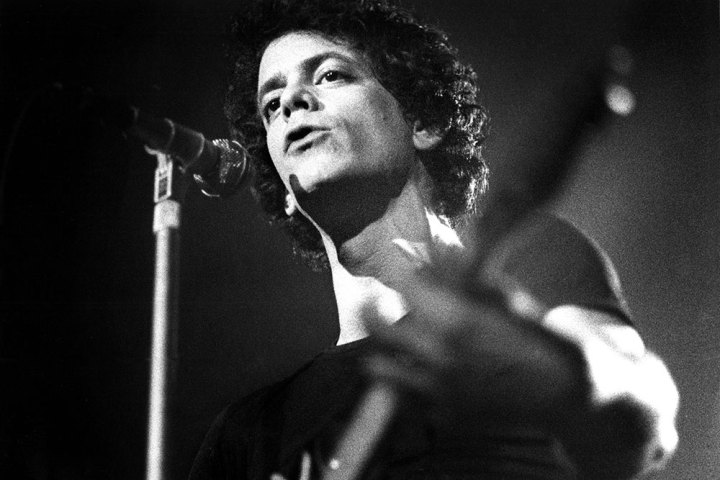
The Velvet Underground consisted, in their heyday, of vocalist/guitarist LouReed, keyboardist/bassist JohnCale, guitarist SterlingMorrison, and MoeTucker on the drumkit. DougYule replaced Cale in 1969, and Teutonic songstress Nico appeared on the group’s debut record.
Often cited as Godfathers of Punk, this hugely influential New York band mixed art rock, minimalism, garage rock, and often quite taboo lyrical subject matter. Brian Eno commented on the group’s initial lack of sales, “Everyone who bought one of those 30,000 albums (referring to the “Banana Album”) ended up starting a band.”
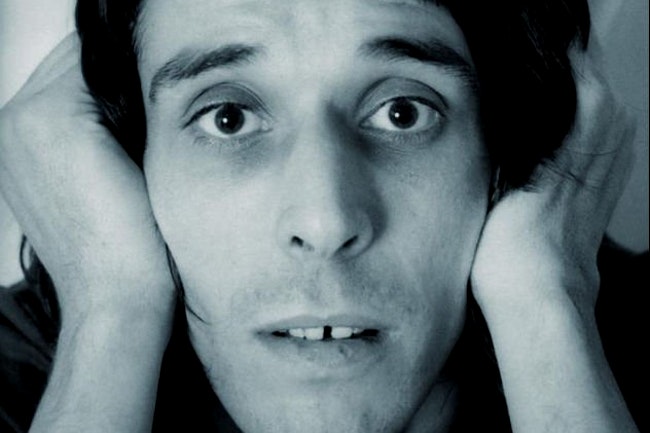
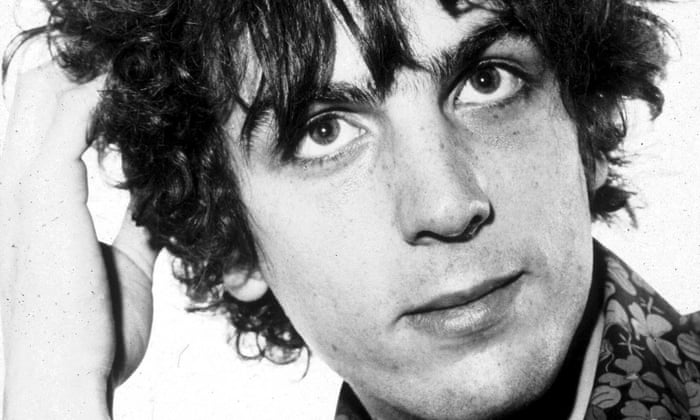
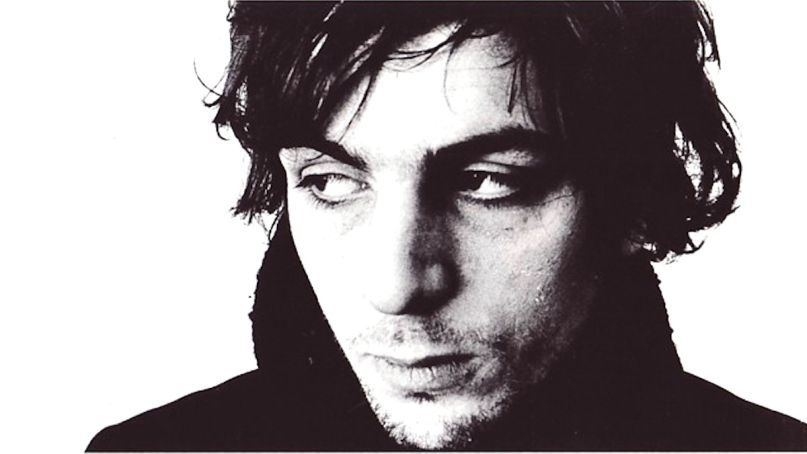
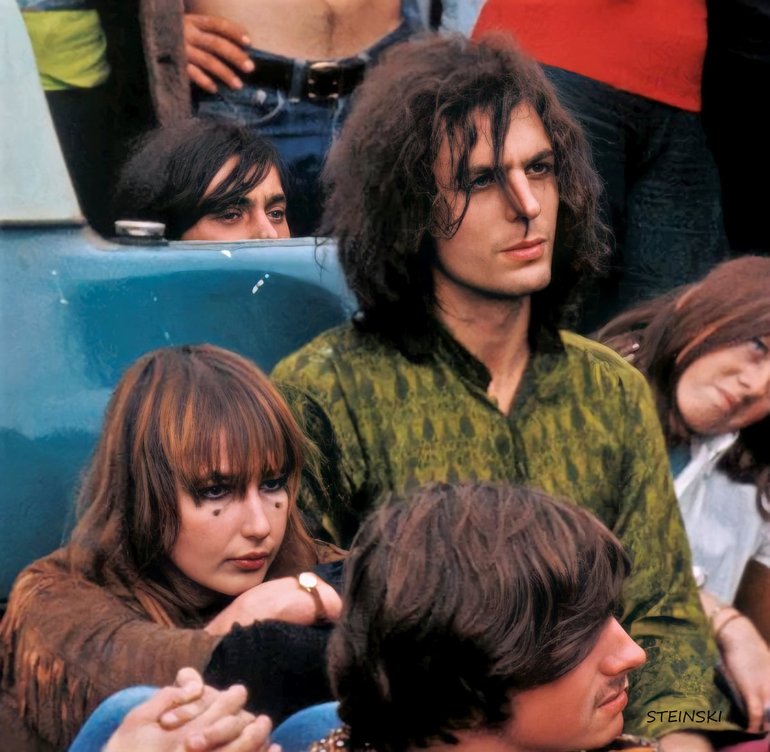
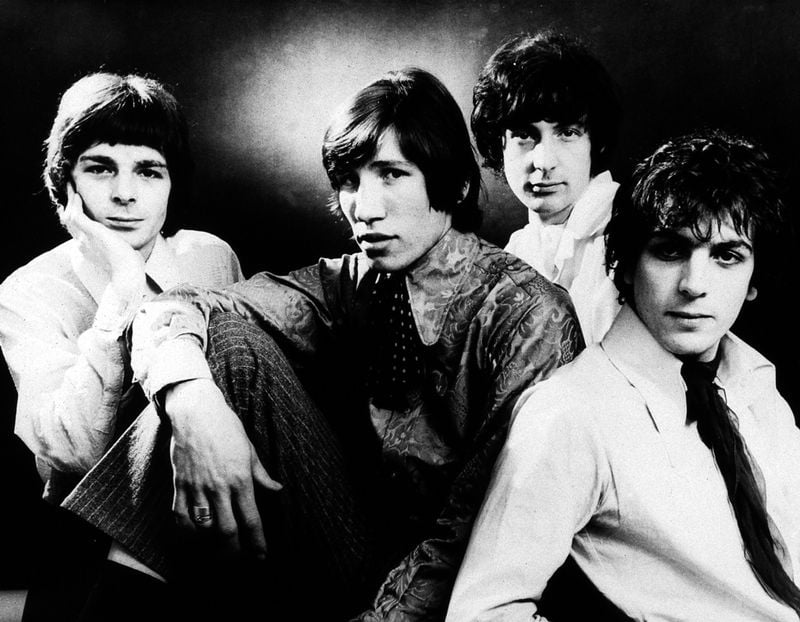
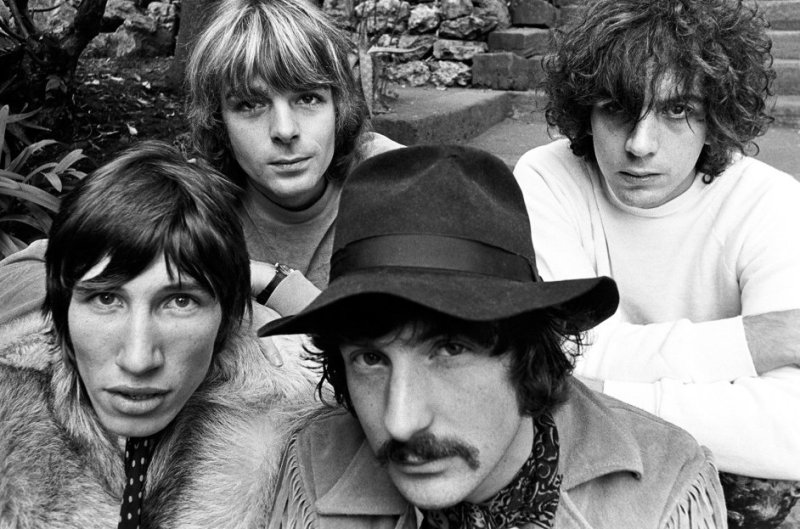
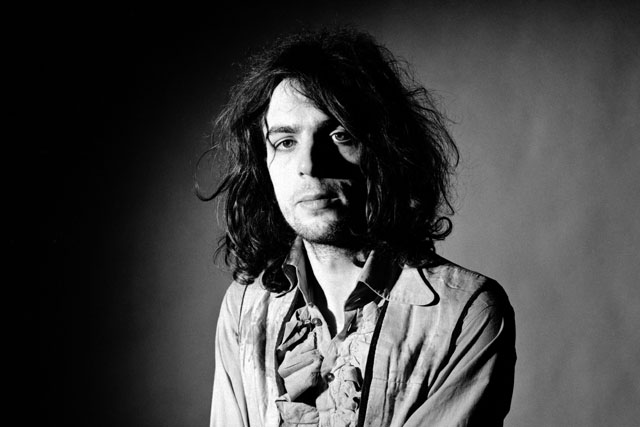
SydBarrett, co-founder and main braintrust of PinkFloyd until his mental state made his departure inevitable, was without doubt one of the greatest, most original musicians of his time. Until being ousted from the band, he contributed the vast majority of the material.
Embarking on a solo career, Barrett composed and performed a wealth of brilliant, if patchwork, songs. Flashes of his genius abounded, but his increasingly erratic behavior made production quite challenging, indeed. Syd released 2 albums worth of material, then retired to private life for the rest of his days.
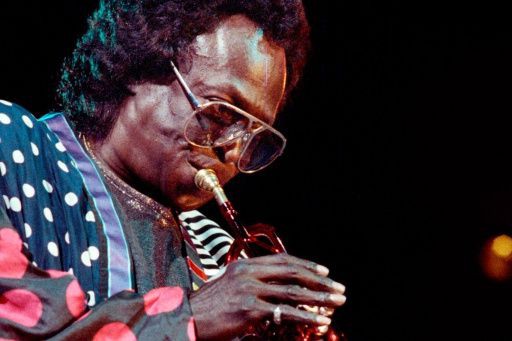
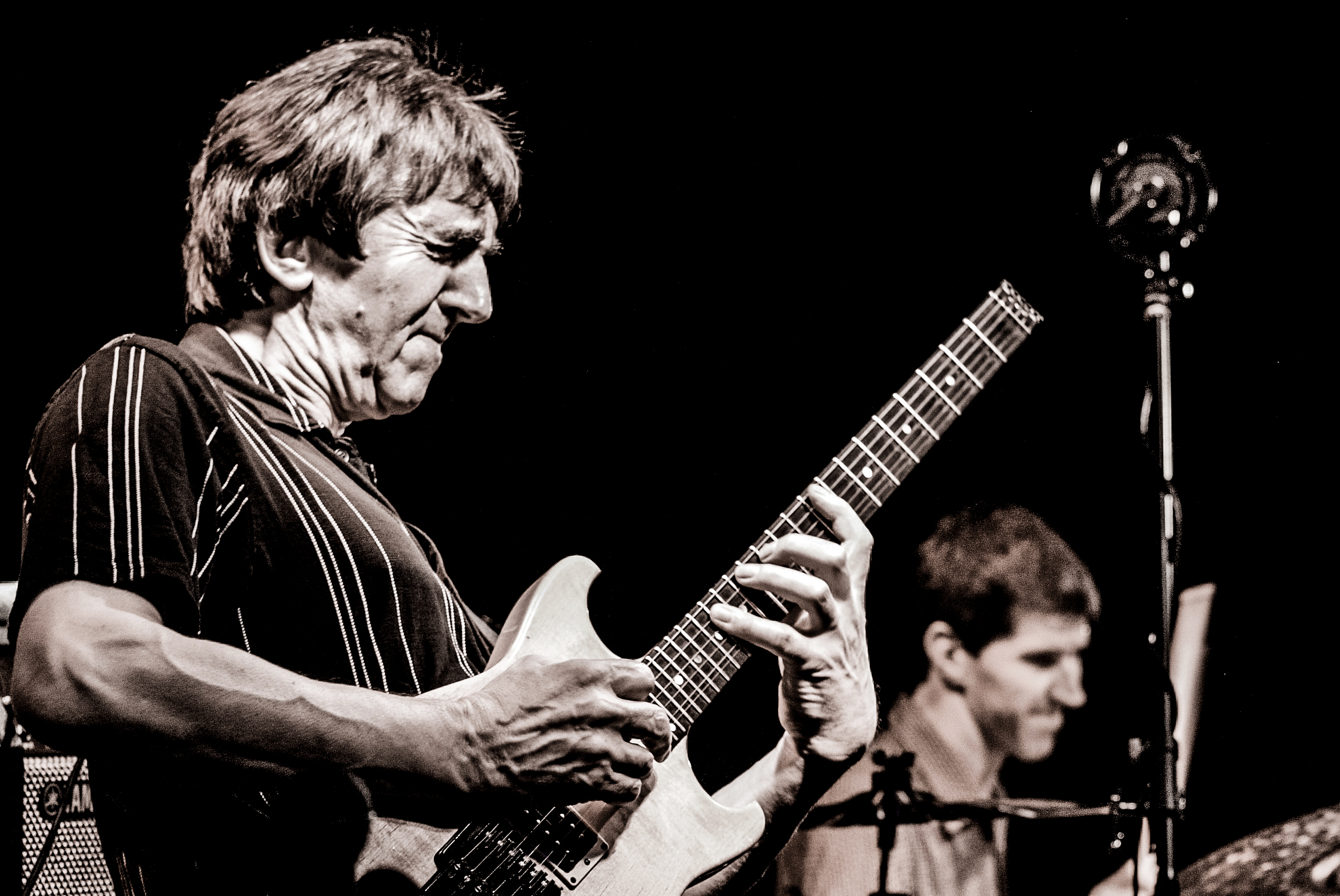
Great moments in Electricity Jazz, or Fusion. Miles pretty much invented it, then along came MahavishnuOrchestra. The latter’s JohnMcLaughlin is a towering instrumentalist, and is featured also in Davis’s Jack Johnson. Belew and Fripp are gods. But perhaps this music’s most brilliant practitioner might be guitarist AllanHoldsworth. A titan of the instrument, revered by Eddie Van Halen, Frank Zappa, and countless others, Holdsworth’s improvisations induce breath-holding and goosebumps.
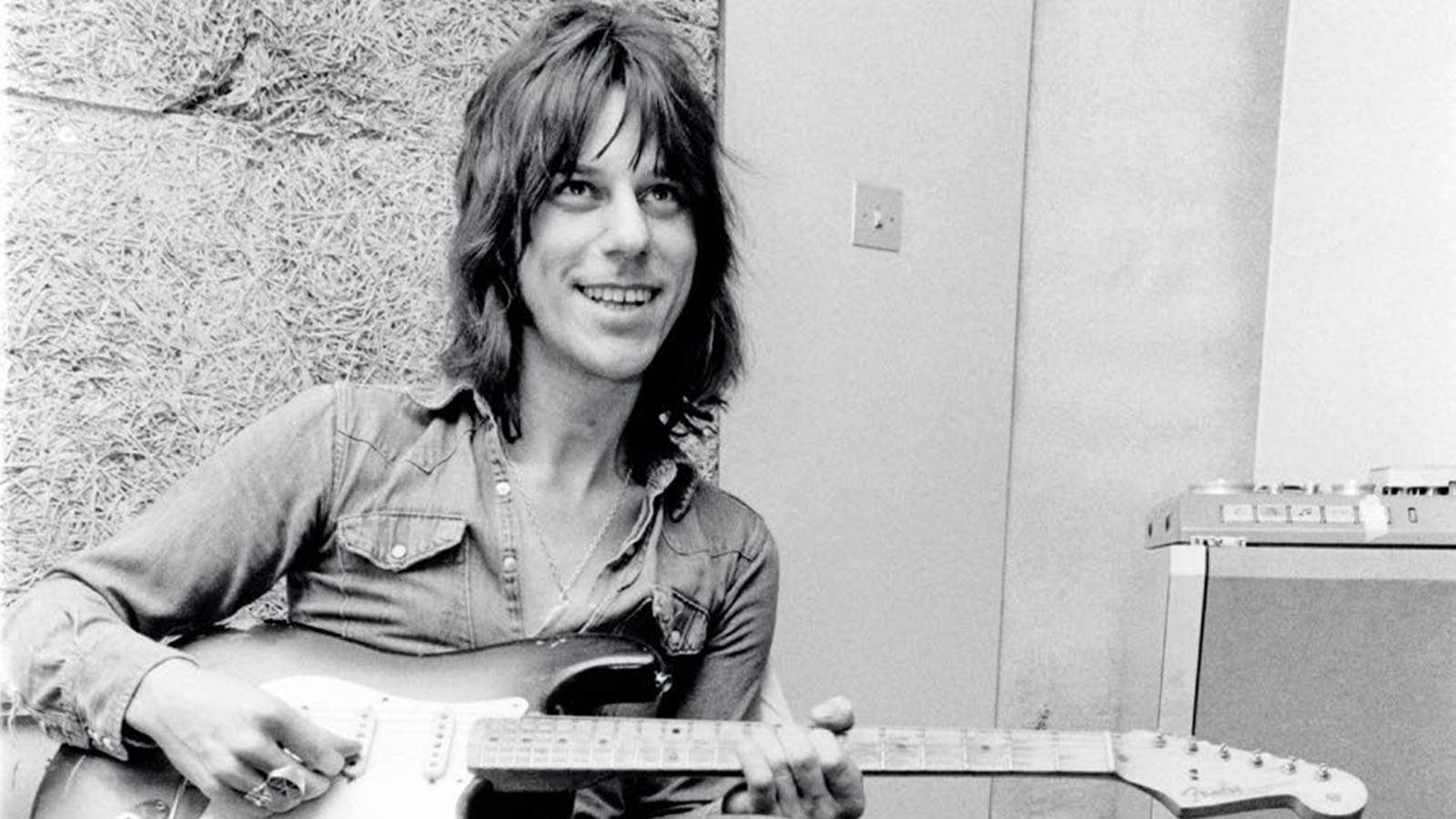
Addendum: as this post evolves, more will be revealed. Inserting now some WeatherReport, featuring Wayne Shorter. And *now*, JeffBeck.
And furthermore: PatMartino. And LarryCoryell. And Material, featuring BillLaswell.
The Girls in ParisThe NightsAfter Six {from Lee Hazlewood-ism…}
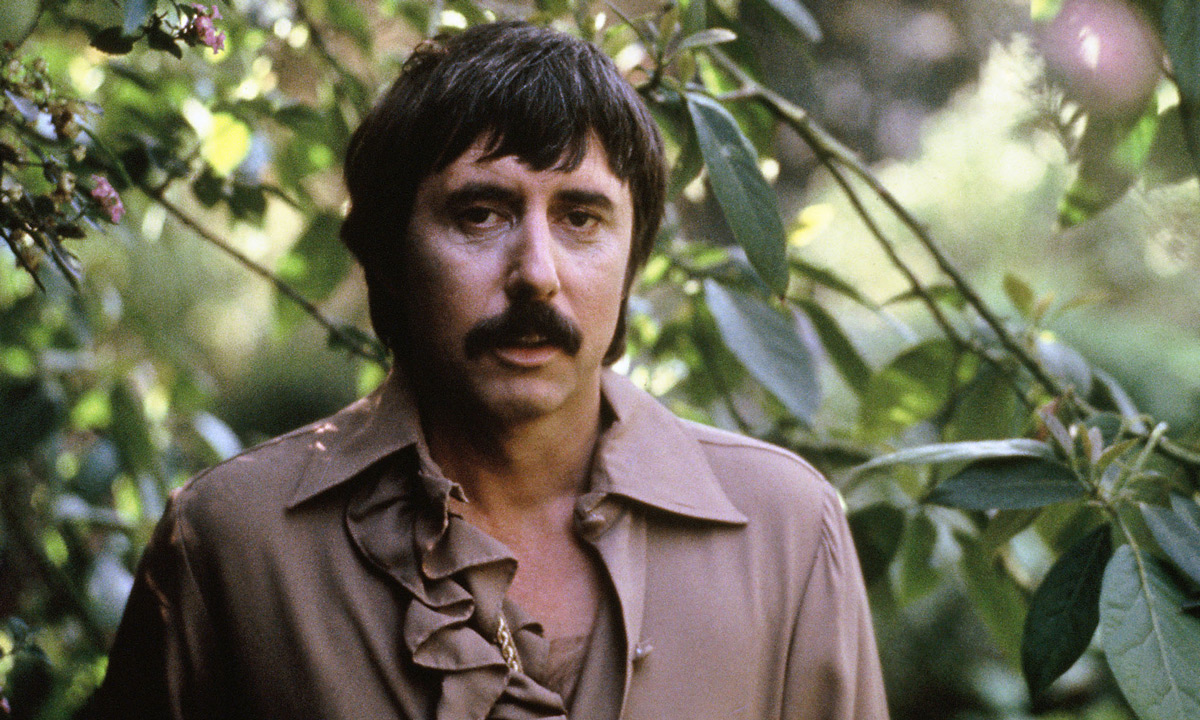
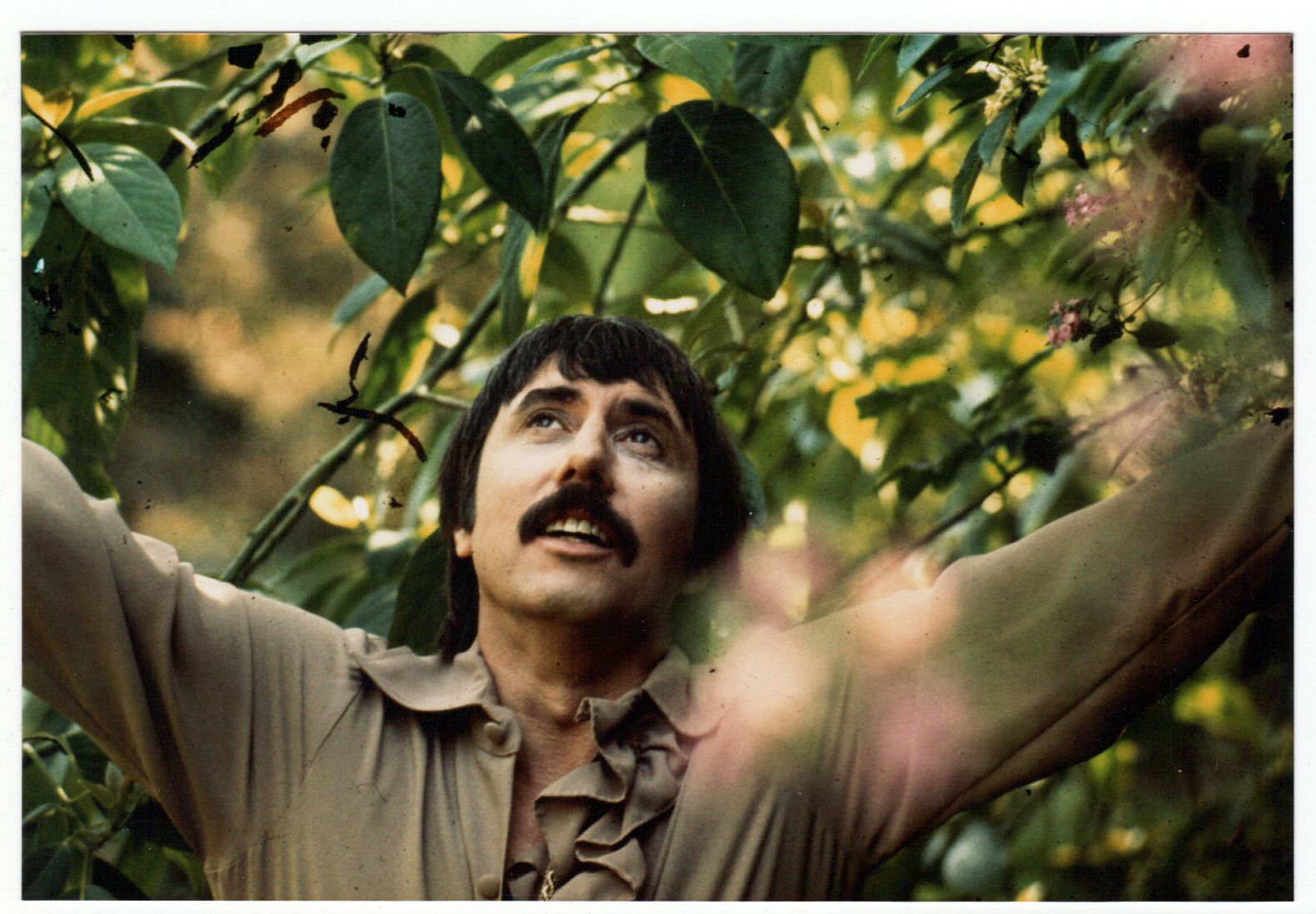
LeeHazlewood came to be known as a songwriter for, and vocalist with, the wonderful NancySinatra. His gravelly baritone was the perfect compliment to Sinatra’s pure-as-gold pipes. But he was far, far more than that. Listening to his solo material, it’s hard not to be won over by the deadpan idiosyncrasies that pervade his songs and delivery. Wry humour, outright quirkiness, and a wistful sense of loss are Lee’s calling cards. A wonderful musician, the leading light of “Cowboy Psychedelia”. But most importantly, he’s utterly, unapologetically himself.






































































 Bideodromage