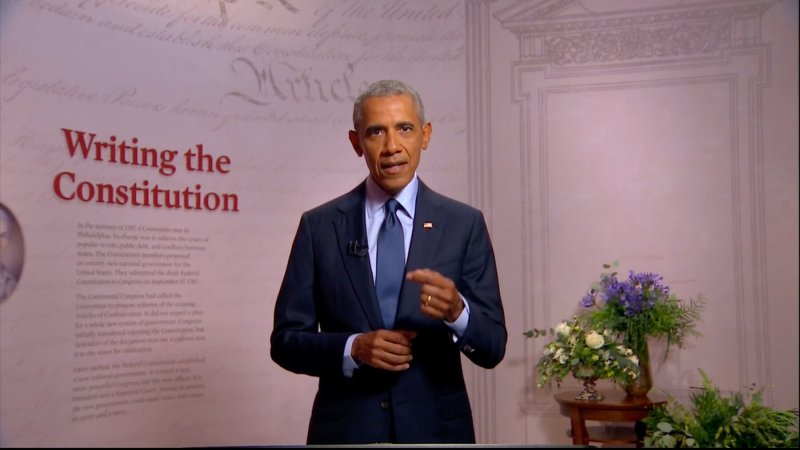
Full transcript of 2020 DNC speech here. Truly one for the ages.
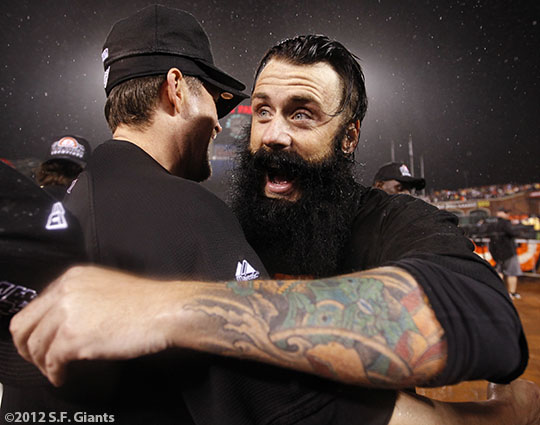
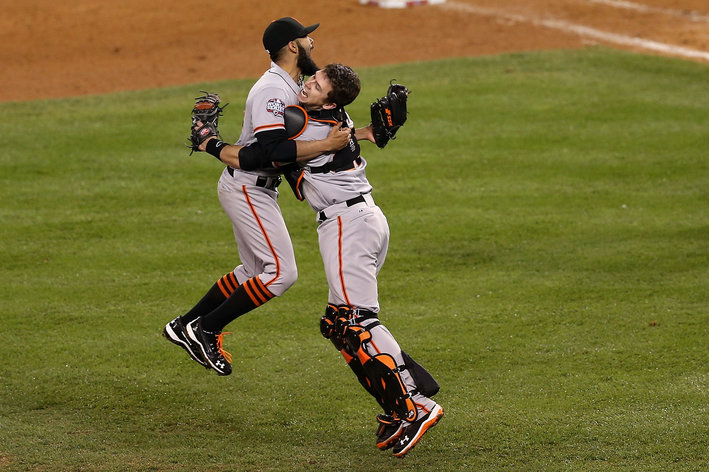
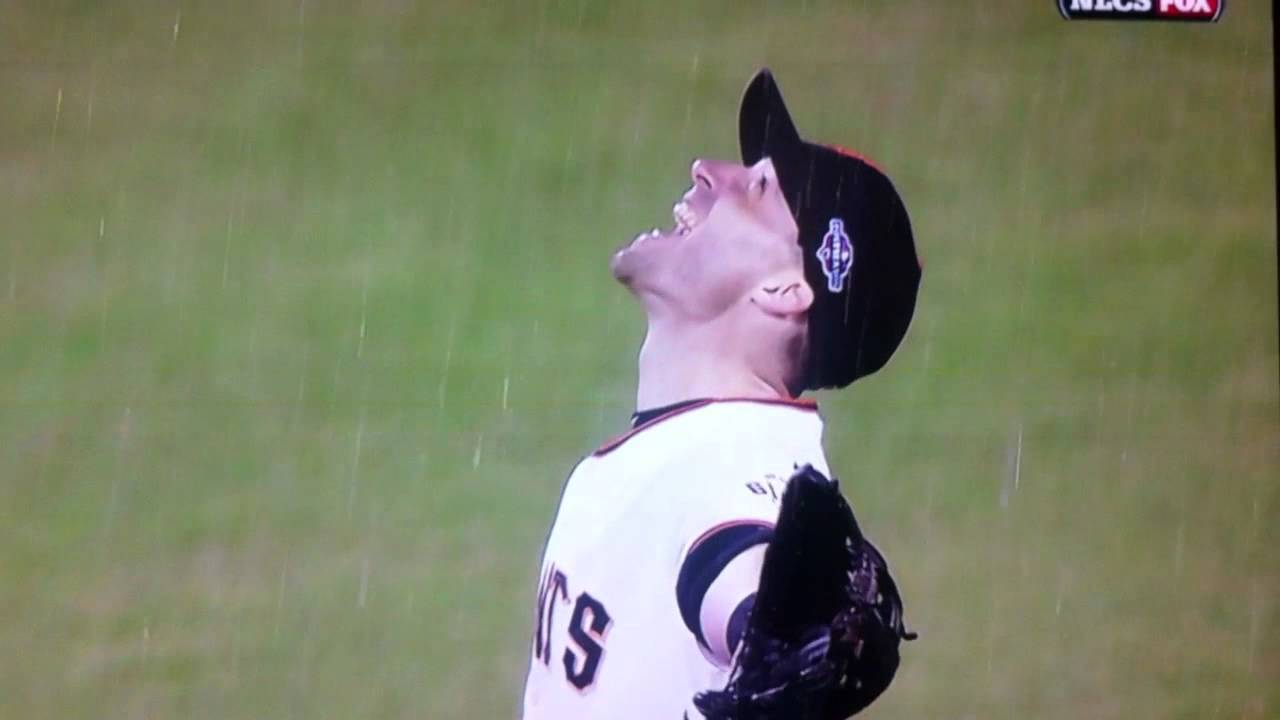
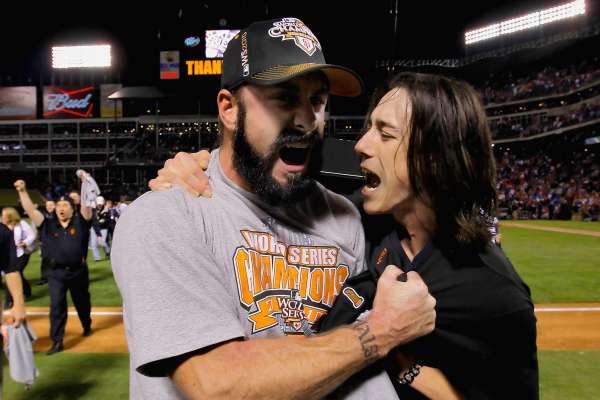
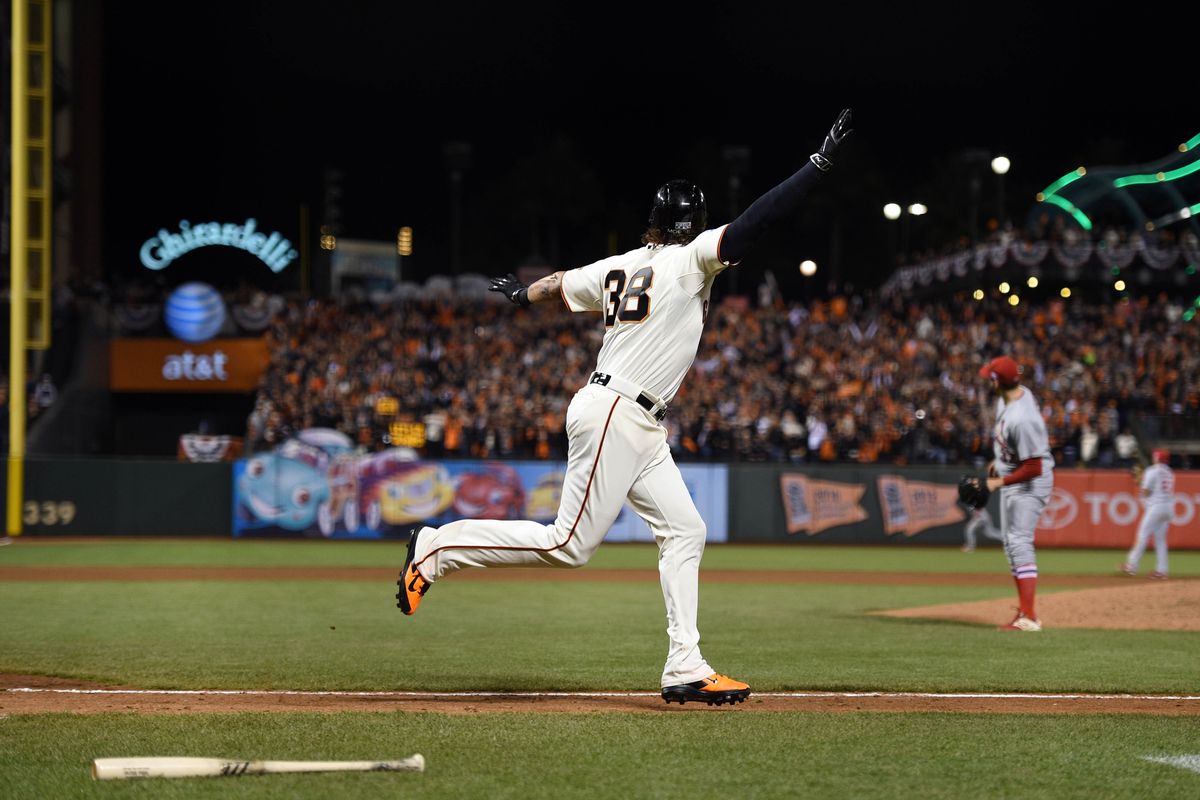
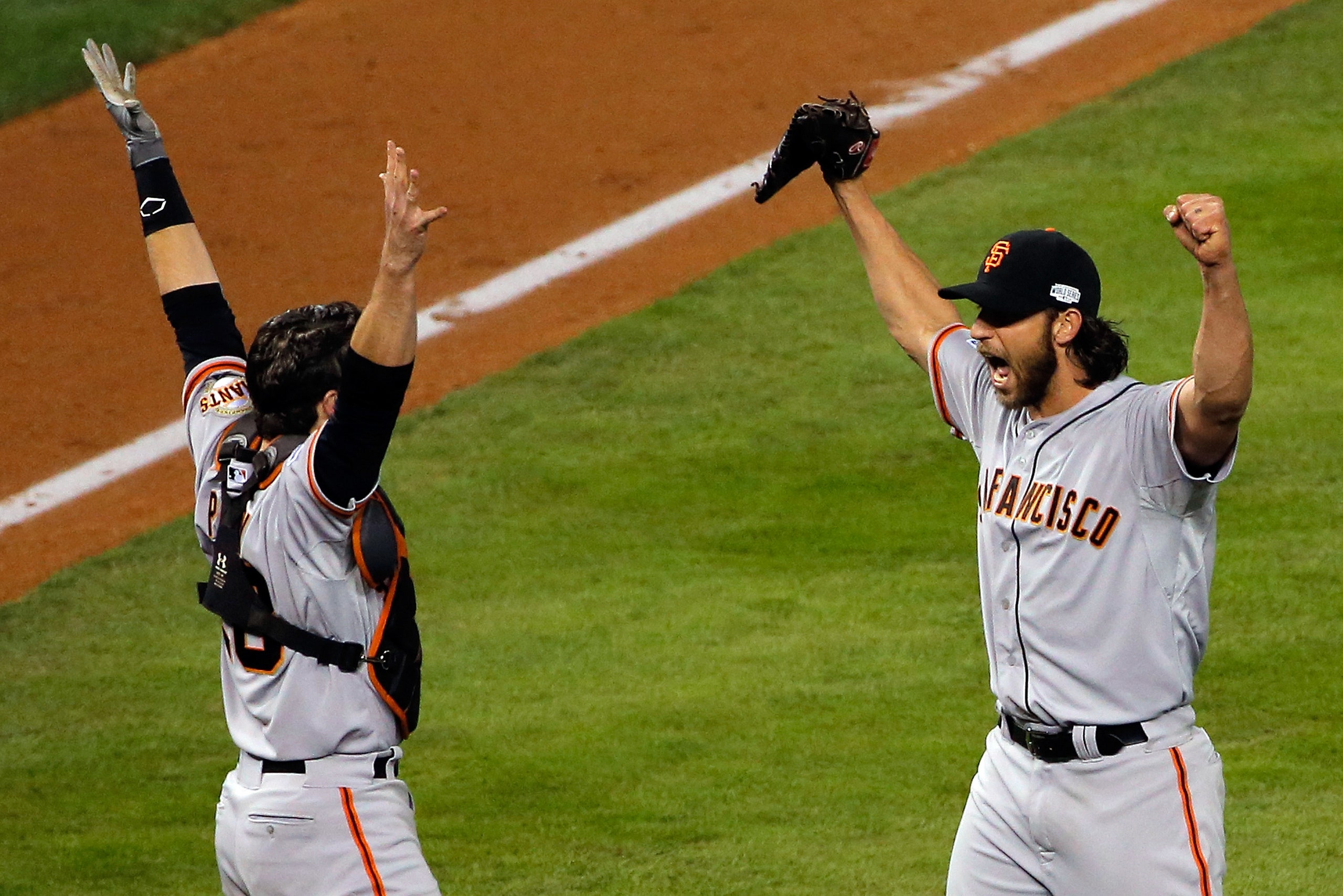
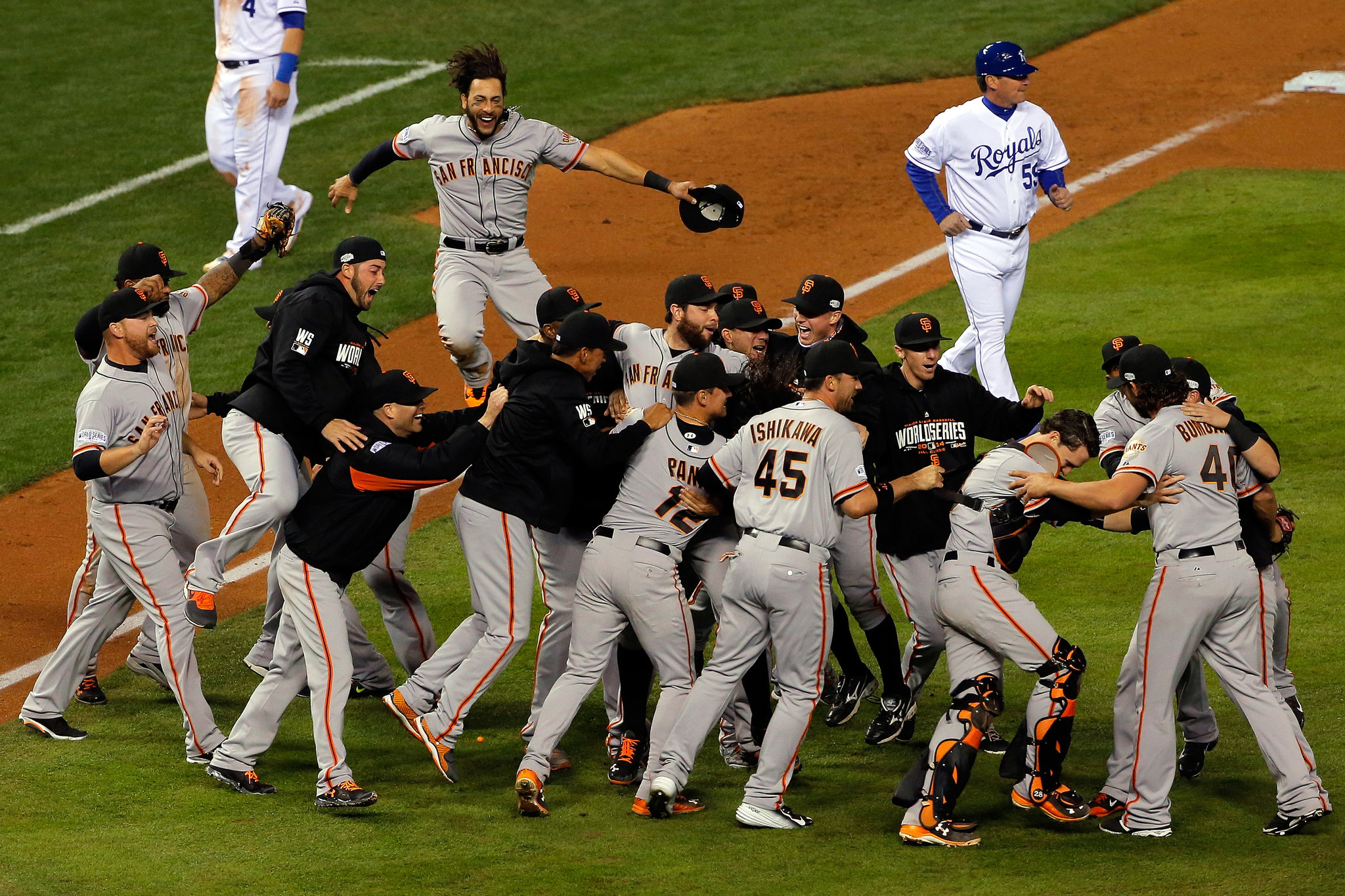
Highlights from the 2010, 2012, and 2014 World Series Championships for the San Francisco Giants.
Please see our related post focusing on 2010 and 2012, at our site Bideodromage II.
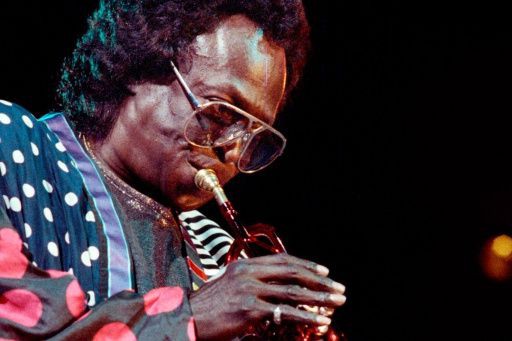
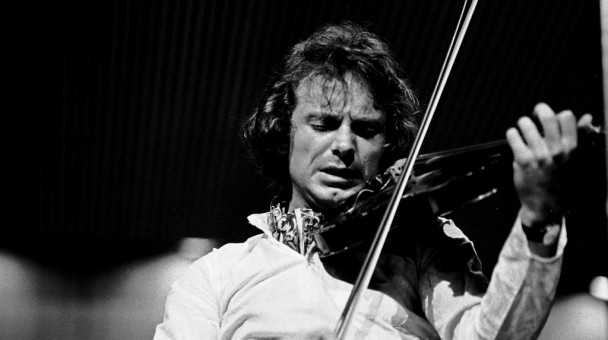
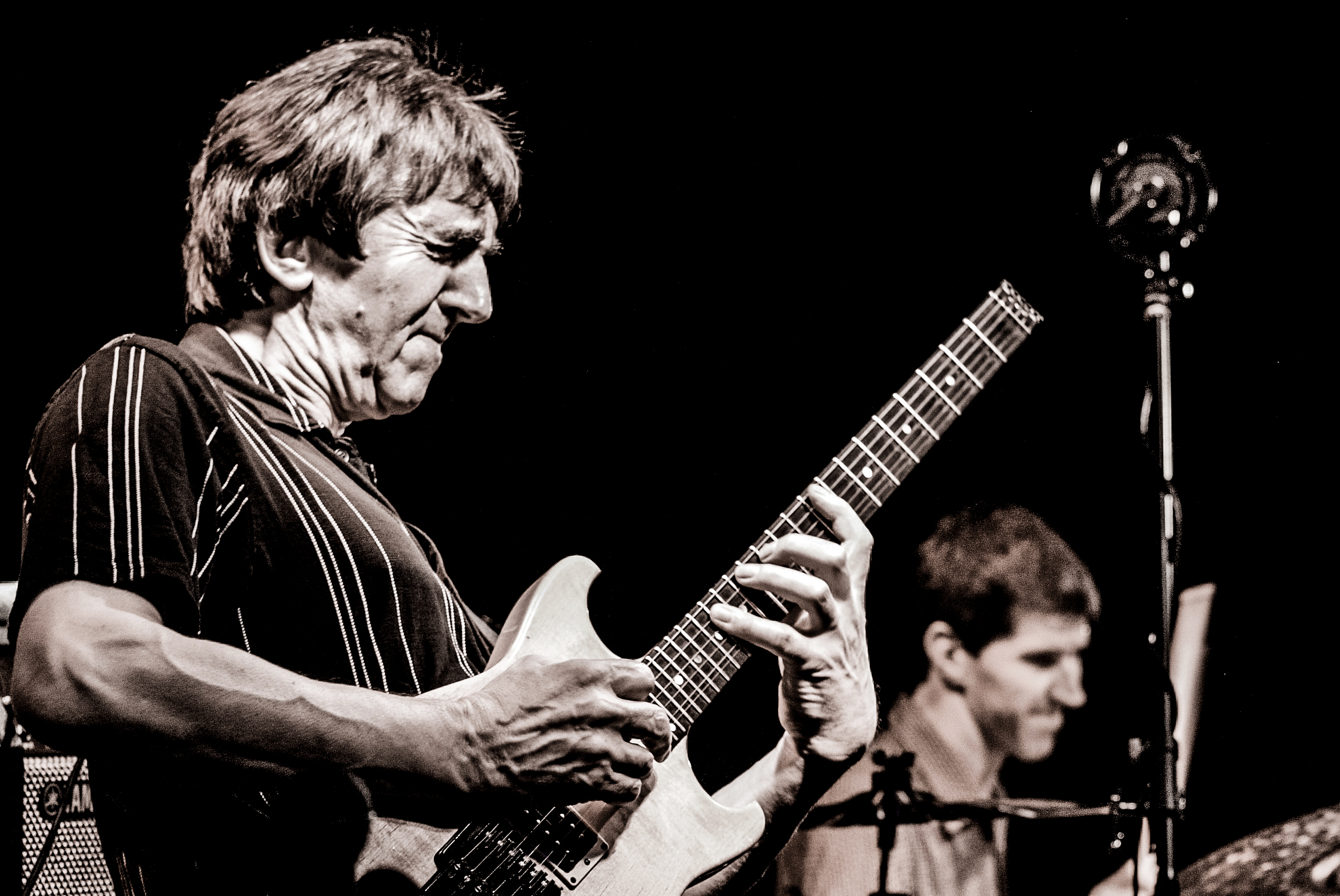
Great moments in Electricity Jazz, or Fusion. Miles pretty much invented it, then along came Mahavishnu Orchestra. The latter’s John McLaughlin is a towering instrumentalist, and is featured also in Davis’s Jack Johnson. Belew and Fripp are gods. But perhaps this music’s most brilliant practitioner might be guitarist Allan Holdsworth. A titan of the instrument, revered by Eddie Van Halen, Frank Zappa, and countless others, Holdsworth’s improvisations induce breath-holding and goosebumps.
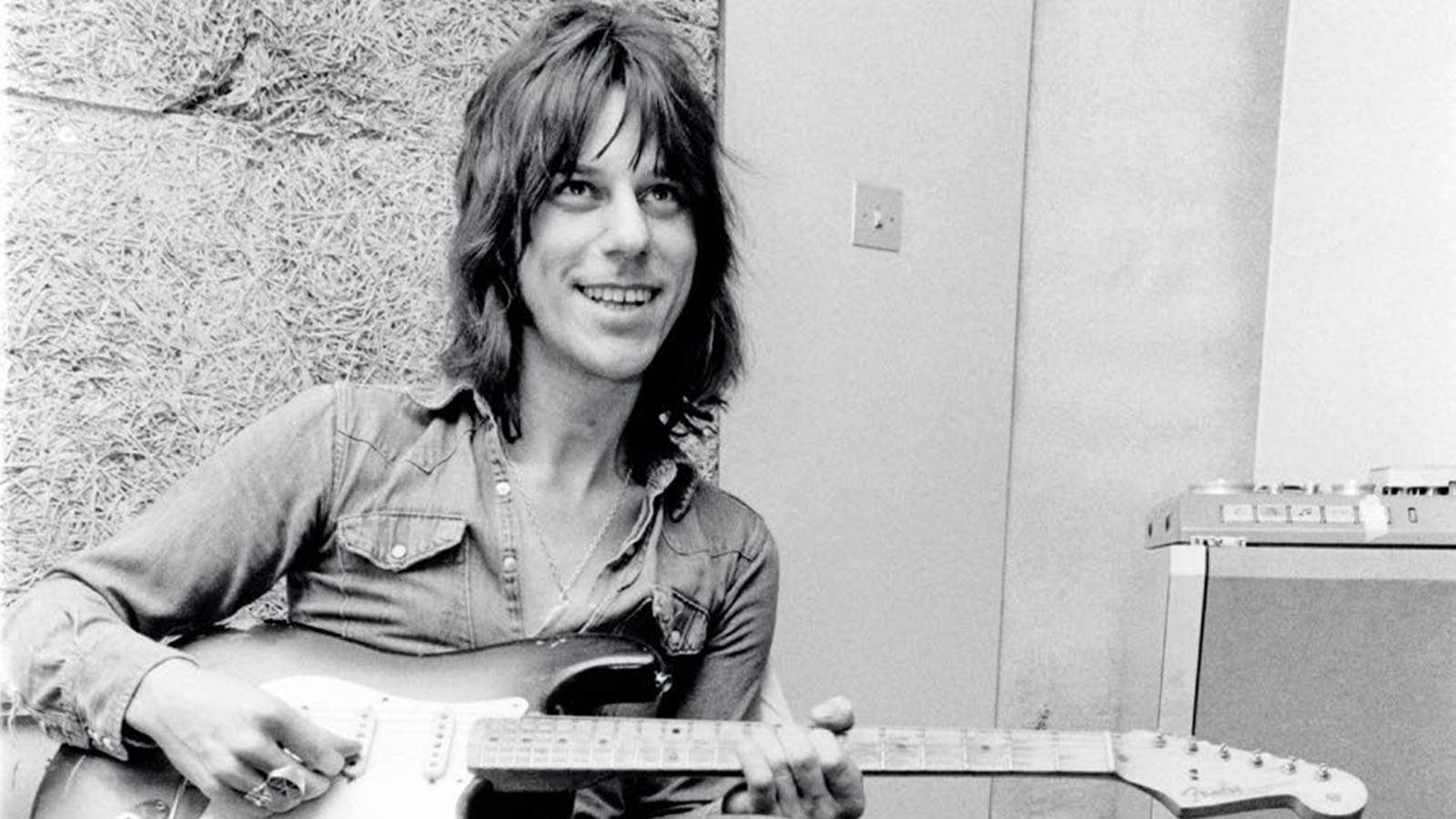
Addendum: as this post evolves, more will be revealed. Inserting now some Weather Report, featuring Wayne Shorter. And *now*, Jeff Beck.
And furthermore: Pat Martino. And Larry Coryell. And Material, featuring Bill Laswell.
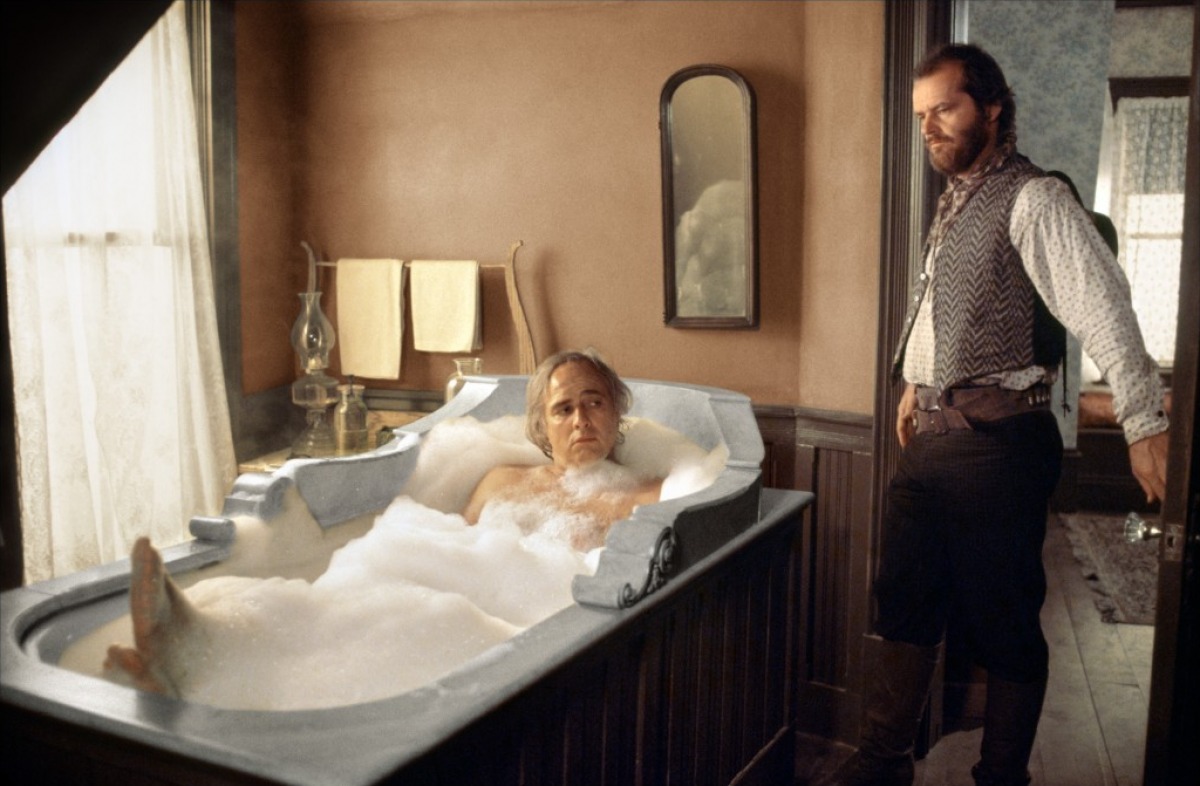
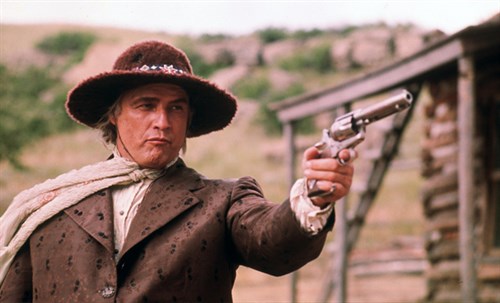
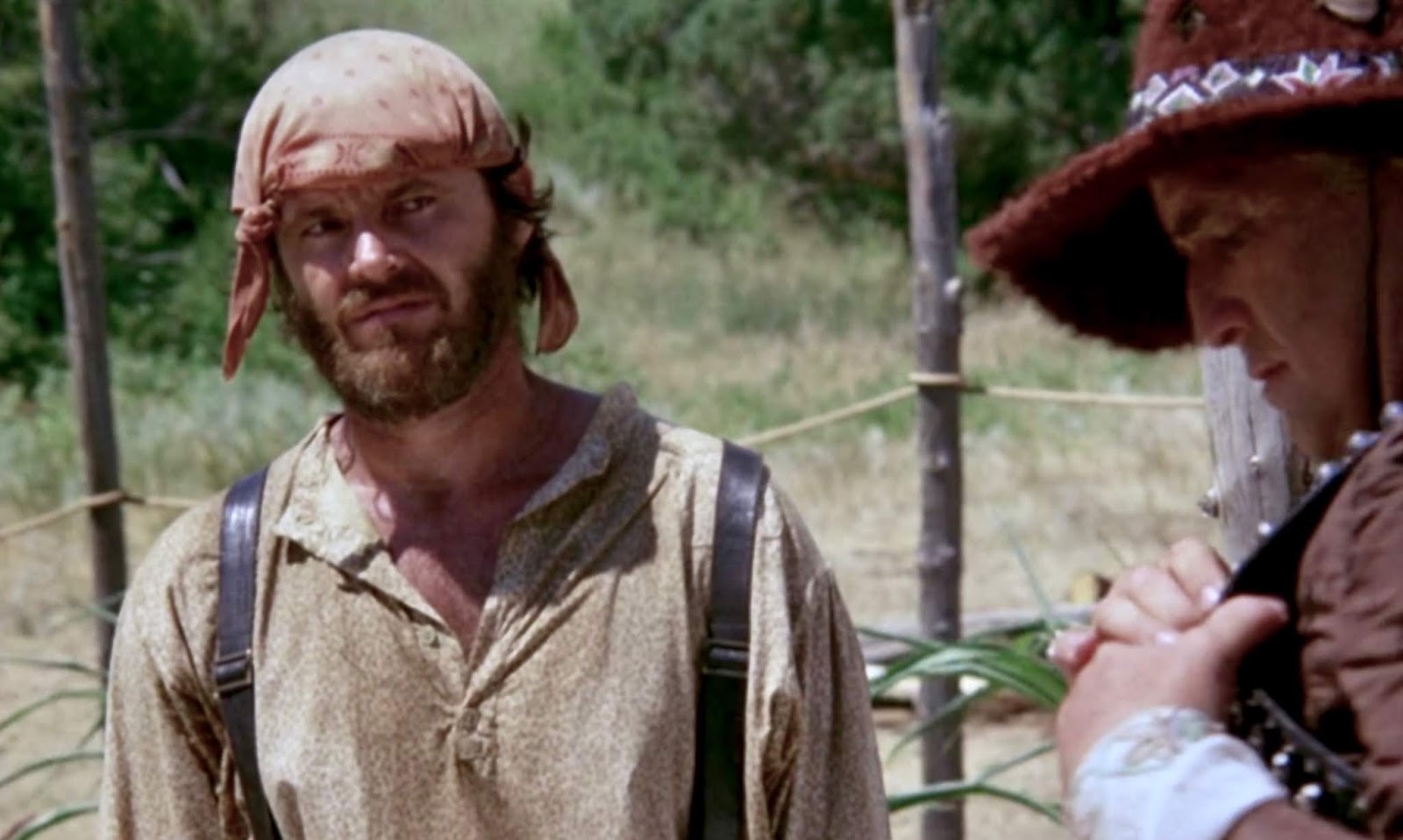
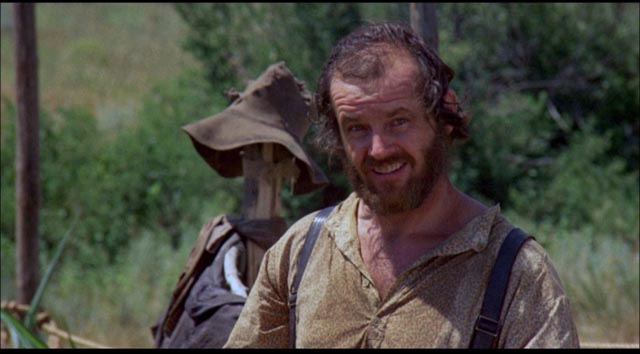
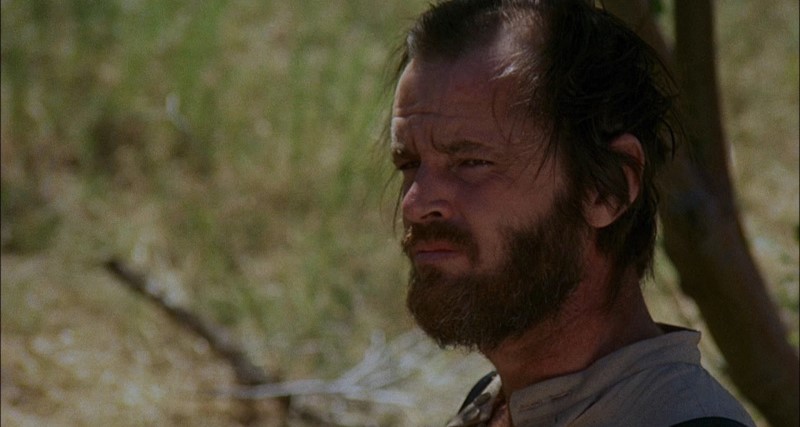
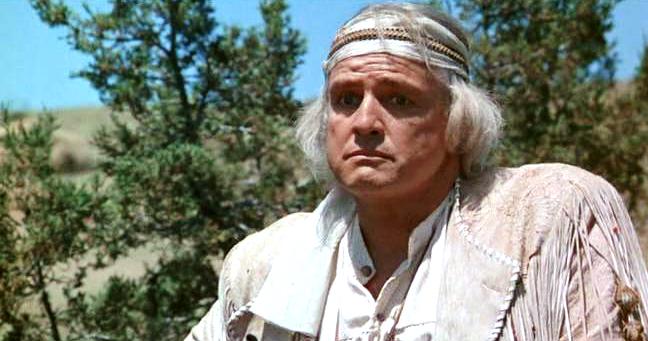
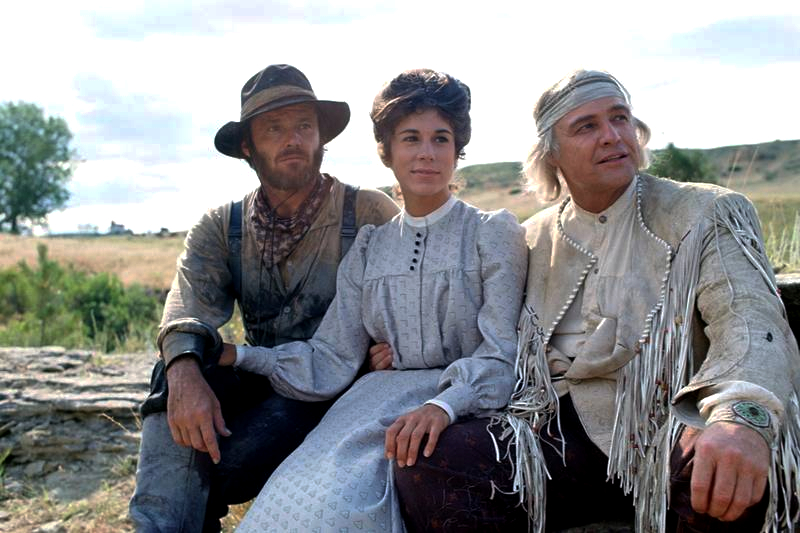
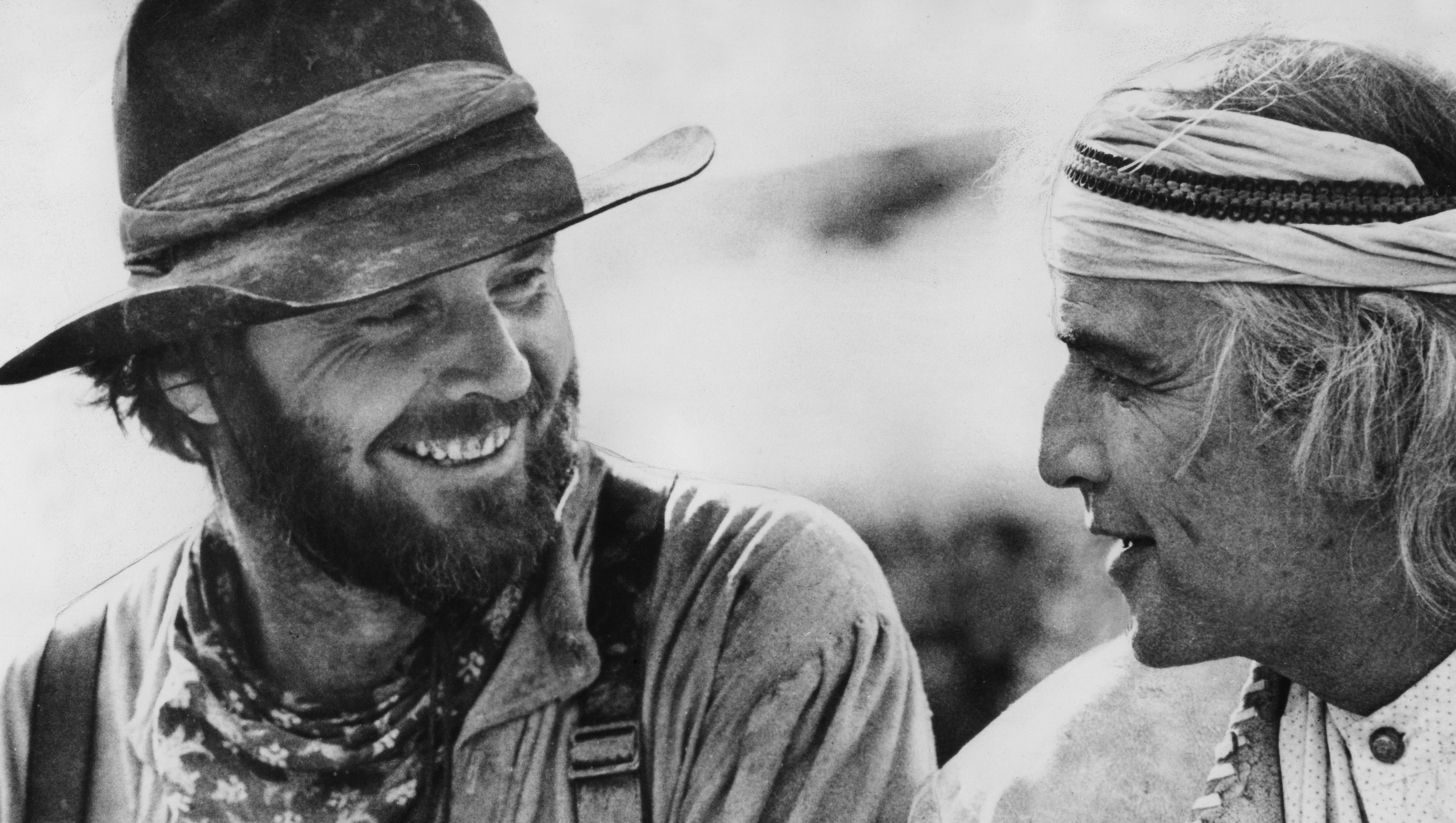
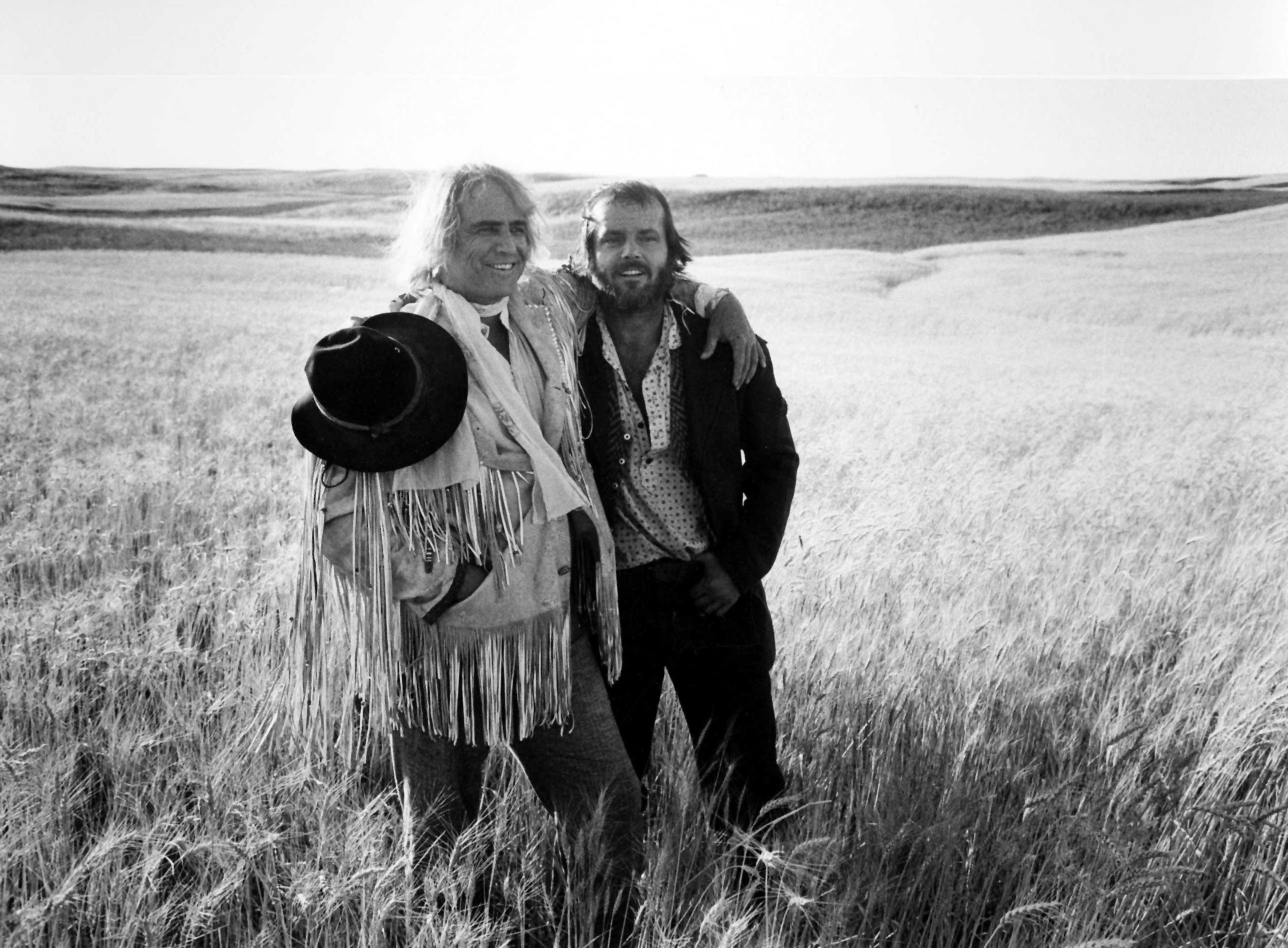
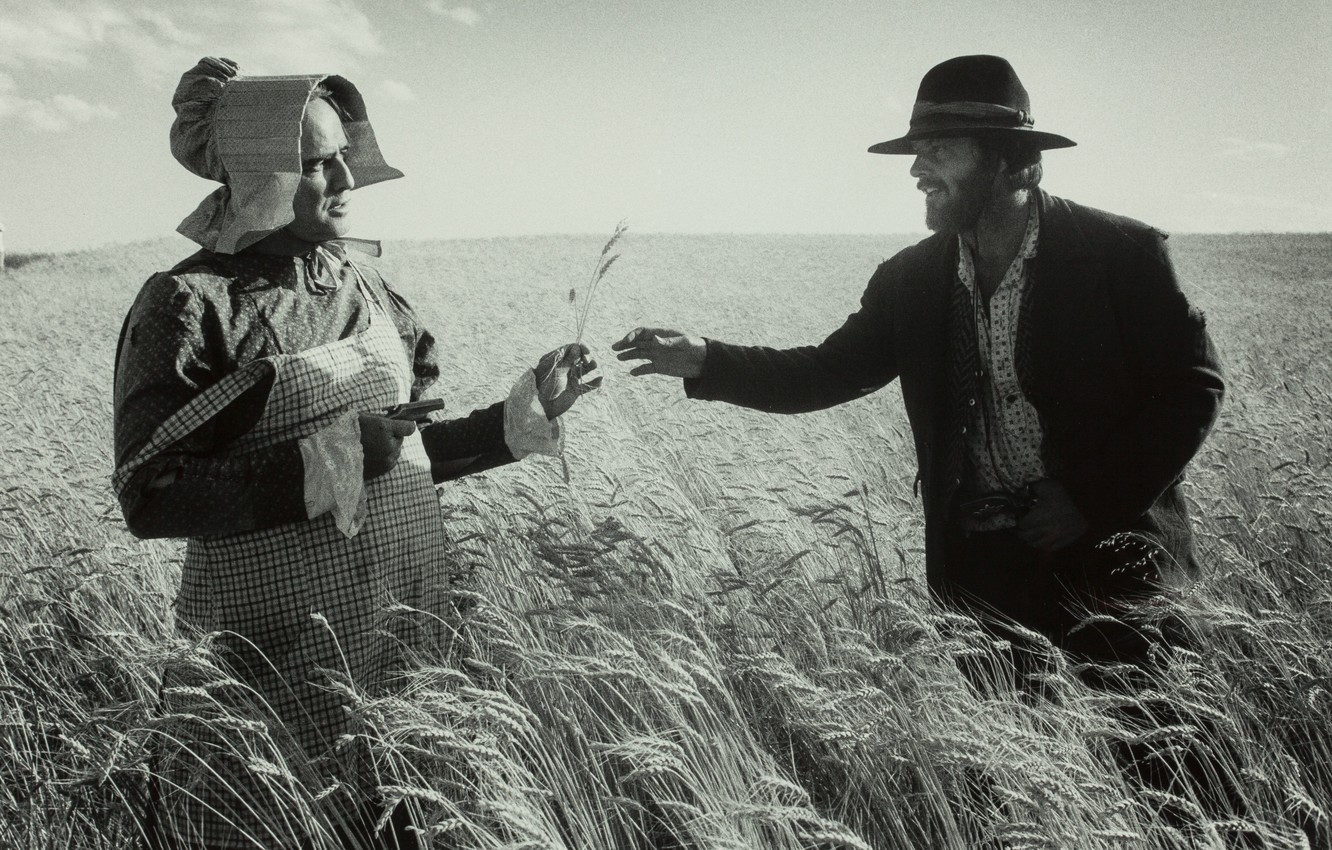
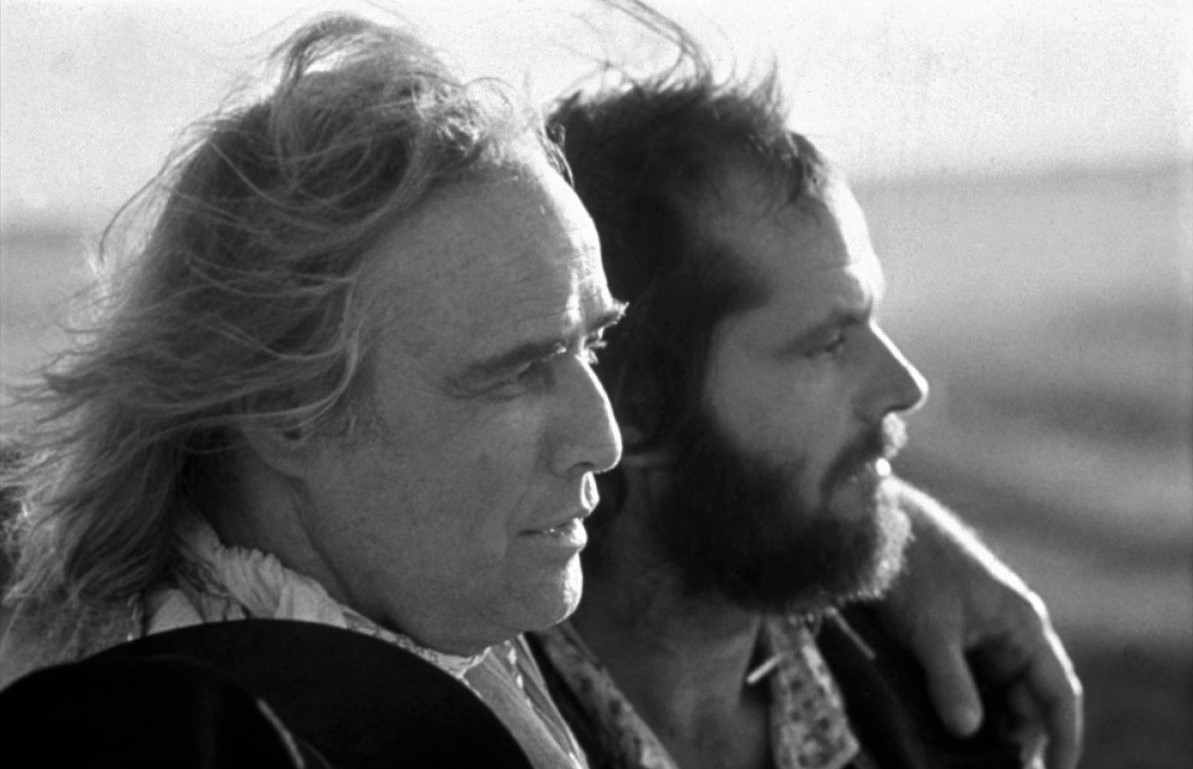
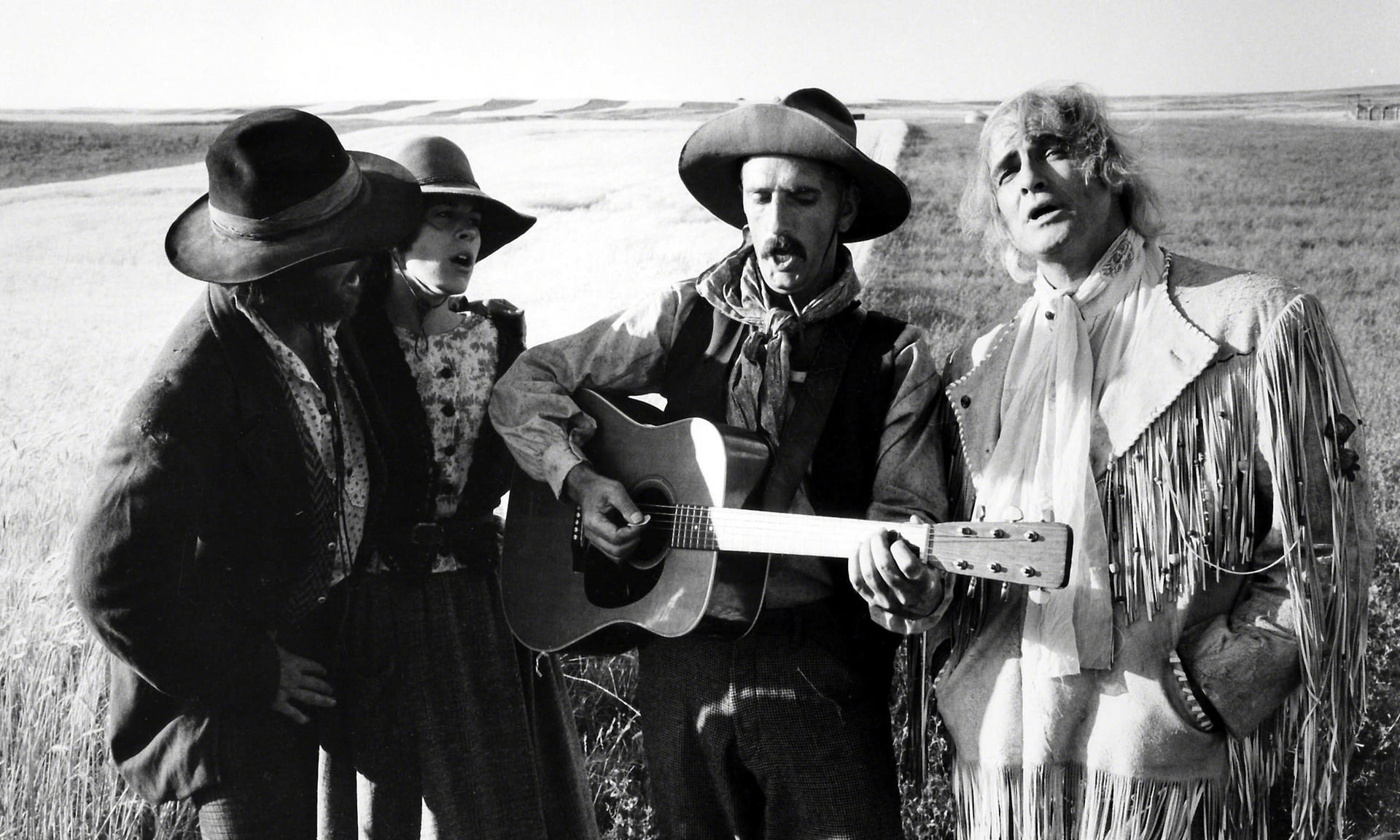
This offbeat, rather twisted Western presents the intertwined stories of Tom Logan (Jack Nicholson) and his good-hearted, somewhat hapless rustling gang, and Lee Clayton (Marlon Brando), a so-called “regulator” (hired killer) whose job it is to identify and curtail the activities of Logan, et al. As the film progresses, an ever-increasing sense of dread and disquiet permeate the proceedings, as it becomes clearer all the time that the eccentric Clayton is a ruthless, sadistic sociopath, who relishes his deadly machinations and depraved exploits. The bounty hunter’s bewildering array of accents and disguises also merits mentioning.
Arthur Penn directed this cult masterpiece, and allowed the actors, especially Brando, to find their own way with the characters, including improvising much of the dialogue. Idiosyncratically paced, this oddball absurdist comedy/western thriller deconstructs the genre to beautiful effect, and Marlon Brando’s incomprehensibly stunning performance ultimately defines and lifts the film to the very heights.
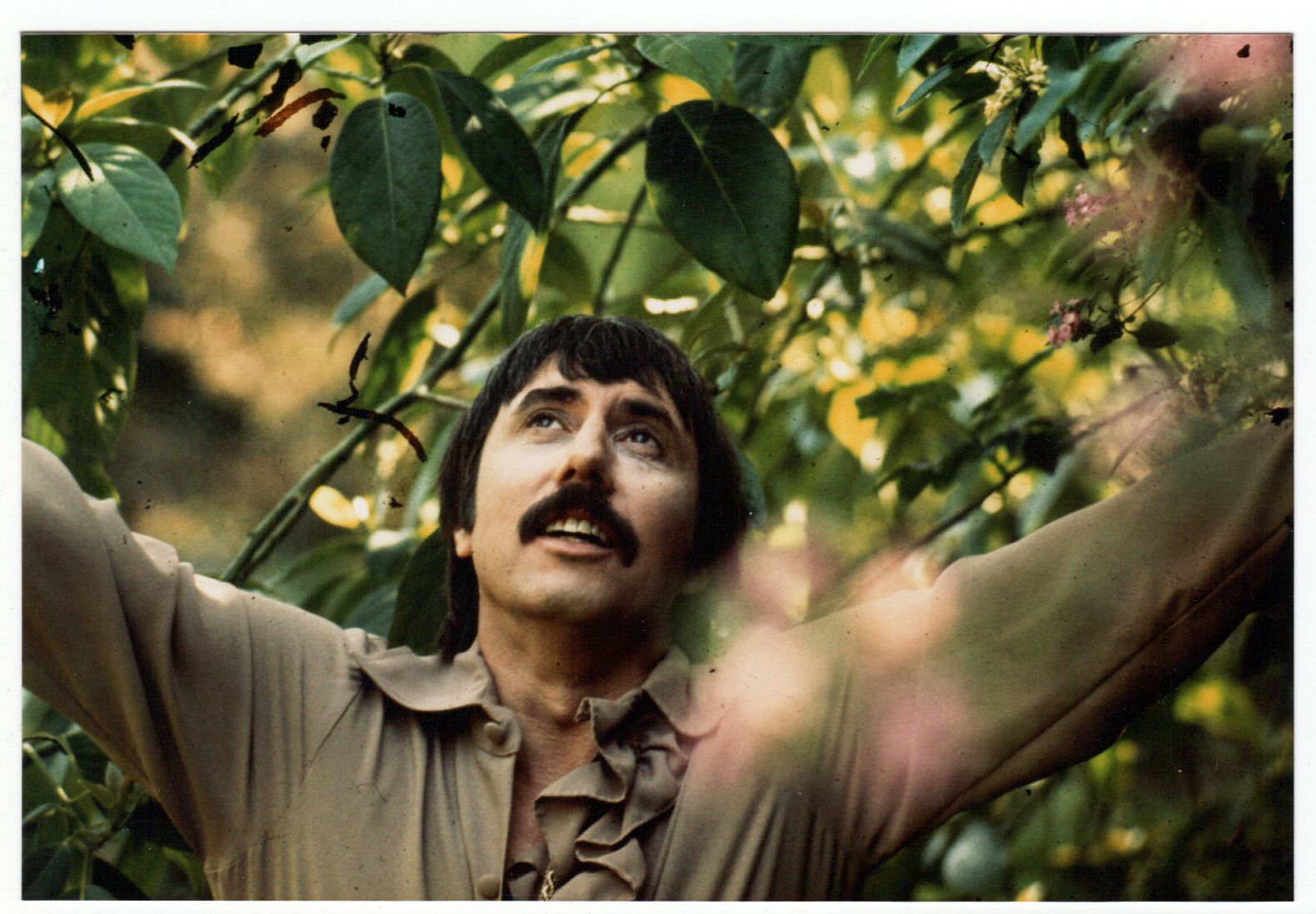
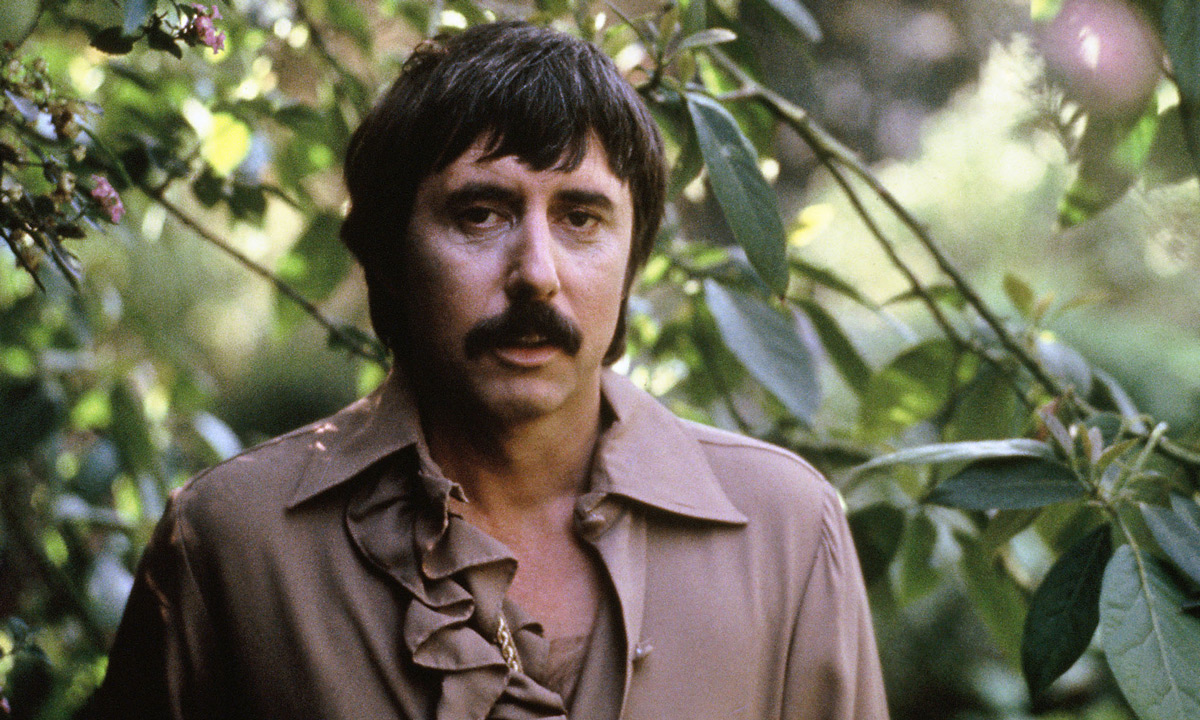
Lee Hazlewood came to be known as a songwriter for, and vocalist with, the wonderful Nancy Sinatra. His gravelly baritone was the perfect compliment to Sinatra’s pure-as-gold pipes. But he was far, far more than that. Listening to his solo material, it’s hard not to be won over by the deadpan idiosyncrasies that pervade his songs and delivery. Wry humour, outright quirkiness, and a wistful sense of loss are Lee’s calling cards. A wonderful musician, the leading light of “Cowboy Psychedelia”. But most importantly, he’s utterly, unapologetically himself.
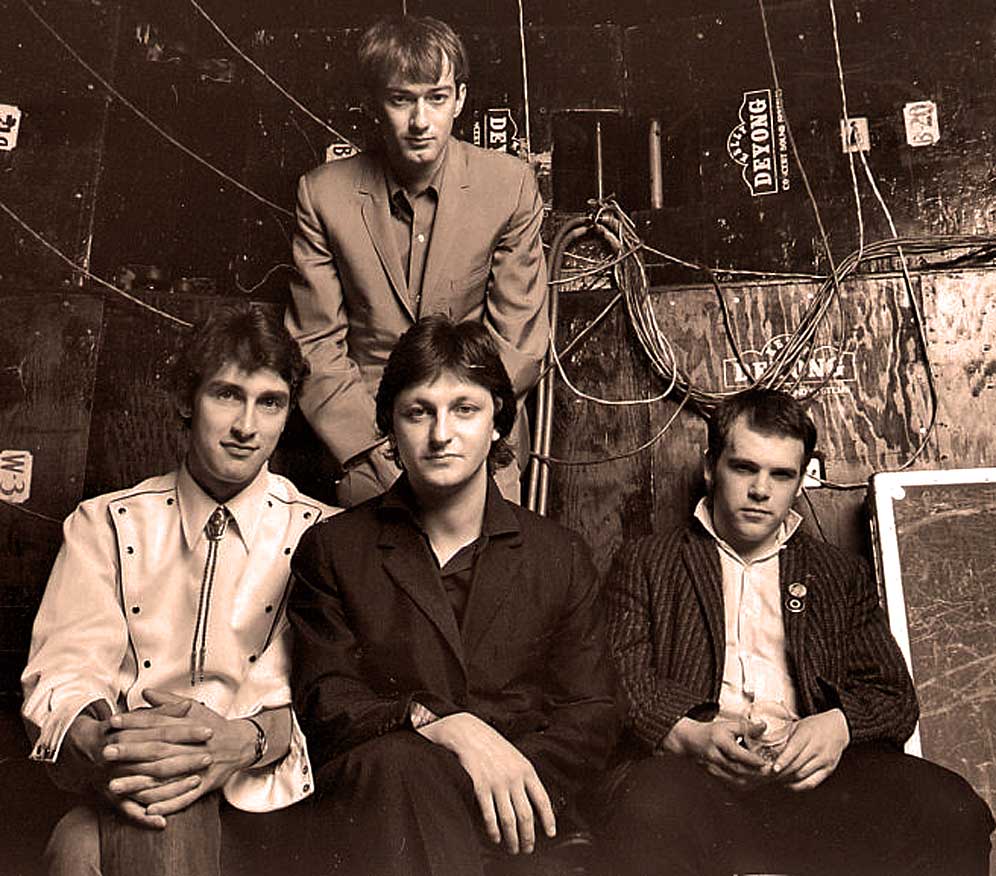
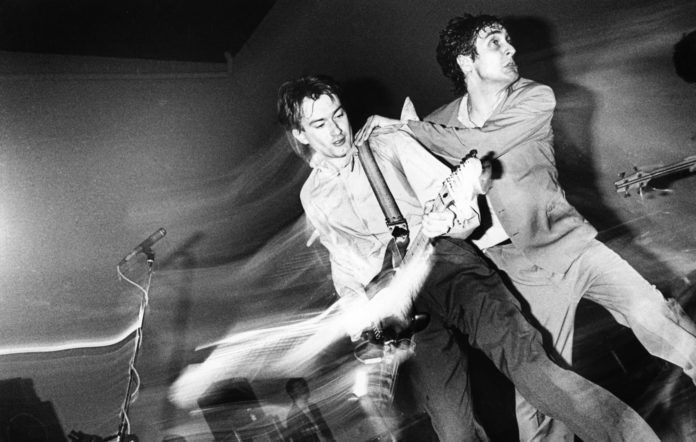
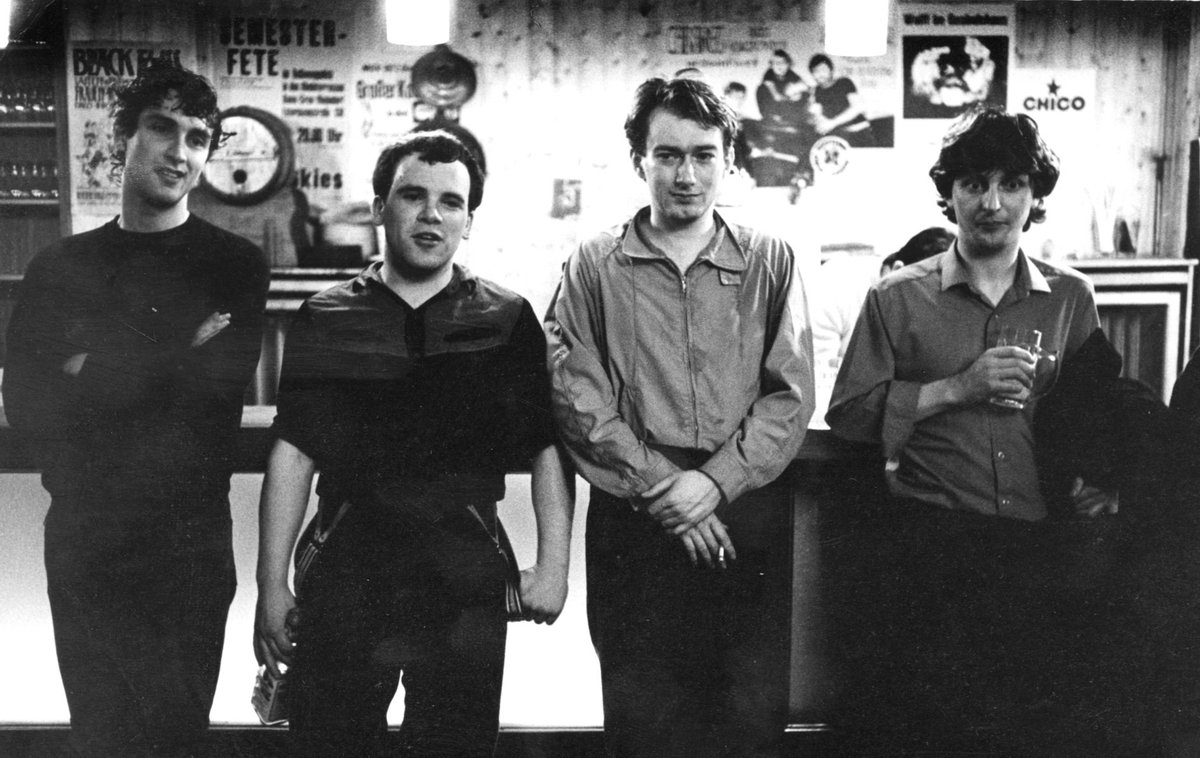
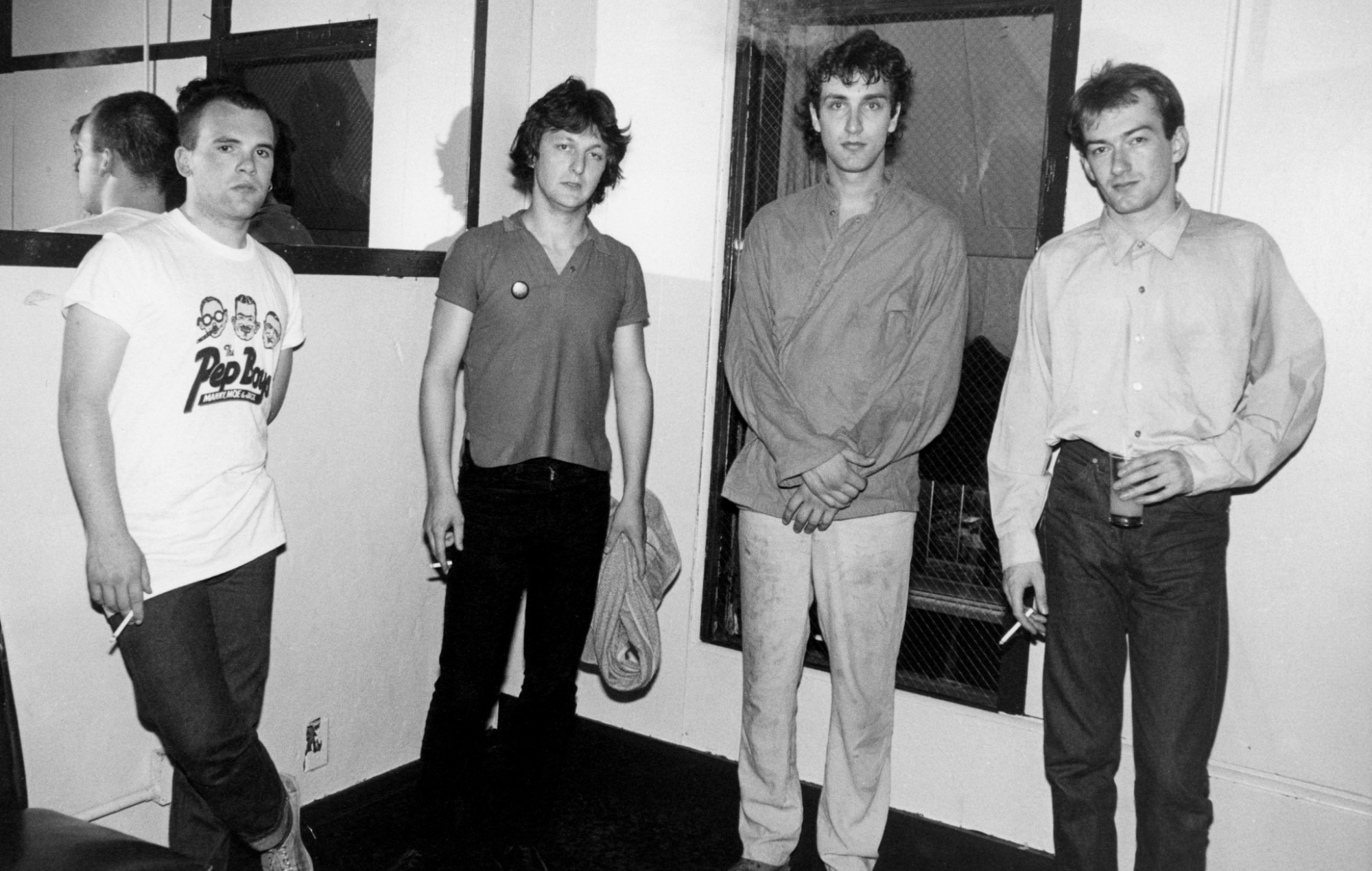
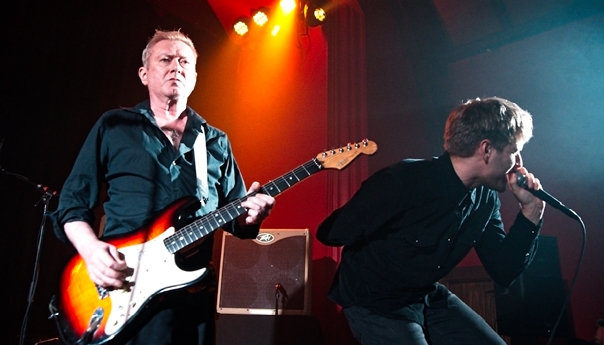
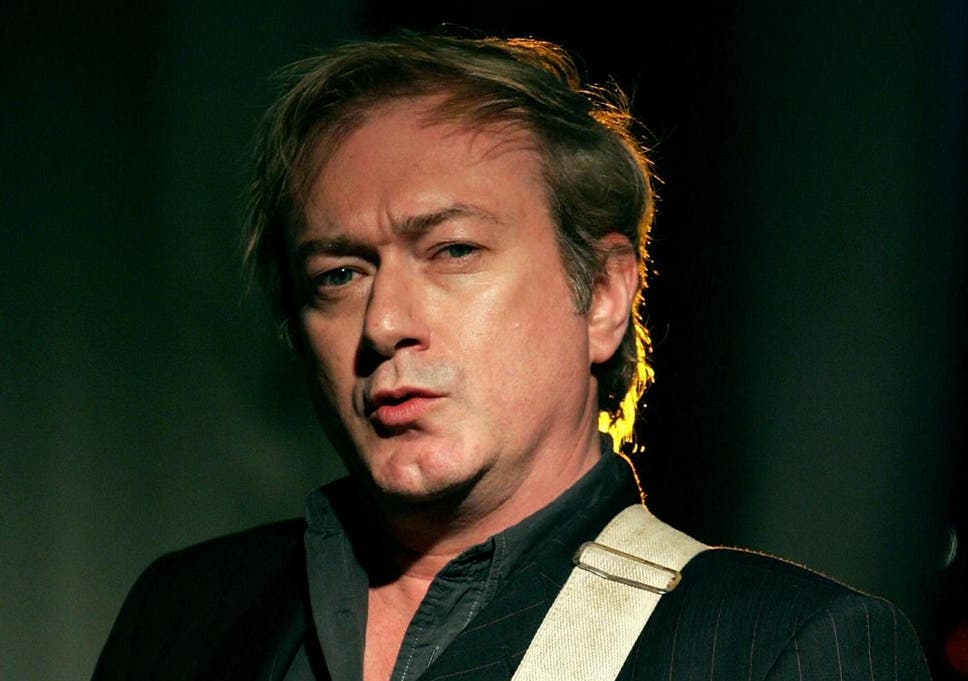
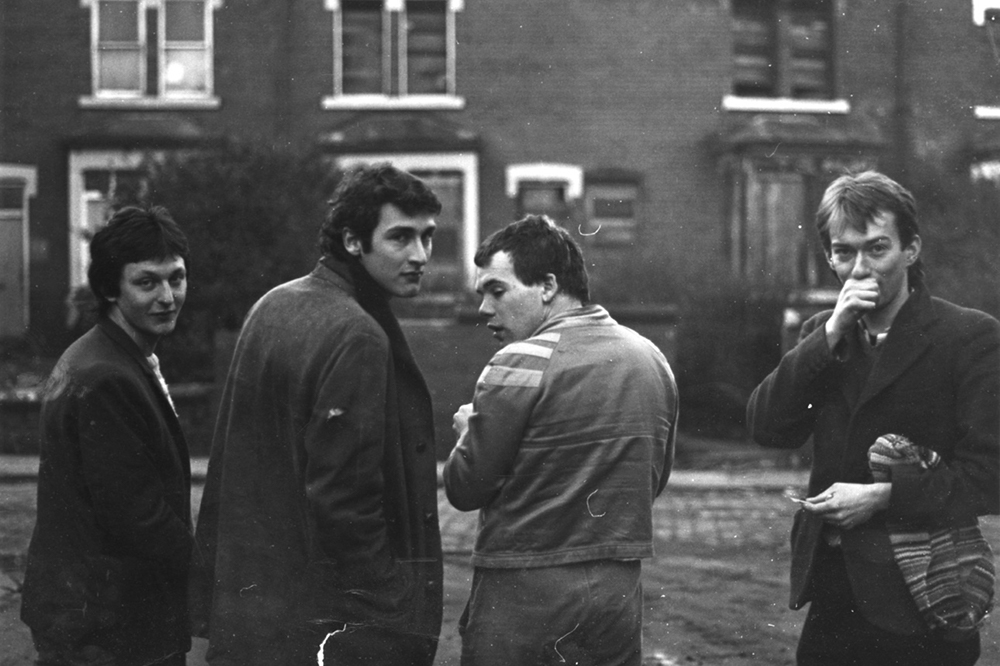
Formed in 1976 by guitar maestro Andy Gill, vocalist Jon King, drummer Hugo Burnham, and bassist Dave Allen, Gang of Four produced some of the most crucial music of the late 70s-early 80s. Acerbic, satirical lyrics that were extremely socially aware were the group’s calling card, as was Gill’s formidable guitar work. The rhythm section generally laid down hard funk grooves, yet the music was spare, angular, jagged. A critical assemblage.
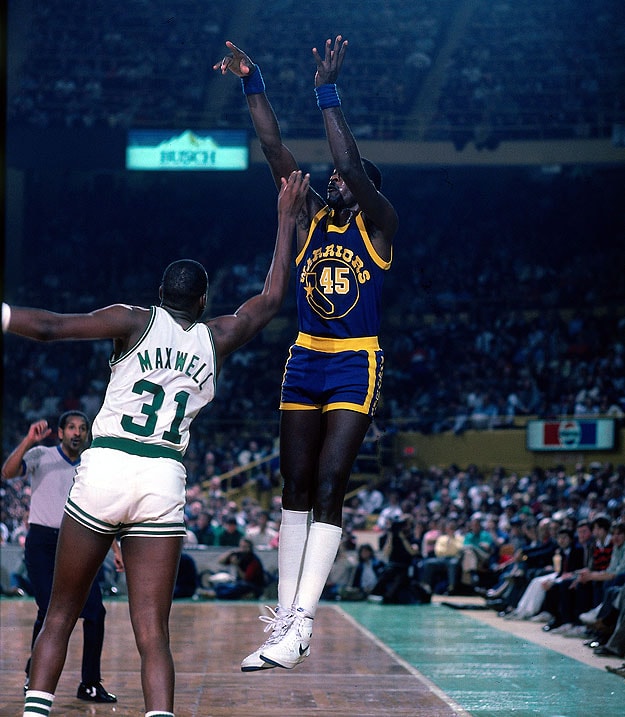
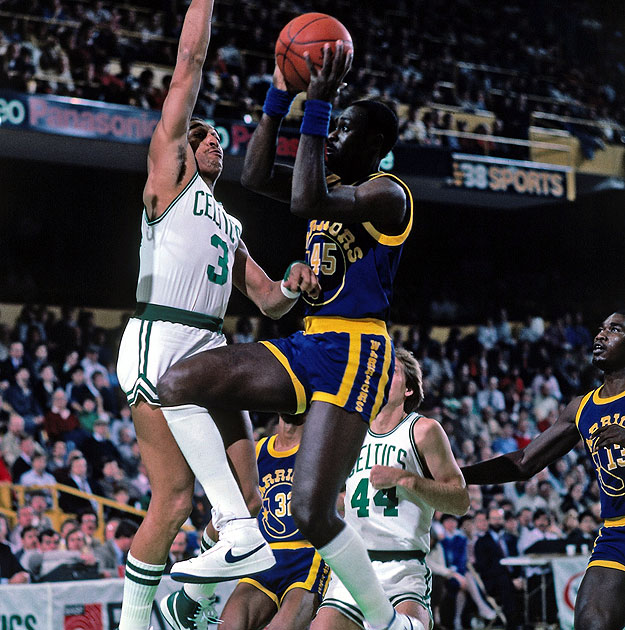
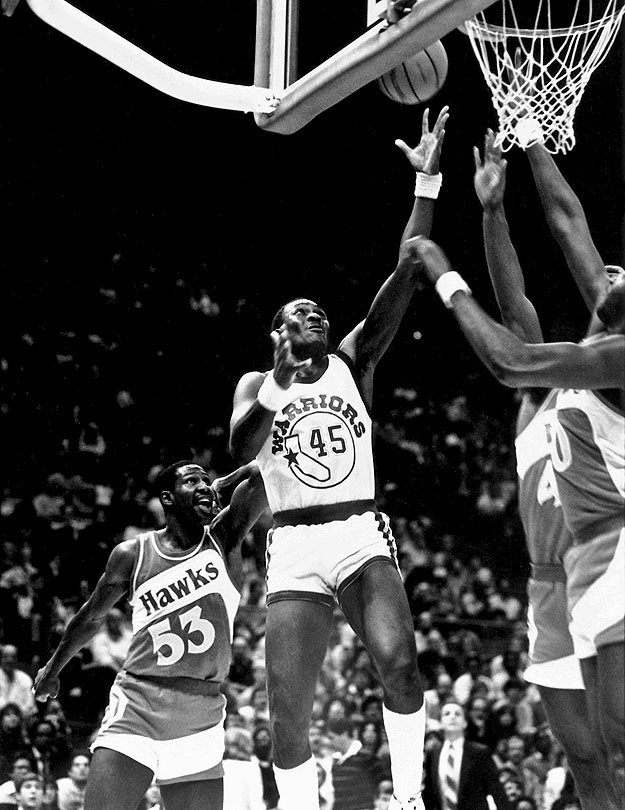
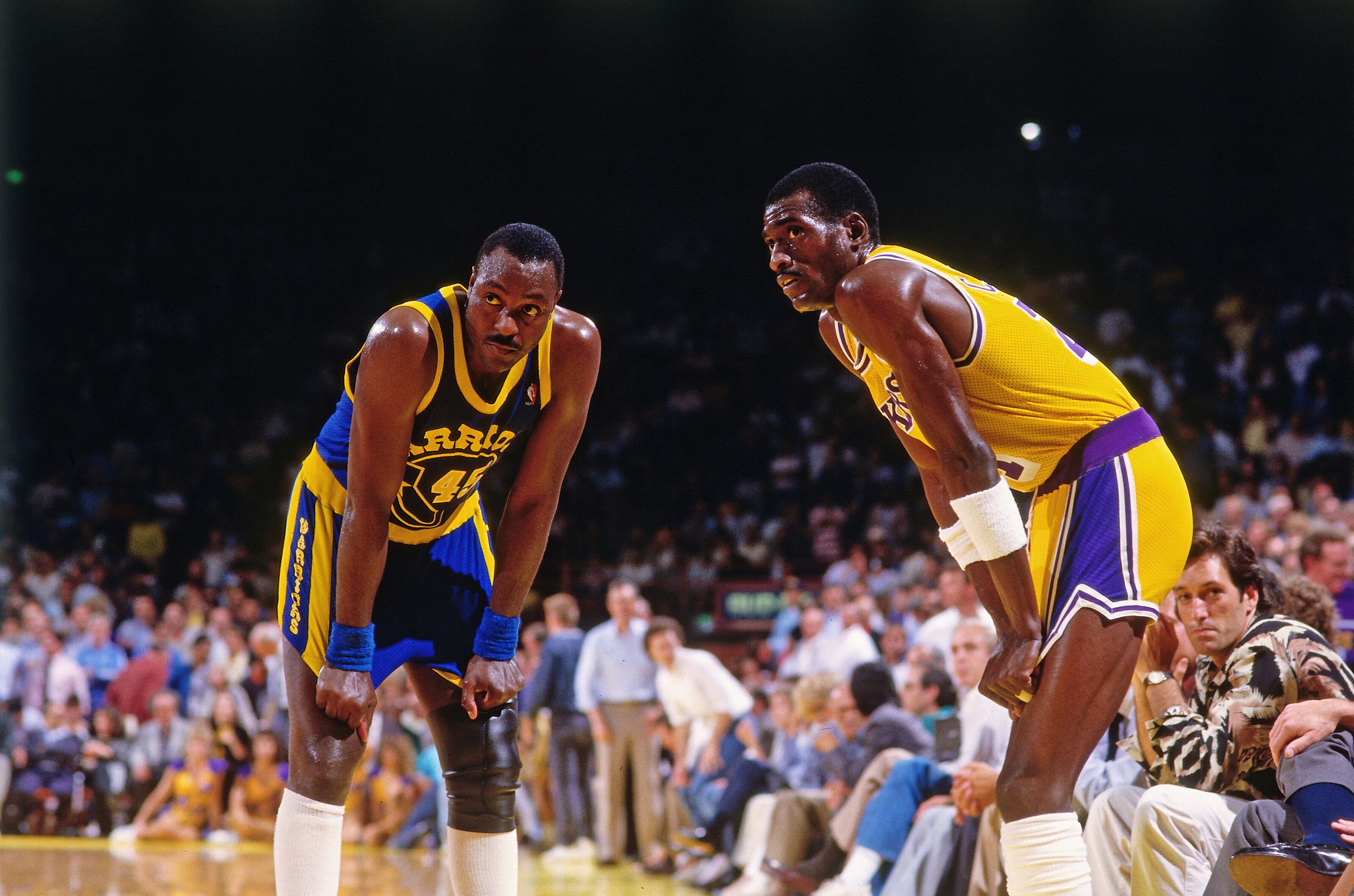
One of the premier pure shooters we’ve ever encountered, Purvis Short was quite capable of finding creative ways to score, as well. He averaged a healthy 28.0 ppg in 1984-85. It always seemed so easy, almost casual. A vastly undervalued star. And, as far as sheer beauty is concerned, his silky-smooth, high-arcing jumper is at or near the top of the heap.
Vocalist/keyboardist Burton Cummings and guitarist Randy Bachman led the Canadian band The Guess Who to legend and lore by the late sixties. Personnel changes ensued, with Bachman leaving to form BTO, and Cummings pursued a solo career. The band, though, touched the skies during their heyday. Randy Bachman’s composing and guitar skills were instrumental. Cummings leaves a legacy as one of the greatest vocalists ever to walk the earth.
In closing…the development of the BTO hit You Ain’t Seen Nothin’ Yet deserves a read. Here.