“I term the Immortal One a plasmate, because it is a form of energy; it is living information. It replicates itself — not through information or in information — but as information. The plasmate can crossbond with a human, creating what I call a homoplasmate. This annexes the mortal human permanently to the plasmate.”
“Pascal said, ‘All history is one immortal man who continually learns.’ This is the Immortal One whom we worship without knowing his name. ‘He lived a long time ago, but he is still alive,’ and, ‘The Head Apollo is about to return.’ The name changes.”
“The changing information which we experience as world is an unfolding narrative. It tells about the death of a woman. This woman, who died long ago, was one of the primordial twins. She was half of the divine syzygy. The purpose of the narrative is the recollection of her and of her death. The Mind does not wish to forget her. Thus the ratiocination of the Brain consists of a permanent record of her existence, and, if read, will be understood this way. All the information processed by the Brain — experienced by us as the arranging and rearranging of physical objects — is an attempt at this preservation of her; stones and rocks and sticks and amoebae are traces of her. The record of her existence and passing is ordered onto the meanest level of reality by the suffering Mind which is now alone.”
“Out of itself the Brain has constructed a physician to heal it. This subform of the Macro-Brain is not deranged; it moves through the Brain, as a phagocyte moves through the cardiovascular system of an animal, healing the derangement of the Brain in section after section.”
“‘Salvation’ through gnosis — more properly anamnesis (the loss of amnesia) — although it has individual significance for each of us — a quantum leap in perception, identity, cognition, understanding, world- and self-experience, including immortality — it has greater and further importance for the system as a whole, inasmuch as these memories are data needed by it and valuable to it, to its overall functioning.”
“But we cannot read the patterns of arrangement; we cannot extract the information in it — i.e. it as information, which is what it is. The linking and re-linking of objects by the Brain is actually a language, but not a language like ours (since it is addressing itself and not someone or something outside itself).”
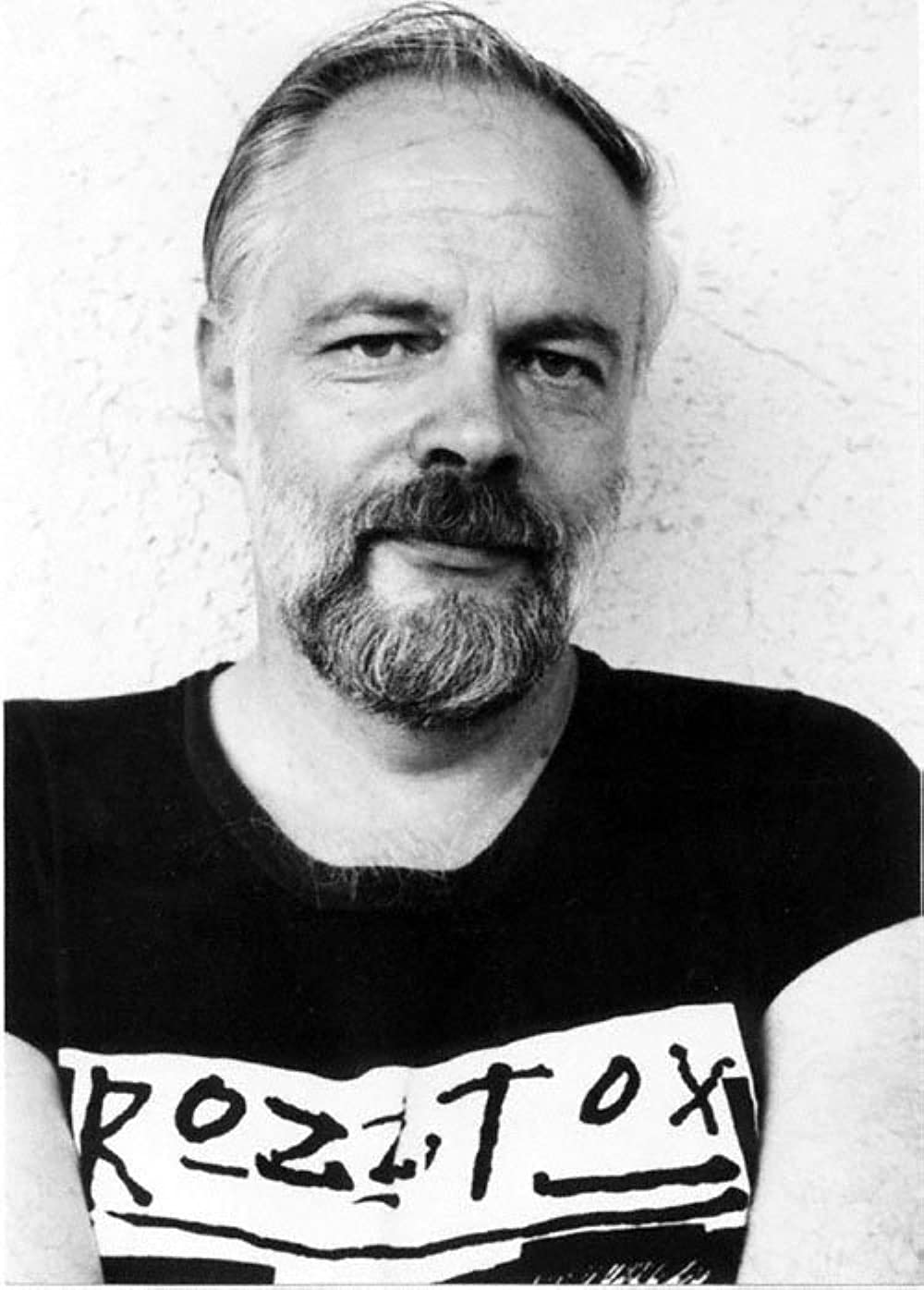
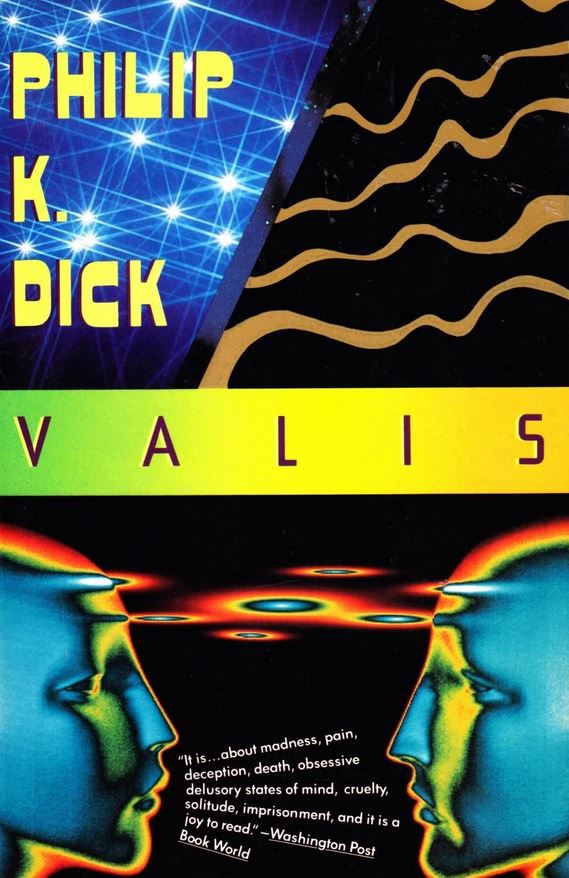
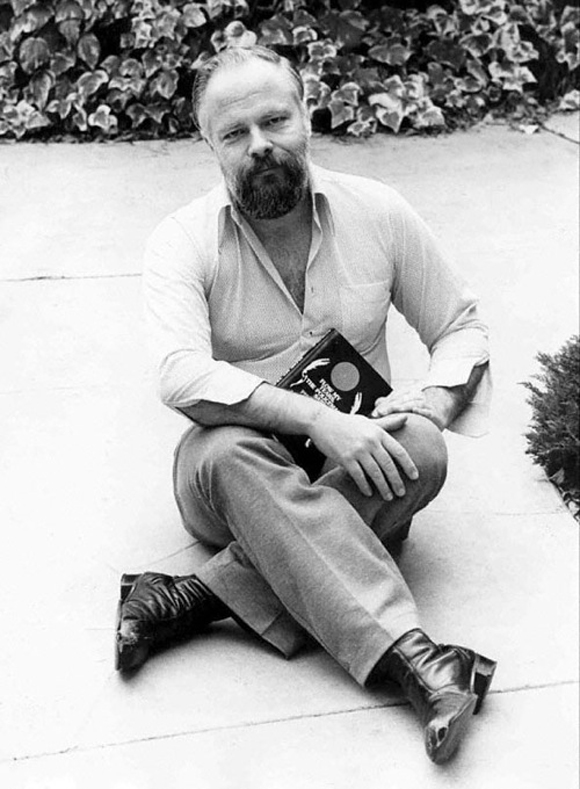
from Valis, 1981, by PKD.
“Dick claimed that Valis used “disinhibiting stimuli” to communicate, using symbols to trigger recollection of intrinsic knowledge through the loss of amnesia, achieving gnosis.
Drawing directly from Platonism and Gnosticism, Dick wrote in his Exegesis: “We appear to be memory coils (DNA carriers capable of experience) in a computer-like thinking system which, although we have correctly recorded and stored thousands of years of experiential information, and each of us possesses somewhat different deposits from all the other life forms, there is a malfunction—a failure—of memory retrieval.”
—-per Wikipedia.





































 Bideodromage