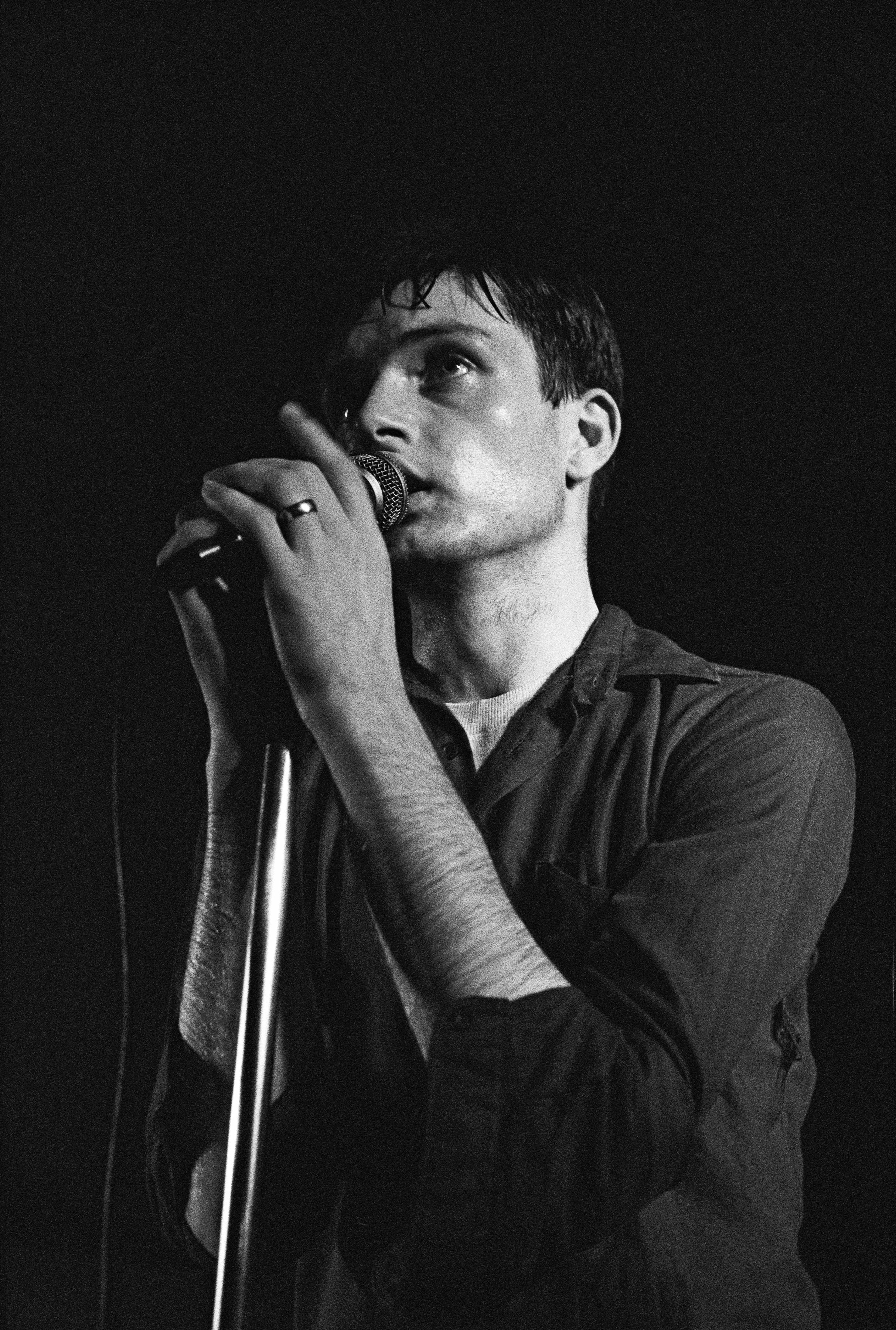
Go ahead. Choose a realm, any realm. Ian’s not from there; he’s never taken up residence there, and, for that matter, spends precious little—if any—time there. Yes. It’s been proven.
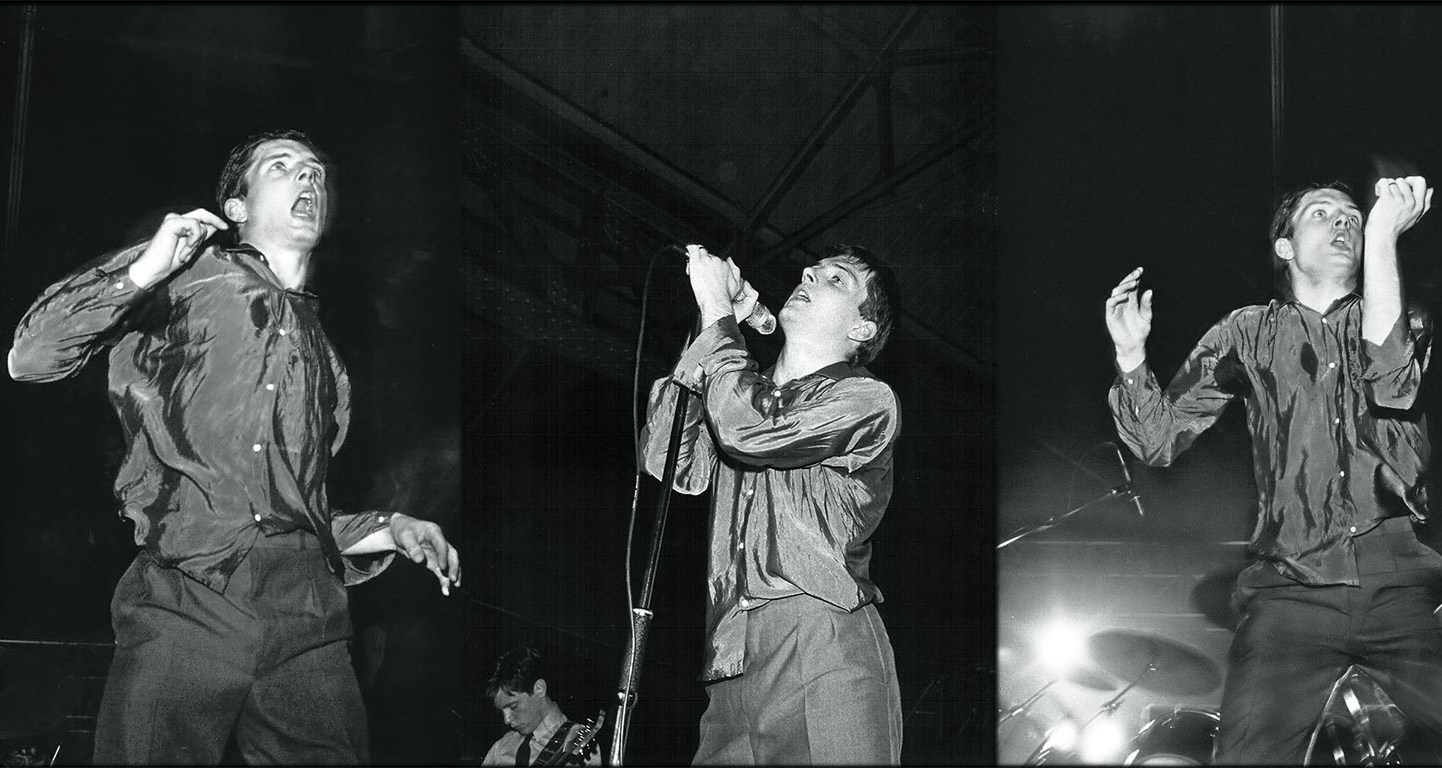
The composer/vocalist of JoyDivision hails from some different locale than do most human beings. Ian’s lodgings come rent-free, and he’s been awarded the keys to The City.
We’re not talking about earth, which he departed many years ago, alas, in 1980. He certainly left his mark here on this planet, but his realm is, and has ever been, elsewhere.
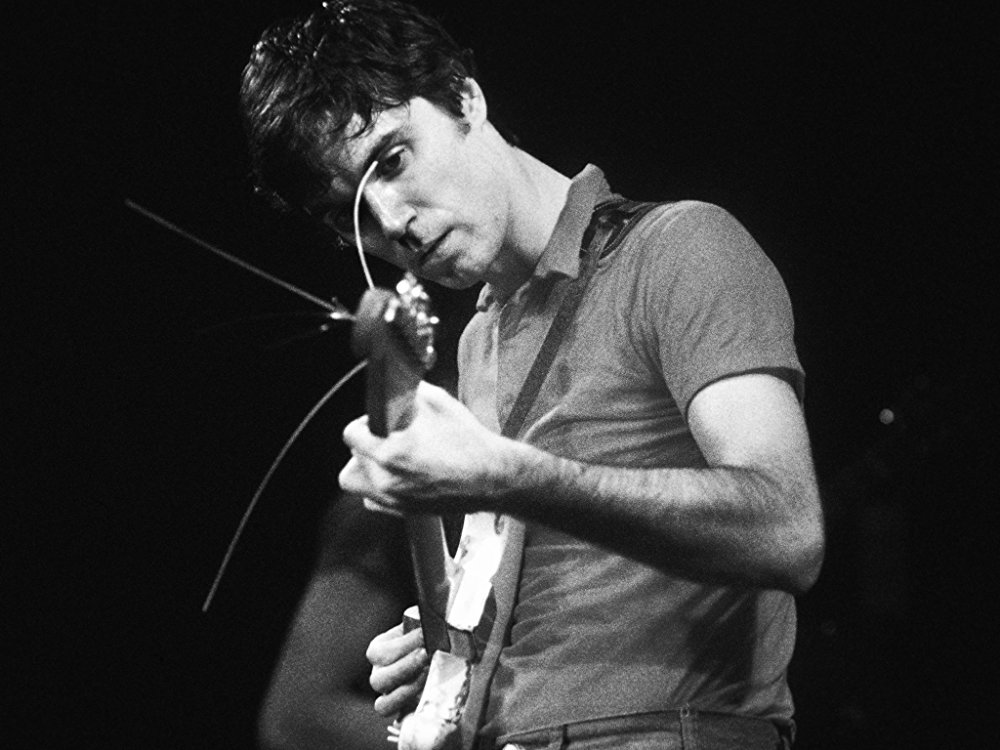
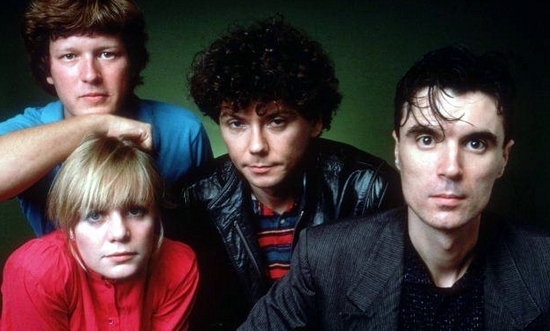
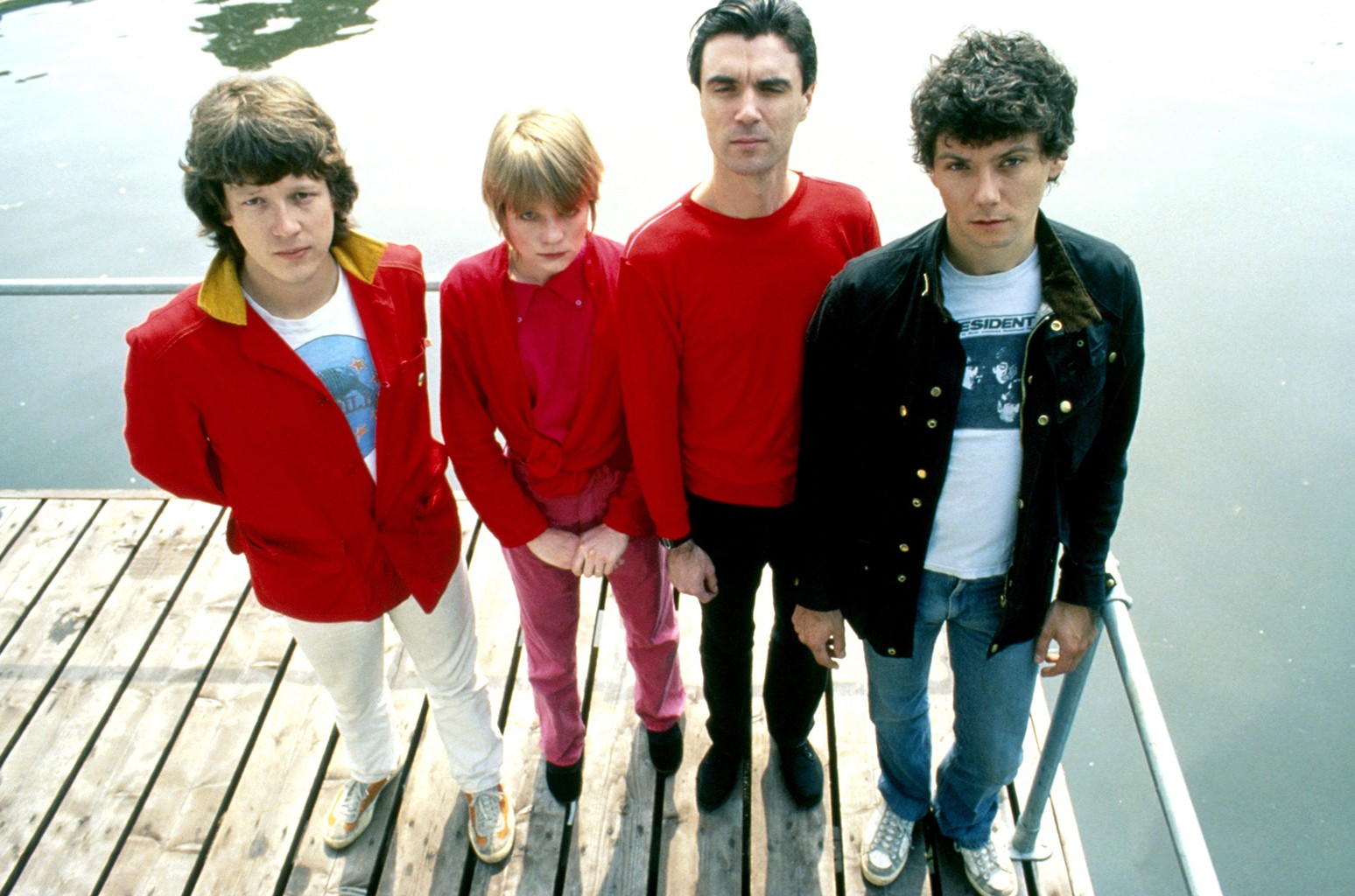
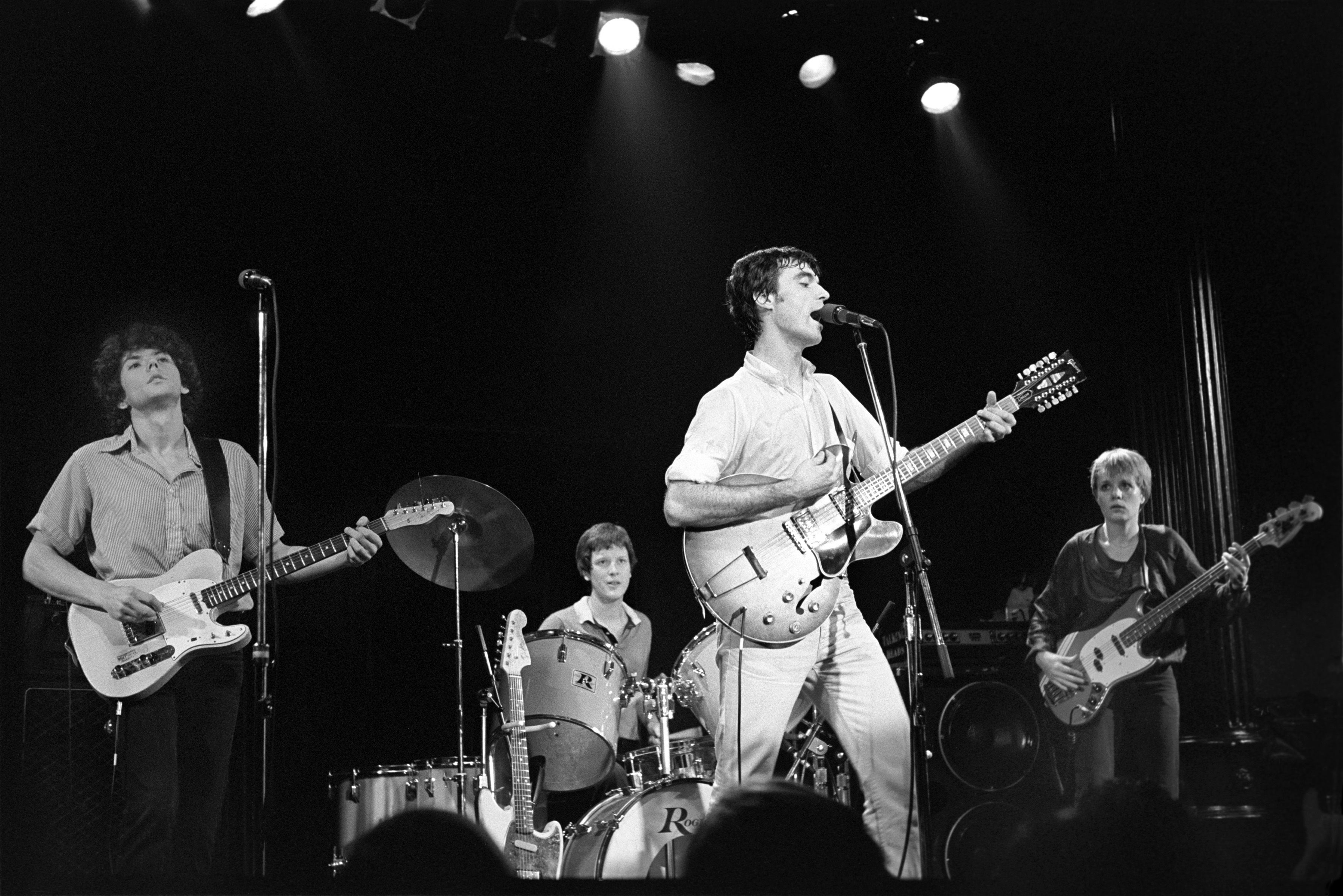
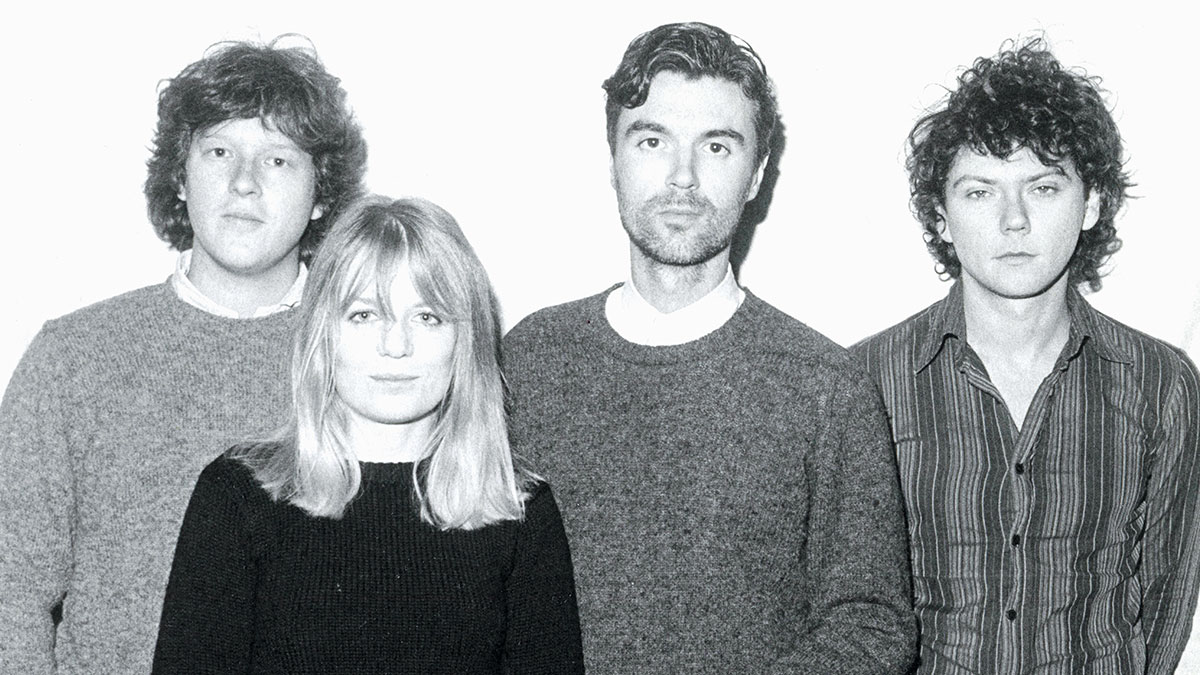
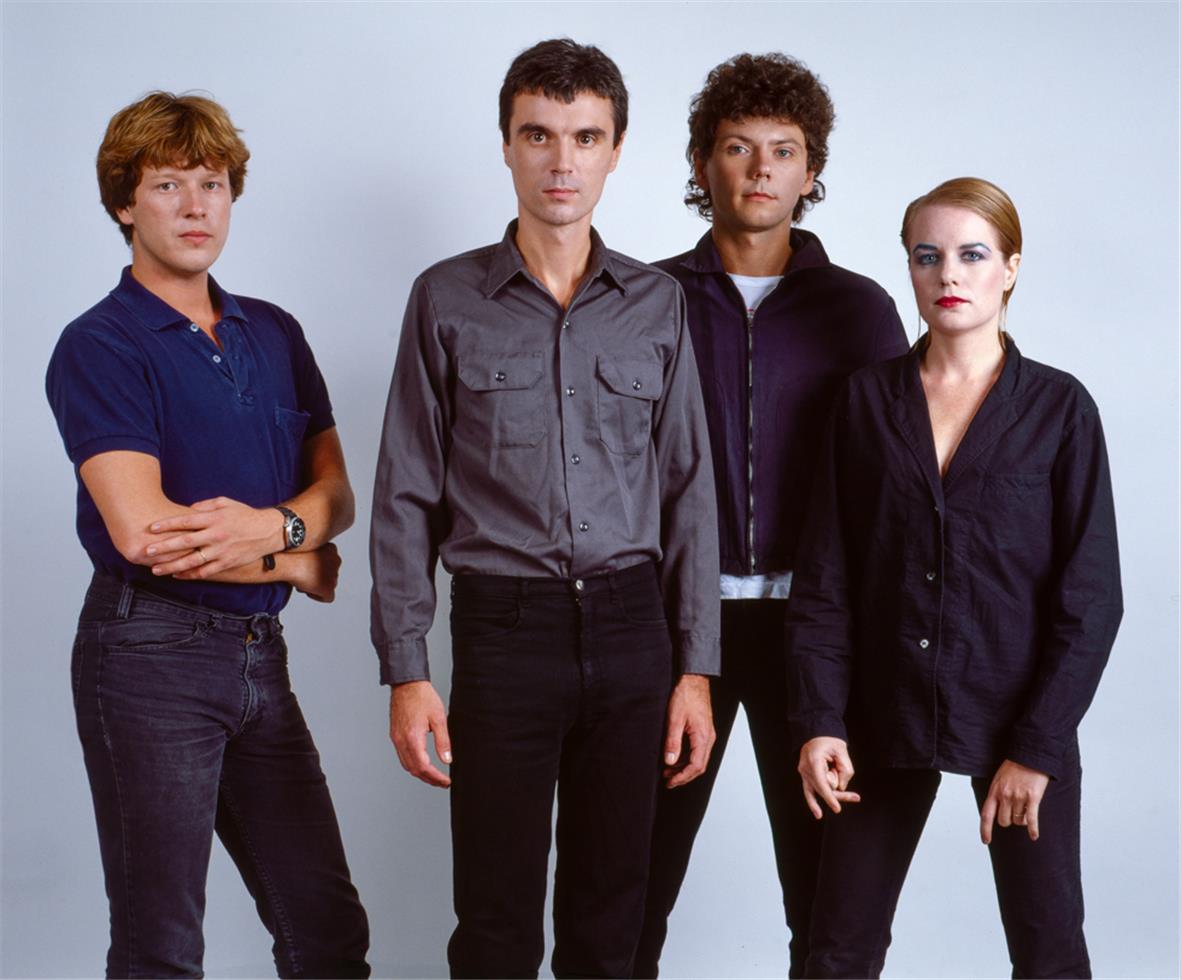
The above constitutes a smattering of incredible live performances by this ensemble, mainly the 1980 iteration, which included guitar maestro Adrian Belew. David Byrne, it could be argued, virtually created “New Wave” {or *something*} with the inexplicable, unpinpointable, wondrous peregrinations of his vocals. Plus, the unusual “dancing”{or Nureyev/??-like movements}. Much more than an iconoclast, Byrne simply brought into the time/space continuum, things that were previously Noumenal, undefinable. An epoch-defining genius.
A few comments on our selections {NOT all of them!!}: Cities {1983, 1982, *and* 1980 versions} *might* be David Byrne’s high-water mark as an “umm, what???” vocalist. The Impossible writ upon a landscape. Pulled Up and Mind, at the very least, are looking uneasily over their shoulders. The “He’s come undone” staggerings/lurchings in Psycho Killer {1983} are also enough to keep one alive for several epochs; the 1979 Mudd Club version is electrifying, mystique-laden; ridiculously brilliant. Both versions of Drugs have an eerie, haunting element all of their own; Dollette McDonald and Adrian B contribute mightily. Crosseyed {all versions} is simply a collective singe-fest.
Queen, featuring vocalist Freddie Mercury, and guitarist Brian May, with a live You’re My Best Friend, performed in December of 1979 at the Hammersmith Odeon. This shows Mercury in top form vocally; a true maestro at work.
Another shining exemplar of Queen’s formidable power is this iteration of the remarkable hit single Killer Queen. Recorded June 7, 1977 at Earl’s Court, this rendition is quite canonical. The synergy between Freddie Mercury and guitarist Brian May is really working, and both are in magnificent form. Speaking of Mercury, Roger Daltrey once stated that he was “the best virtuoso rock ‘n’ roll singer of all time”, and well known soprano Montserrat Caballé felt that “his technique was astonishing; he sang with an incisive sense of rhythm; he also had a great musicality, and he was able to find the right colouring or expressive nuance for each word”. An extraordinary, charismatic performer, Mr. Mercury was described by guitarist Brian May as being so magnetic “he could make the last person at the back of the furthest stand in a stadium feel that he was connected”. The British vocalist also was unafraid to rank 58th in a poll of 100 Greatest Britons, finishing just behind Alexander Graham Bell. And The Cliff Richard (??). George Harrison was also bettered; however, and in the most controversial decision, legendary Welsh actor Richard Burton came-a-cropper, finishing behind—by a significant margin—the great vocalist. Observers reported the Welshman appeared visibly shaken, ashen-faced, and extremely bitter during the ceremony. Some claim he wiped away tears, as he abruptly stormed off to whereabouts unknown.
“Burton later claimed ill health, but those near him were positive the Welshman wept openly, clenched his fists in impotent rage, and frequently muttered uncomplimentary remarks whilst shaking with hysteria, losing his balance more than once.” -Thrustus Simmonds, noted author of “Titans of Britondom, and Such”.
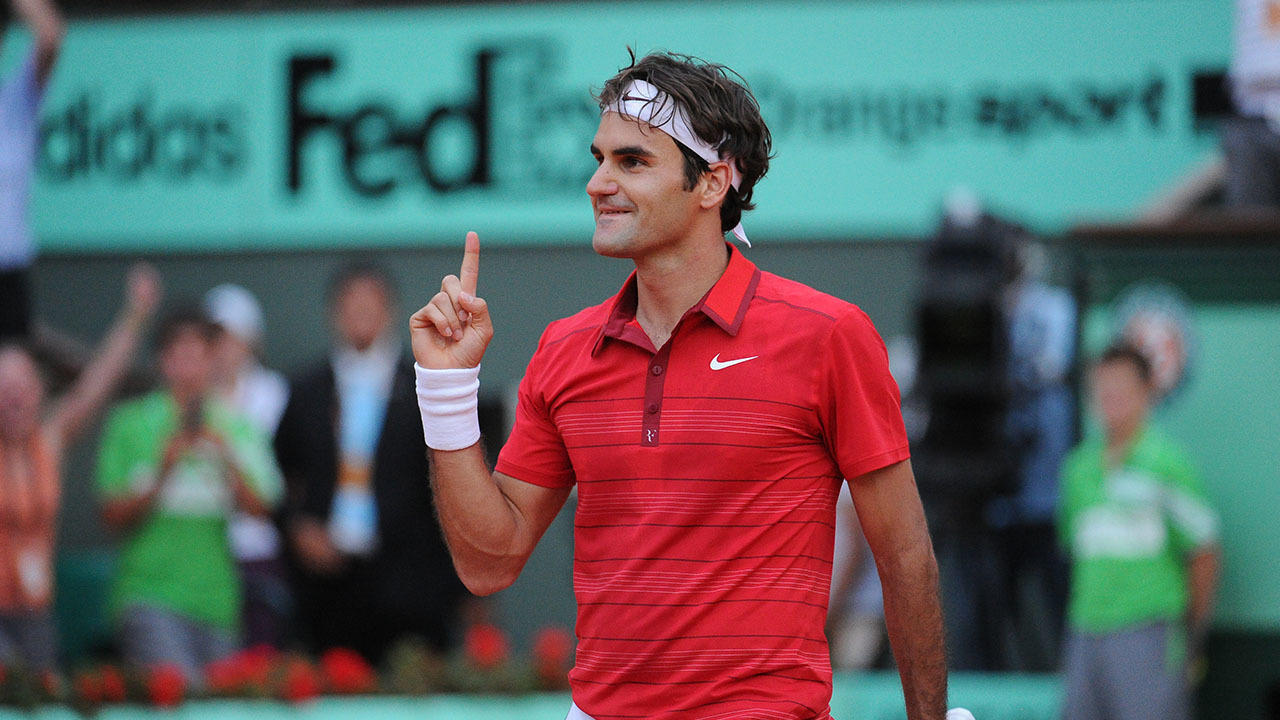
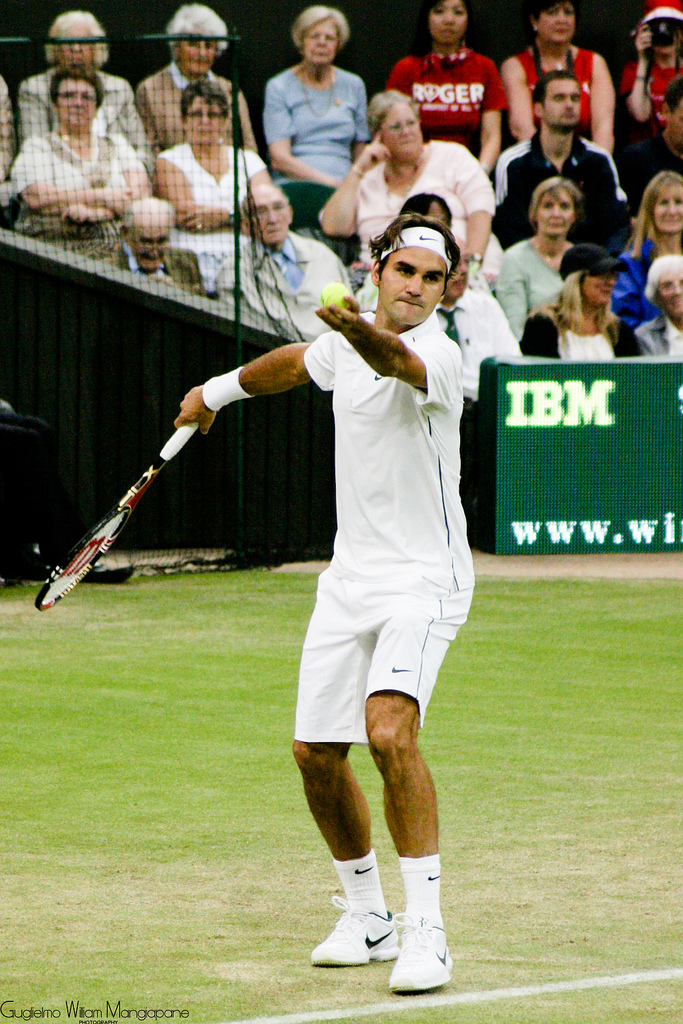
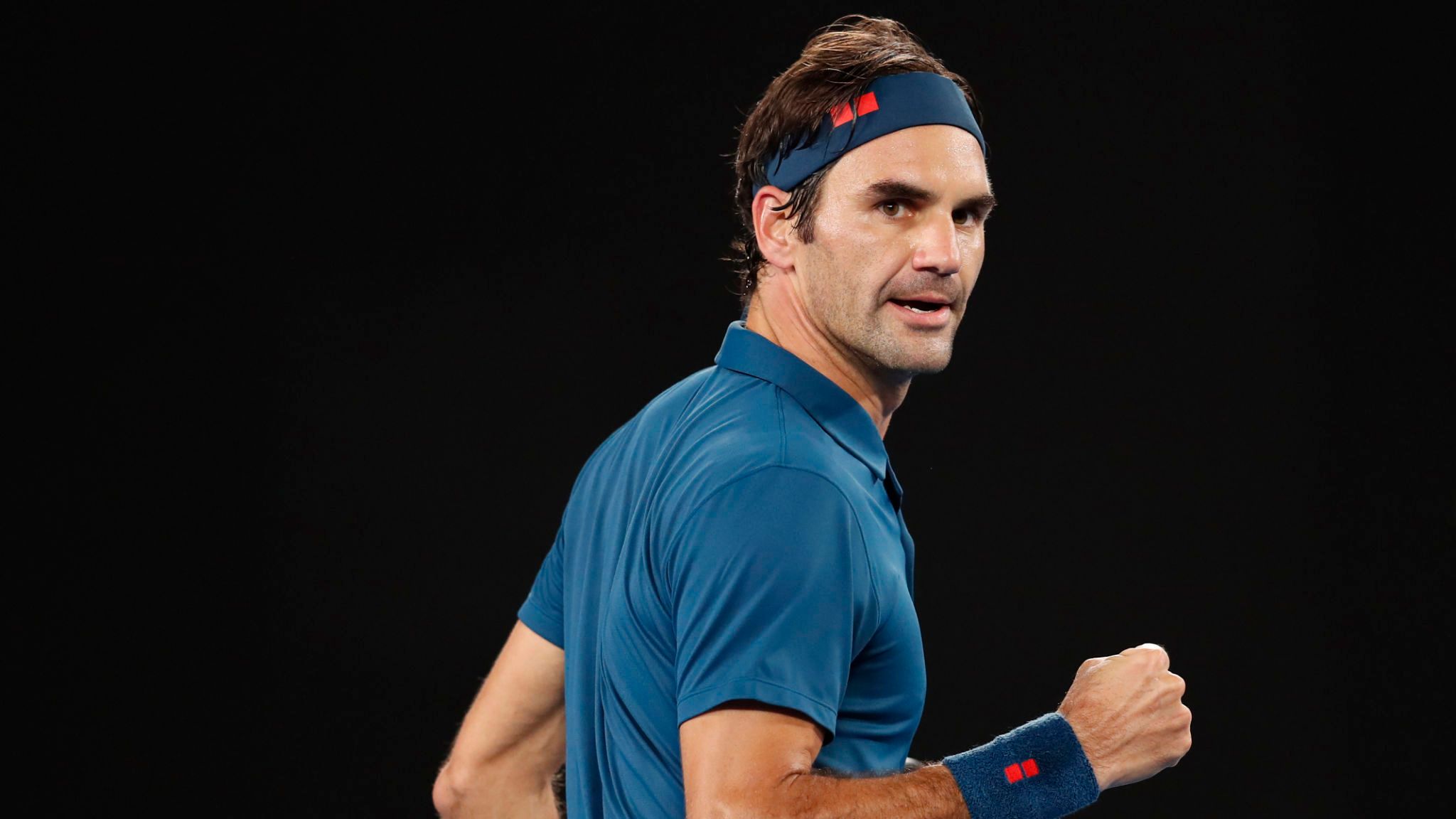
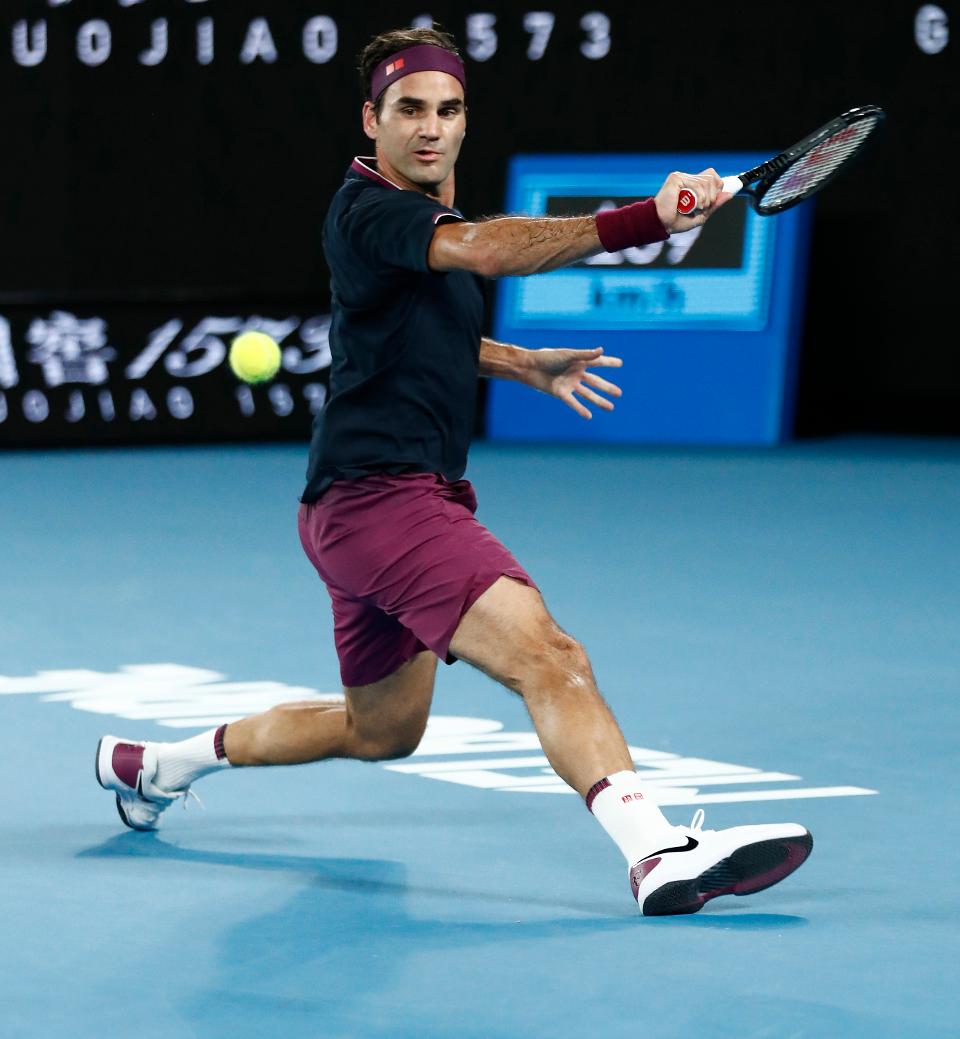
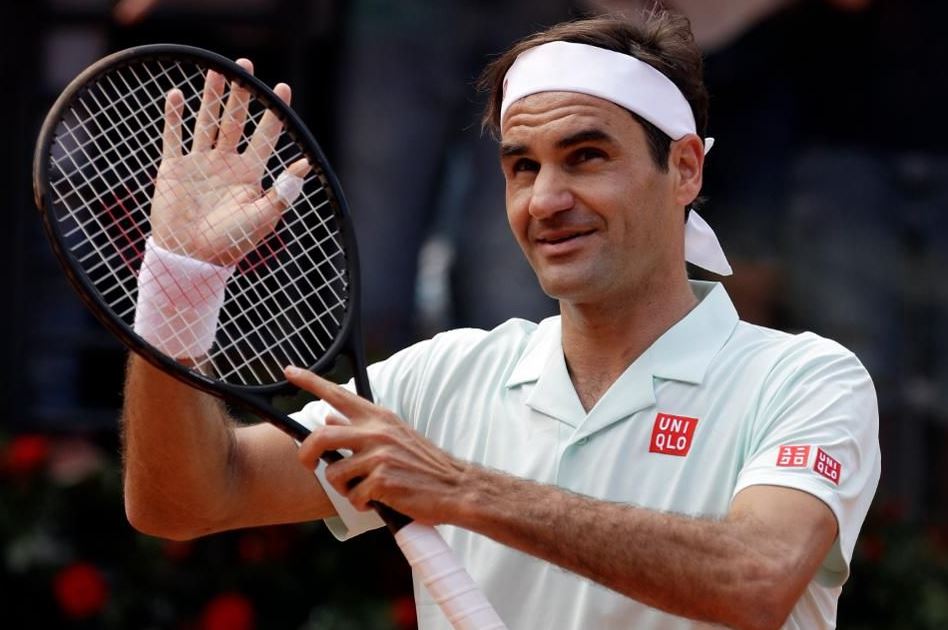
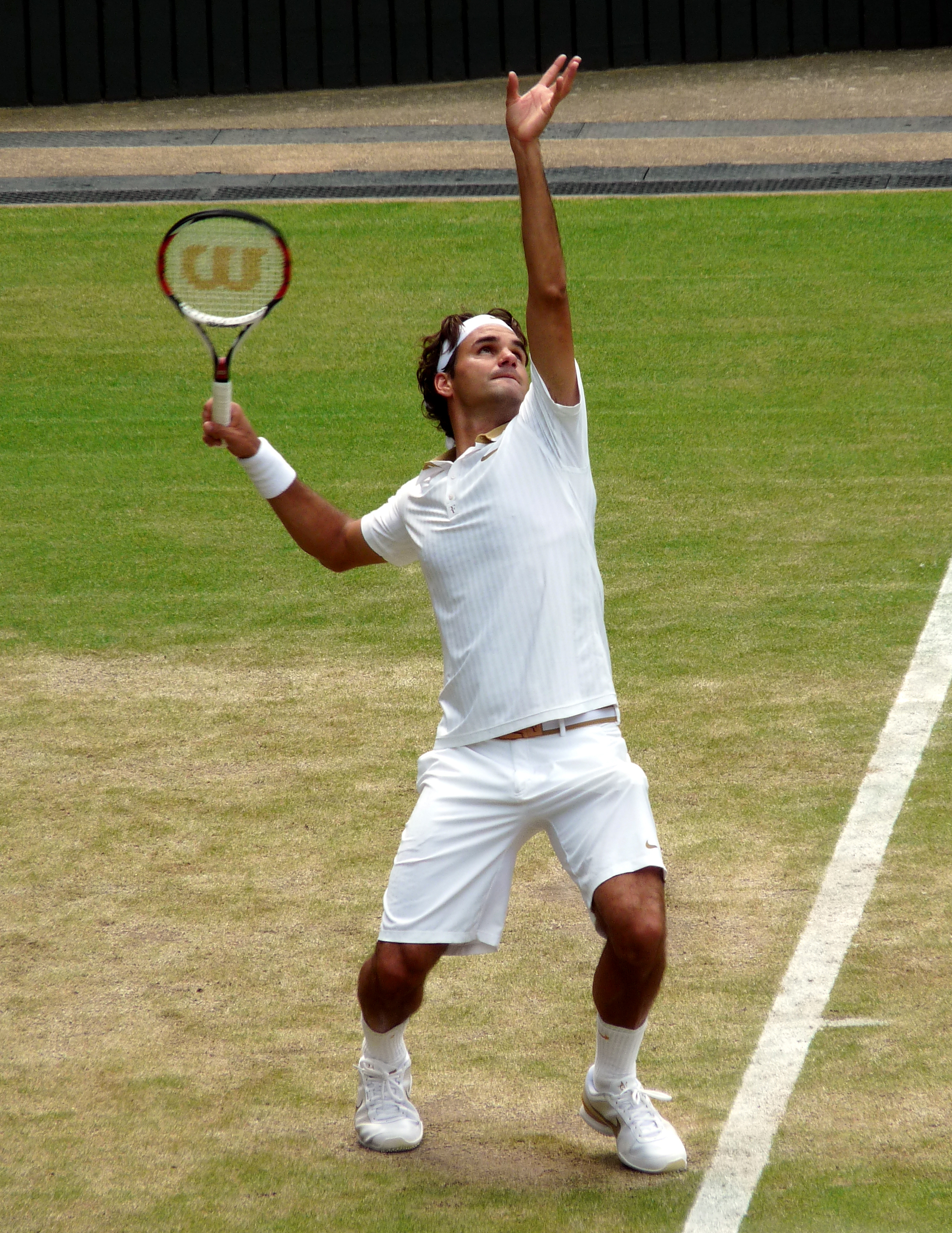
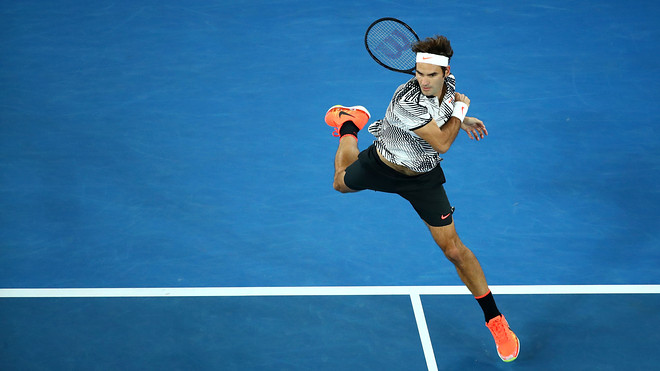
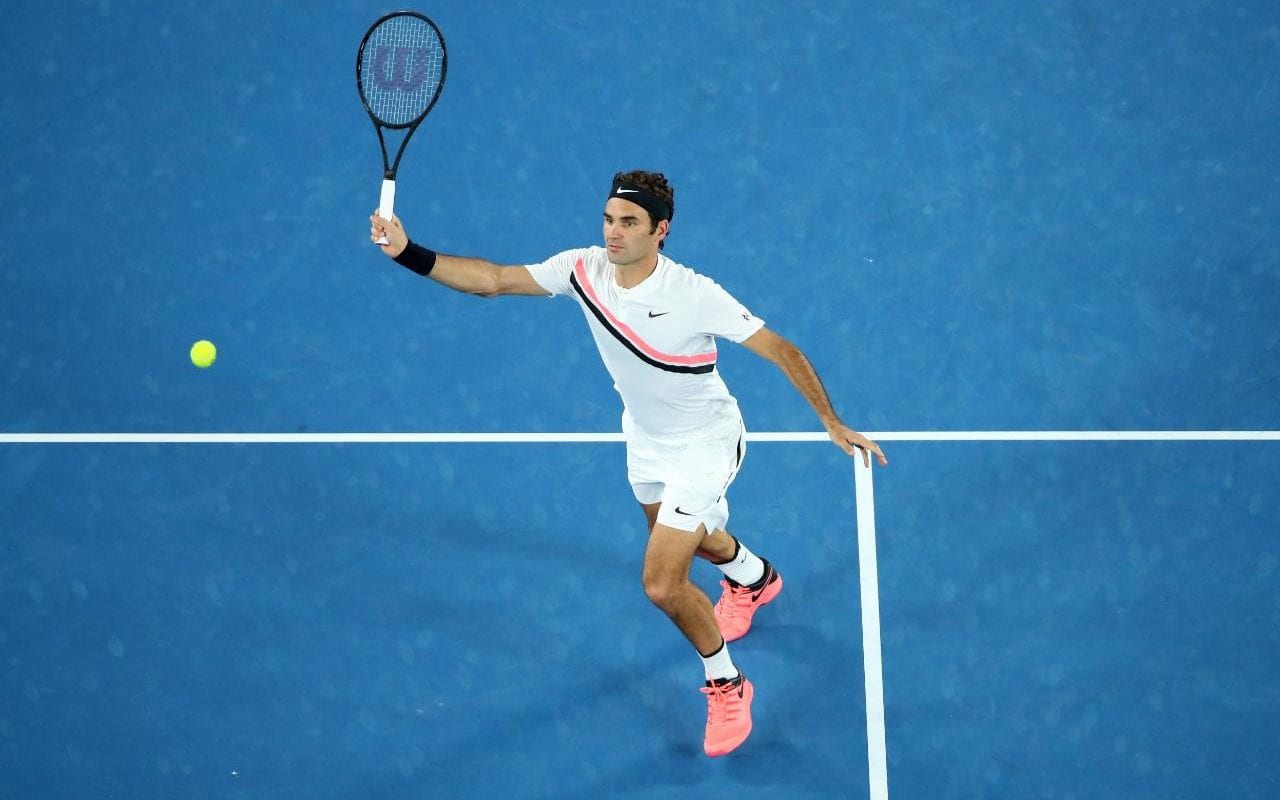
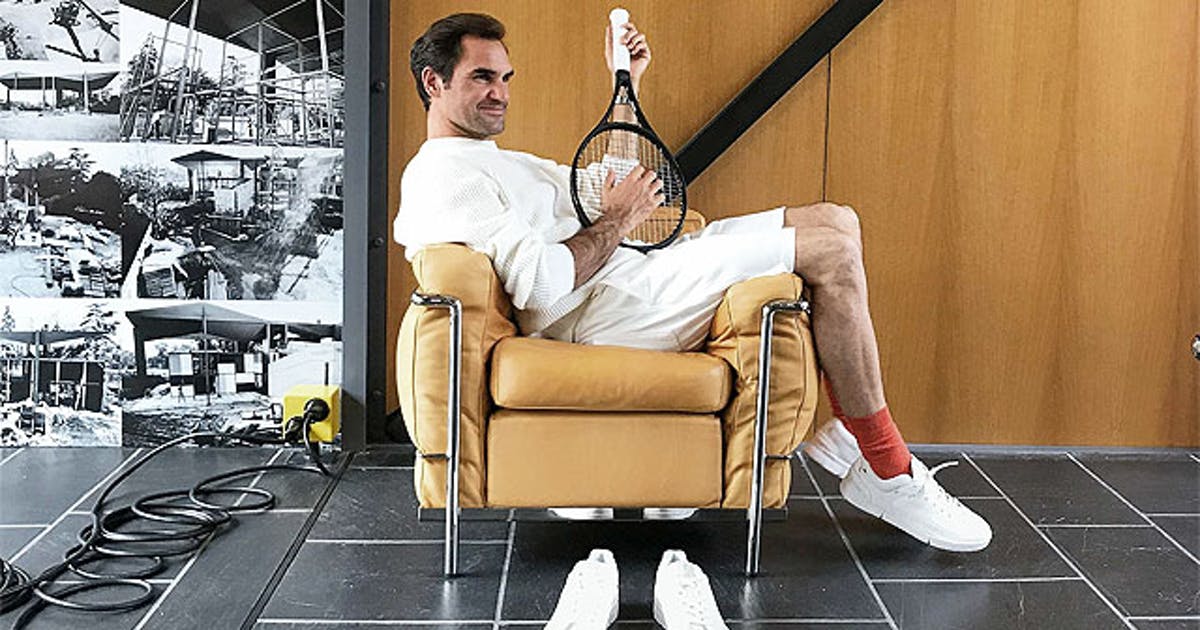
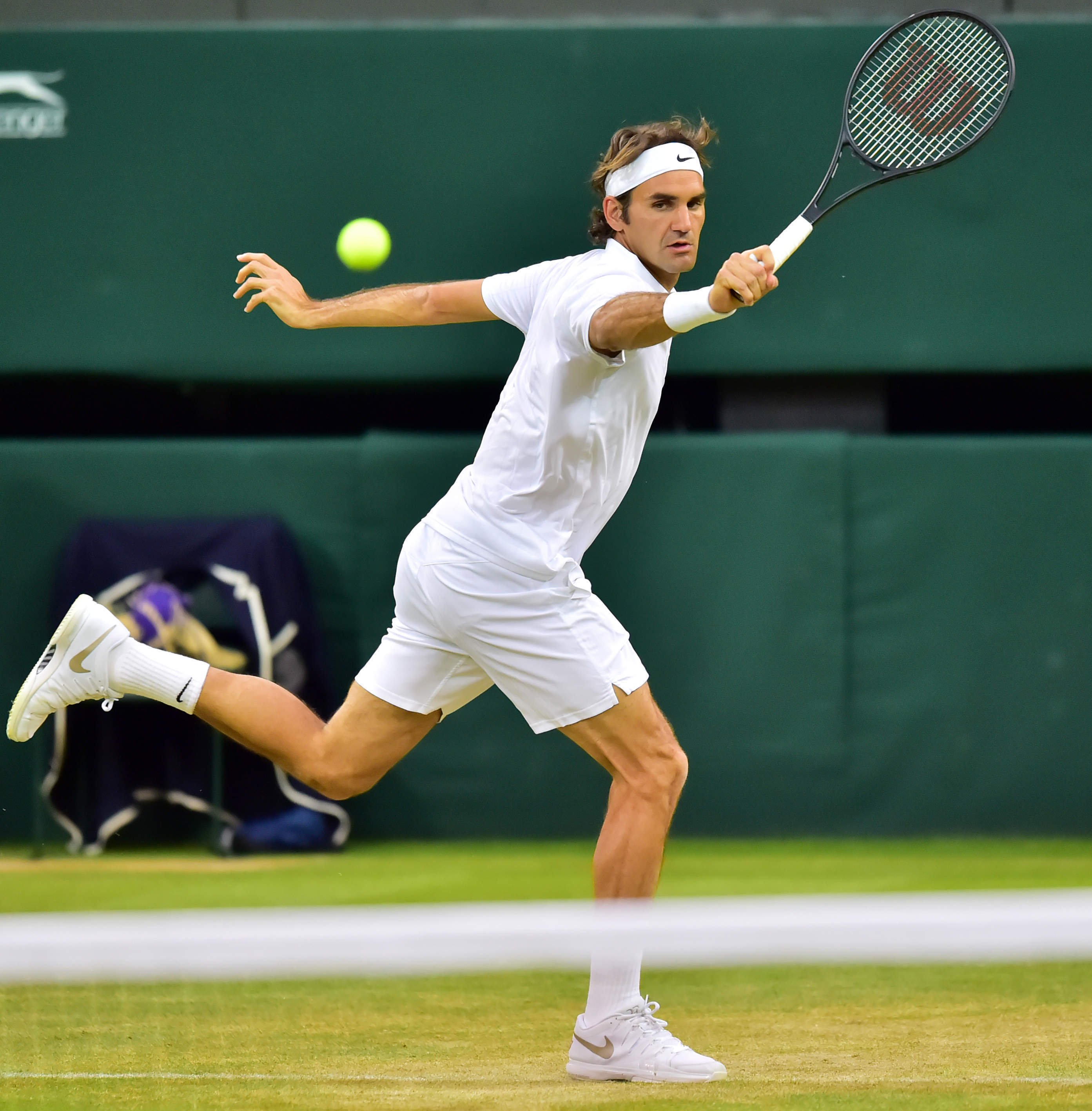
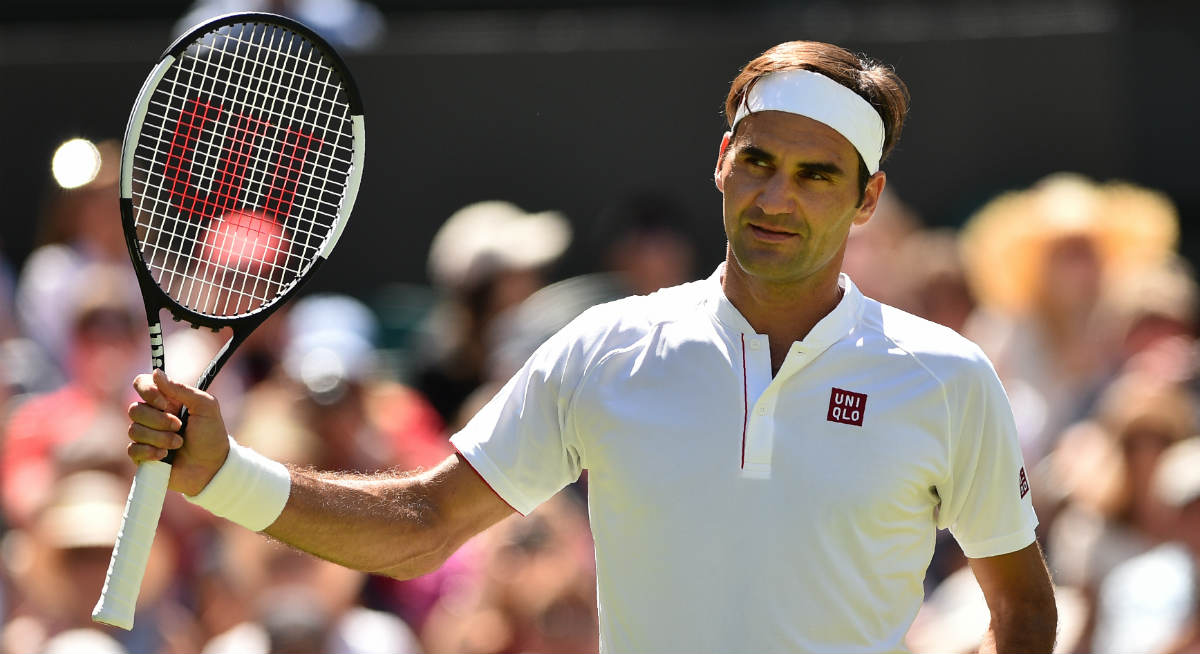
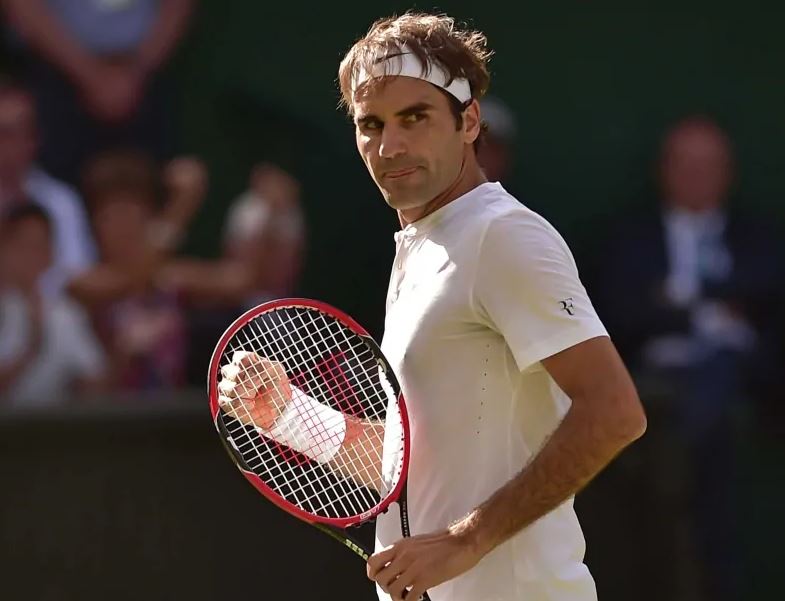
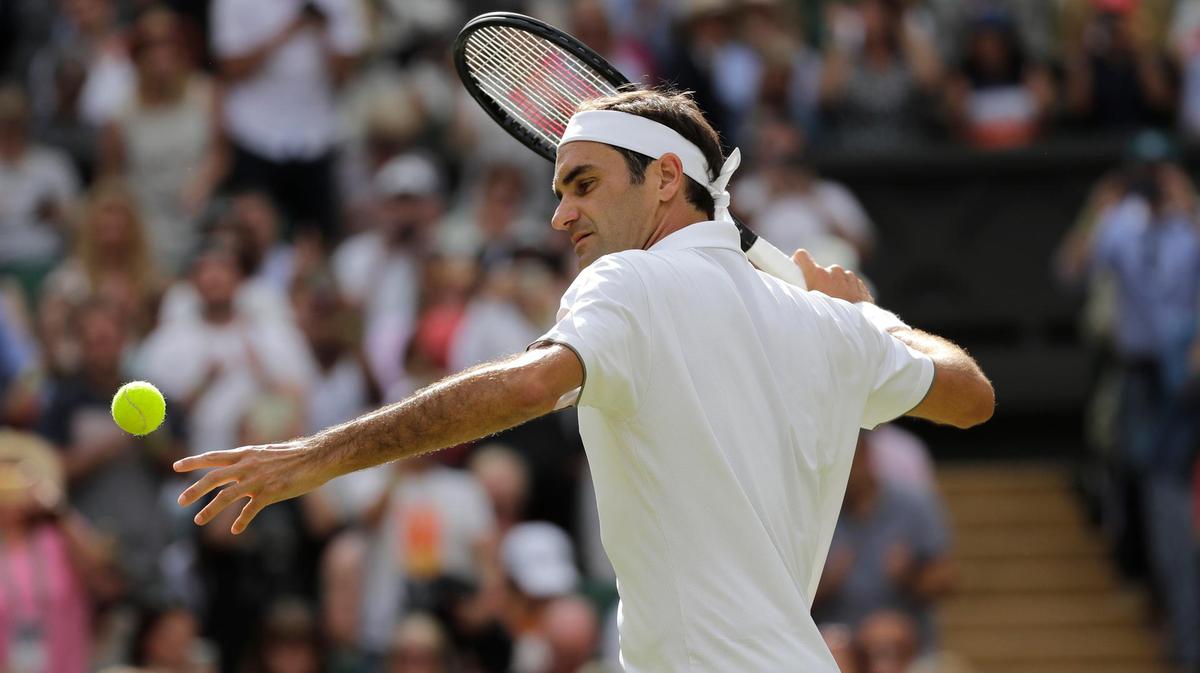
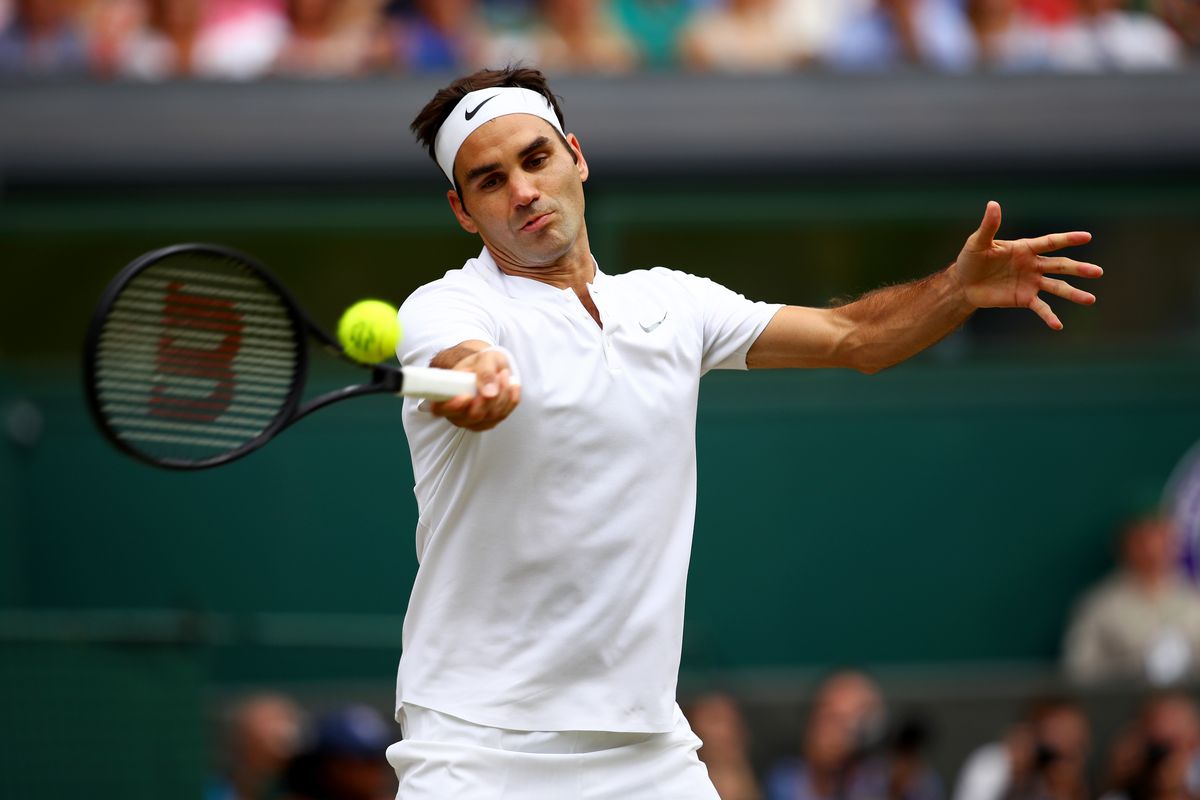
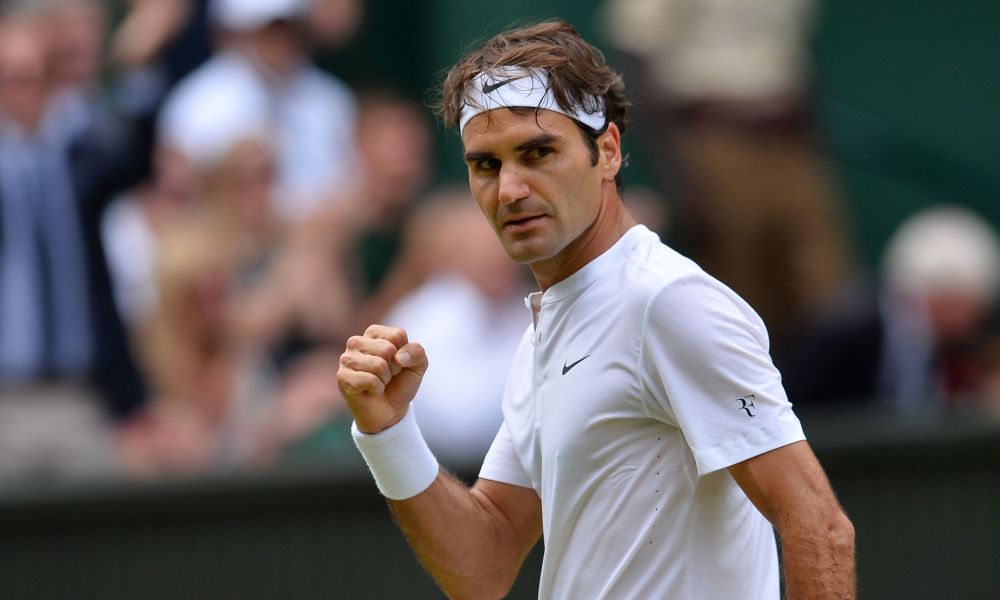
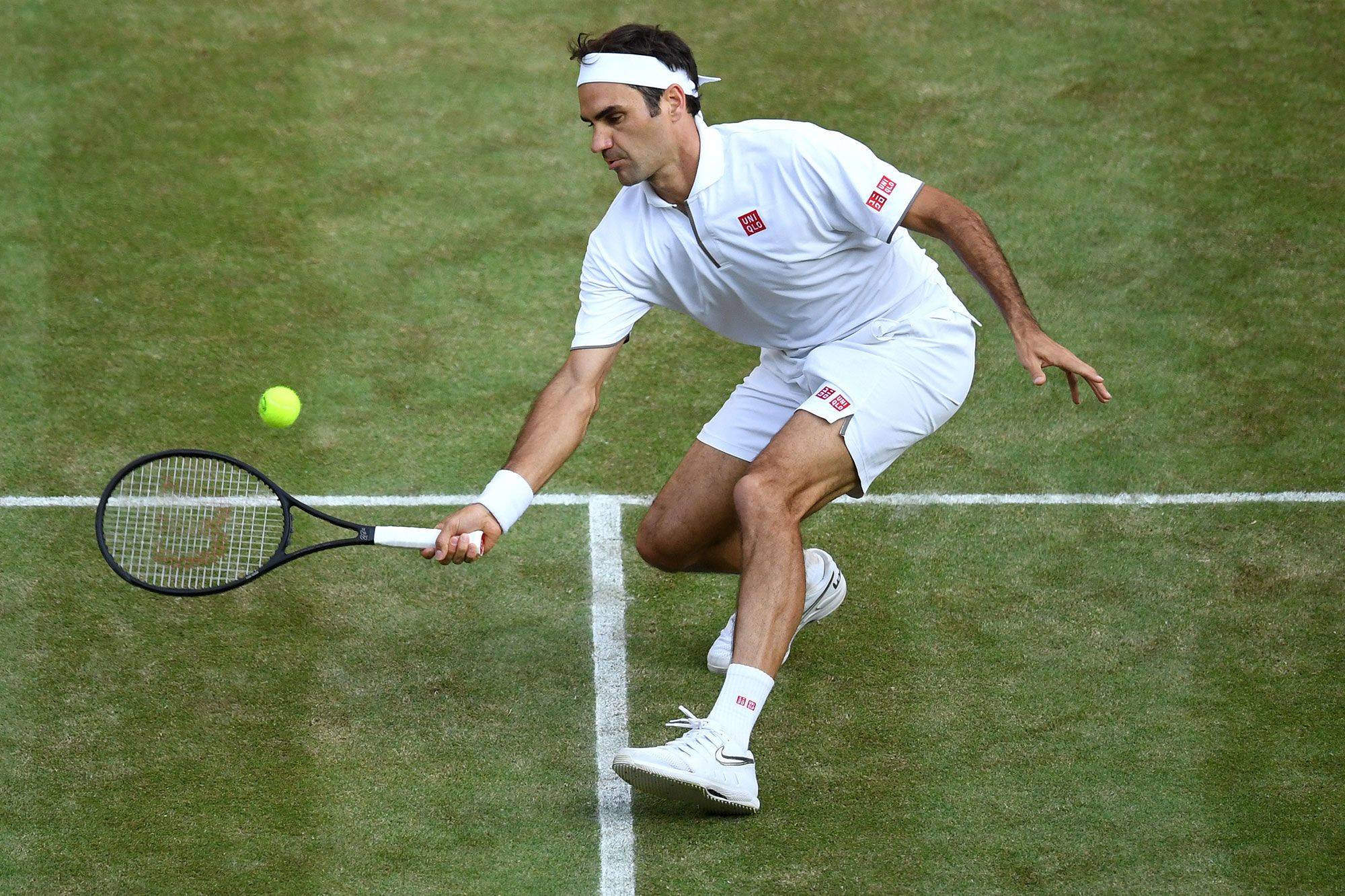
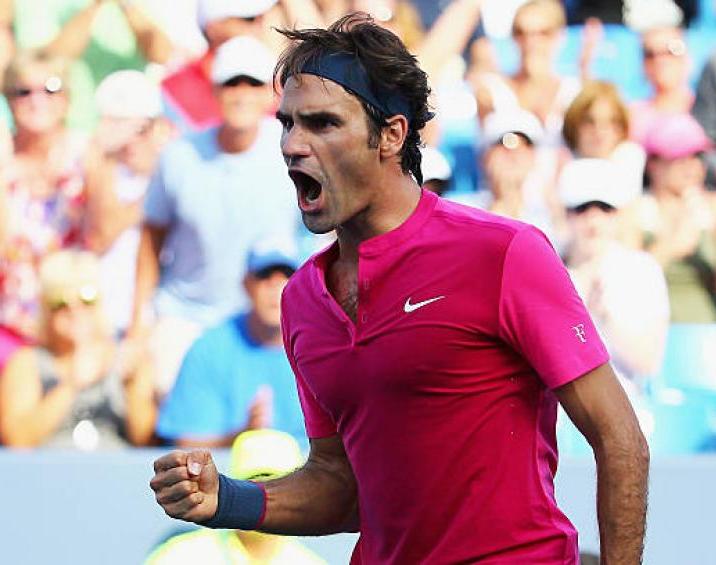
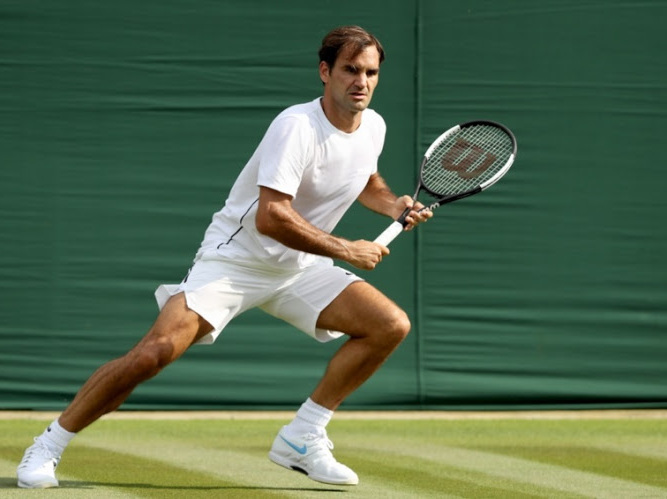
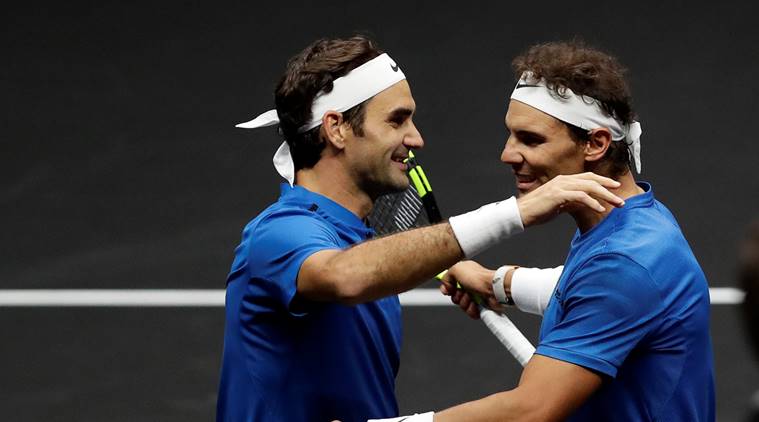
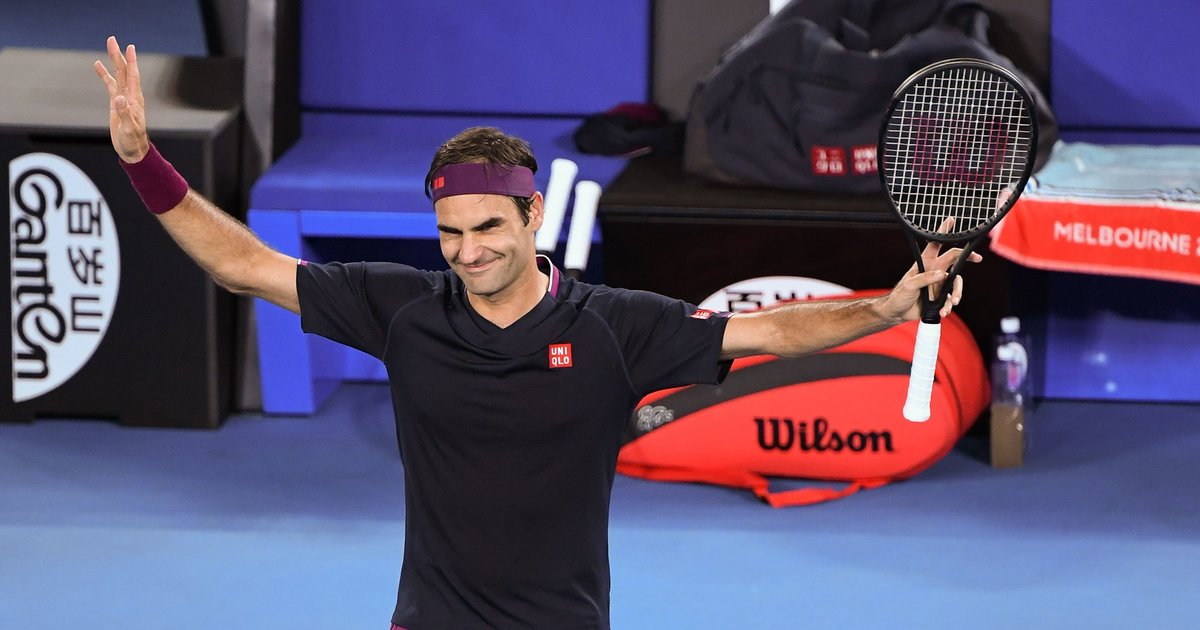
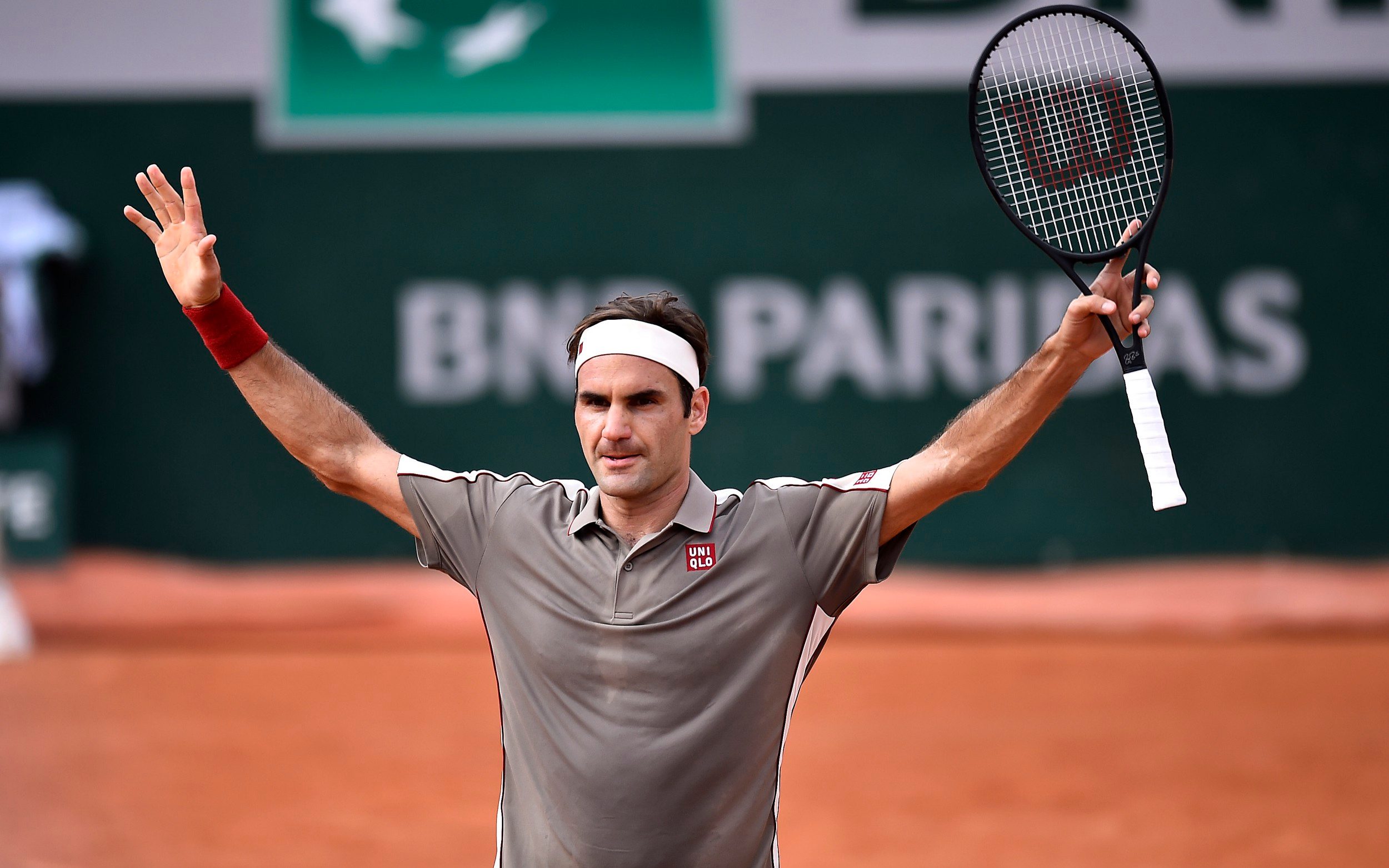
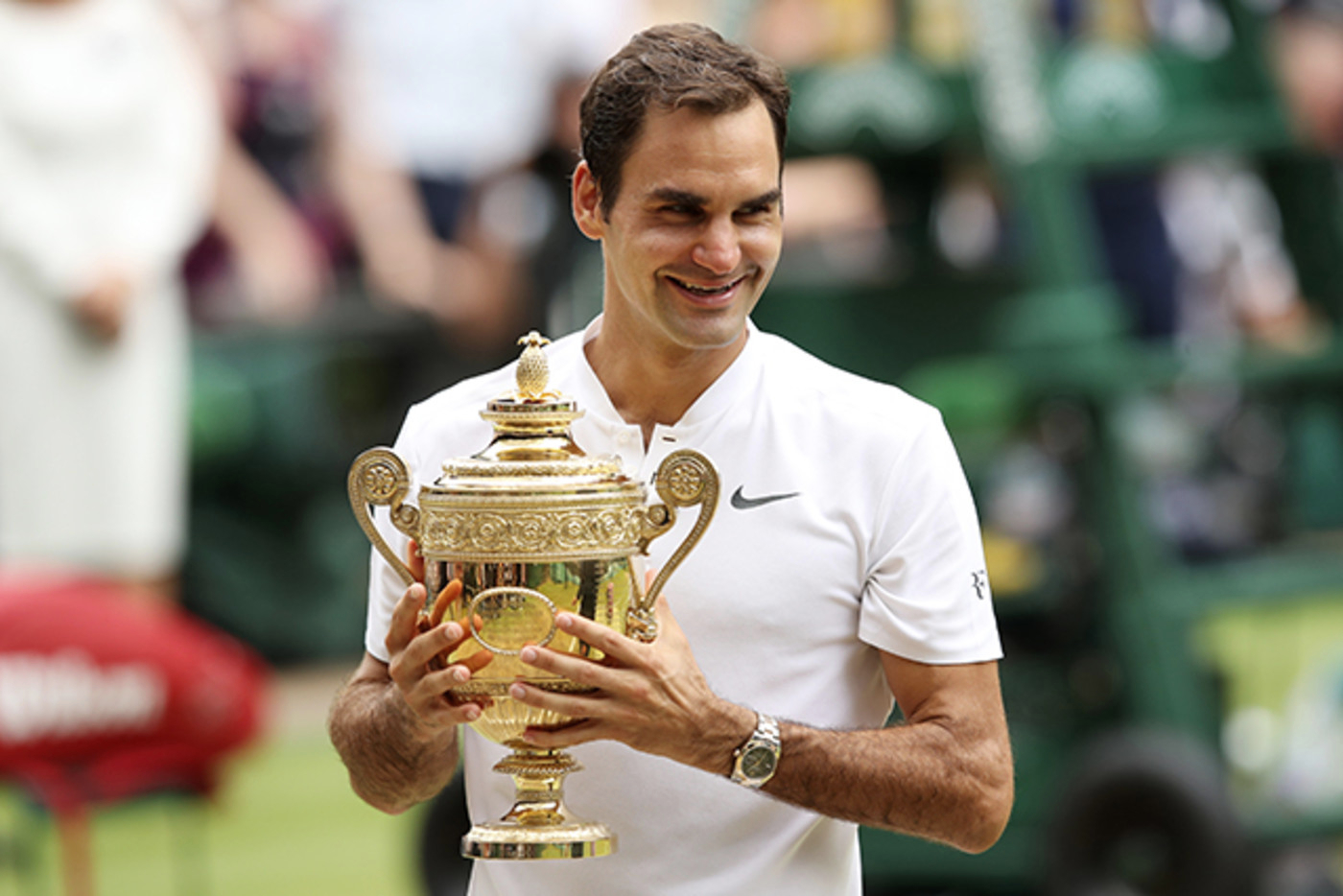
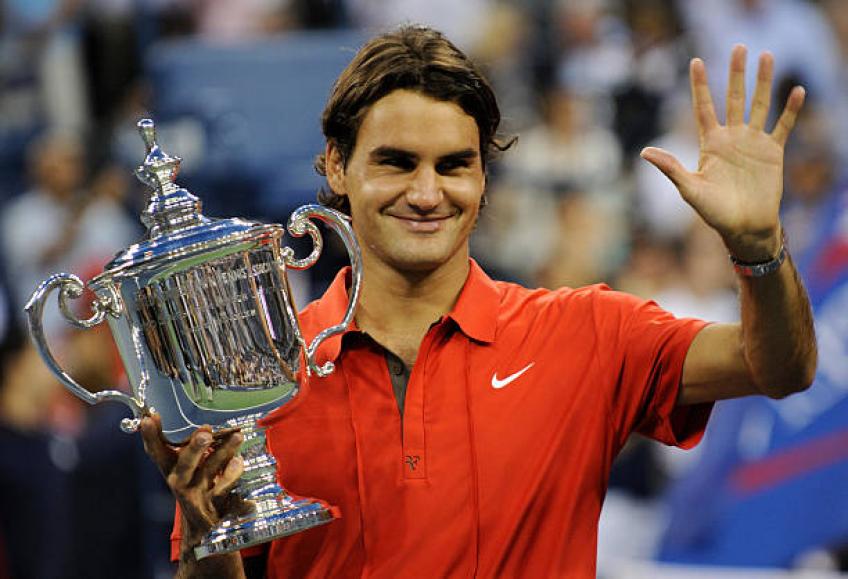
This masterful, stylish, dominant Swiss athlete, RogerFederer, has achieved such towering heights, in tennis, that he is generally considered the sport’s greatest ever practitioner. He has given many, many thrills over the years…with his nonpareil artistry and creativity; his indomitable will; his uncanny proclivity to produce his best when it matters most, when so many others wilt. Always so aware, so ready to seize command of the point. There’s just an extra gear/dimension to his game we’ve not seen before. An undeniable sense of synergy pervades his shotmaking. He has a unique way of taking time away from his opponent with his feet and timing. Winners from every court position flow from his racquet. His touch is exquisite. At his best, Roger’s game was—and, is—nothing short of poetry, the poetry of a genius…a slightly mad one, at that.
I’ll always recall my first viewing, against American Andy Roddick, in the 2003 Wimbledon semi-finals. His preternatural grace and *feel* for the game I simply found astonishing. Magical. When Federer closed out the second set with, really, something no one had seen—a running, forehand half-volley {usually a defensive shot} utterly whipped into the corner for an uncontested winner—both men had to smile. Commentator John McEnroe, quite capable of producing his *own* magic with a racket, was incredulous. “That’s not possible.”
On a personal note, I was fortunate enough to partake of the Great Man at very close quarters; a practice session. Being at such proximity to Mr. Federer would have to be included in one’s rather intimately scaled coterie of “Religious Experiences”. Plus, he also rather casually did something impossible. He’s like that.
The grace also masked an assassin-like ruthlessness that could torture opponents. NickKyrgios, the temperamental Australian star, has said that Federer is the only player who has ever made him feel like he really did not know what he was doing on a tennis court.
From the great RafaelNadal, on his immortal rival: “If he is playing very good, I have to play unbelievable. If not, it’s impossible, especially if he’s playing with good confidence. When he’s 100 per cent, he’s playing in another league. It’s impossible to stop him.”
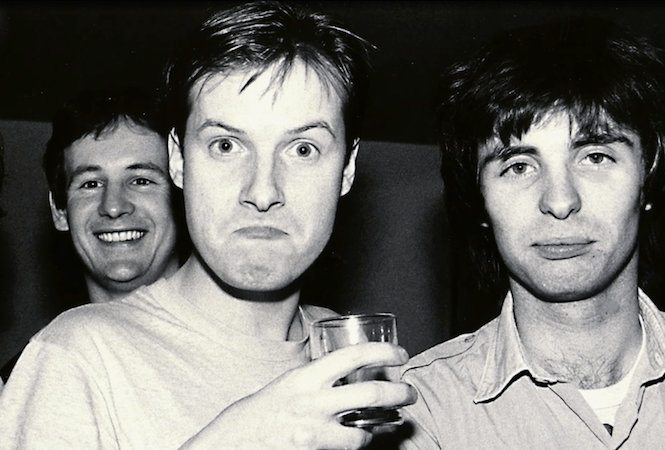
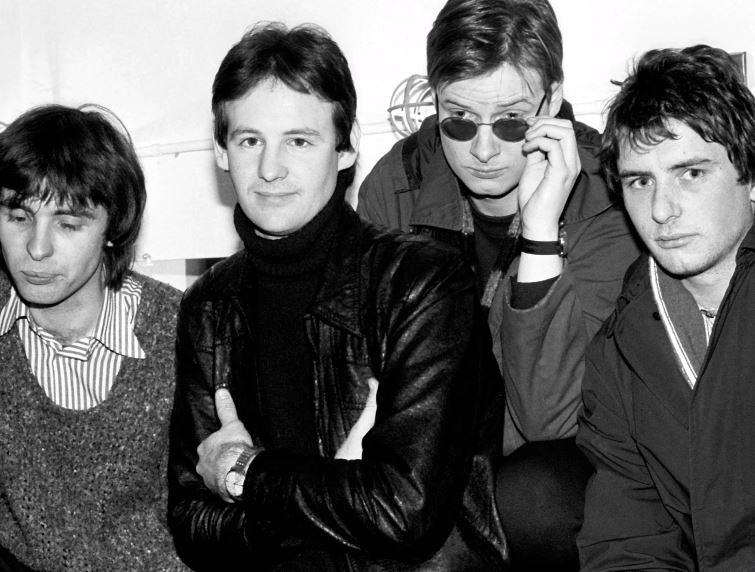
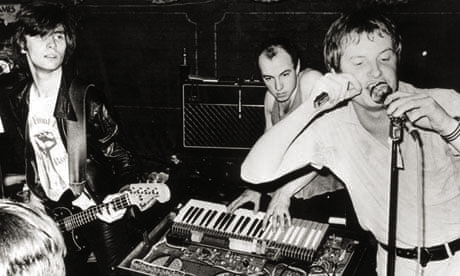
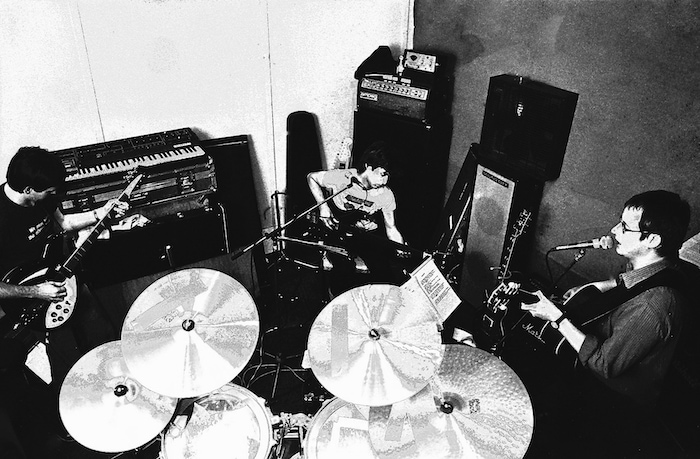
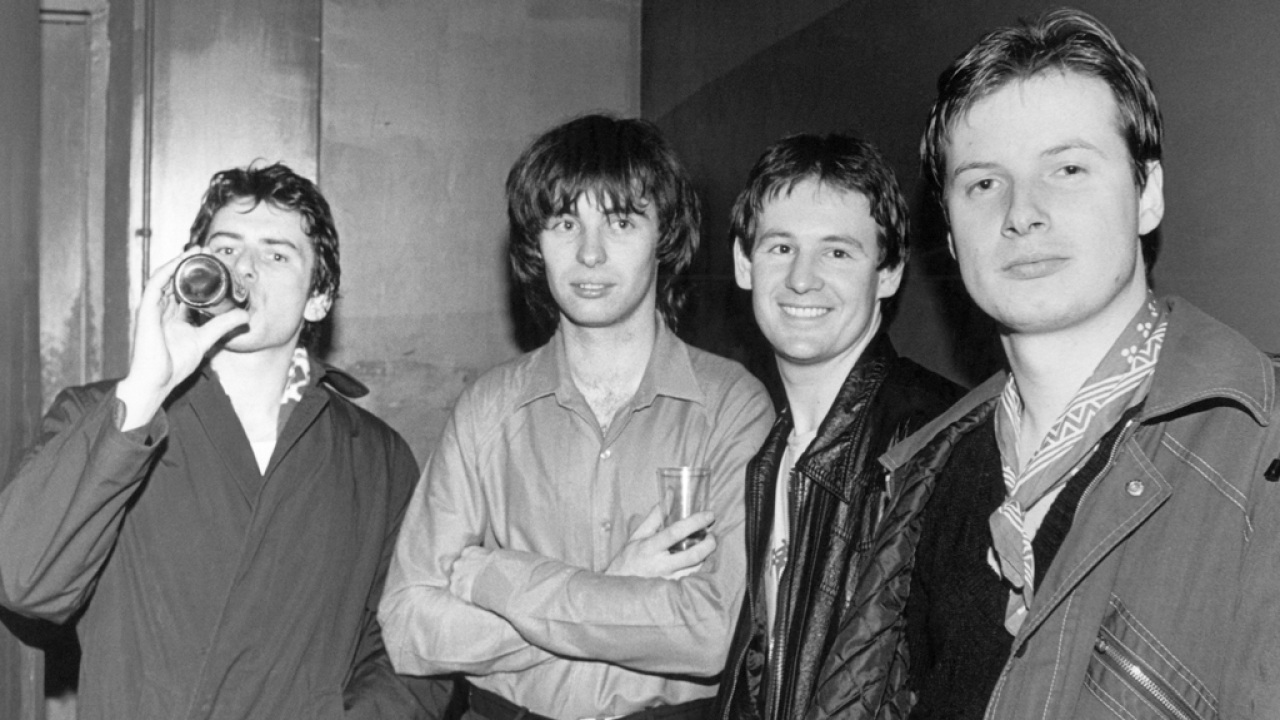
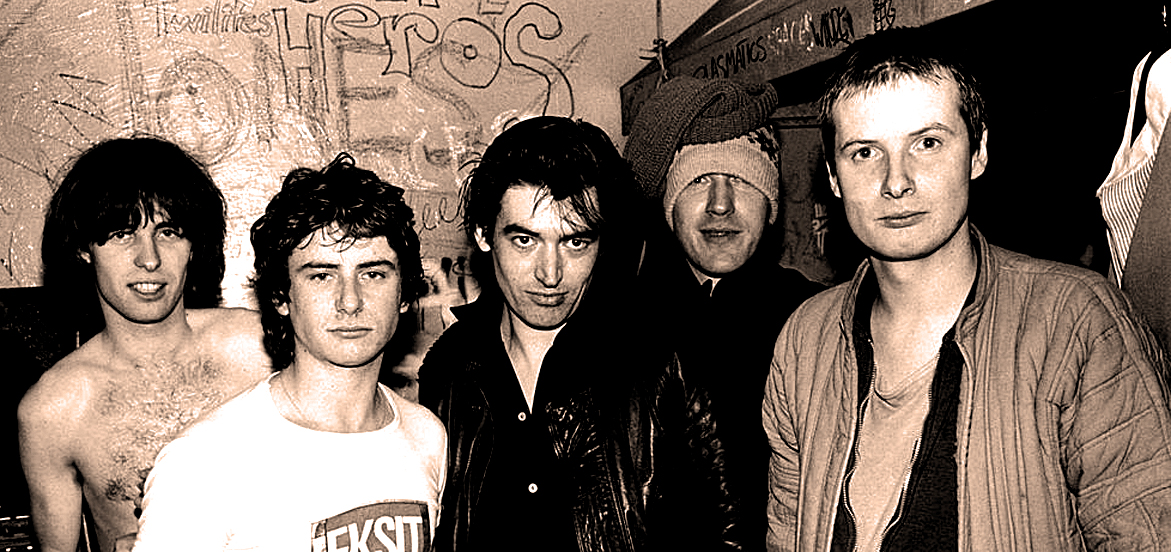
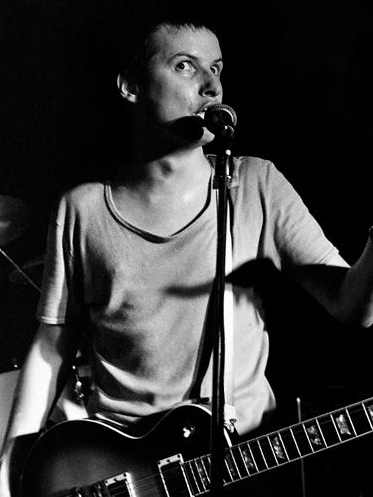
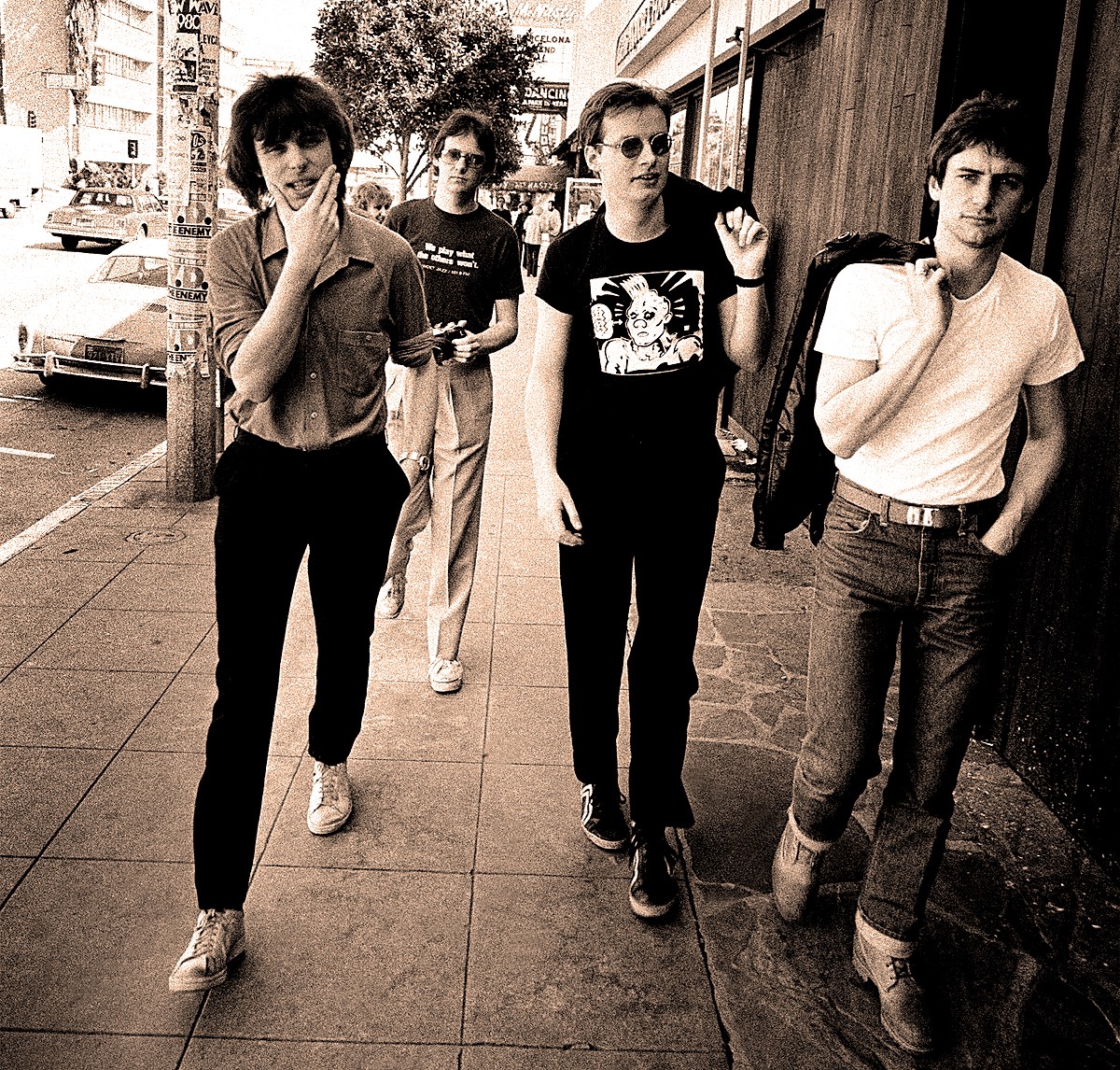
Few bands can match XTC’s accomplishments as far as writing/performing memorably quirky, intellectual, and, yes, catchy songs. Lead vocalist AndyPartridge provides the oddball genius charisma to generate a potent cocktail of aural nirvana.
Most of these are live performances, with the Rockpalast “Senses” being fairly rare.
Partridge experiences auditory synesthesia, which he uses in his songwriting process. In later interviews, he stated he believes himself to be on the autistic spectrum, saying in a 2022 interview with The Guardian: “I think I’m on the spectrum, yes, but it’s all helped me and I wouldn’t have it any other way.” He has also had obsessive–compulsive disorder since childhood. At the age of 12, he was professionally diagnosed with ADHD (known at the time as simply “hyperactivity”) and prescribed Valium. He later formed a dependency on the drug that was exacerbated by the pressures of his music career. After disposing of the drug in 1981, he experienced severe withdrawal effects that led to XTC’s withdrawal from touring. But persevere he nonetheless did.
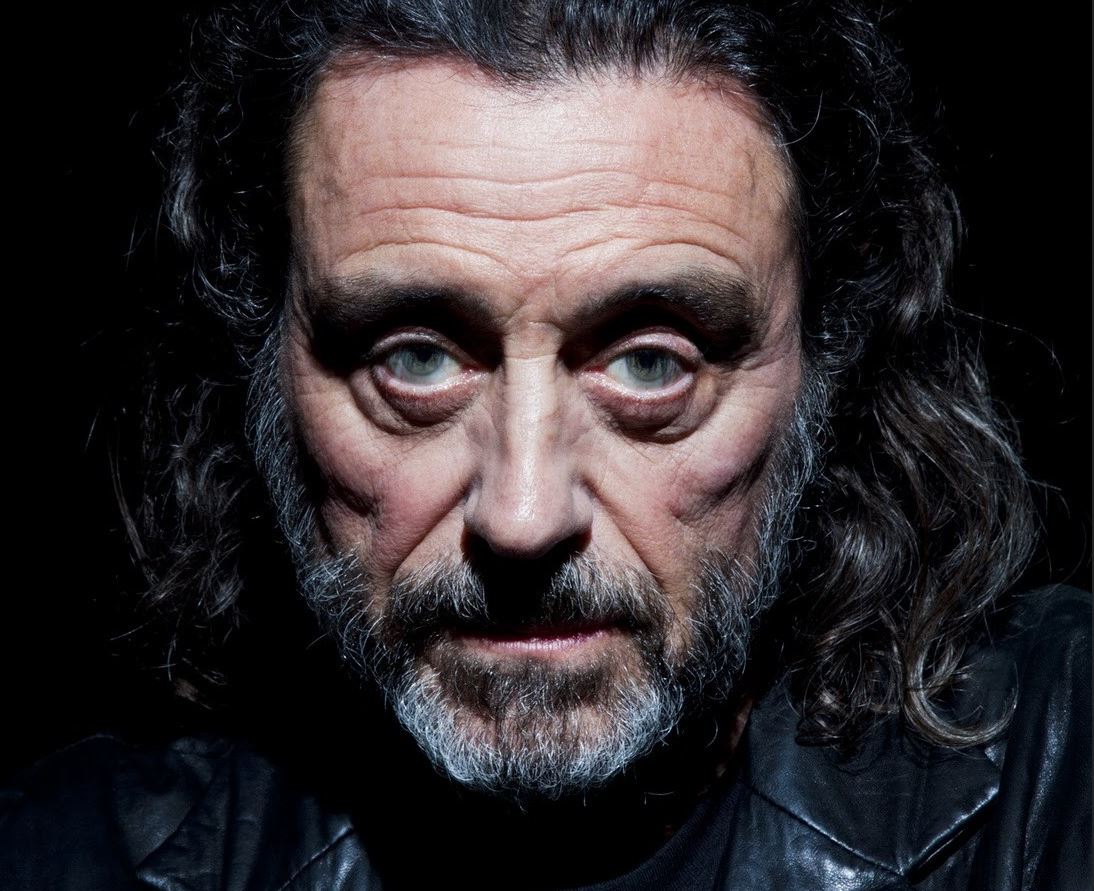
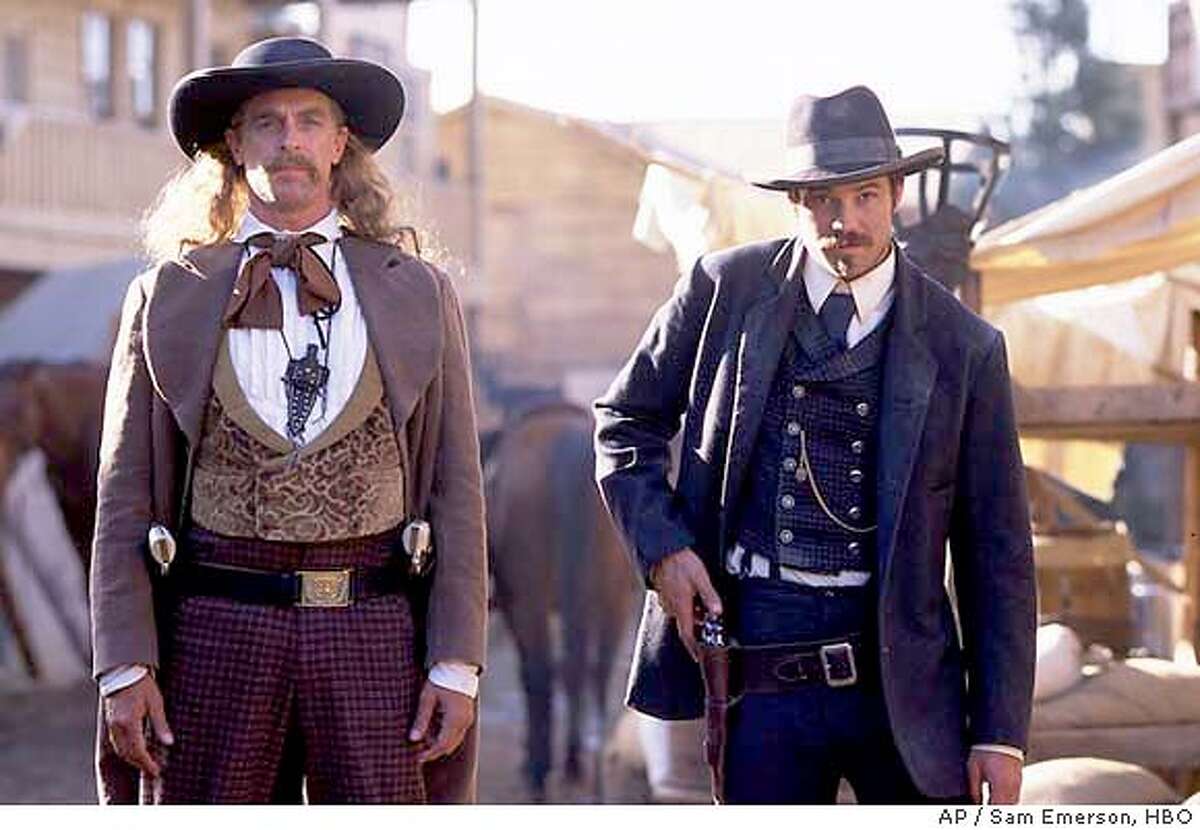
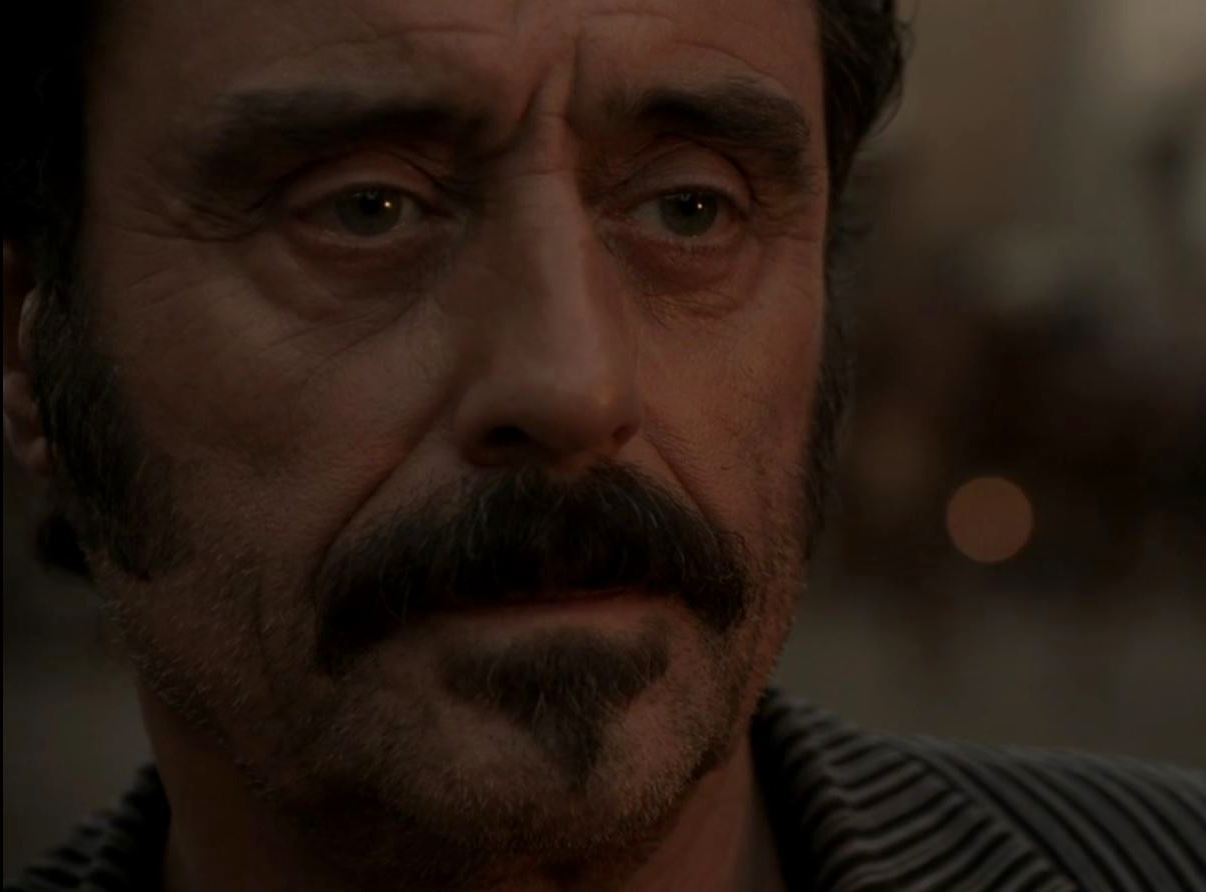
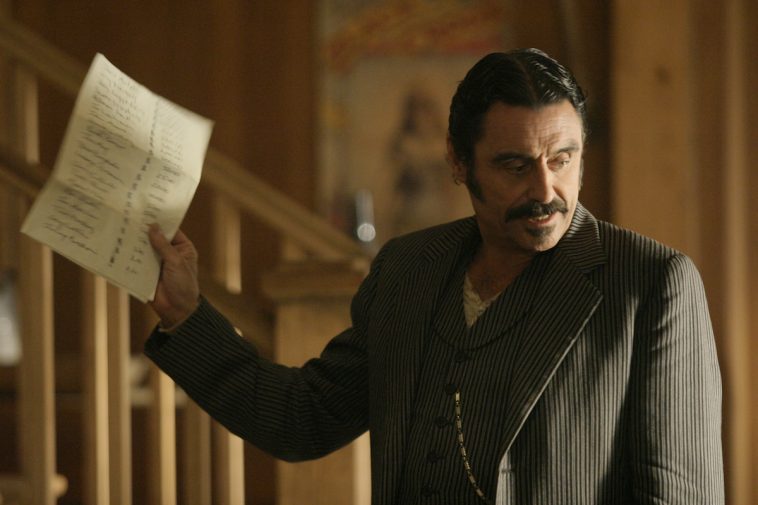
Various goings-on and iconic moments from the existential western, Deadwood. Featuring brilliant performances by TimothyOlyphant, KeithCarradine, and IanMcShane.
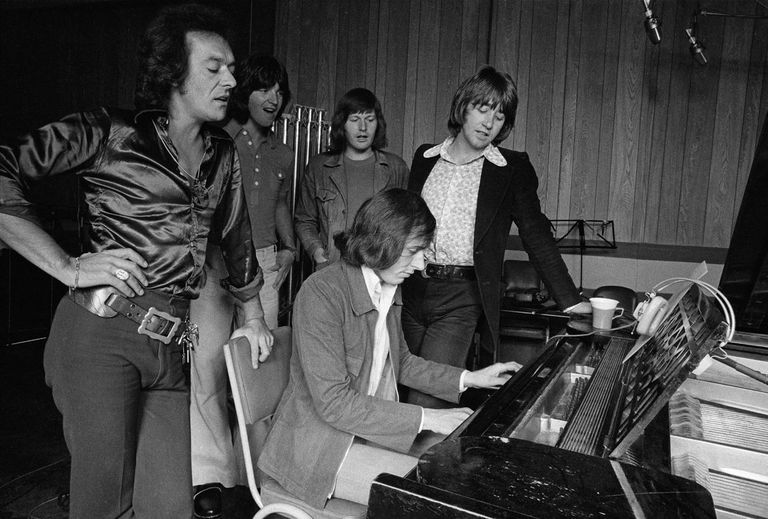
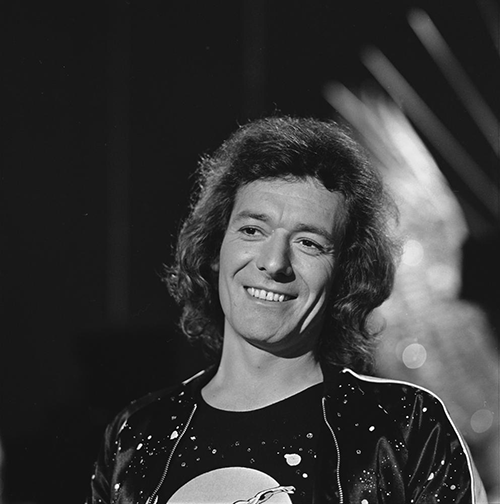
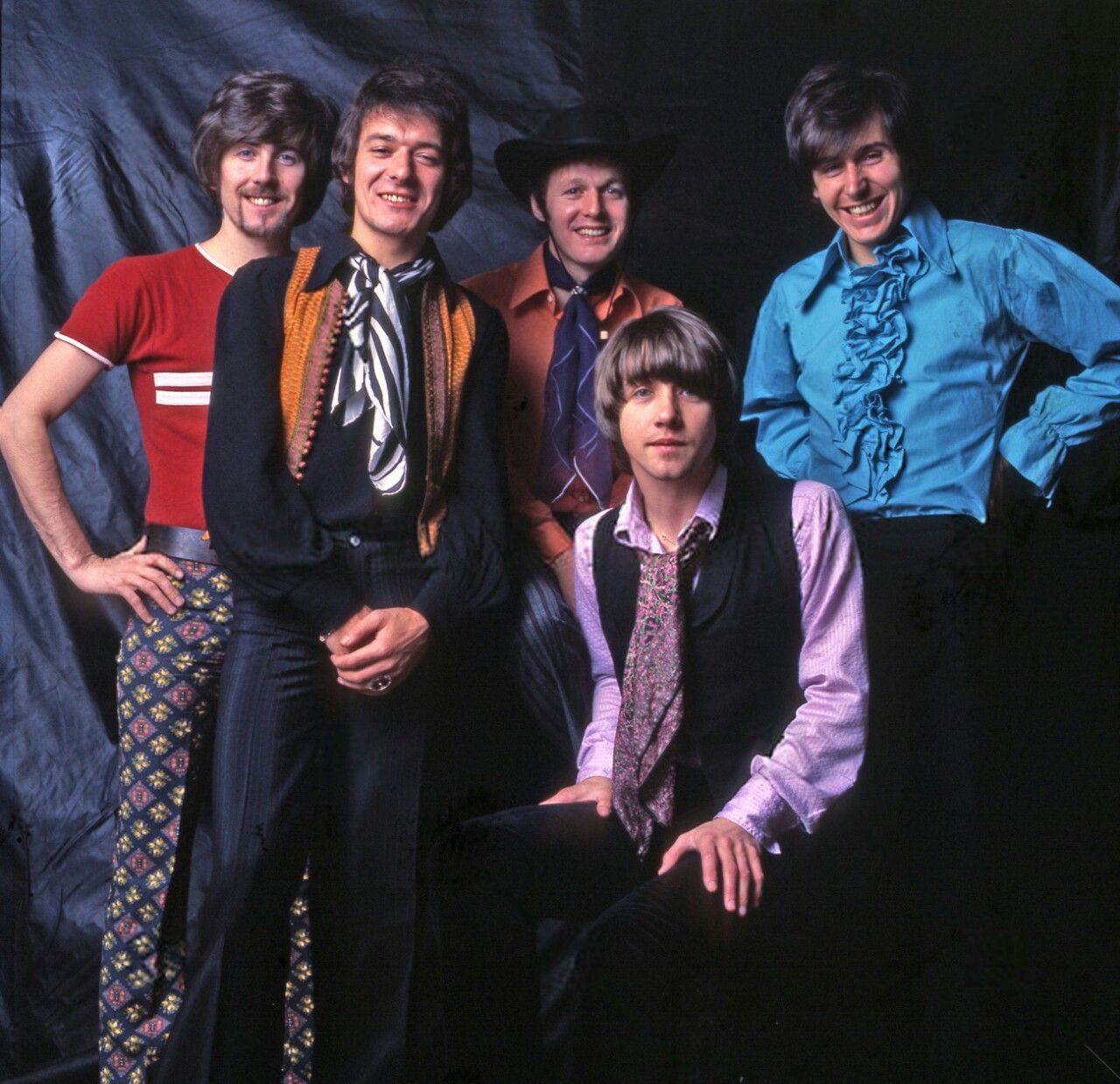
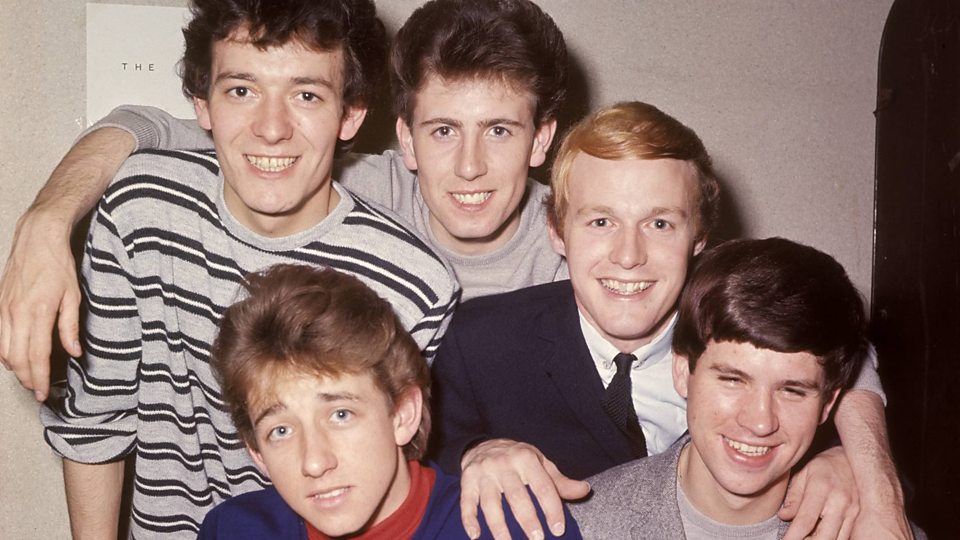
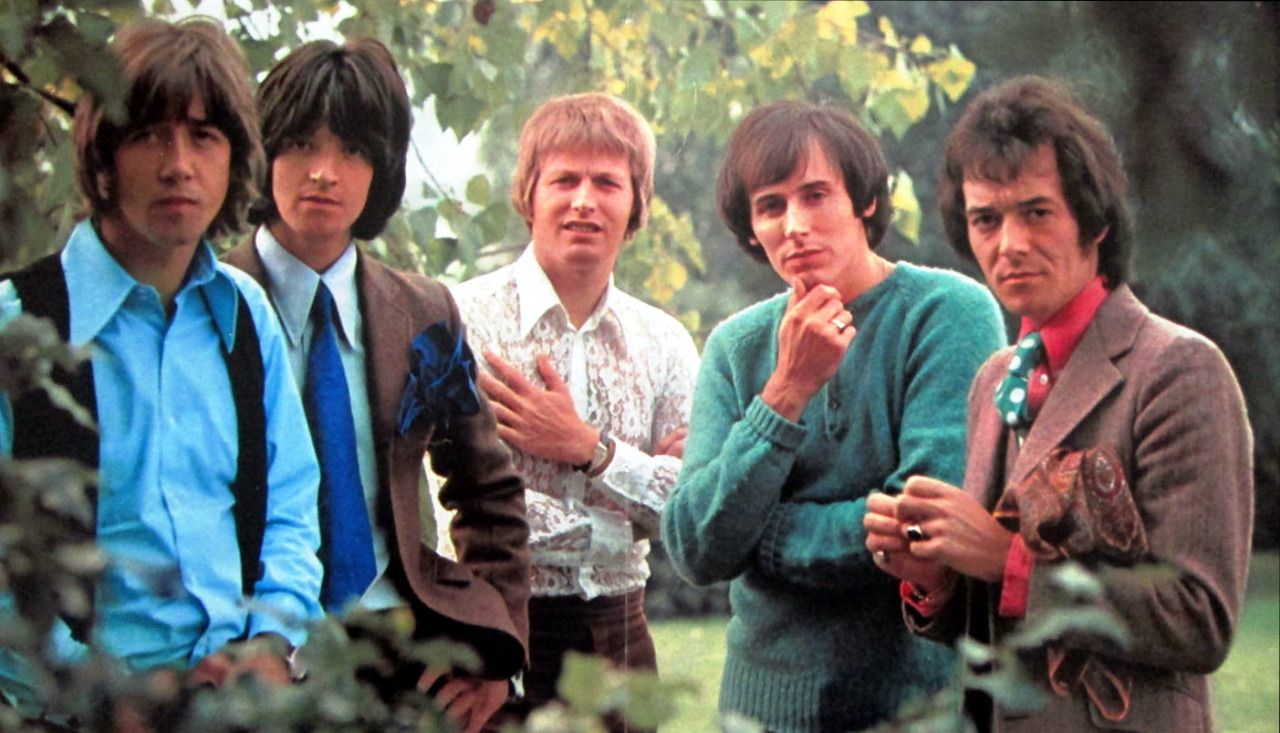
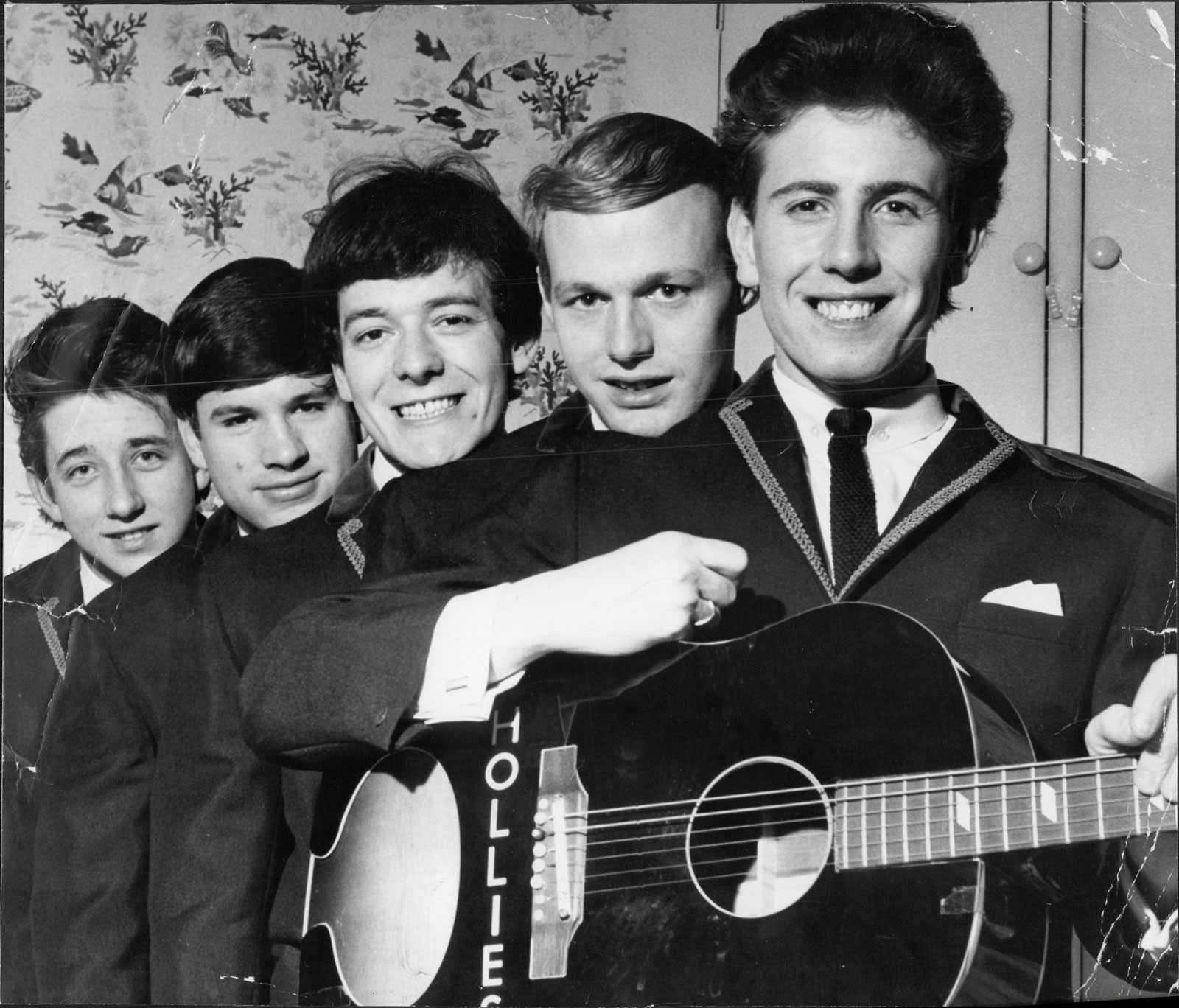
The Hollies, a superb three-part harmony group {primarily}, fronted by the amazing AllanClarke, had many a monster hit, including the Albert Hammond-penned The Air That I Breathe; these are four of their finest.
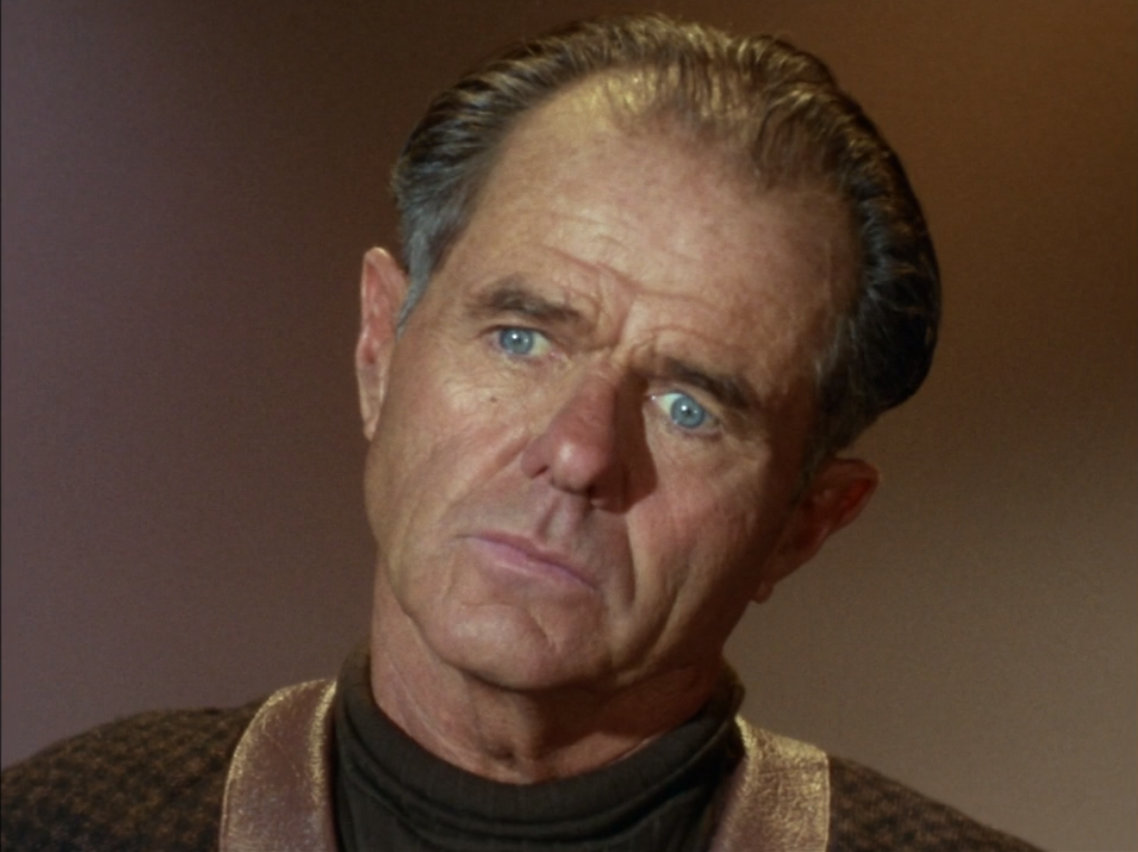
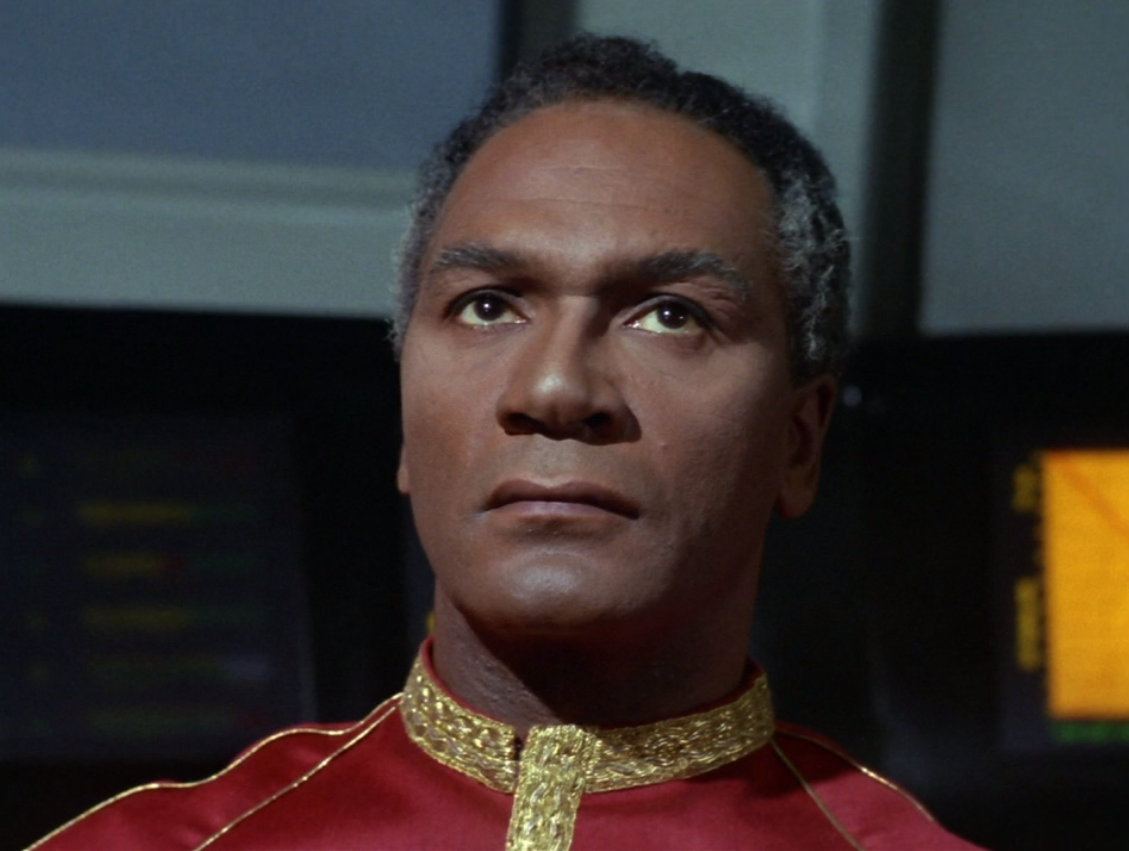
RichardWebb {as Ben Finney} and the renowned ElishaCook, Jr. {Samuel T. Cogley} both give standout performances in this Trek episode, which focuses on a curious concept: Justice.
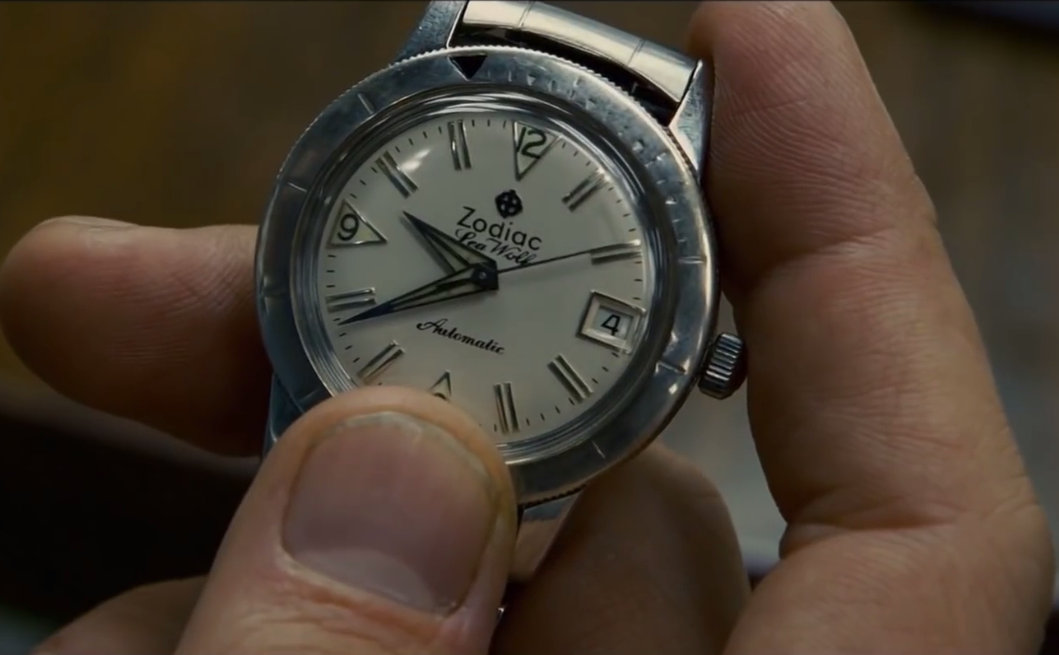
The Zodiac Killer was active—as far as we know—in 1968 and 1969, though he claimed in one of his notorious, cryptic, and, really, legendary, letters that he had killed (and was continuing to kill…) many more than the law department could conceive of. His five “canonical” murders were unusual in a number of ways: his “signature” varied from event to event; and instead of trying to conceal his deeds, he boasted and rodomontaded unabashedly and very publicly. When he gloated that he planned to kill schoolchildren as they “came bouncing out” of a schoolbus, panic ran rampant throughout the whole of Northern California.
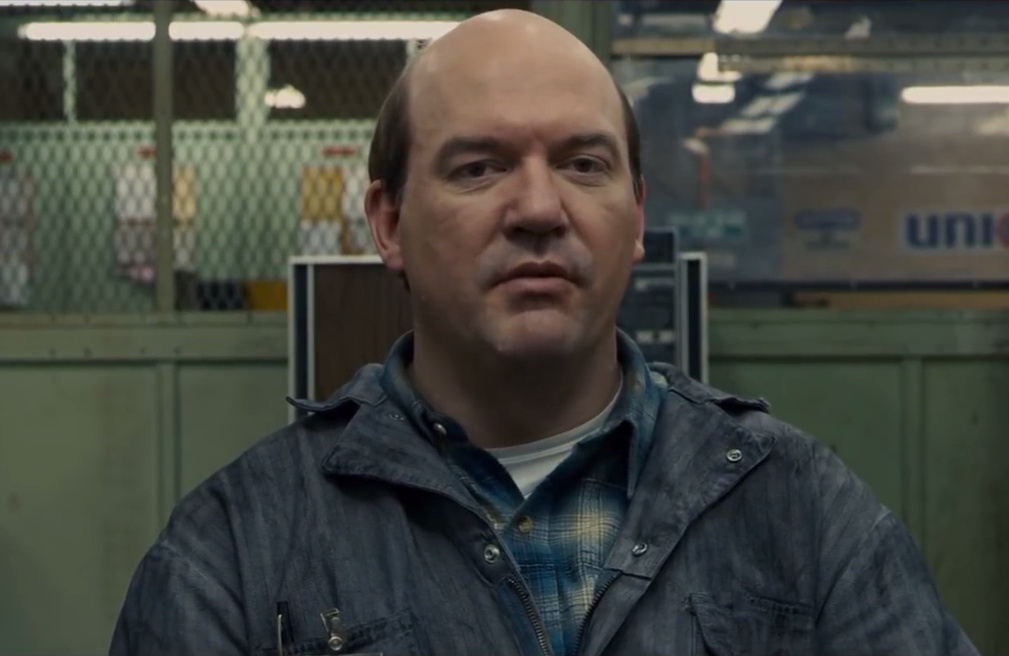
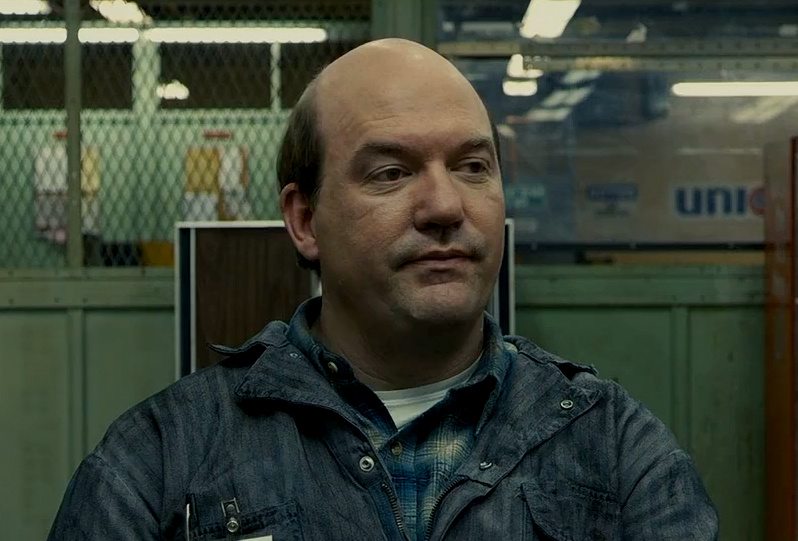
The initial scene shows the strikingly cryptic, bizarre, haunting interview that Toschi {portrayed by Mark Ruffalo}, Mulanax {Elias Koteas} and Armstrong {Anthony Edwards} held with Person of Interest Arthur Leigh Allen {played by John Carroll Lynch, who gets it pitch-perfect}. By turns haughty, indignant, angry, and laconic, Allen kept dropping revealing, tantalising bits of information that certainly got the lawmen’s attention. They glance at each other, almost in shock, as the suspect all but reveals that he’s the infamous Zodiac. But not quite. An extremely intense scene.
The middle two videos cover one of the “canonical” Zodiac murders, and some of writer/sleuth Robert Graysmith‘s unnerving detours into what may, or may not be false leads, this being a particularly disquieting episode with Bob Vaughn (Charles Fleischer).
The final video shows Robert Graysmith (Jake Gyllenhaal) as he enters the domain of Leigh, not to prove anything, but to look into his eyes “and know he’s the one”. He does so, and as it dawns on the chief suspect of the Zodiac investigation what is happening, his countenance morphs from pleasant and welcoming, to menacing and cold.
This riveting film focuses, for the most part, on the remarkable degree of not only fear, but *obsession* that the never-caught serial killer instilled in people. This kind of obsession destroyed a number of lives; Paul Avery {Robert Downey, Jr.}, Dave Toschi {Mark Ruffalo}, and Robert Graysmith {Jake Gyllenhaal} are those examined in Zodiac.





































































 Bideodromage