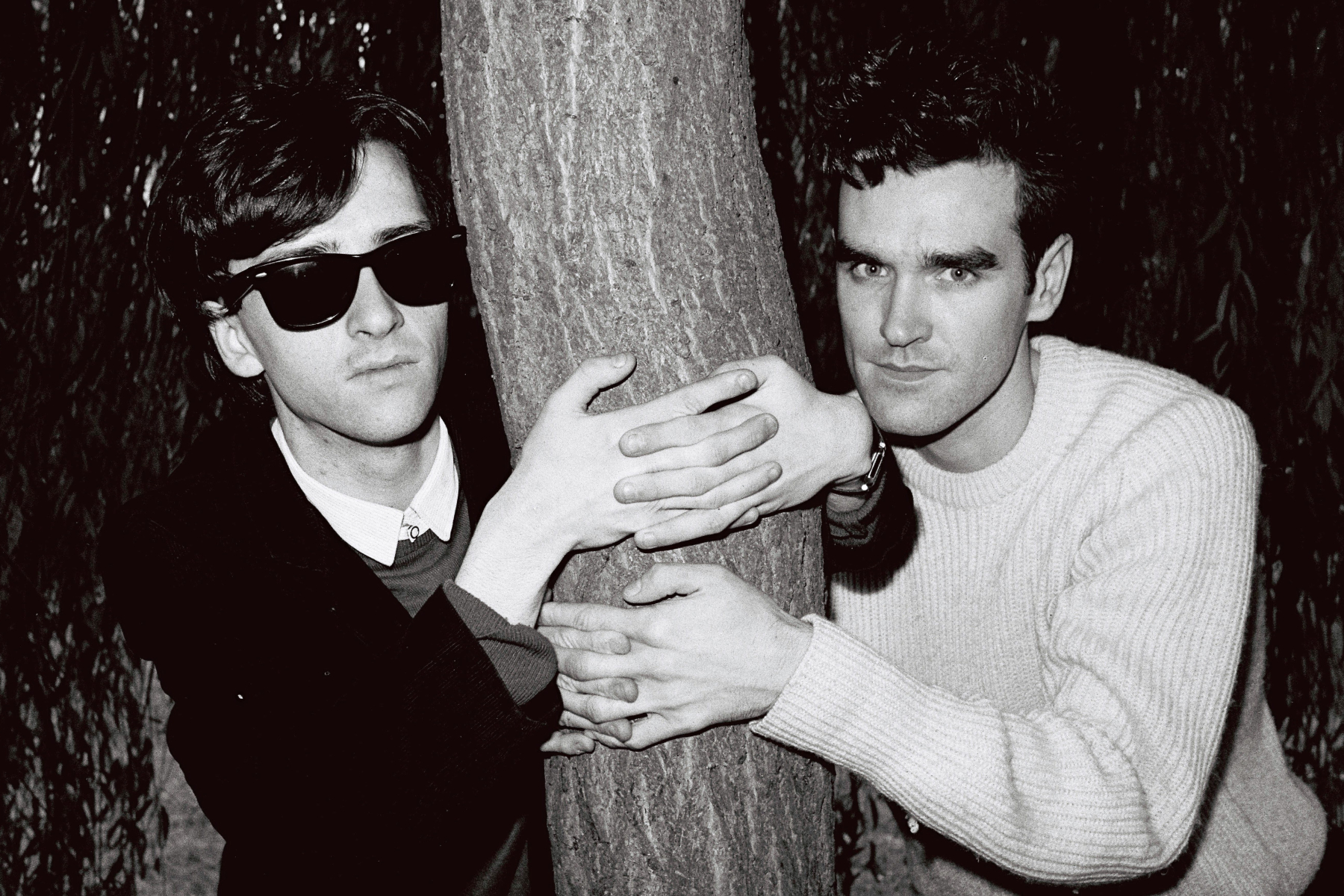
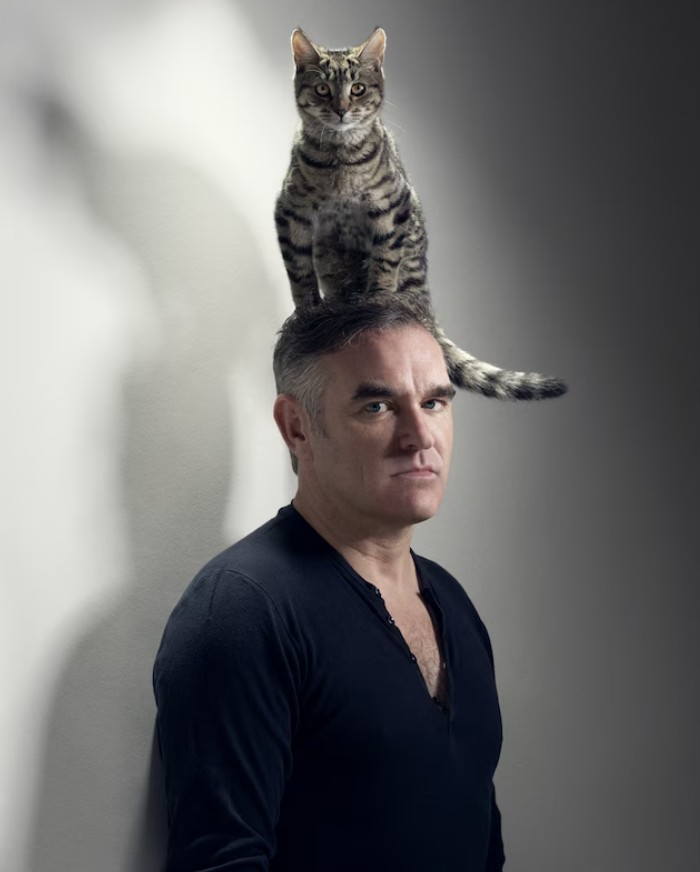
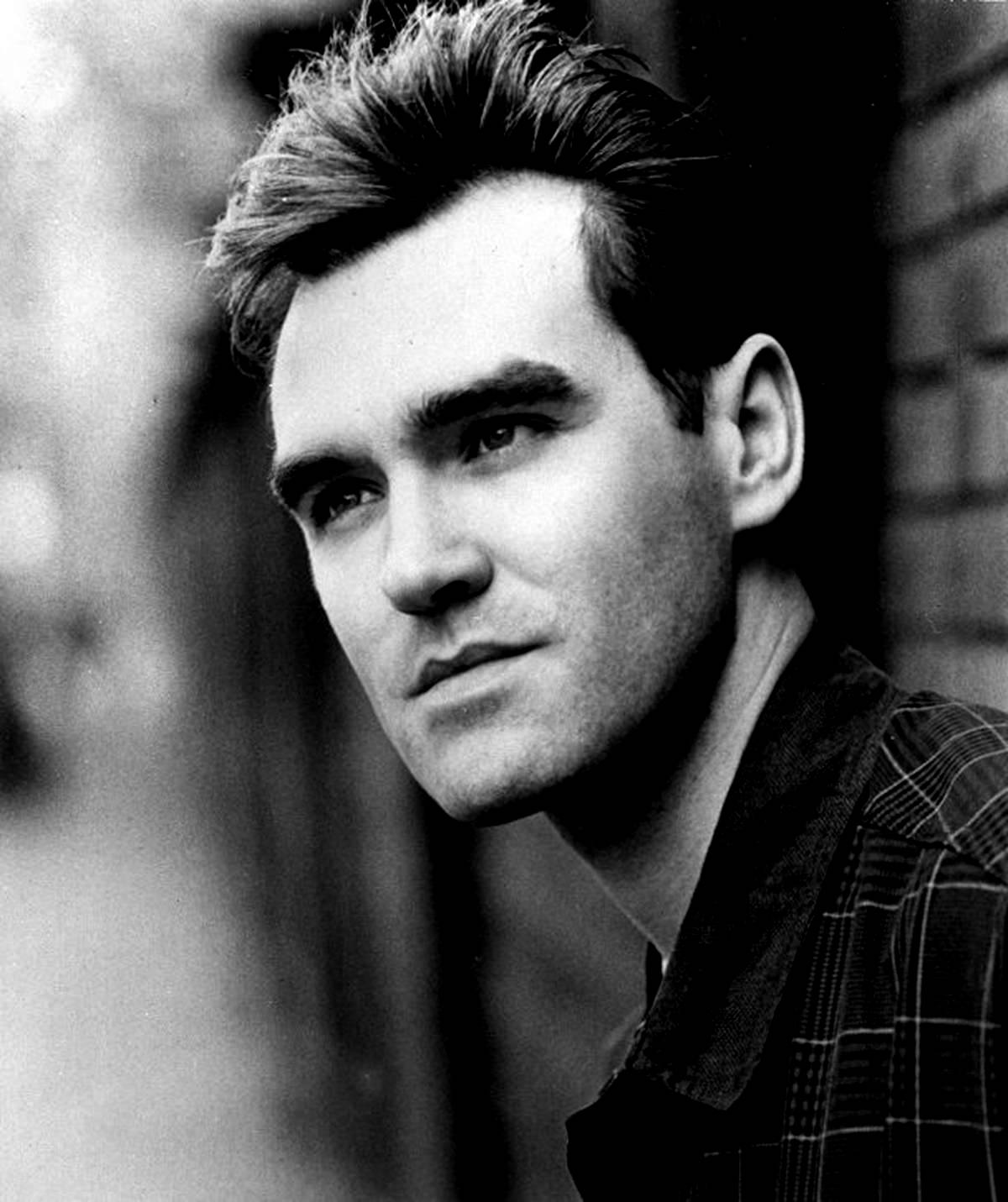
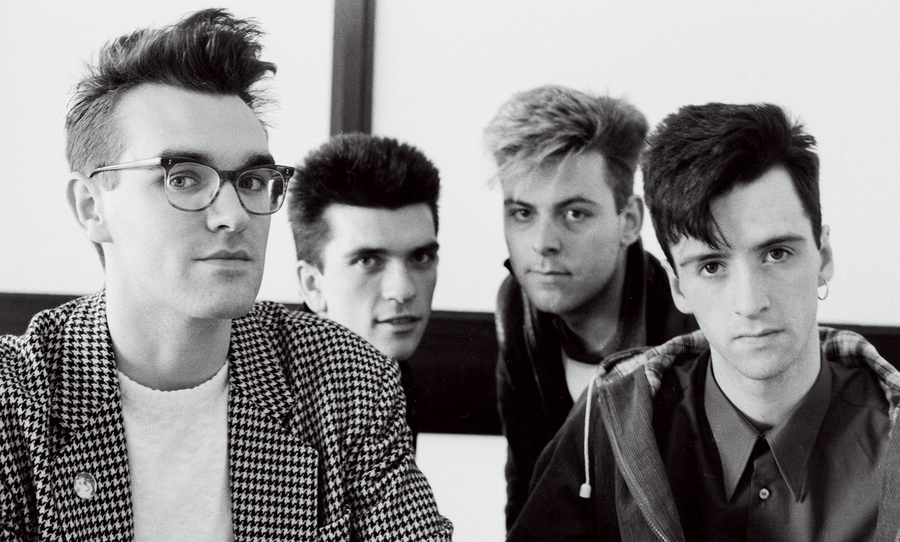
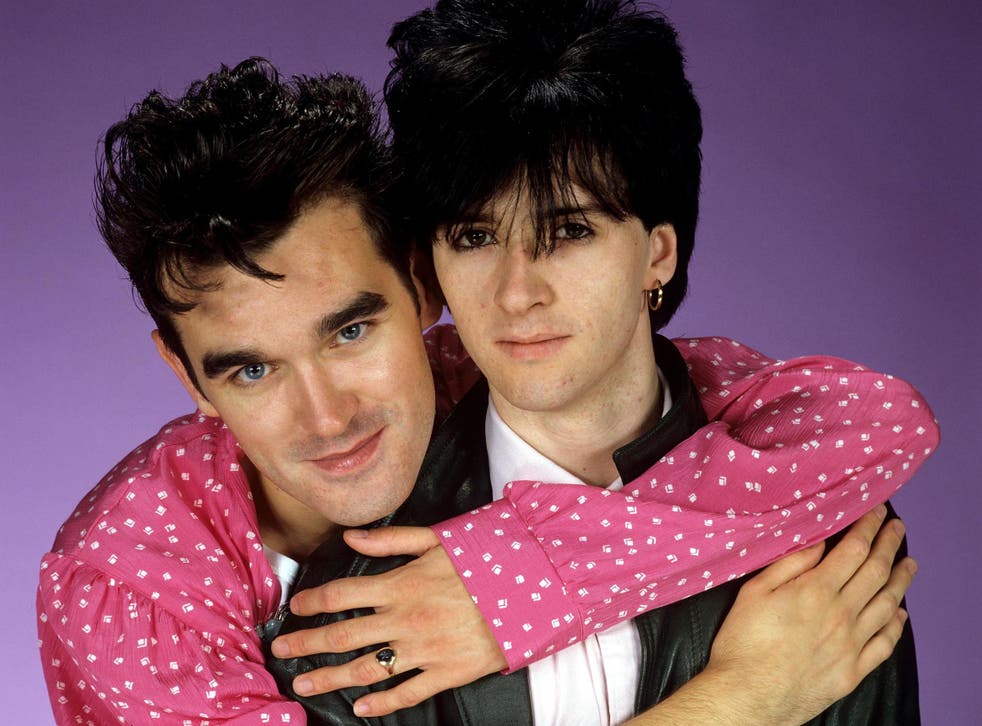
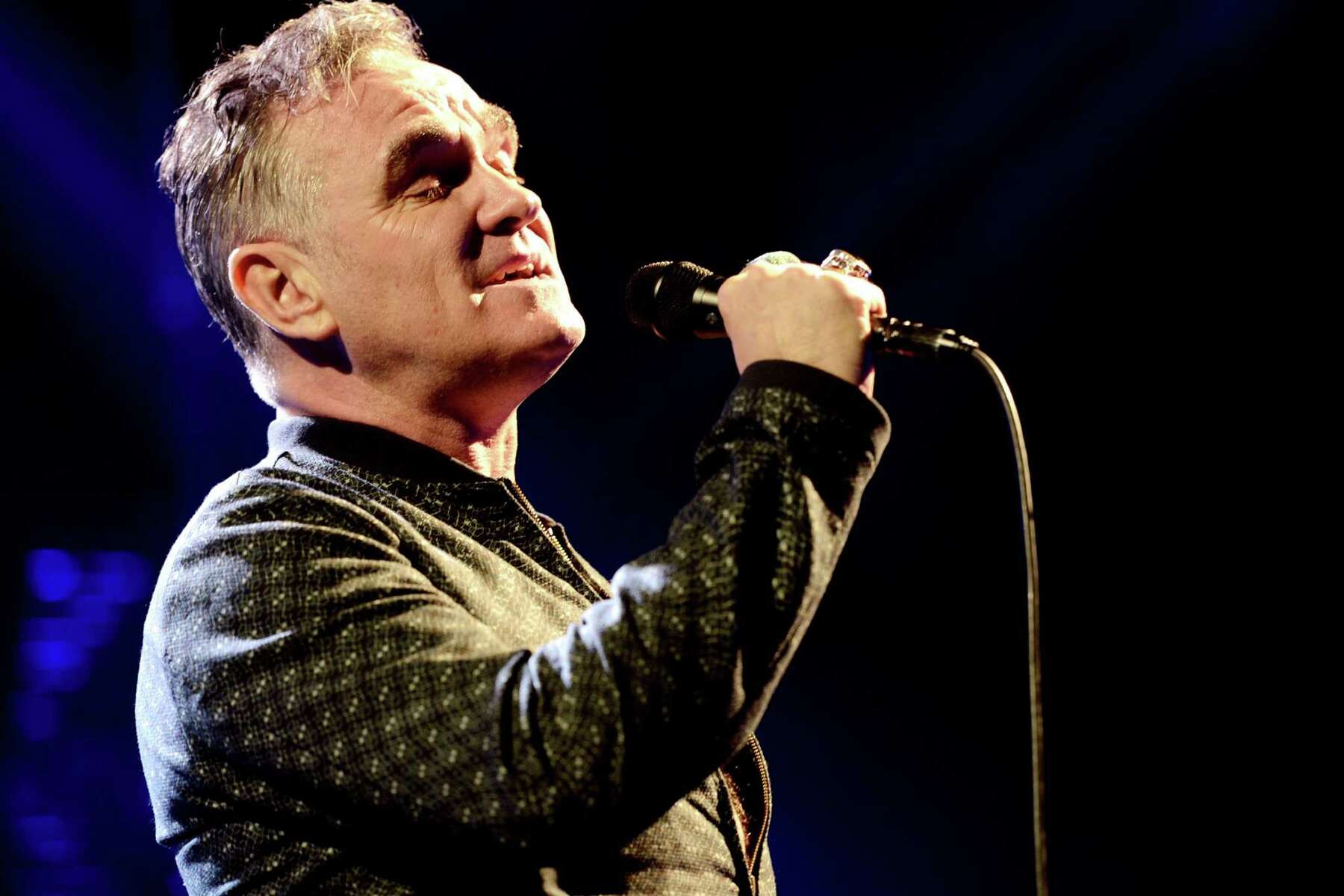
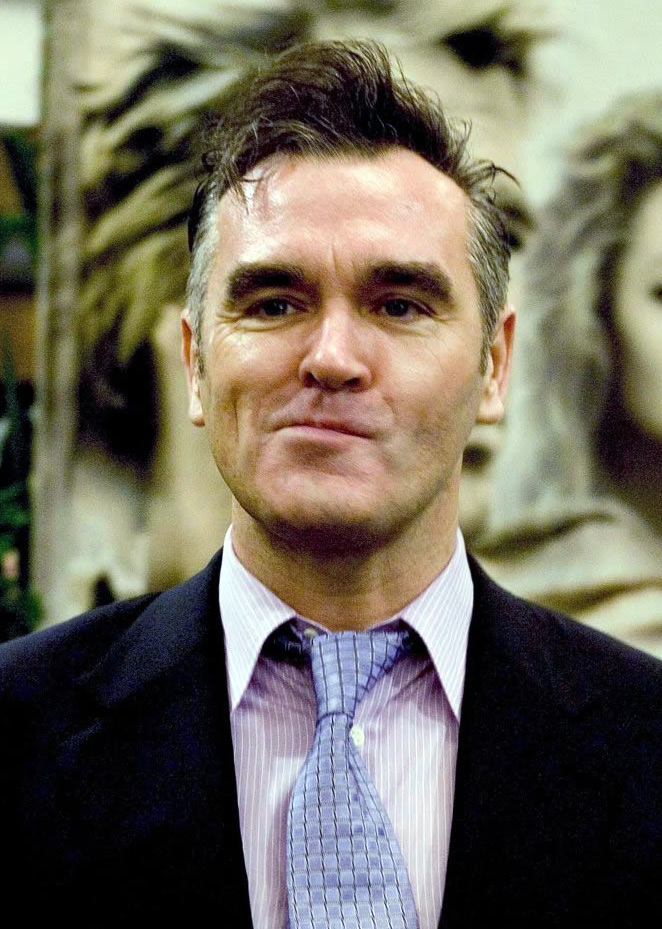
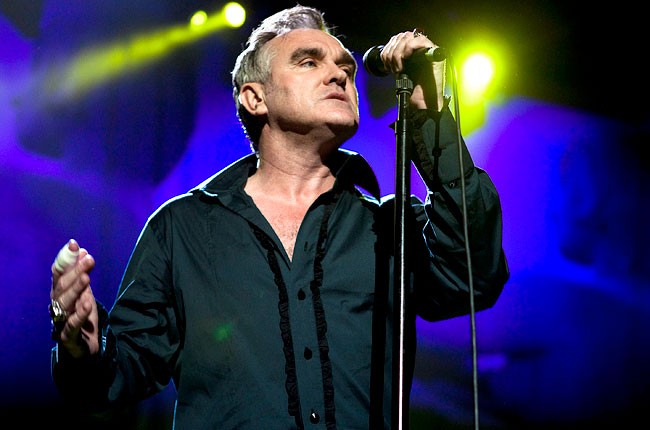
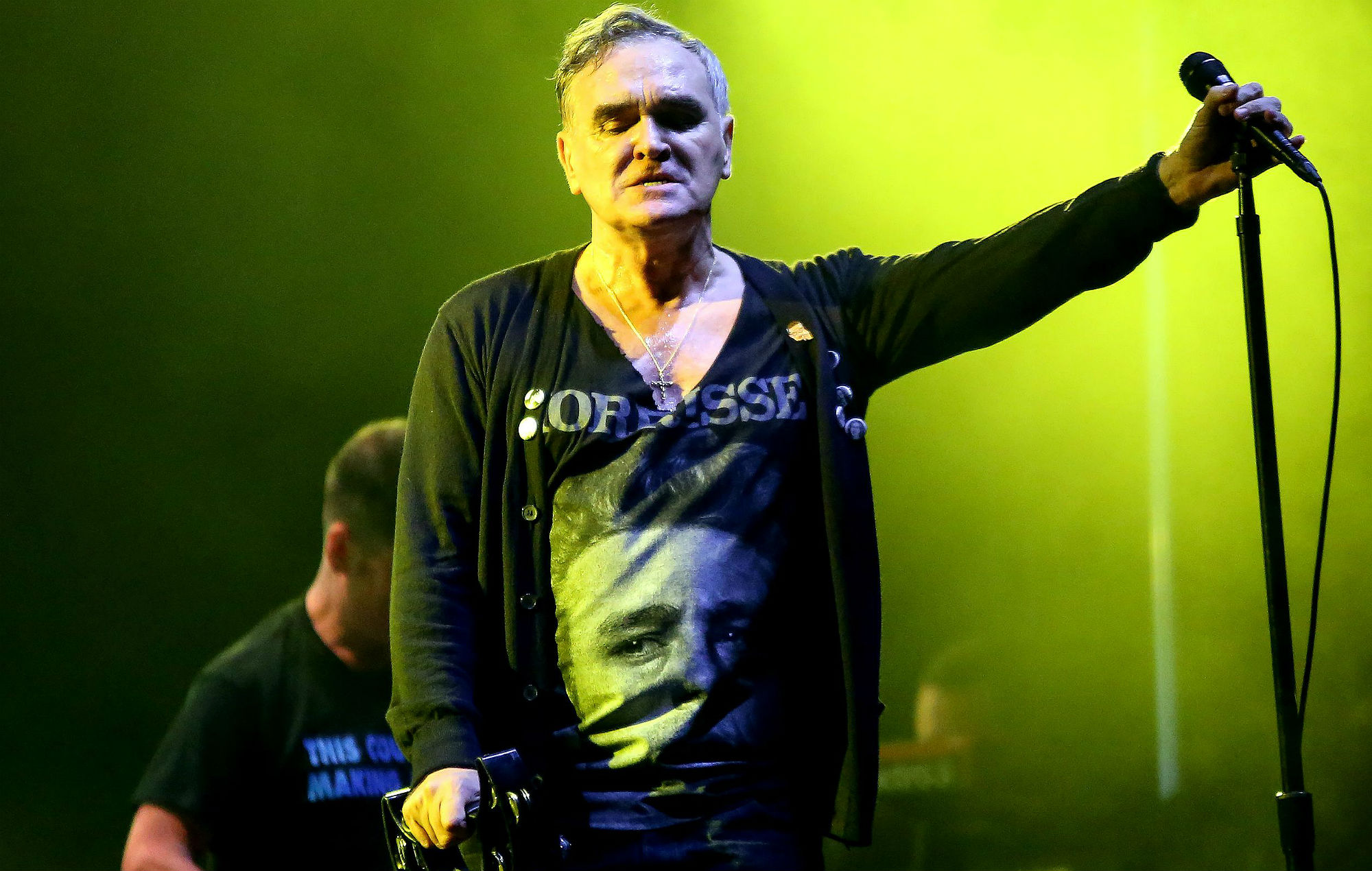
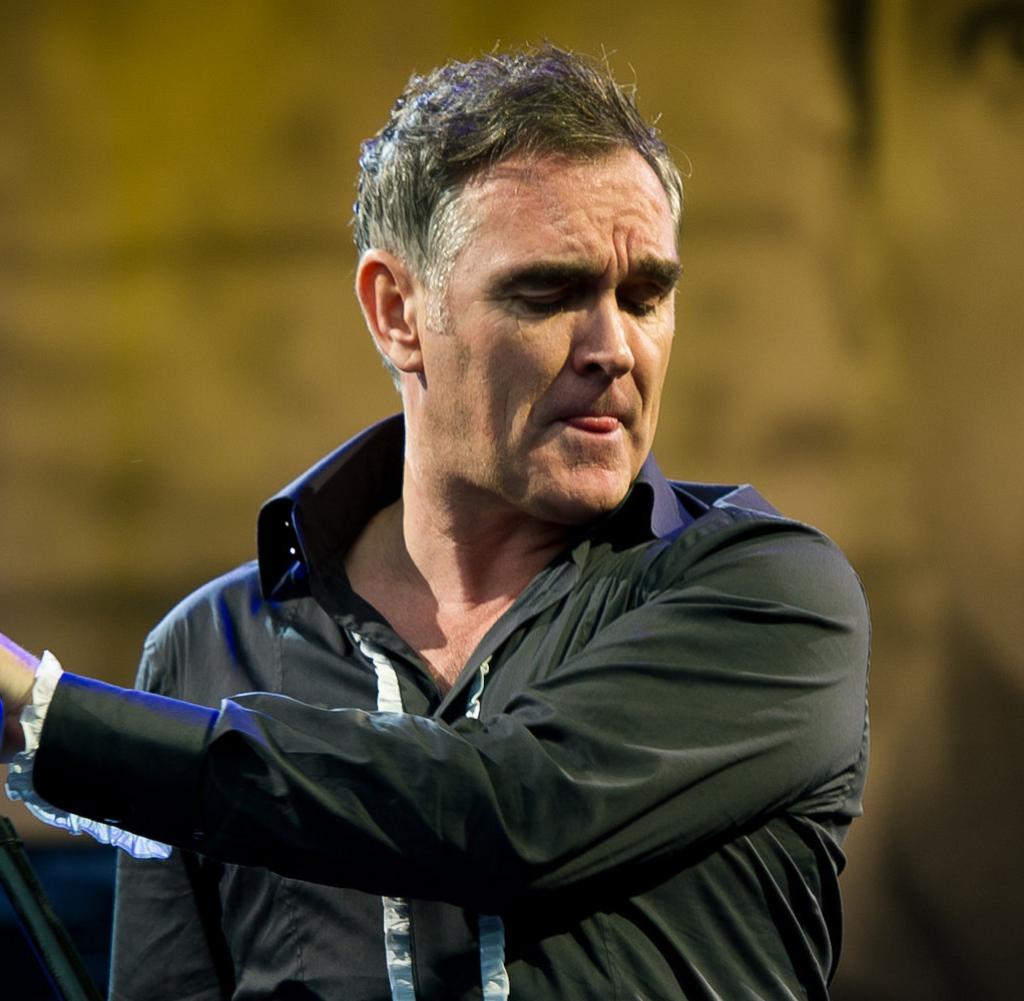
Few are in the class, charisma-wise, of The Steven PatrickMorrissey. The mononymous one, co-founder of TheSmiths, with guitarist JohnnyMarr, ventured out on his own, diary in hand, to great fanfare in 1987. As it turns out, he did rather well.
To quote the great man: “I don’t recognise such terms as heterosexuality, homosexuality, bisexuality, and I think it’s important that there’s someone in pop music who’s like that. These words do great damage, they confuse people and they make people feel unhappy, so I want to do away with them.”
In a 1989 interview, he said that he was “always attracted to men and women who were never attracted to me” and thus he did not have “relationships at all”. In 2013, he released a statement that said, “Unfortunately, I am not homosexual. In technical fact, I am humasexual. I am attracted to humans. But, of course . . . not many.”
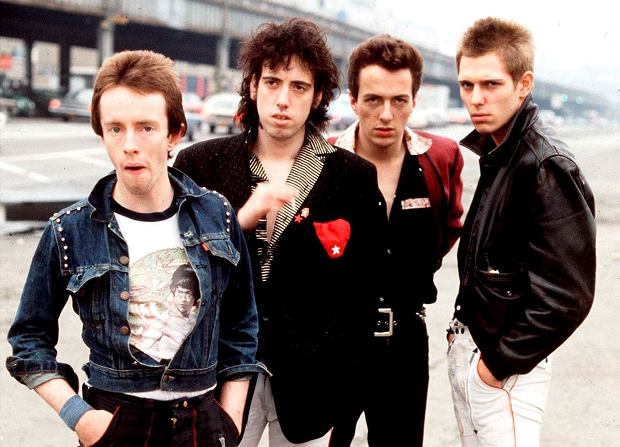
TheClash formed in 1976, led by the charismatic/titanically intense vocalist/guitarist/composer JoeStrummer. The group cut a swath through the burgeoning punk rock scene, with furiously kinetic performances that whipped all and sundry into a frenzy. World domination quickly ensued.
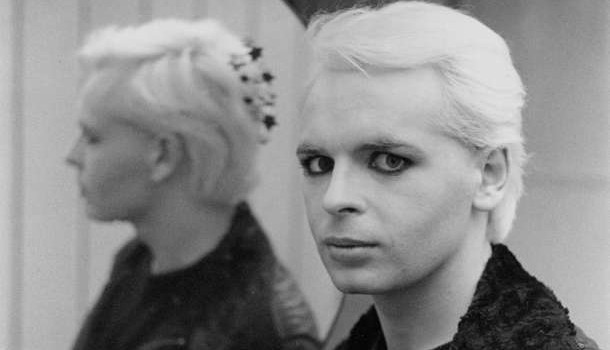
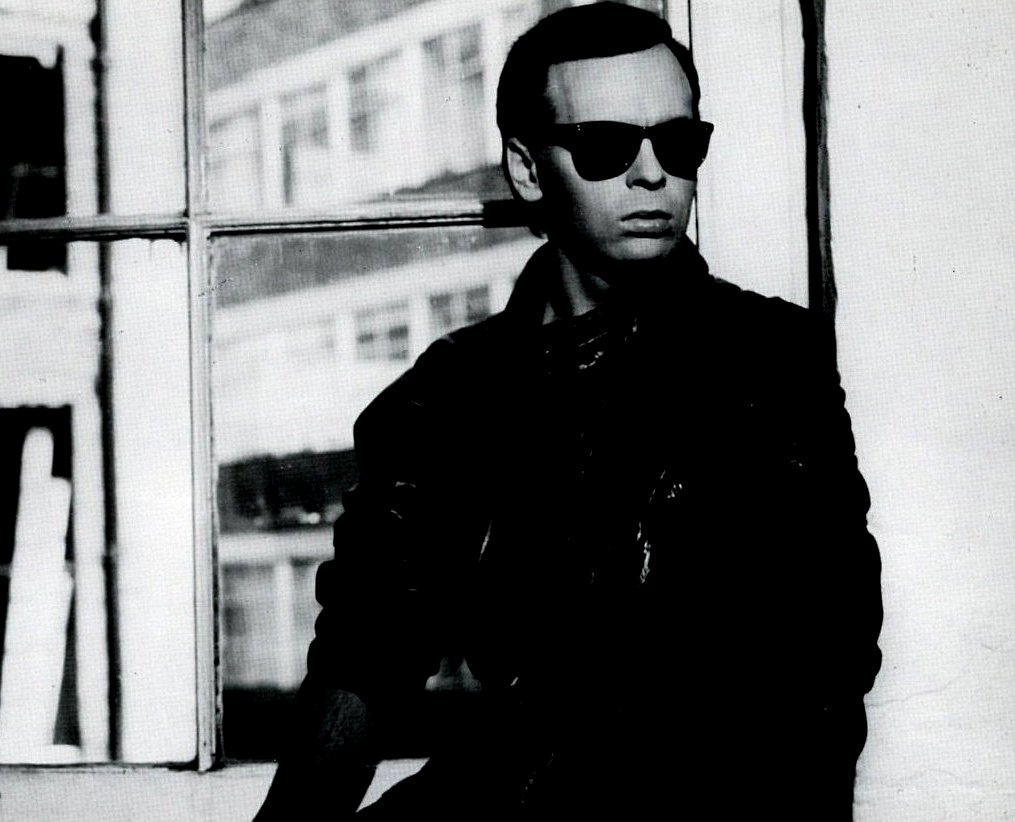
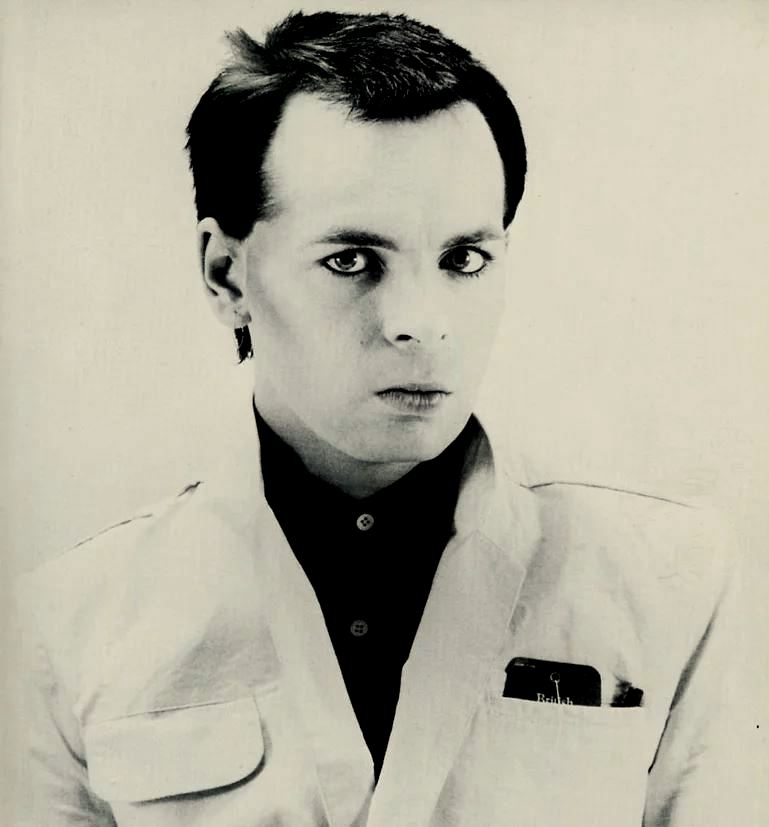
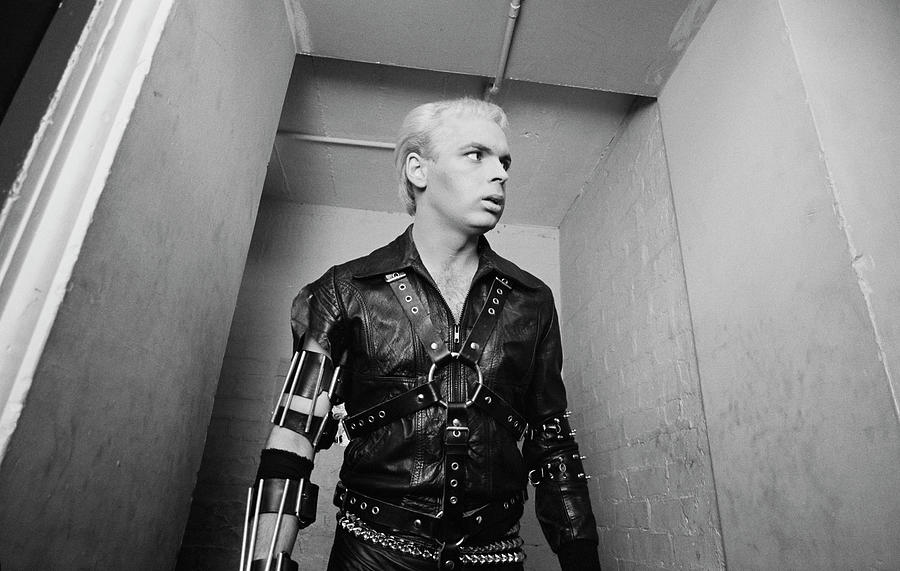
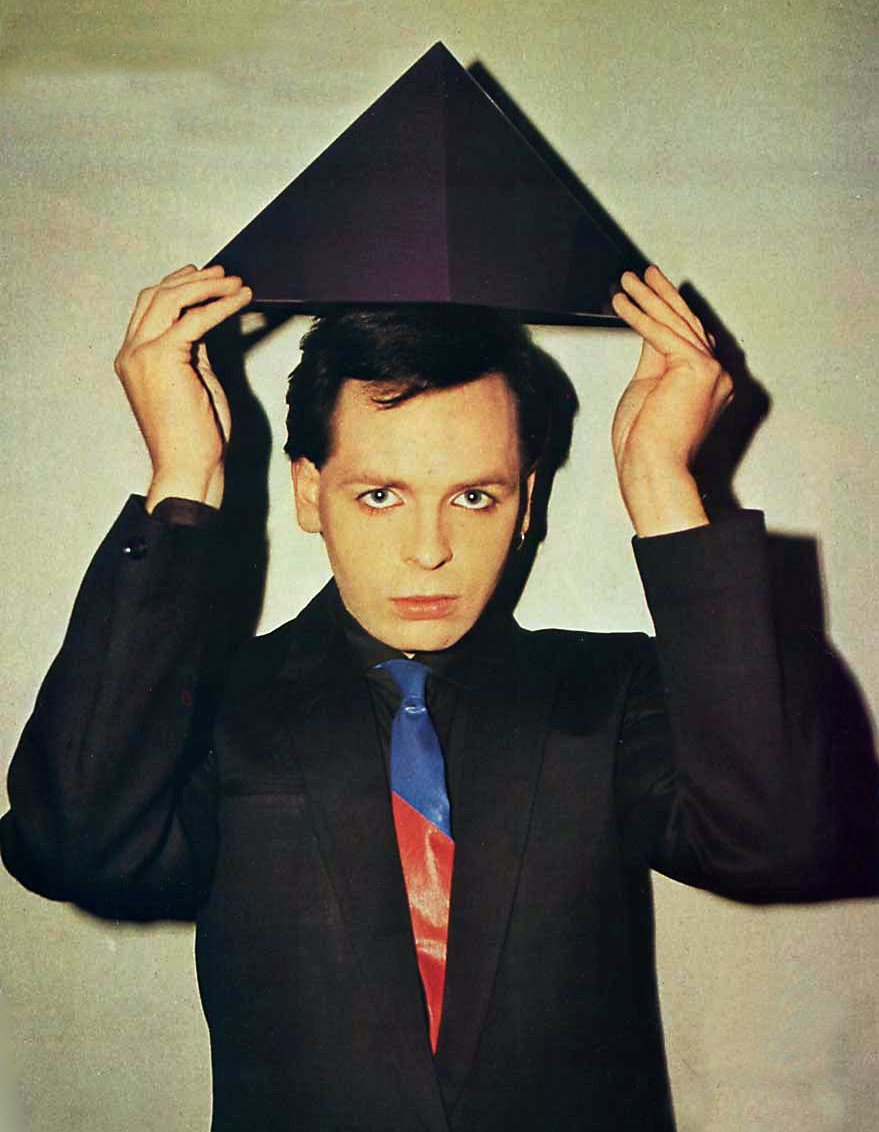
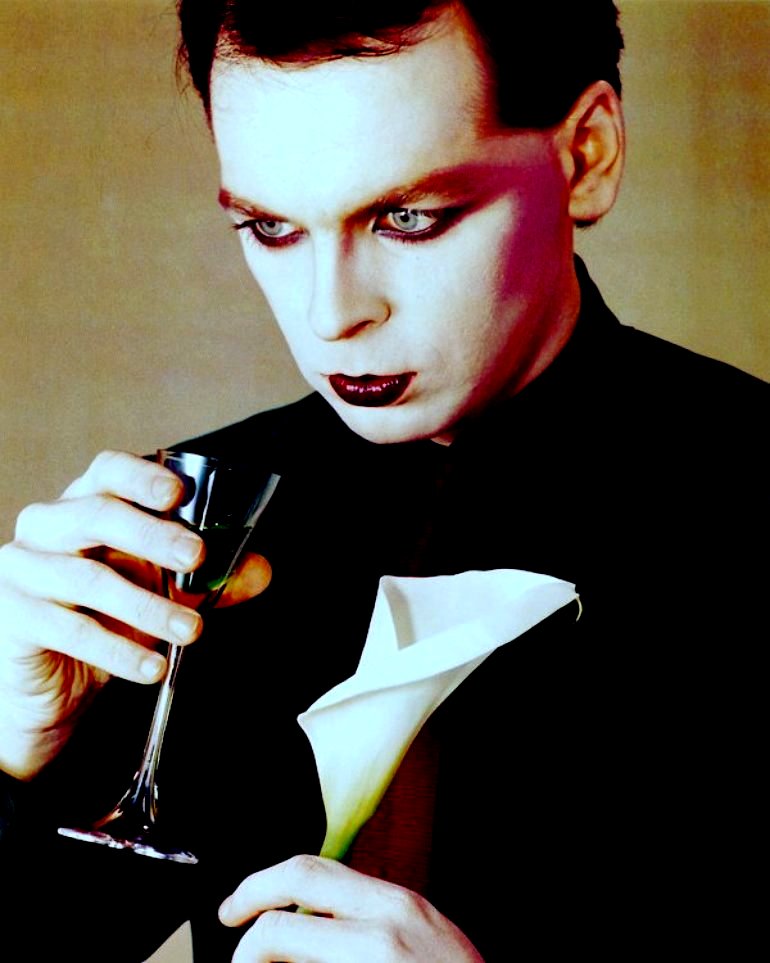
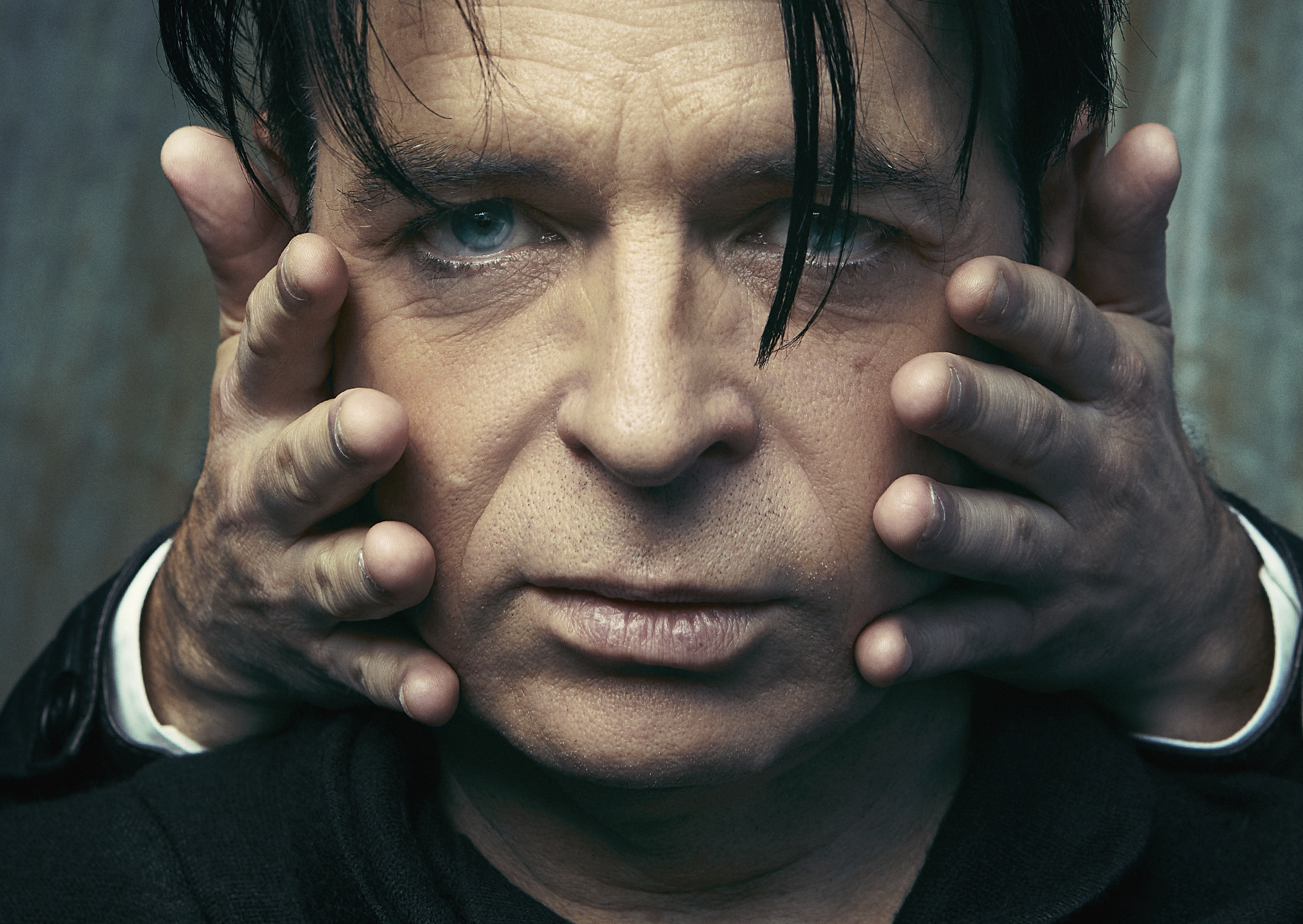
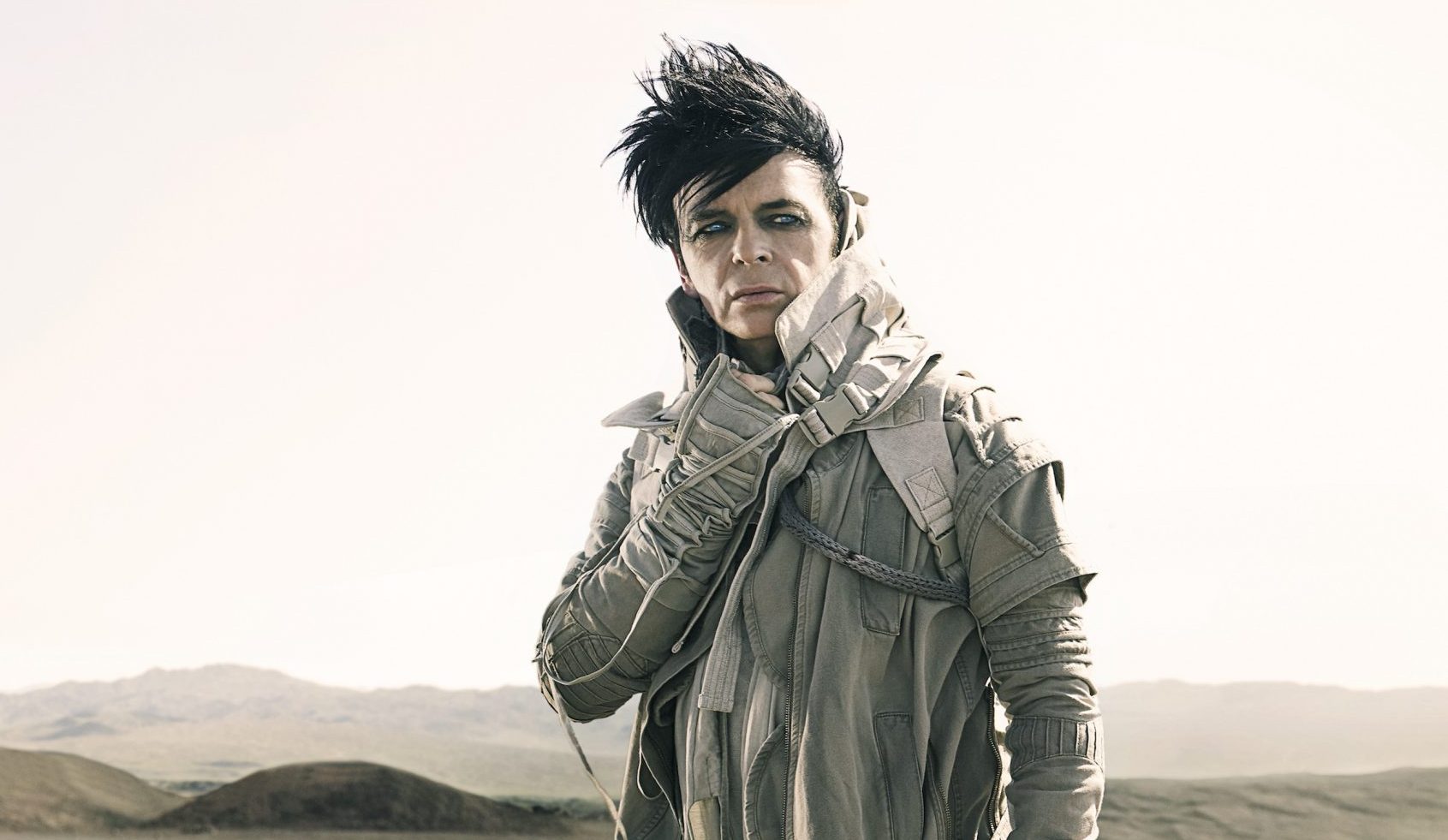
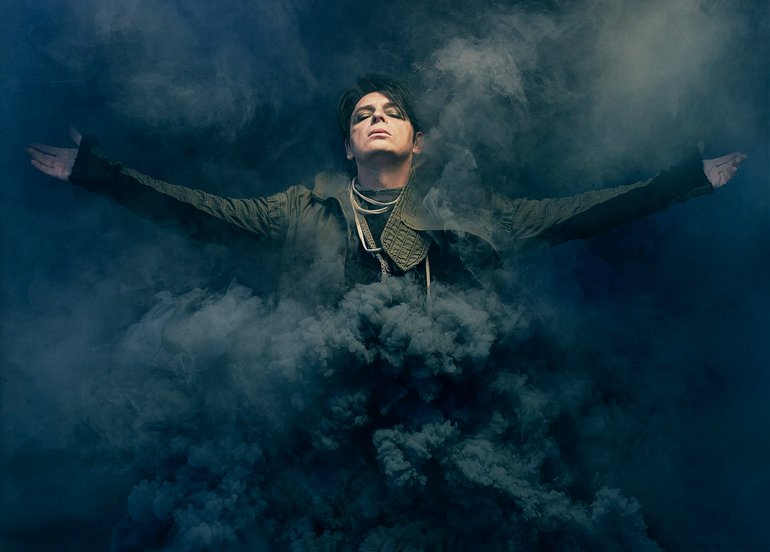
Let ∰ = “The High Priest of quasi-androgynous Synth-Pop/Electronica, the Impassive Alien Deity, The Gary Numan.” What heretofore had been used to calculate Flux Densities, and whatnot, now is more—much more—much, much more.
He created aural landscapes which allowed access to the unfathomable. His performances have been described in so many ways. Strikingly “robotic”. Otherworldly. Mesmerizing. And moreover, there’s an unease, a disquiet, accompanying his trenchant intelligence; a wariness. Aware of a certain danger we cannot grasp. The ritual held out in the open, hauntingly obvious, yet impenetrable. A language we’ve forgotten; mind-argot beyond our ken.
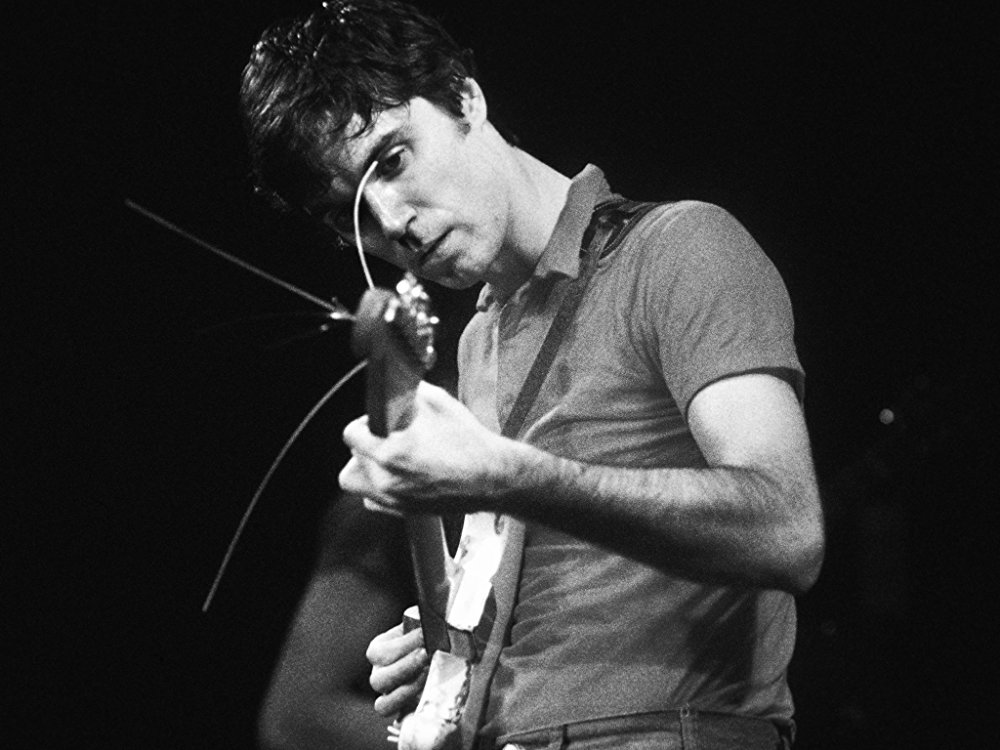
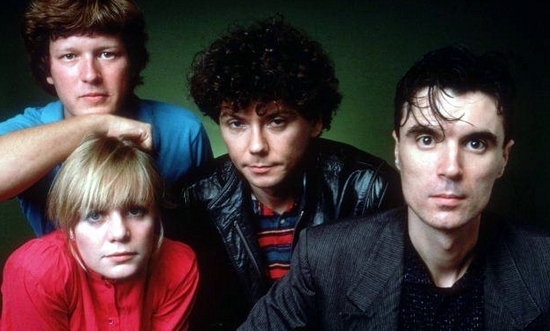
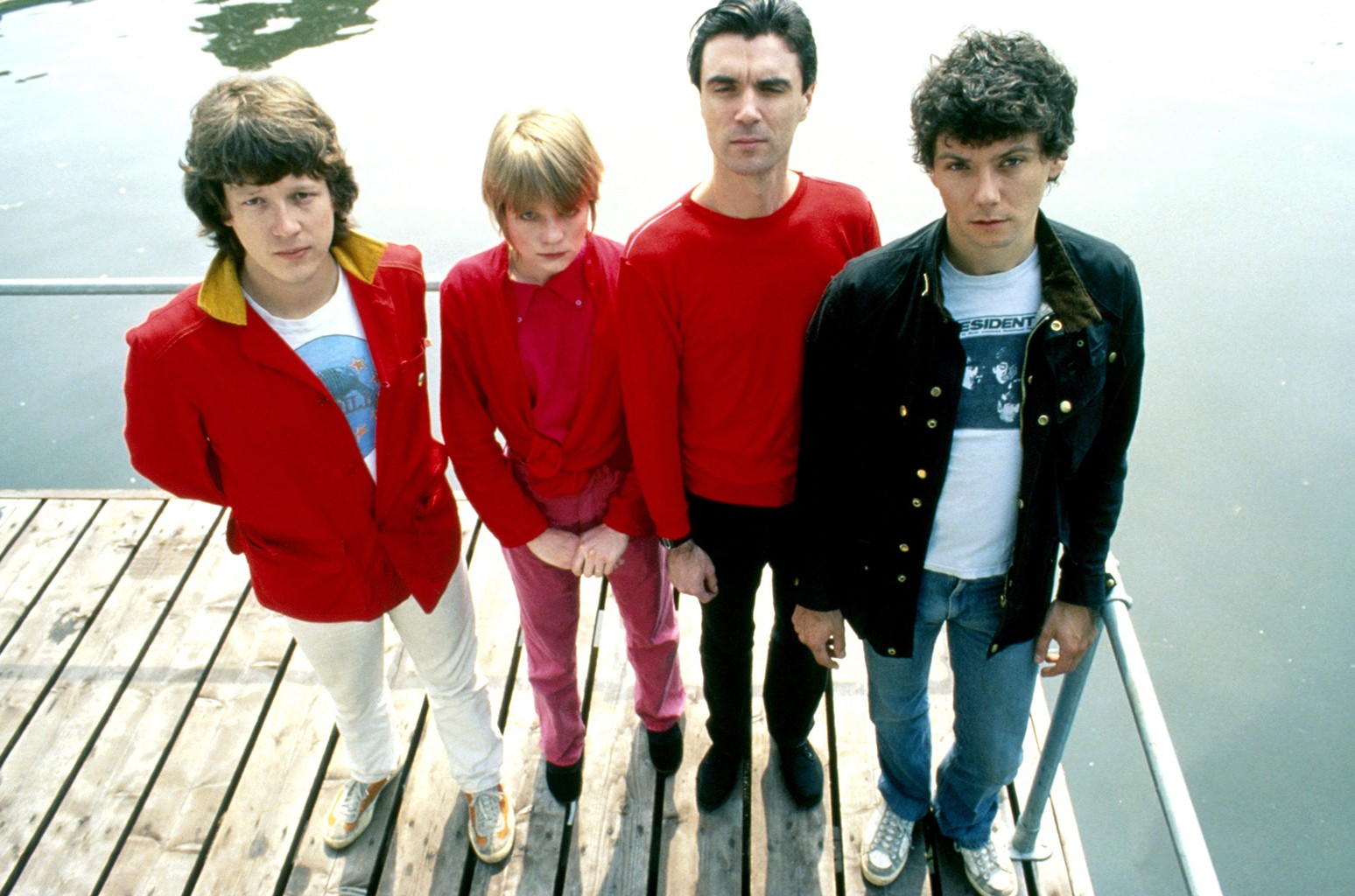
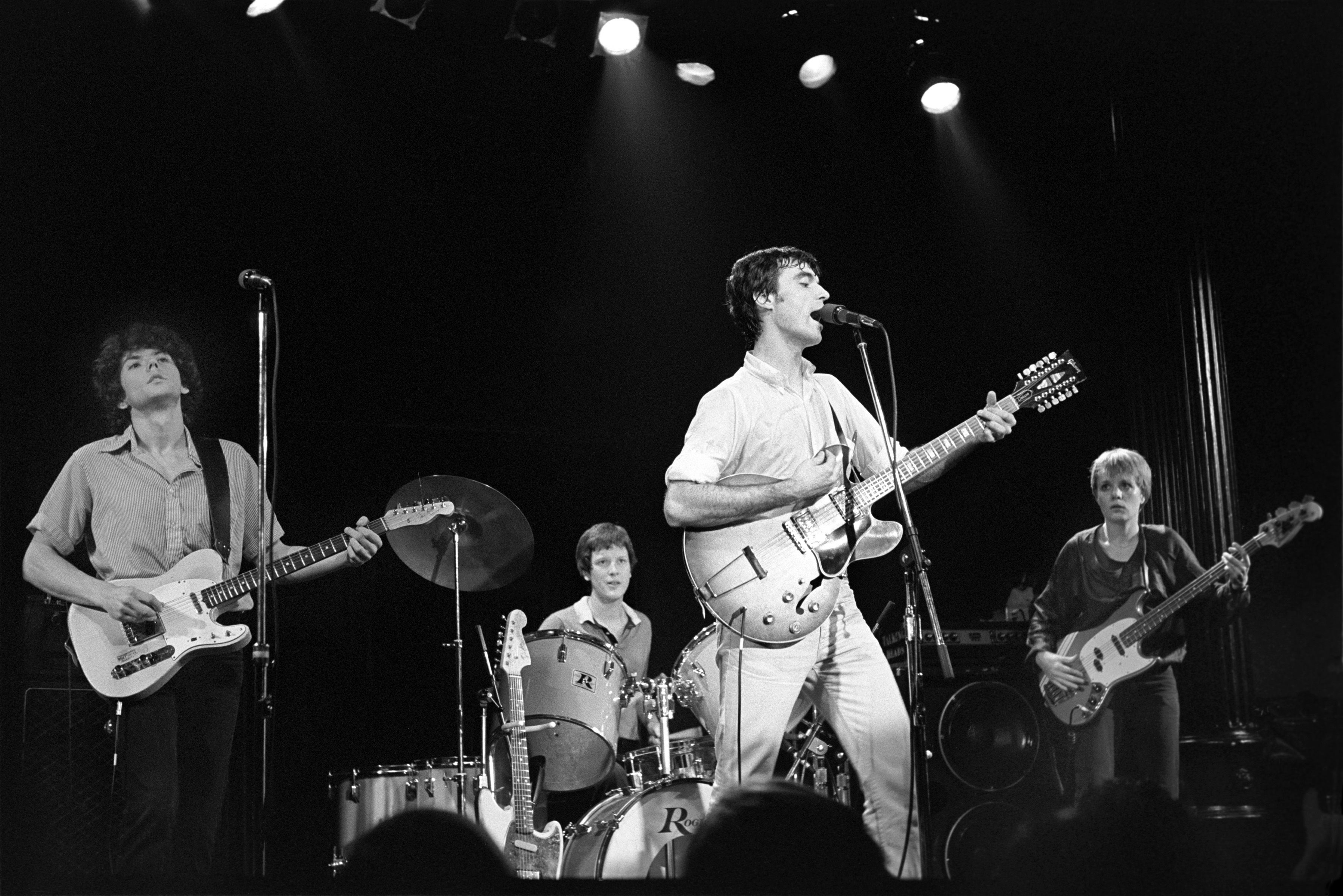
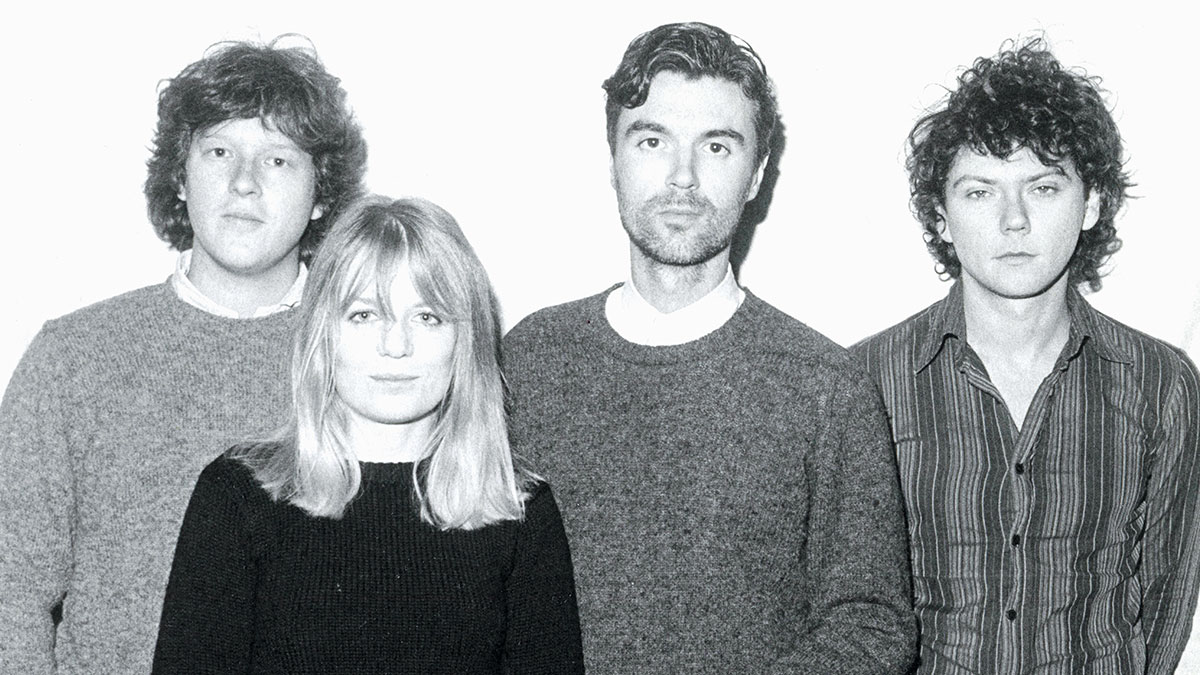
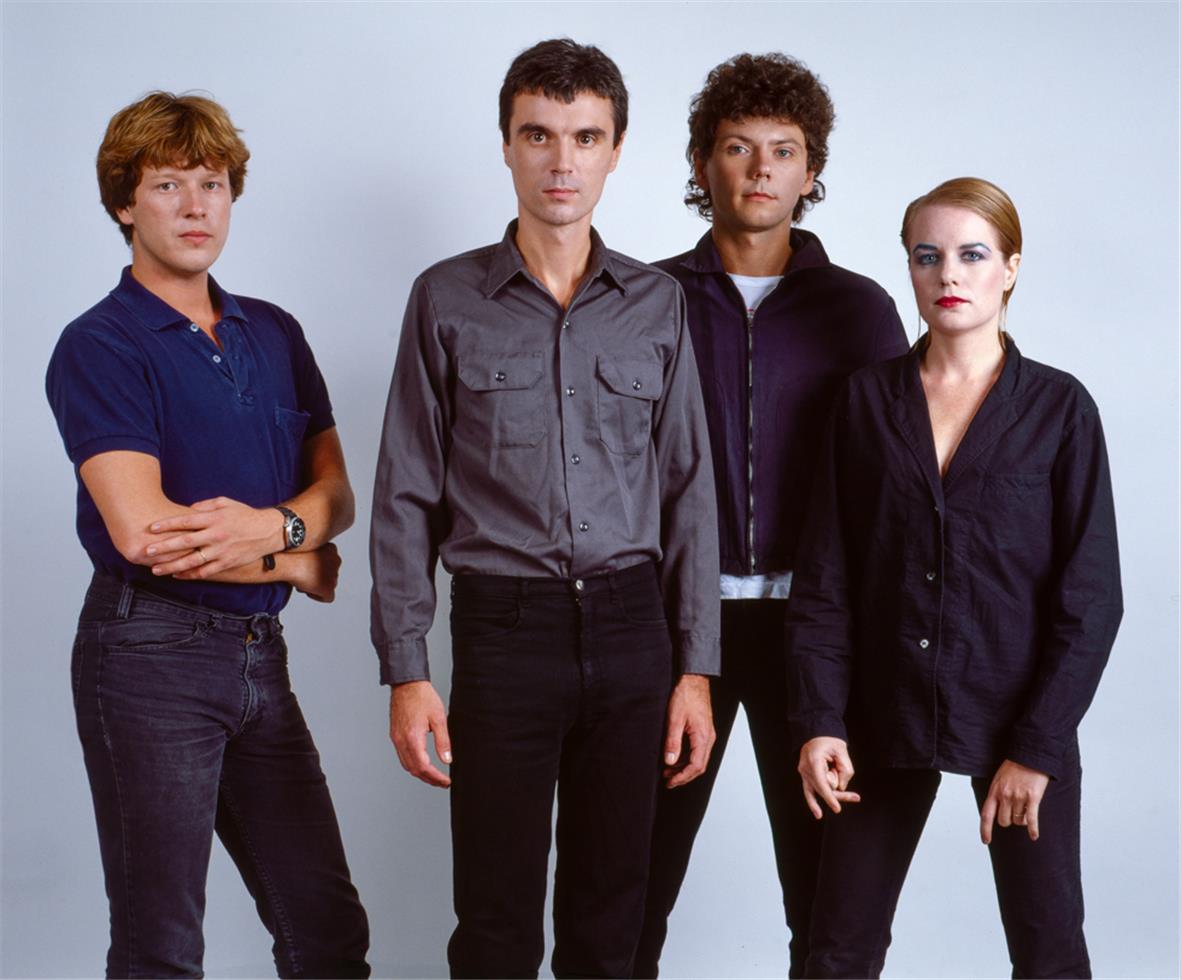
The above constitutes a smattering of incredible live performances by this ensemble, mainly the 1980 iteration, which included guitar maestro Adrian Belew. David Byrne, it could be argued, virtually created “New Wave” {or *something*} with the inexplicable, unpinpointable, wondrous peregrinations of his vocals. Plus, the unusual “dancing”{or Nureyev/??-like movements}. Much more than an iconoclast, Byrne simply brought into the time/space continuum, things that were previously Noumenal, undefinable. An epoch-defining genius.
A few comments on our selections {NOT all of them!!}: Cities {1983, 1982, *and* 1980 versions} *might* be David Byrne’s high-water mark as an “umm, what???” vocalist. The Impossible writ upon a landscape. Pulled Up and Mind, at the very least, are looking uneasily over their shoulders. The “He’s come undone” staggerings/lurchings in Psycho Killer {1983} are also enough to keep one alive for several epochs; the 1979 Mudd Club version is electrifying, mystique-laden; ridiculously brilliant. Both versions of Drugs have an eerie, haunting element all of their own; Dollette McDonald and Adrian B contribute mightily. Crosseyed {all versions} is simply a collective singe-fest.
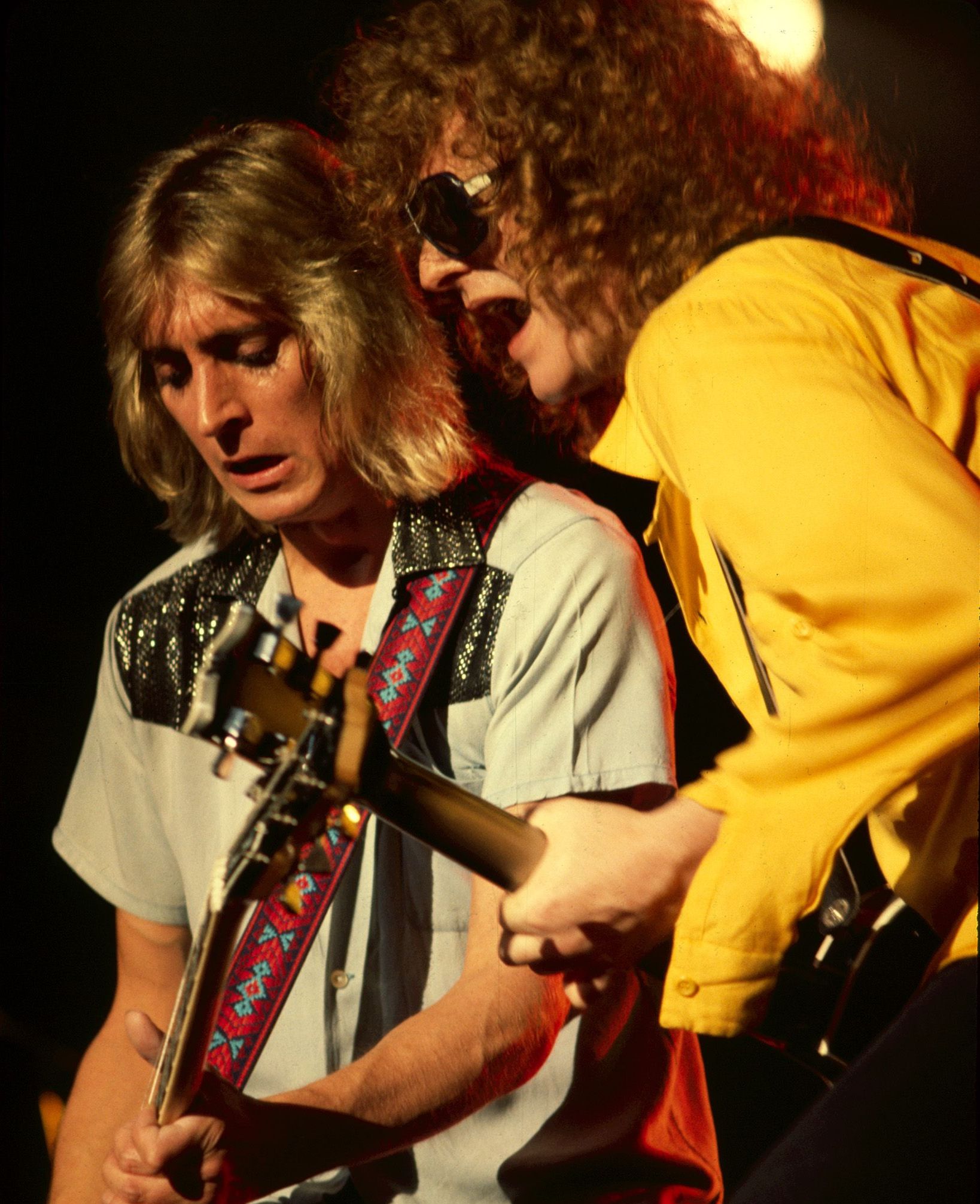
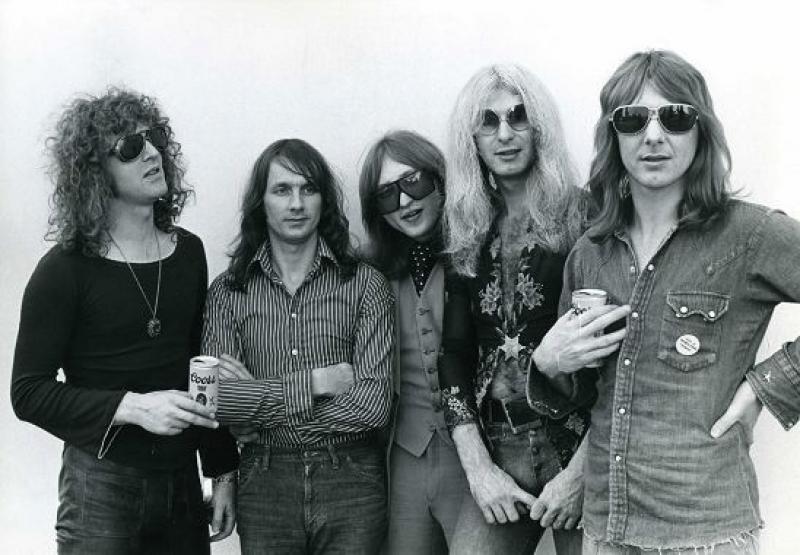
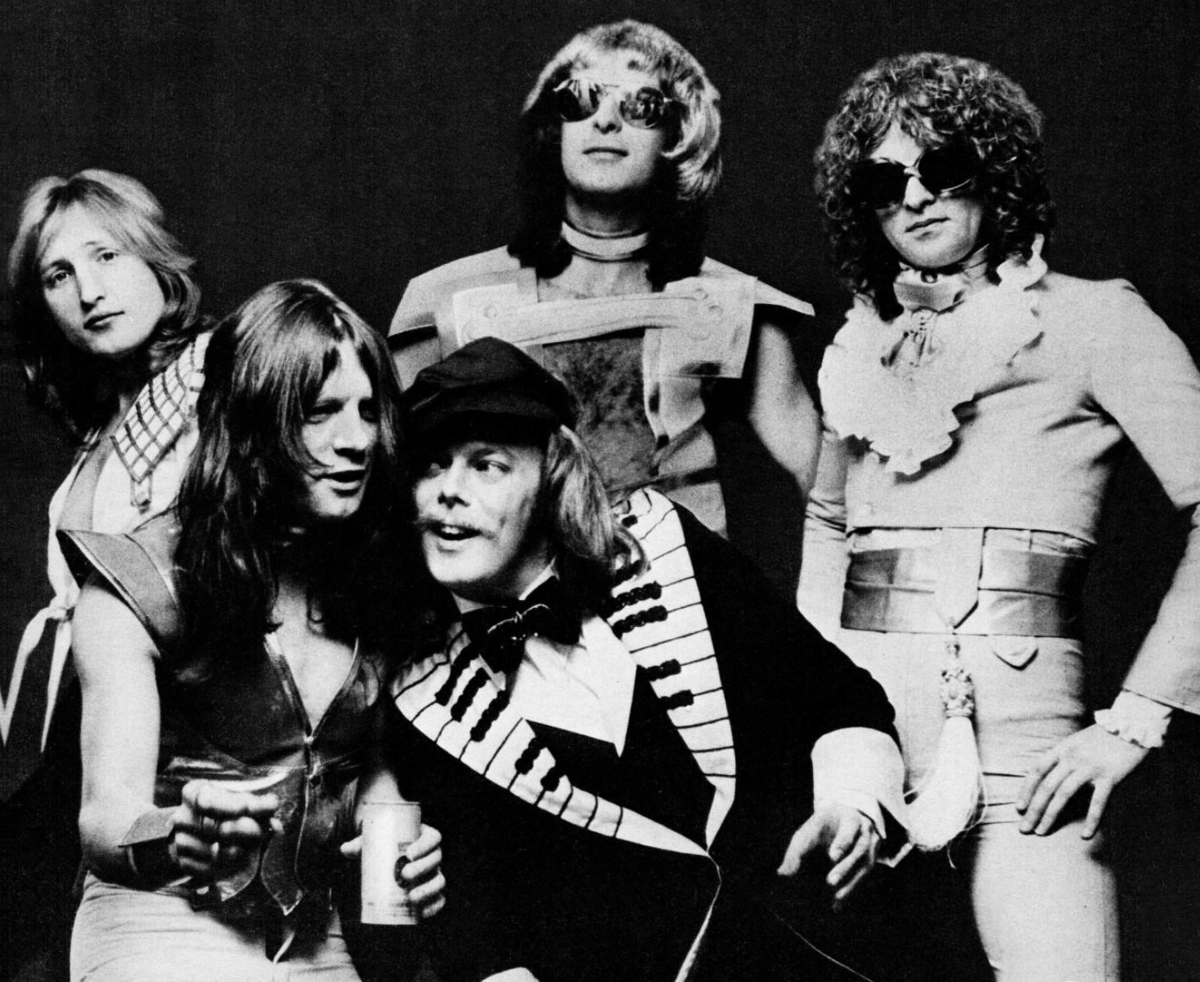
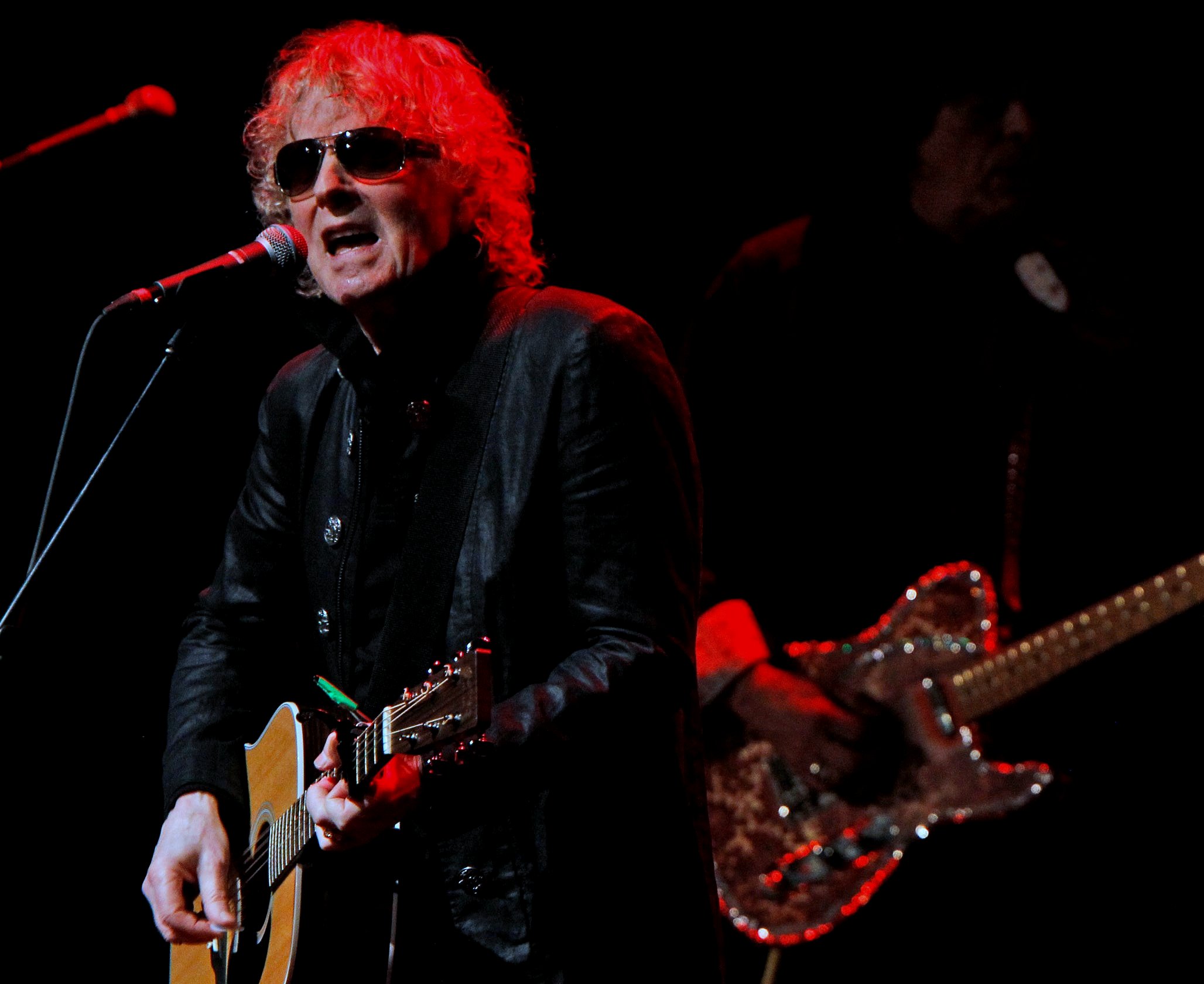
Mr. Ian Hunter, the lead vocalist and braintrust of Mott the Hoople {so named after a 1966 novel by Willard Manus}, realized early on in his life, that, at least in terms of music, he quite simply was *not* like the others. It affected him much, much more powerfully.
Hunter joined a band called Silence, which was then renamed on a whim by the Svengali-like Guy Stevens, noted impresario and bon vivant. Mott enjoyed some success, but was nearing the end of its tether, when one David Bowie offered them a song. All The Young Dudes became, of course, a huge hit, an anthem, the sound of an era.
Ian continued with Mott until December, 1974, then led a somewhat less hectic and more varied lifestyle. He worked briefly with the great Mick Ronson; the final track we here offer is an almost impossibly beautiful, wistful piece of music, and it is enhanced by Ronson’s mandolin. Mott the Hoople leave a unique legacy; a band beloved well beyond what their fame/fortune would indicate…yet they are really not a “cult” band, either. How dare they.
Queen, featuring vocalist Freddie Mercury, and guitarist Brian May, with a live You’re My Best Friend, performed in December of 1979 at the Hammersmith Odeon. This shows Mercury in top form vocally; a true maestro at work.
Another shining exemplar of Queen’s formidable power is this iteration of the remarkable hit single Killer Queen. Recorded June 7, 1977 at Earl’s Court, this rendition is quite canonical. The synergy between Freddie Mercury and guitarist Brian May is really working, and both are in magnificent form. Speaking of Mercury, Roger Daltrey once stated that he was “the best virtuoso rock ‘n’ roll singer of all time”, and well known soprano Montserrat Caballé felt that “his technique was astonishing; he sang with an incisive sense of rhythm; he also had a great musicality, and he was able to find the right colouring or expressive nuance for each word”. An extraordinary, charismatic performer, Mr. Mercury was described by guitarist Brian May as being so magnetic “he could make the last person at the back of the furthest stand in a stadium feel that he was connected”. The British vocalist also was unafraid to rank 58th in a poll of 100 Greatest Britons, finishing just behind Alexander Graham Bell. And The Cliff Richard (??). George Harrison was also bettered; however, and in the most controversial decision, legendary Welsh actor Richard Burton came-a-cropper, finishing behind—by a significant margin—the great vocalist. Observers reported the Welshman appeared visibly shaken, ashen-faced, and extremely bitter during the ceremony. Some claim he wiped away tears, as he abruptly stormed off to whereabouts unknown.
“Burton later claimed ill health, but those near him were positive the Welshman wept openly, clenched his fists in impotent rage, and frequently muttered uncomplimentary remarks whilst shaking with hysteria, losing his balance more than once.” -Thrustus Simmonds, noted author of “Titans of Britondom, and Such”.
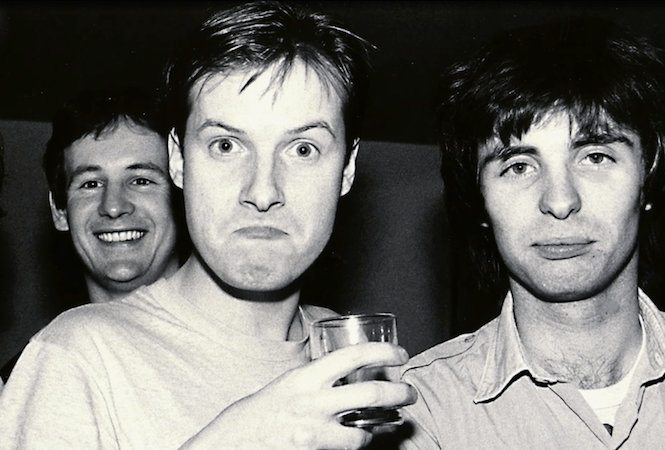
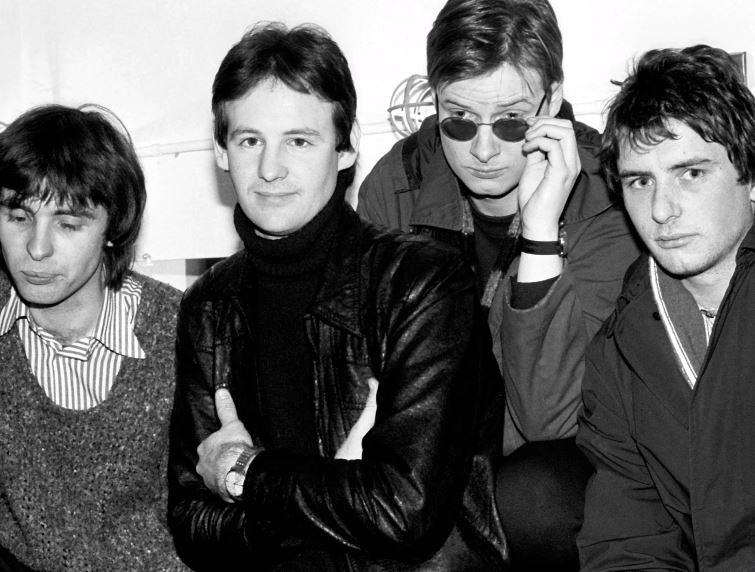
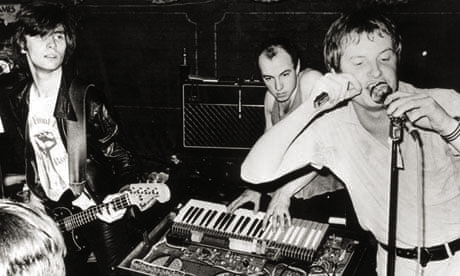
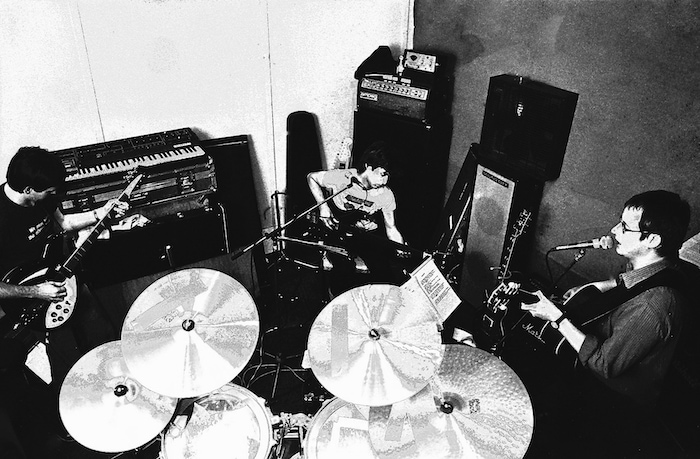
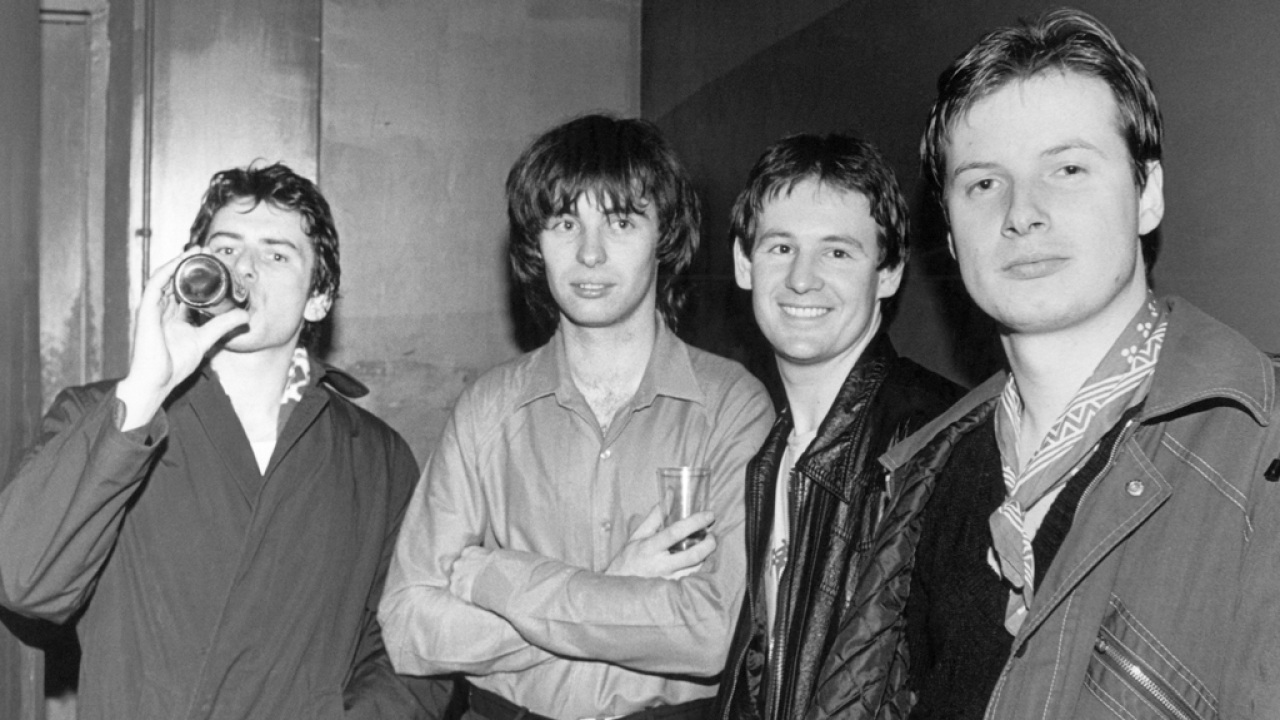
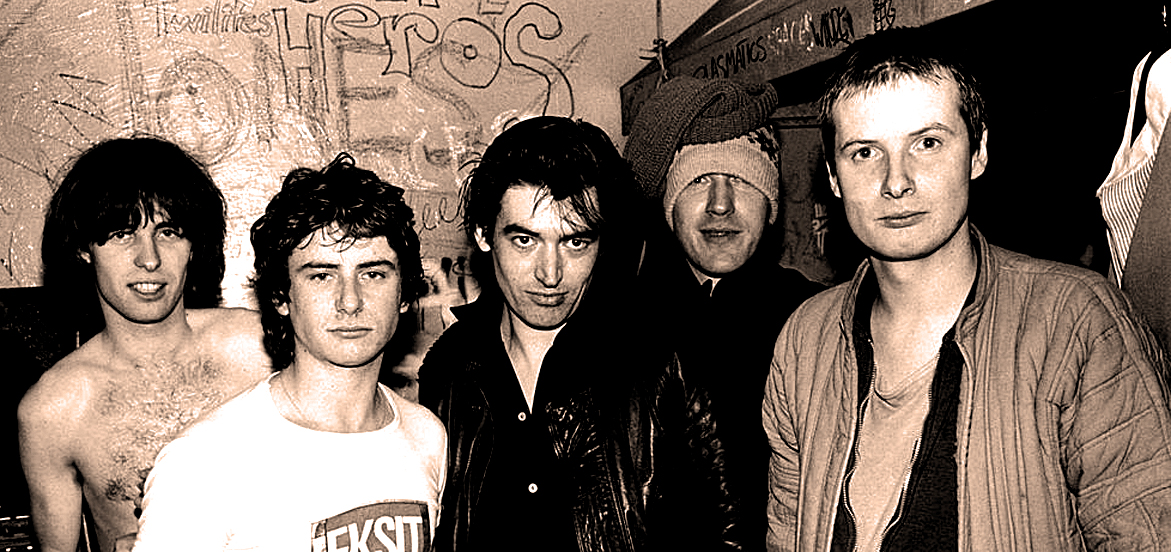
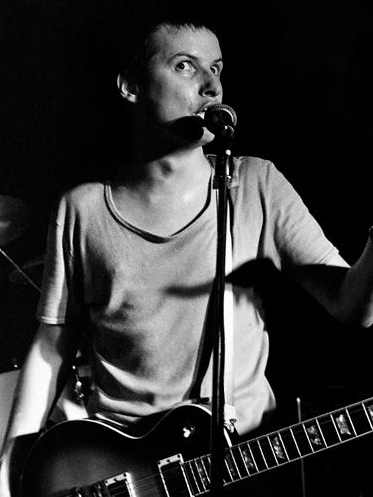
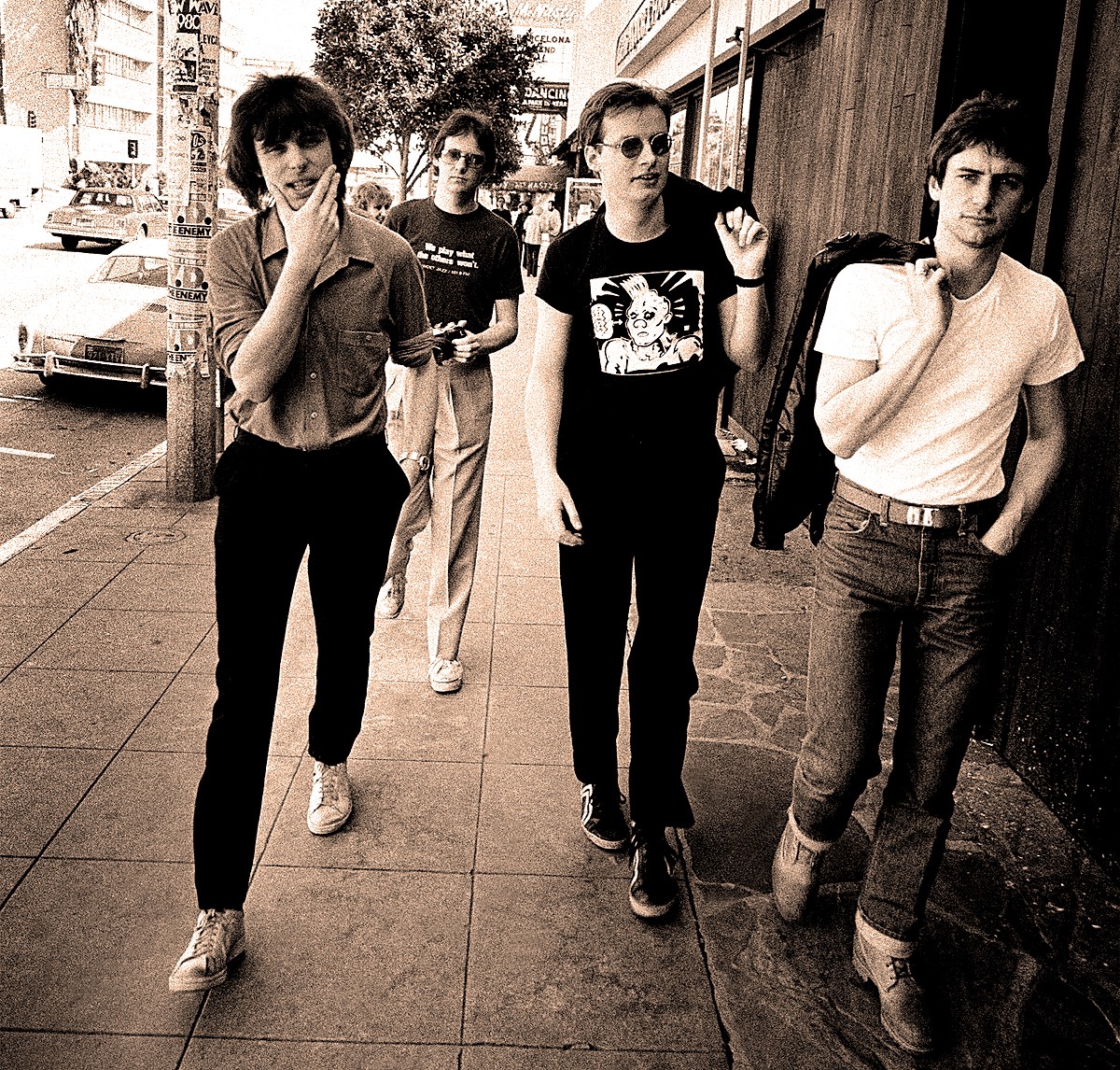
Few bands can match XTC’s accomplishments as far as writing/performing memorably quirky, intellectual, and, yes, catchy songs. Lead vocalist AndyPartridge provides the oddball genius charisma to generate a potent cocktail of aural nirvana.
Most of these are live performances, with the Rockpalast “Senses” being fairly rare.
Partridge experiences auditory synesthesia, which he uses in his songwriting process. In later interviews, he stated he believes himself to be on the autistic spectrum, saying in a 2022 interview with The Guardian: “I think I’m on the spectrum, yes, but it’s all helped me and I wouldn’t have it any other way.” He has also had obsessive–compulsive disorder since childhood. At the age of 12, he was professionally diagnosed with ADHD (known at the time as simply “hyperactivity”) and prescribed Valium. He later formed a dependency on the drug that was exacerbated by the pressures of his music career. After disposing of the drug in 1981, he experienced severe withdrawal effects that led to XTC’s withdrawal from touring. But persevere he nonetheless did.
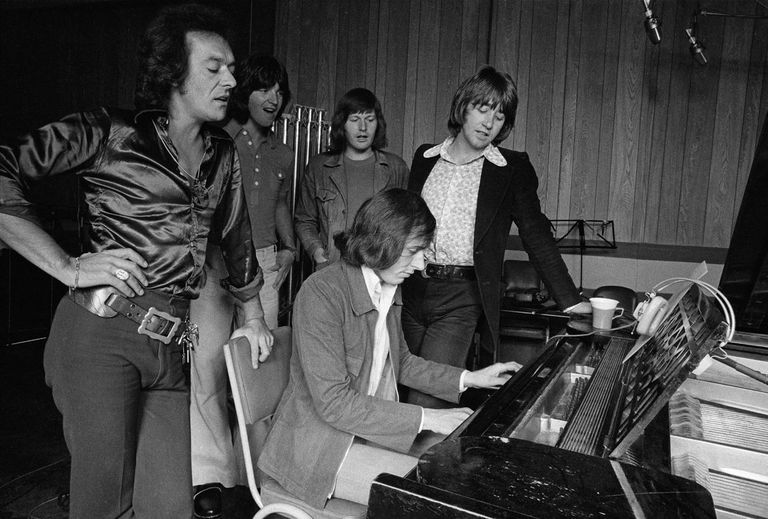
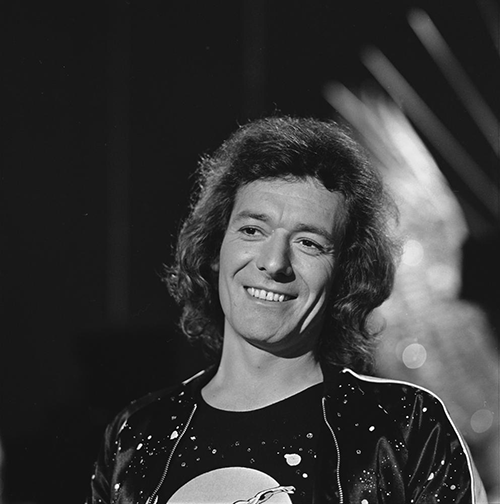
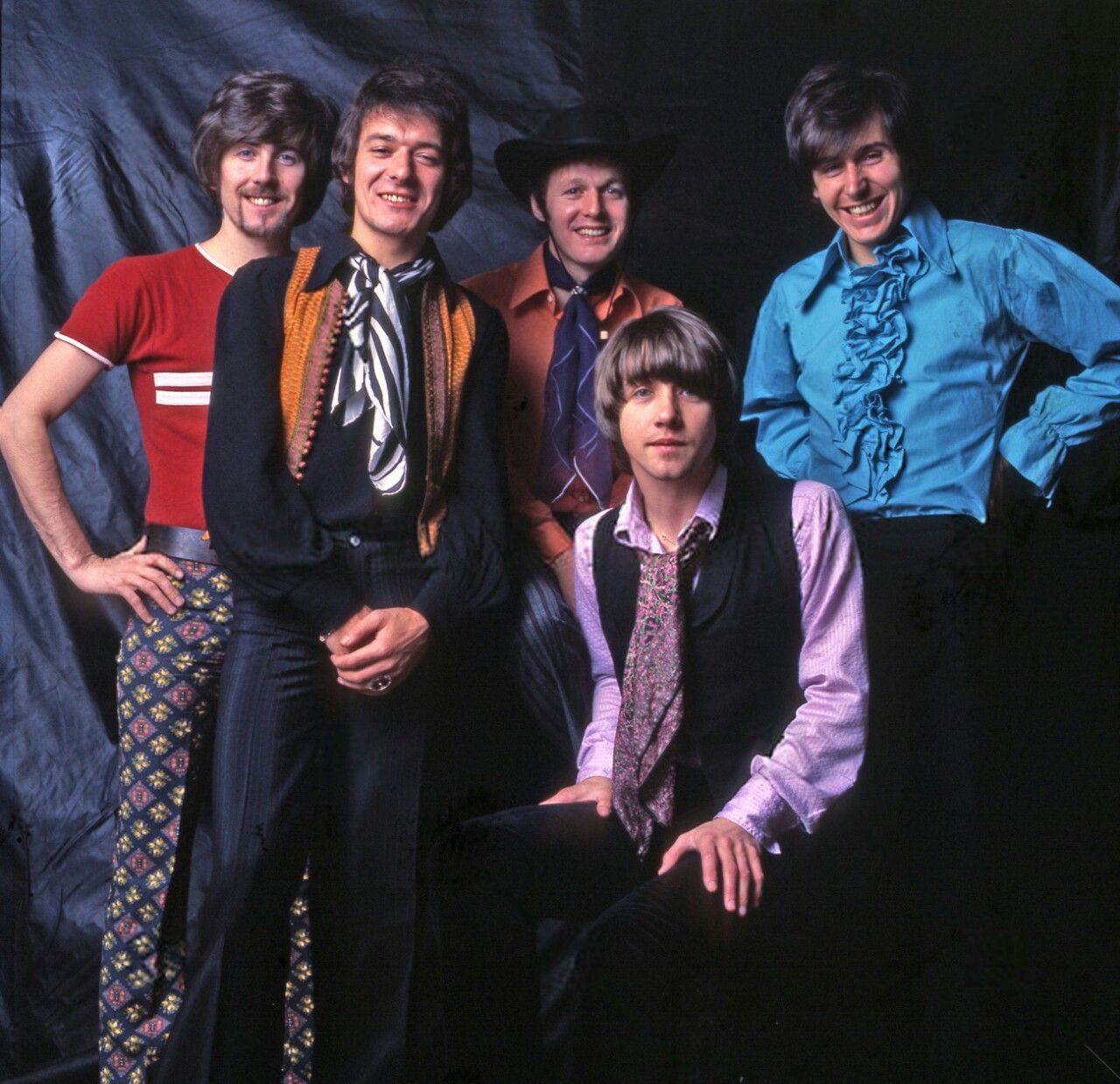
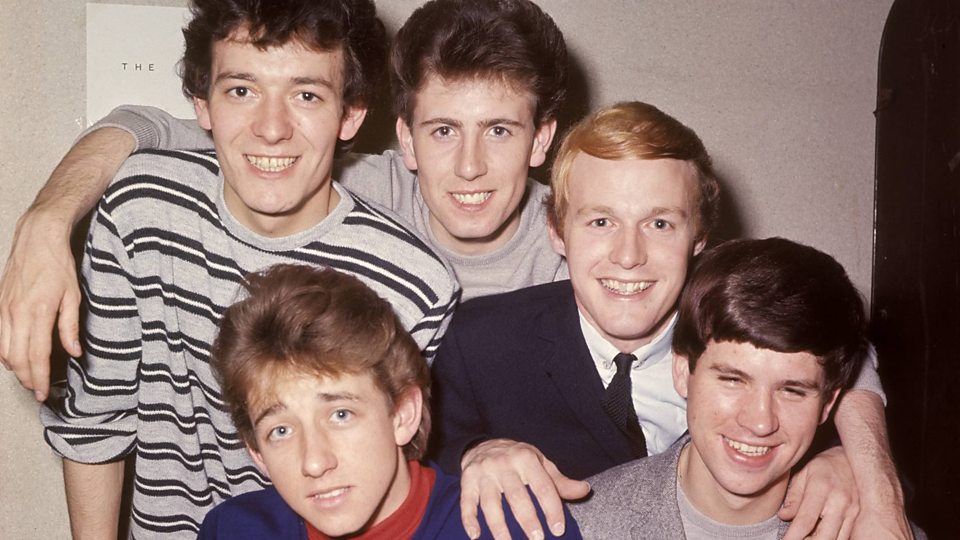
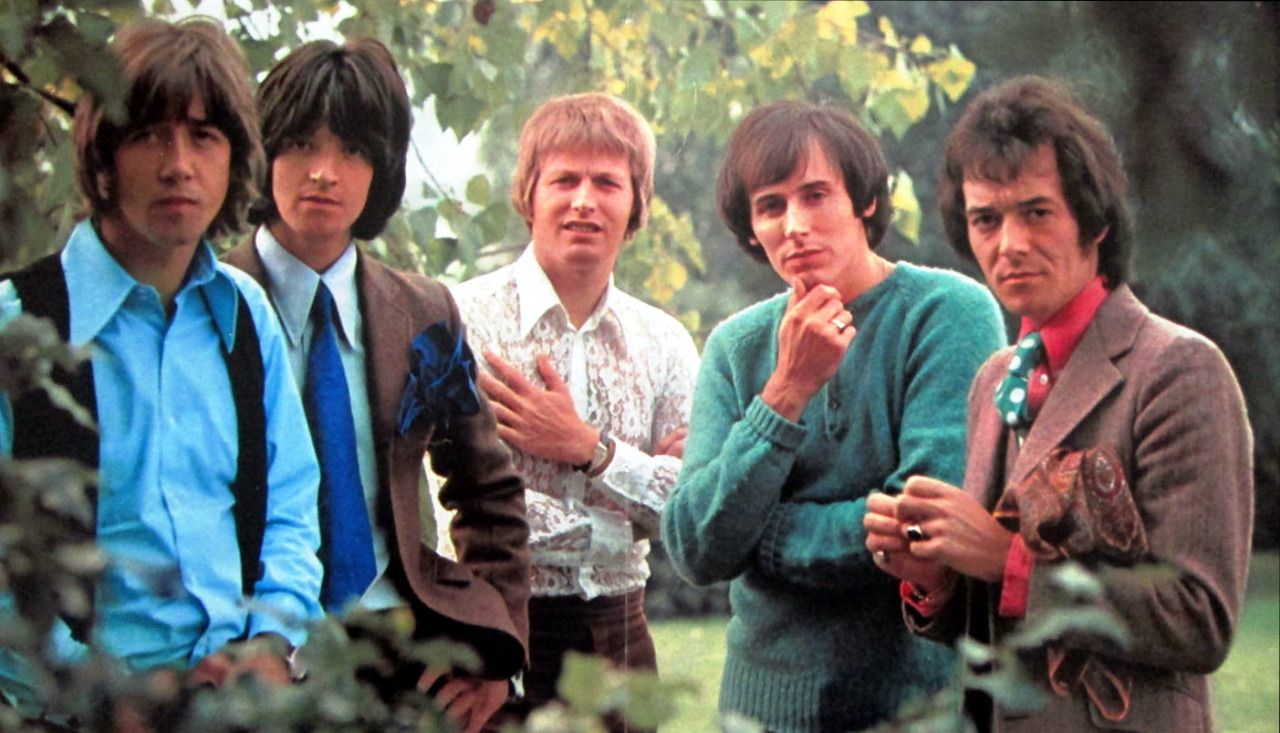
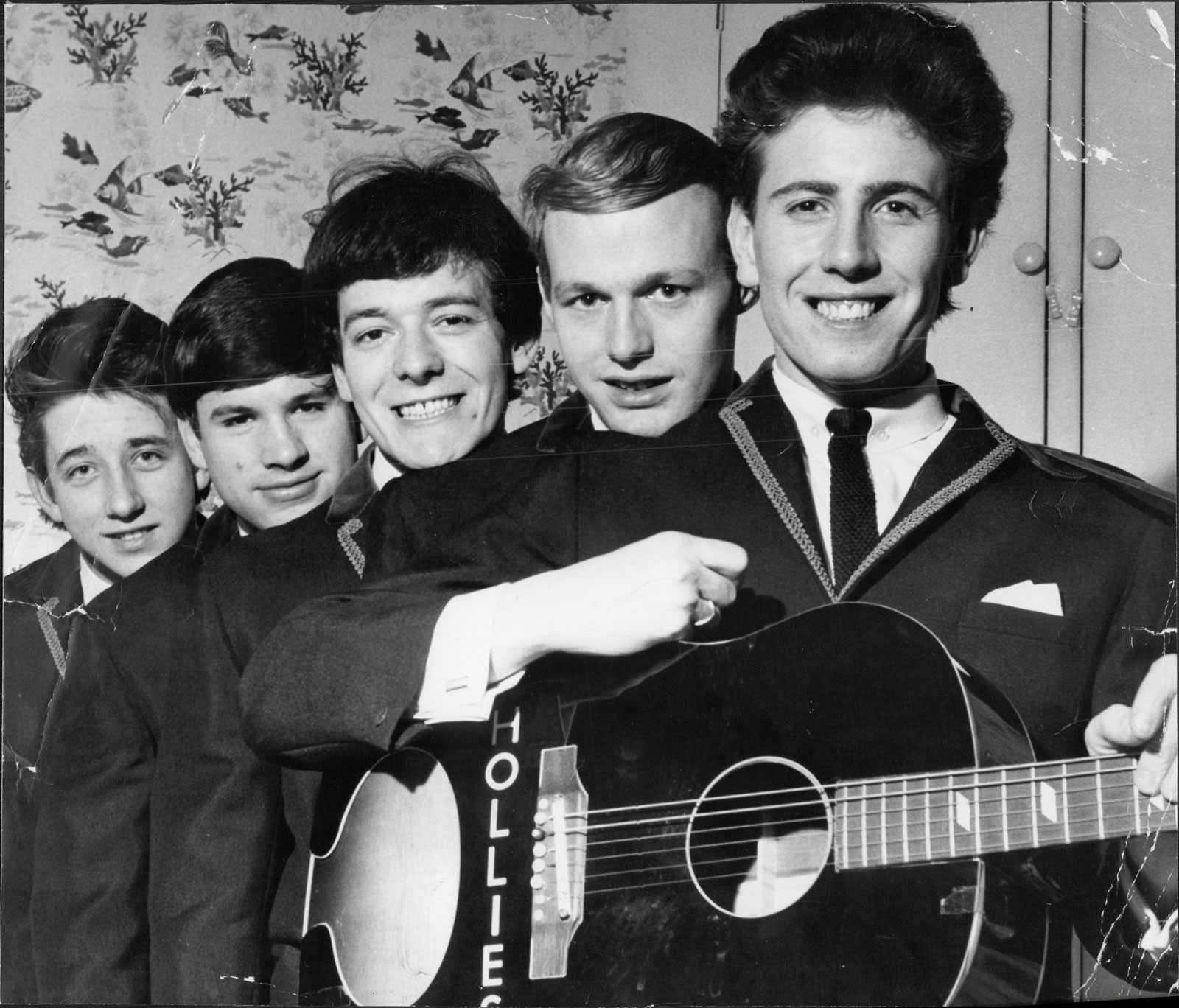
The Hollies, a superb three-part harmony group {primarily}, fronted by the amazing AllanClarke, had many a monster hit, including the Albert Hammond-penned The Air That I Breathe; these are four of their finest.
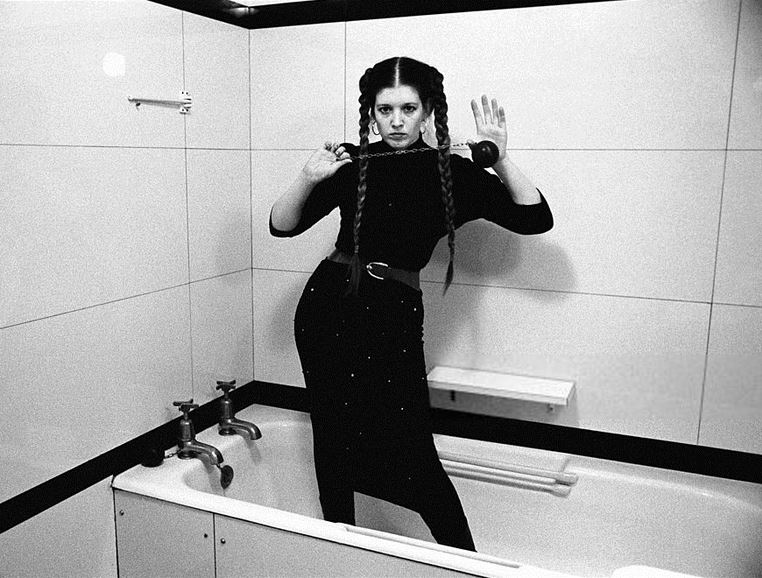
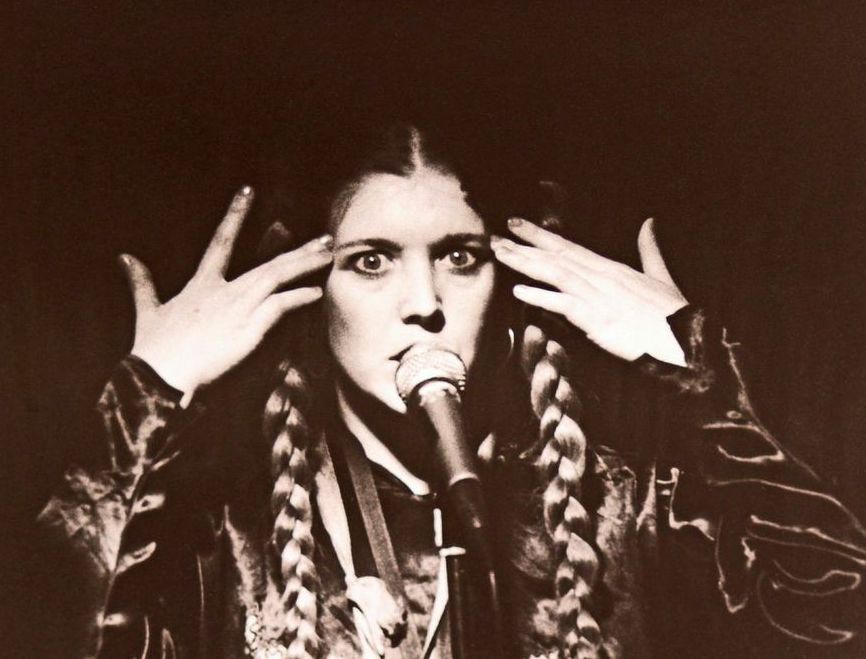
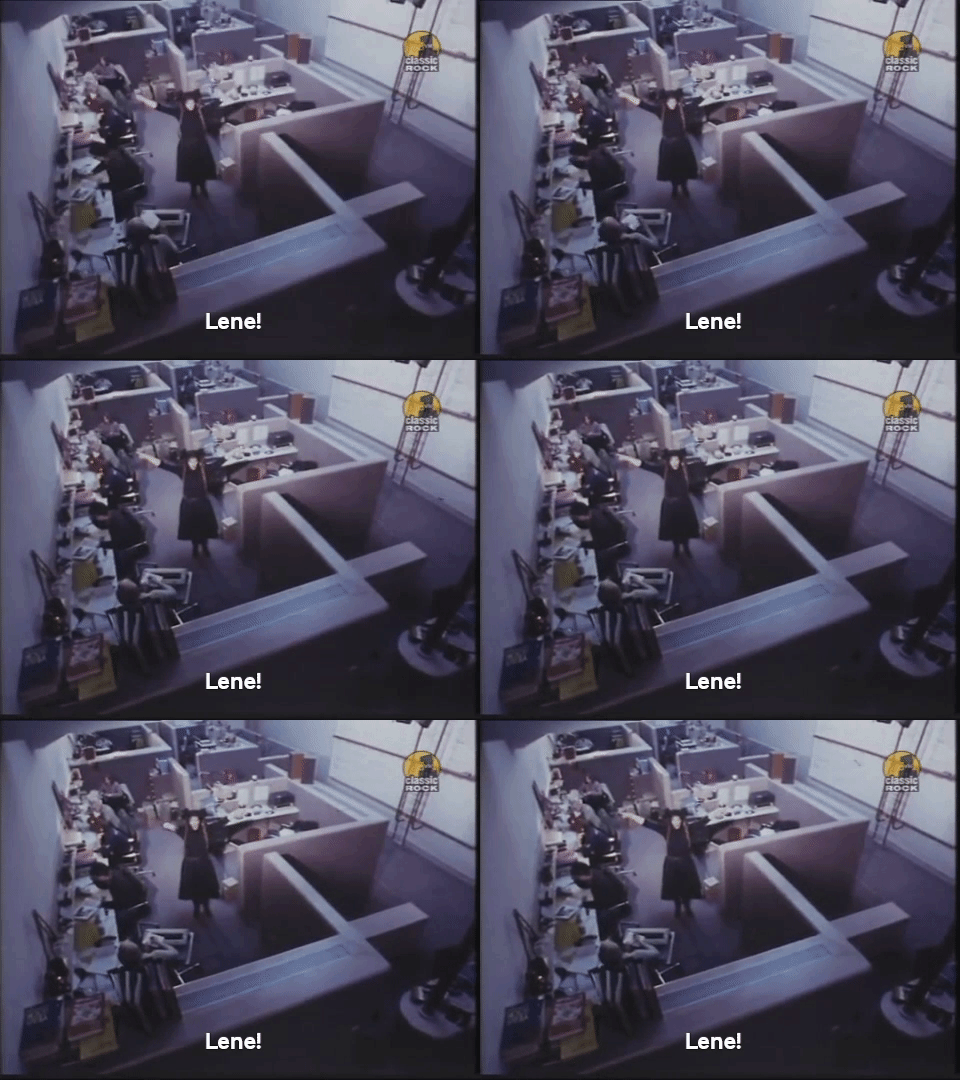
Lili-Marlene Premilovich, later known as Lene Lovich, preternaturally idiosyncratic—and gifted—songstress, happens to play saxophone, is an animal rights activist, and initially wore her hair in braids to keep the locks from the clay, when in art school, studying sculpture. And, damn, she can deliver a tune. With octaves to spare {hear: Momentary Breakdown}.
































































 Bideodromage
