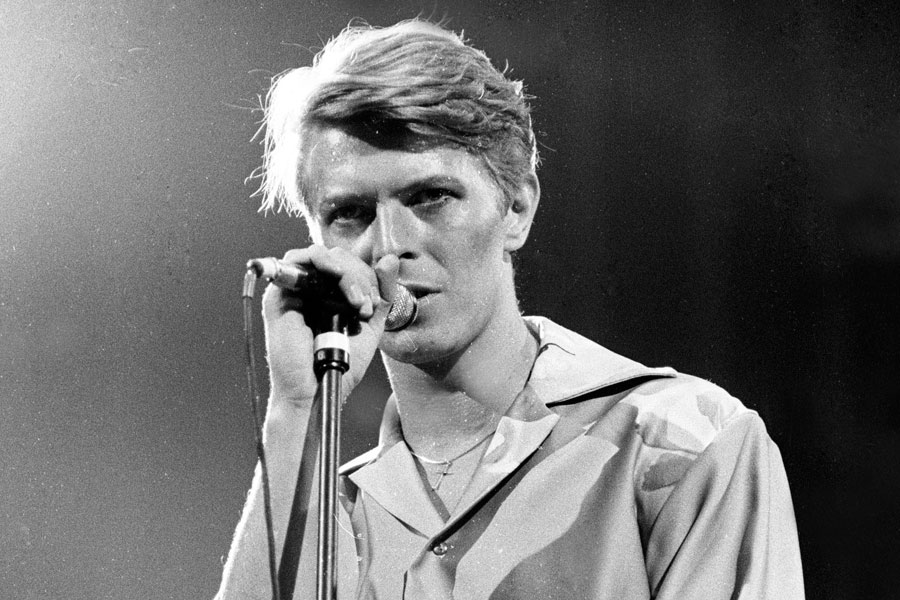
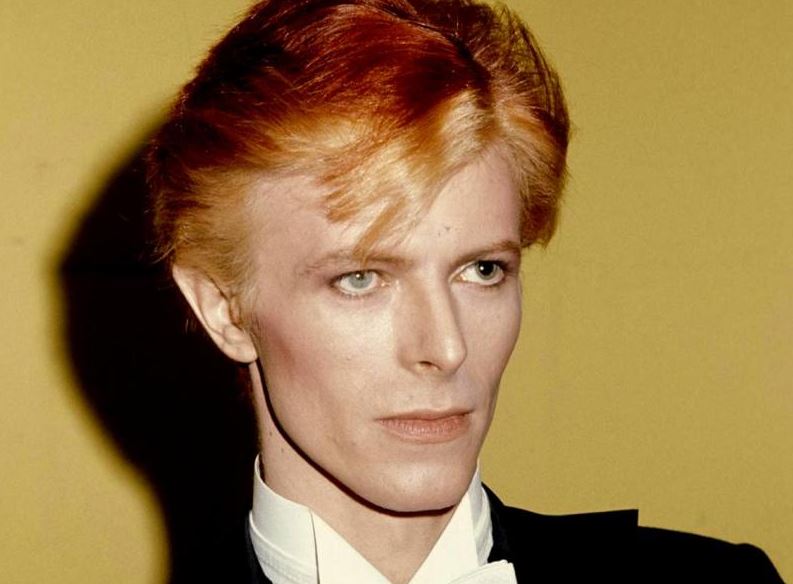
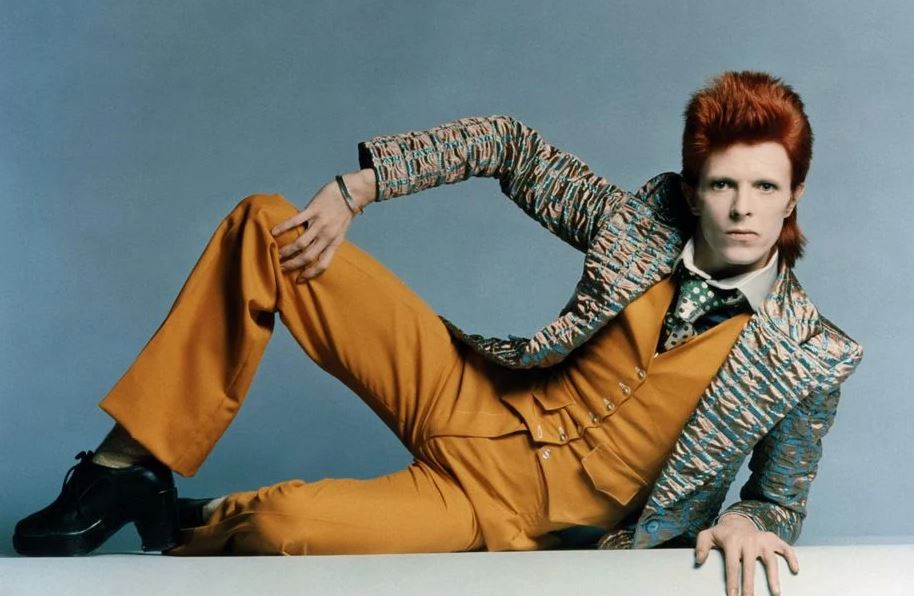
A modest collection of brilliant live performances by Mr. David Bowie, with some studio tracks, plus a wondrous, pared-down demo thrown in for good measure. The constantly auto-reinventing, quasi-androgynous David Robert Jones pioneered his way through the music world, leaving the landscape forever altered—with new worlds and vistas previously undream’t of—in his wake.
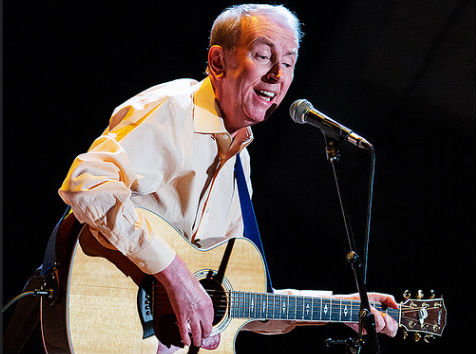
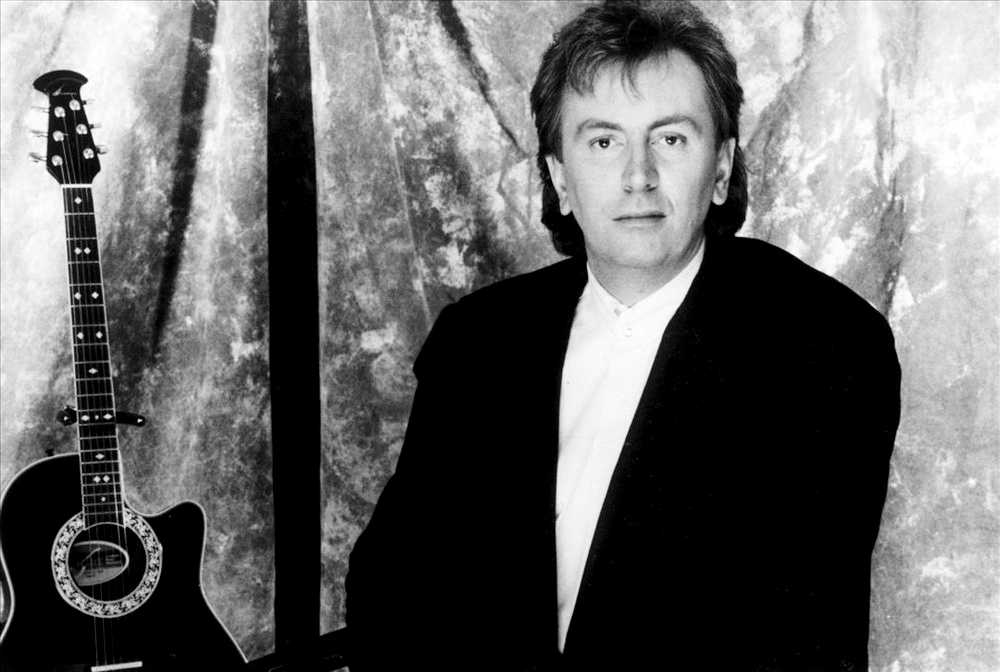
The maestro of haunting, enigmatic songster-ing, Al Stewart not only achieved immortality via his Bounding {Glaswegian Method} exploits; some of the most indescribably poignant, mysterious works ever composed/performed are entirely his doing.
Stewart here performs the timeless, iconic Year of the Cat; the mighty Lord Grenville {perhaps his finest, most evocative composition…}; and Palace of Versailles, so difficult to ignore or forget.
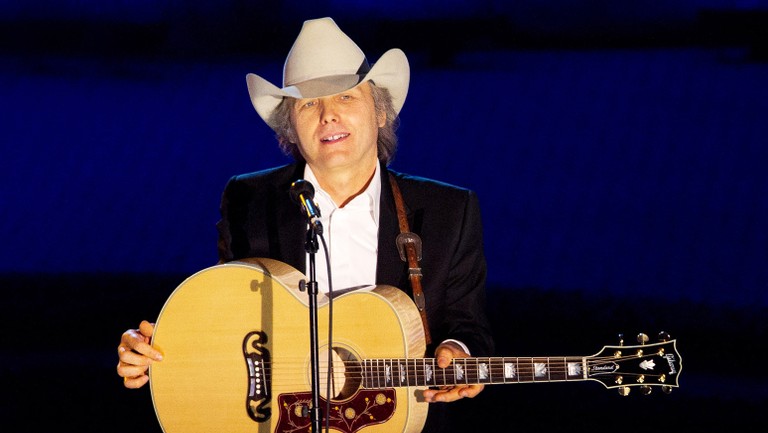
Dwight Yoakam can simply do the impossible with his voice. See North to Alaska, among many others, for evidence. He steps into the very large shoes of legend Johnny Horton, and…whoa. A transcendent, jaw-dropping, awe-inducing performance. And, the same can be said of his live 2013 reading of the Red Simpson-penned Close Up The Honky Tonks. Even a young, inexperienced Yoakam—in his 1985 performance above, he shyly asks the audience if they like the show—kills it. A not-many-times-in-an-epoch talent.
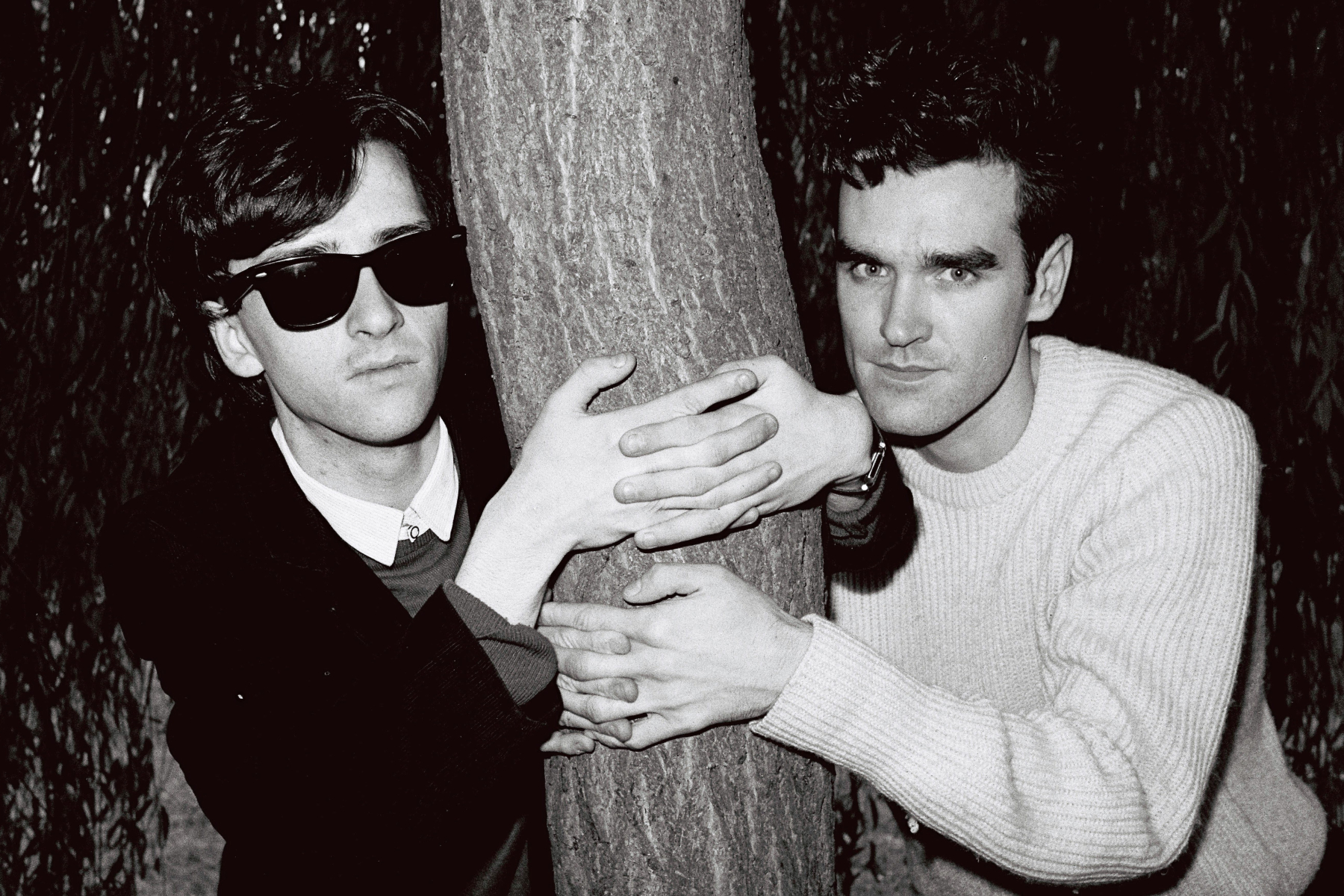
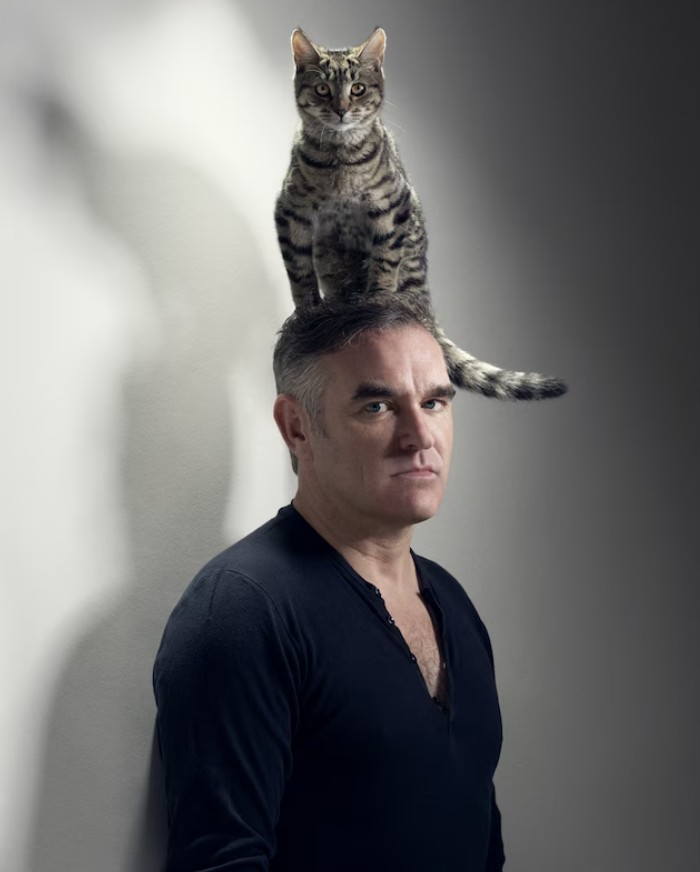
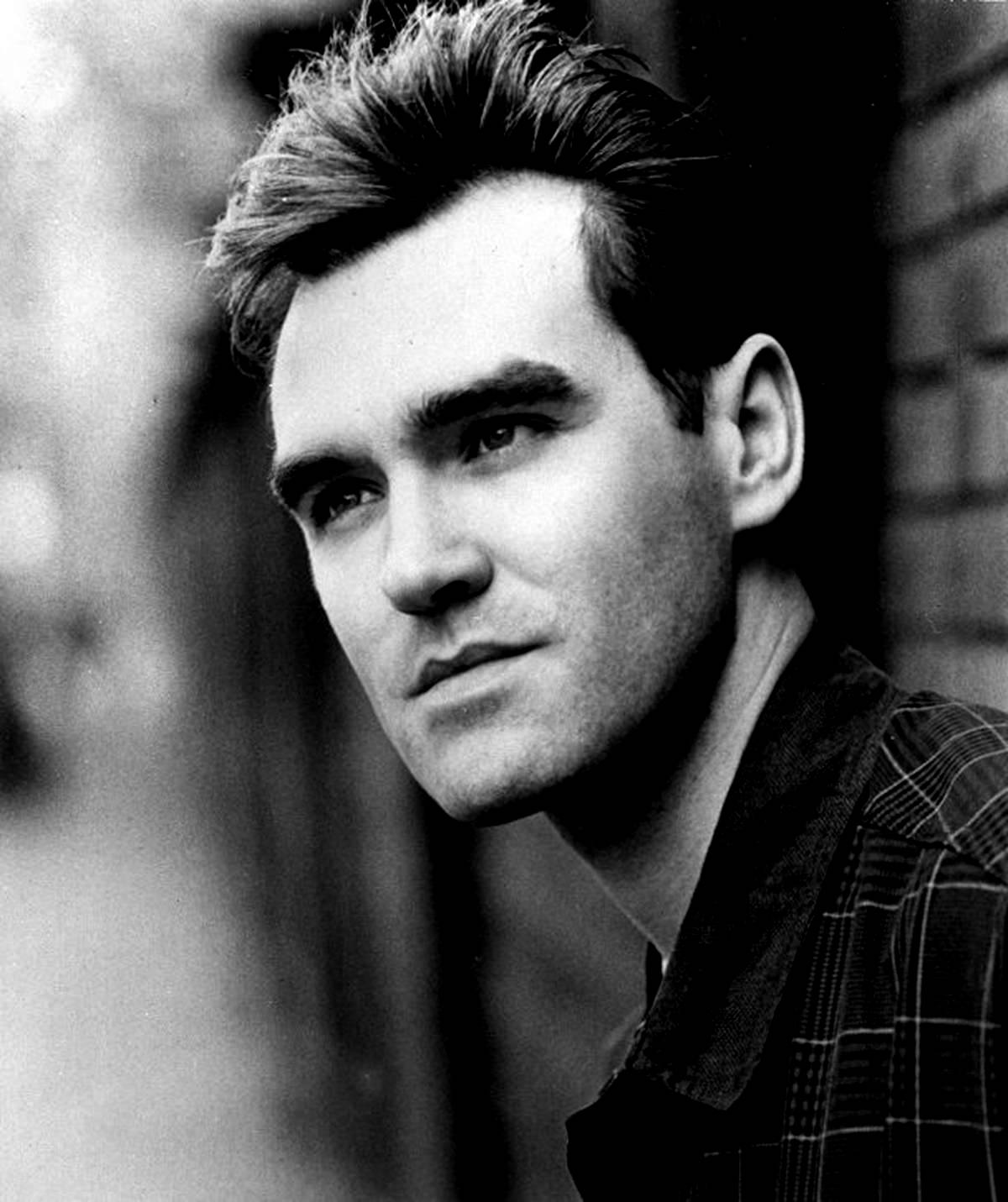
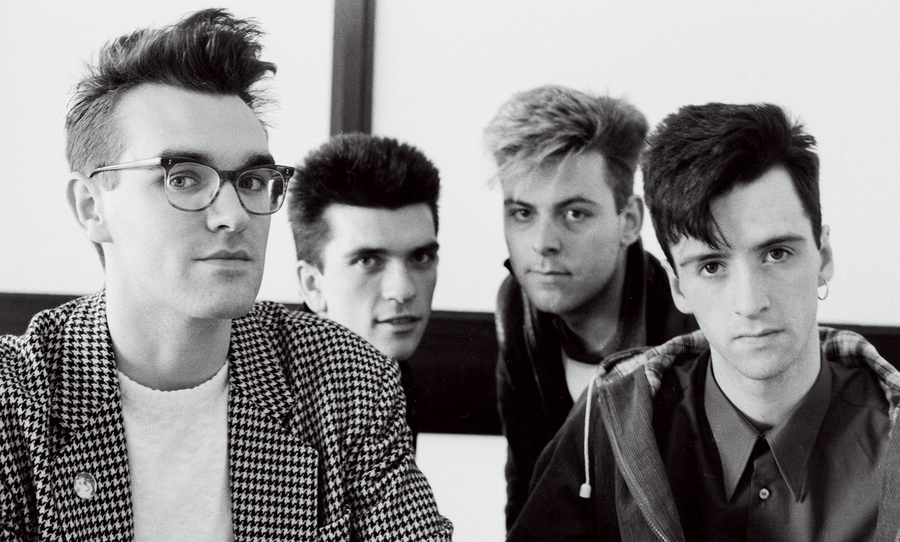
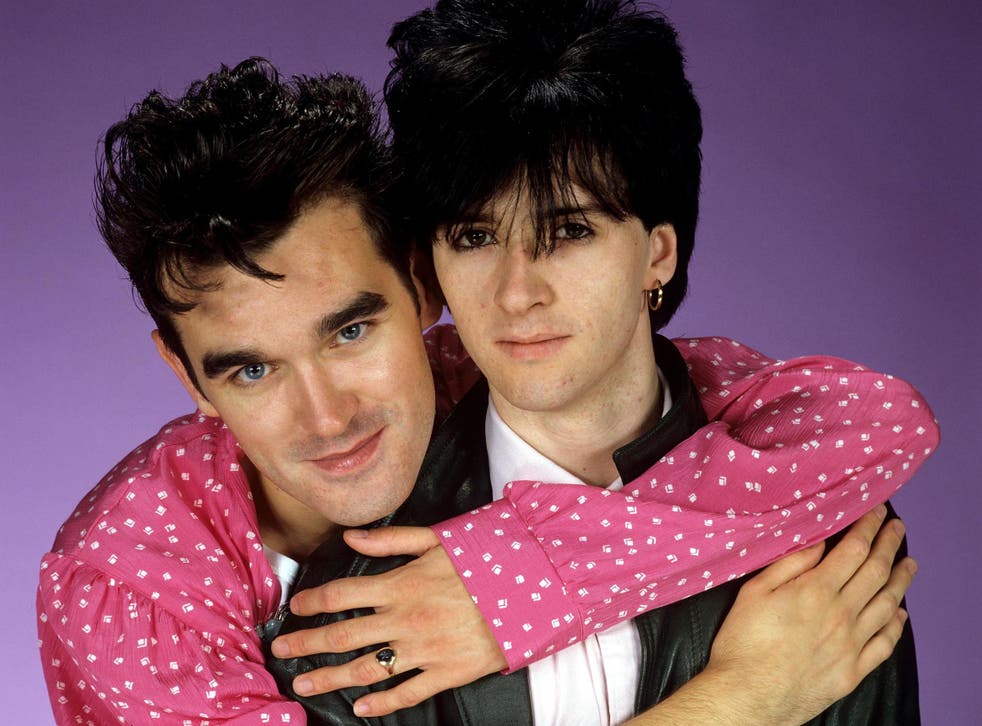
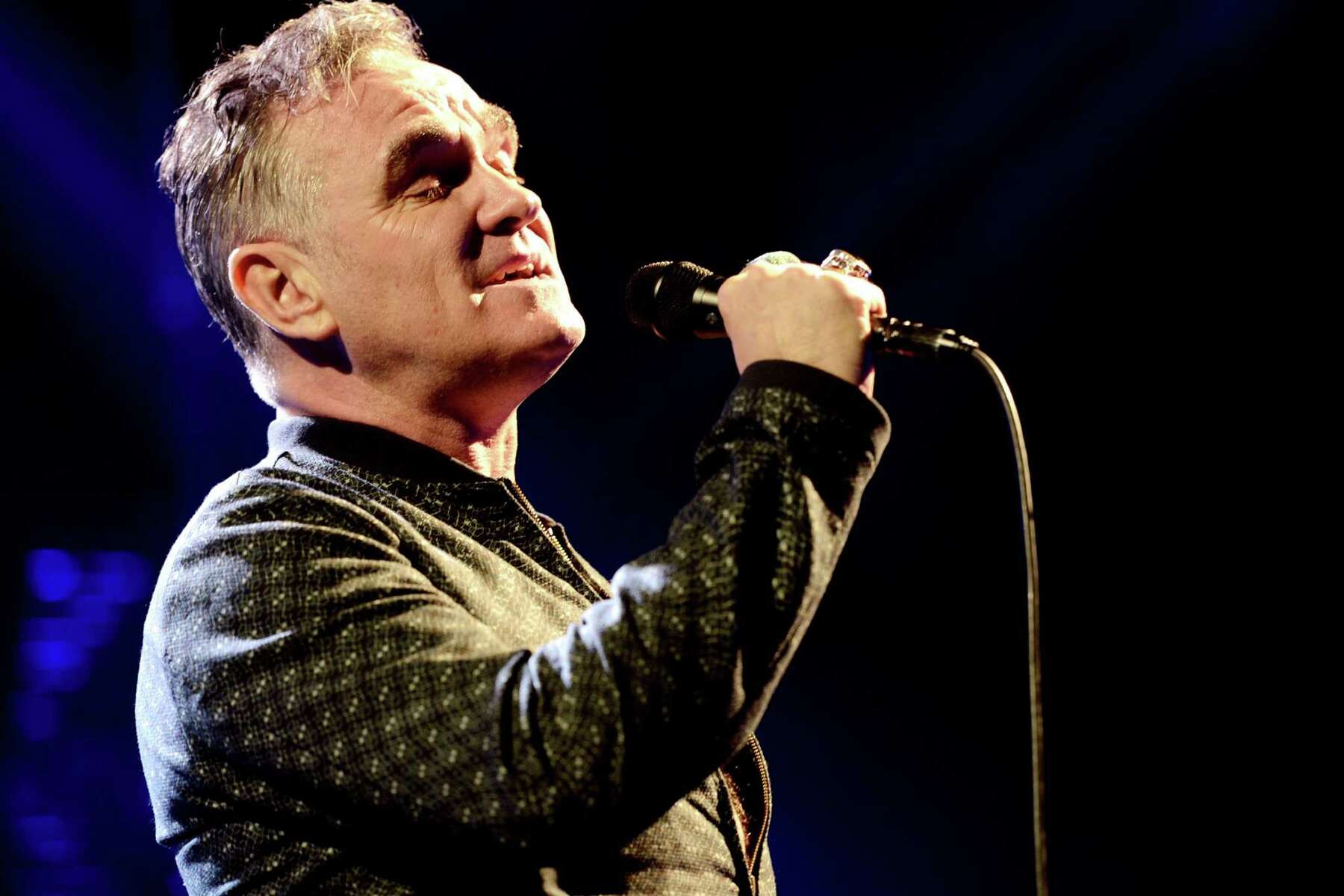
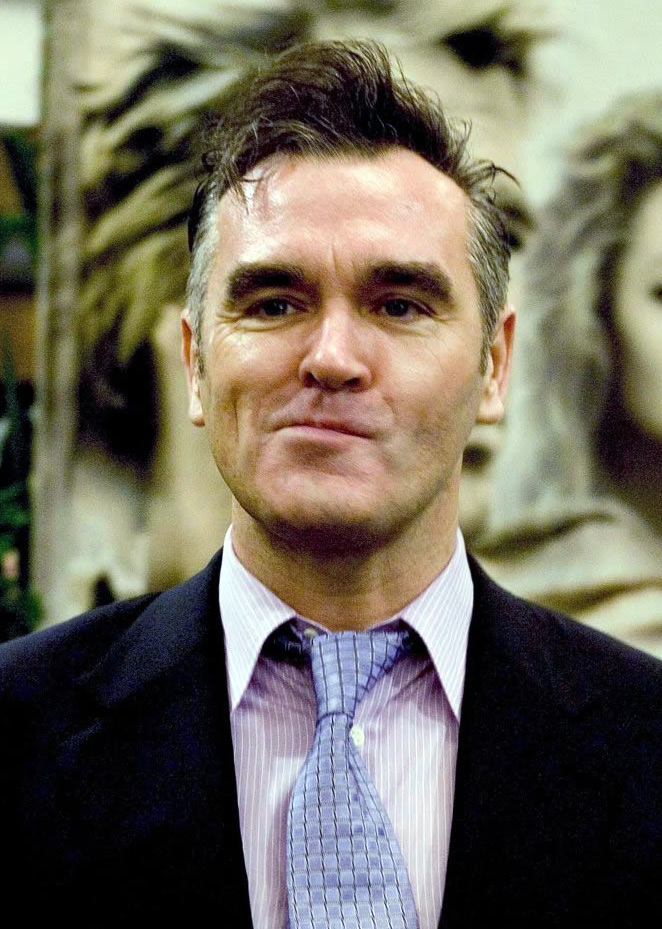
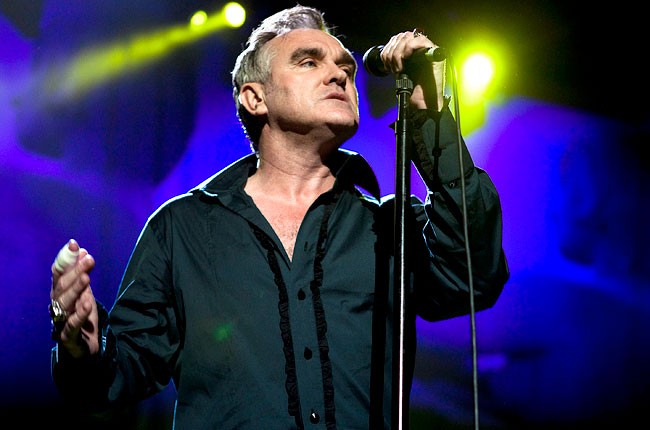
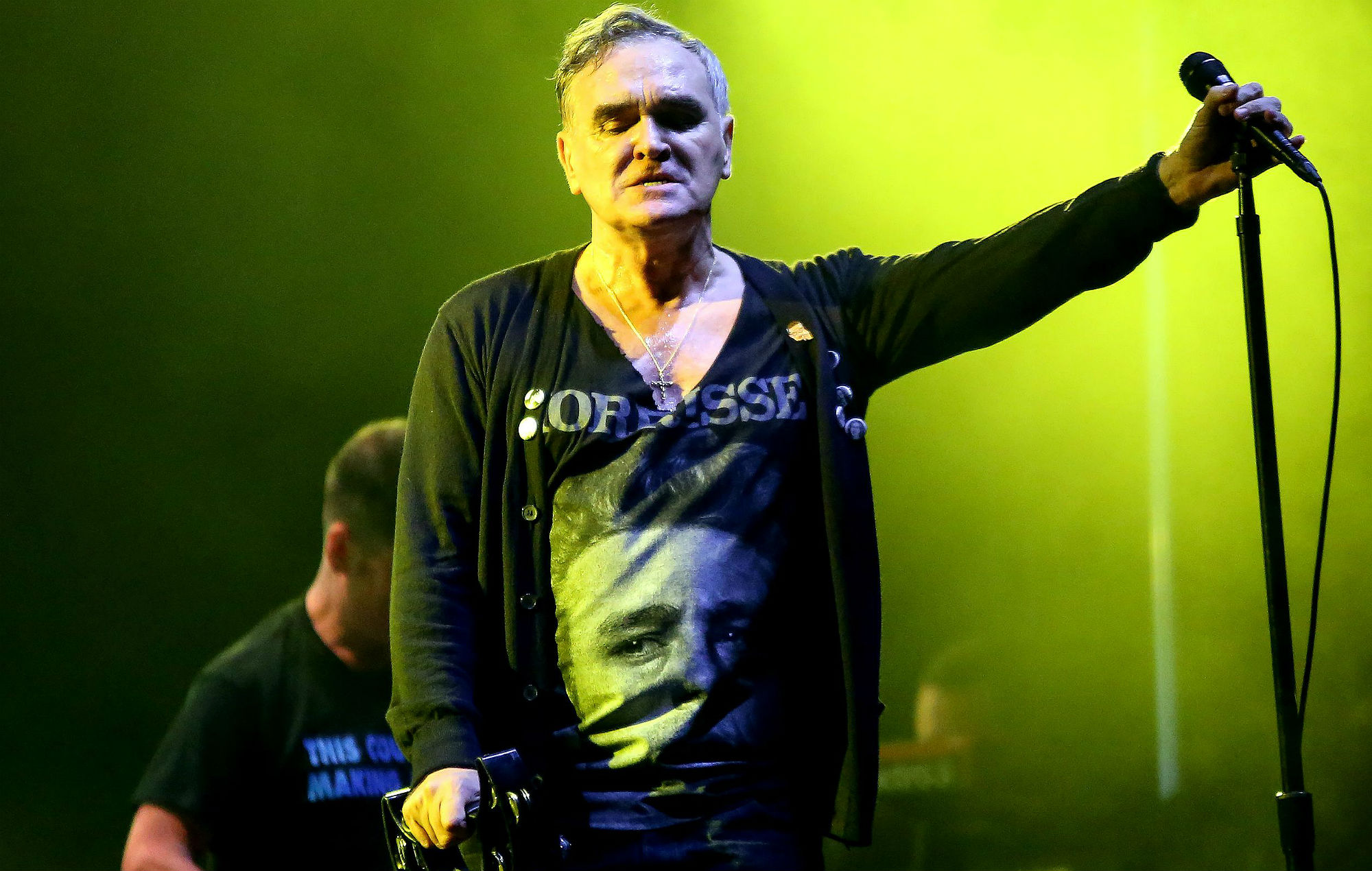
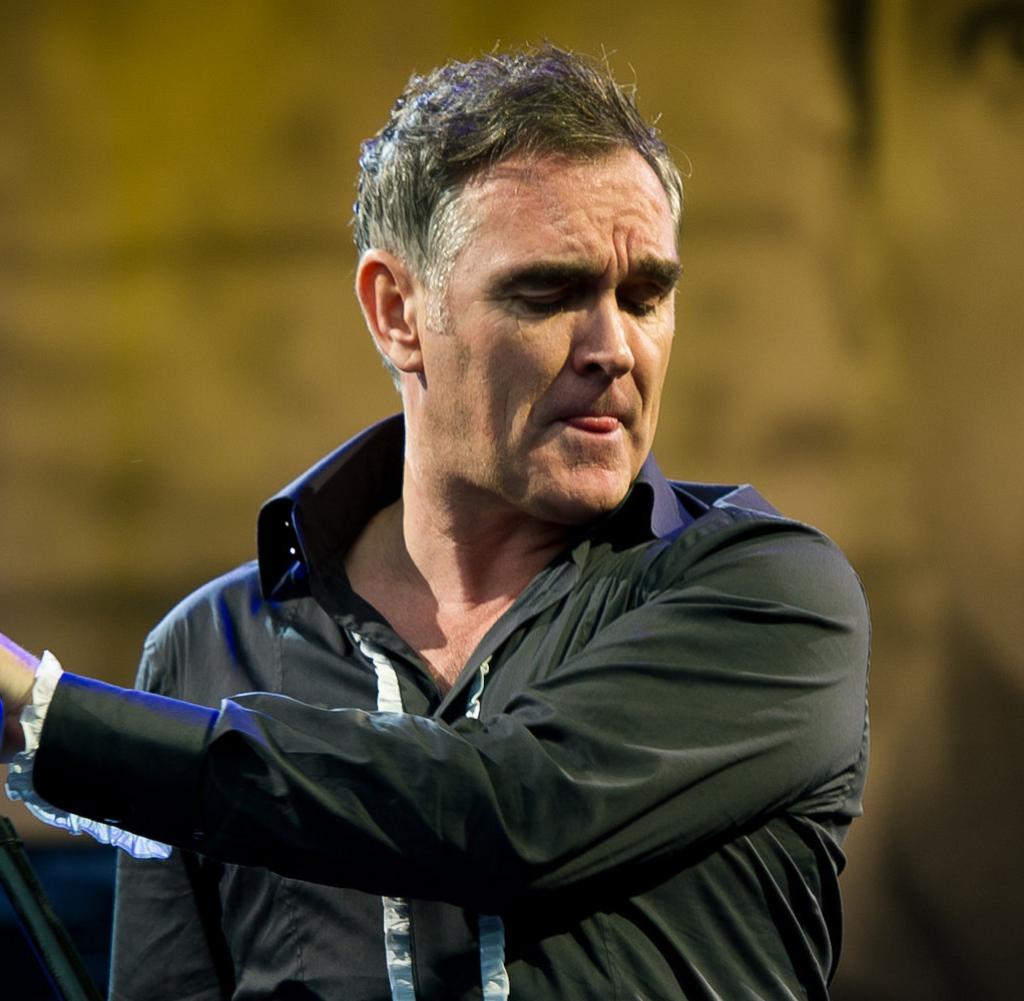
Few are in the class, charisma-wise, of The Steven PatrickMorrissey. The mononymous one, co-founder of TheSmiths, with guitarist JohnnyMarr, ventured out on his own, diary in hand, to great fanfare in 1987. As it turns out, he did rather well.
To quote the great man: “I don’t recognise such terms as heterosexuality, homosexuality, bisexuality, and I think it’s important that there’s someone in pop music who’s like that. These words do great damage, they confuse people and they make people feel unhappy, so I want to do away with them.”
In a 1989 interview, he said that he was “always attracted to men and women who were never attracted to me” and thus he did not have “relationships at all”. In 2013, he released a statement that said, “Unfortunately, I am not homosexual. In technical fact, I am humasexual. I am attracted to humans. But, of course . . . not many.”
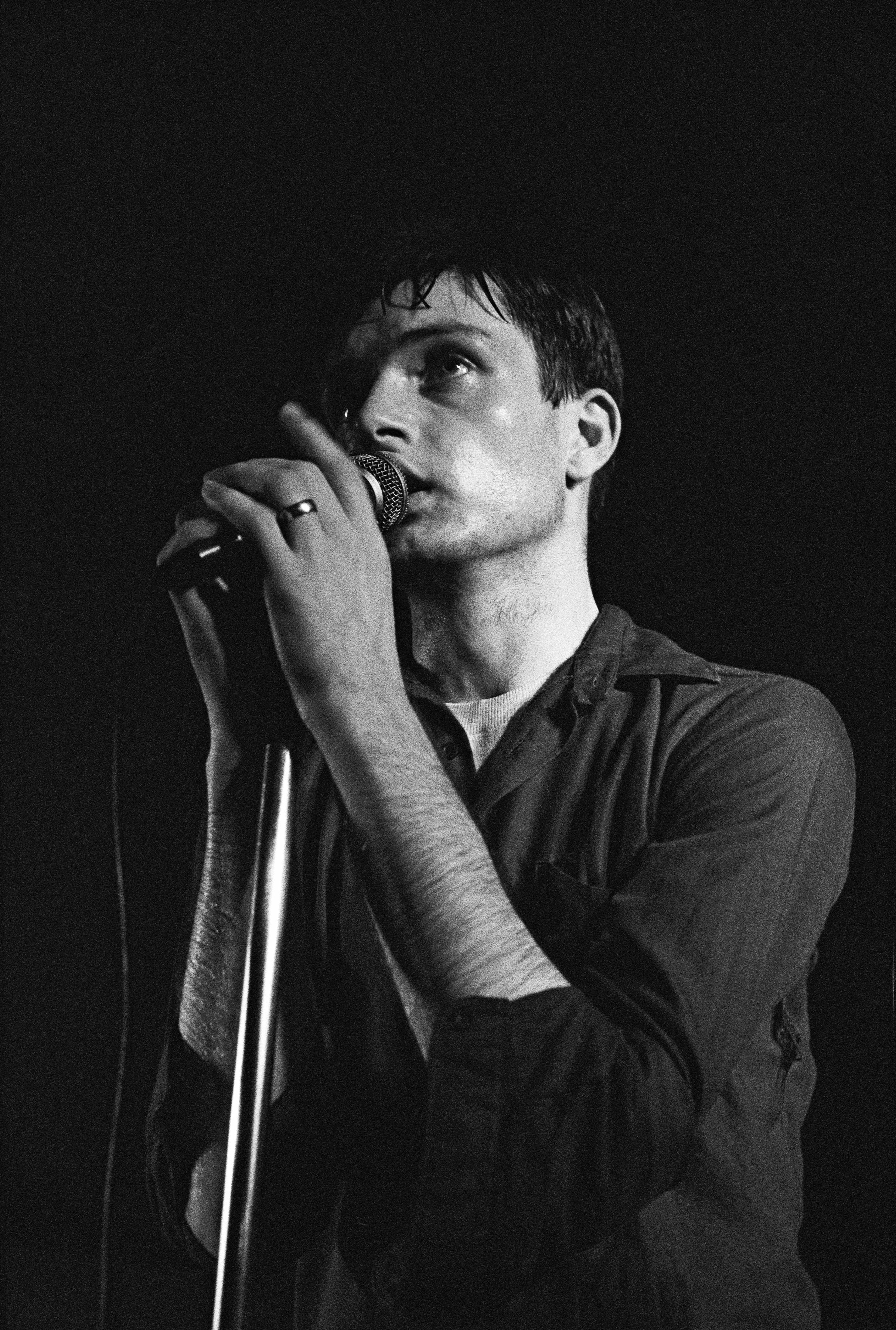
Go ahead. Choose a realm, any realm. Ian’s not from there; he’s never taken up residence there, and, for that matter, spends precious little—if any—time there. Yes. It’s been proven.
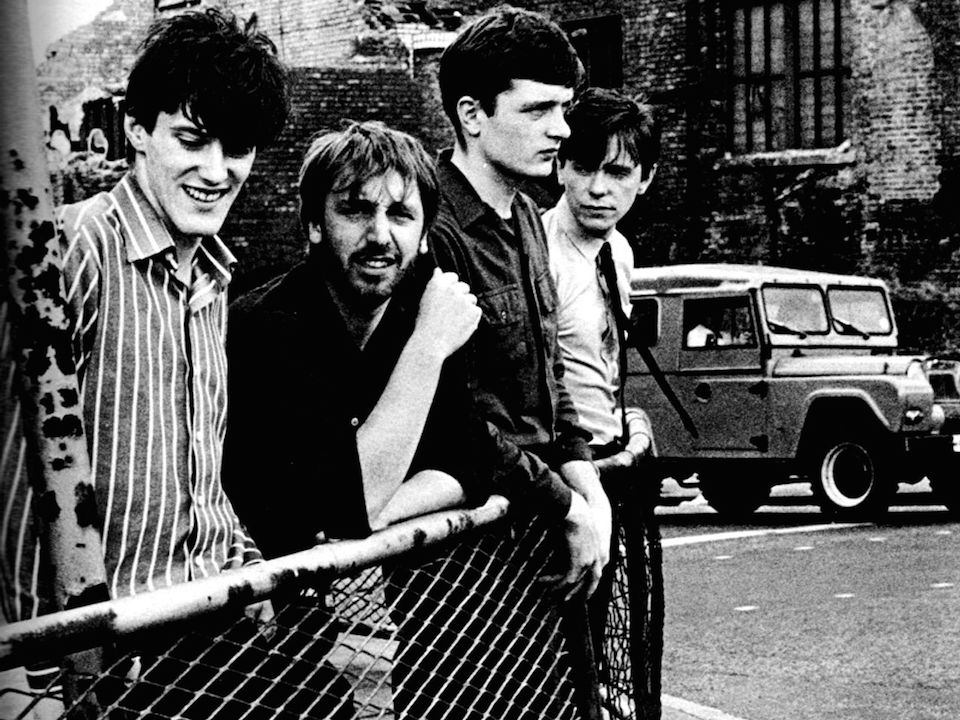
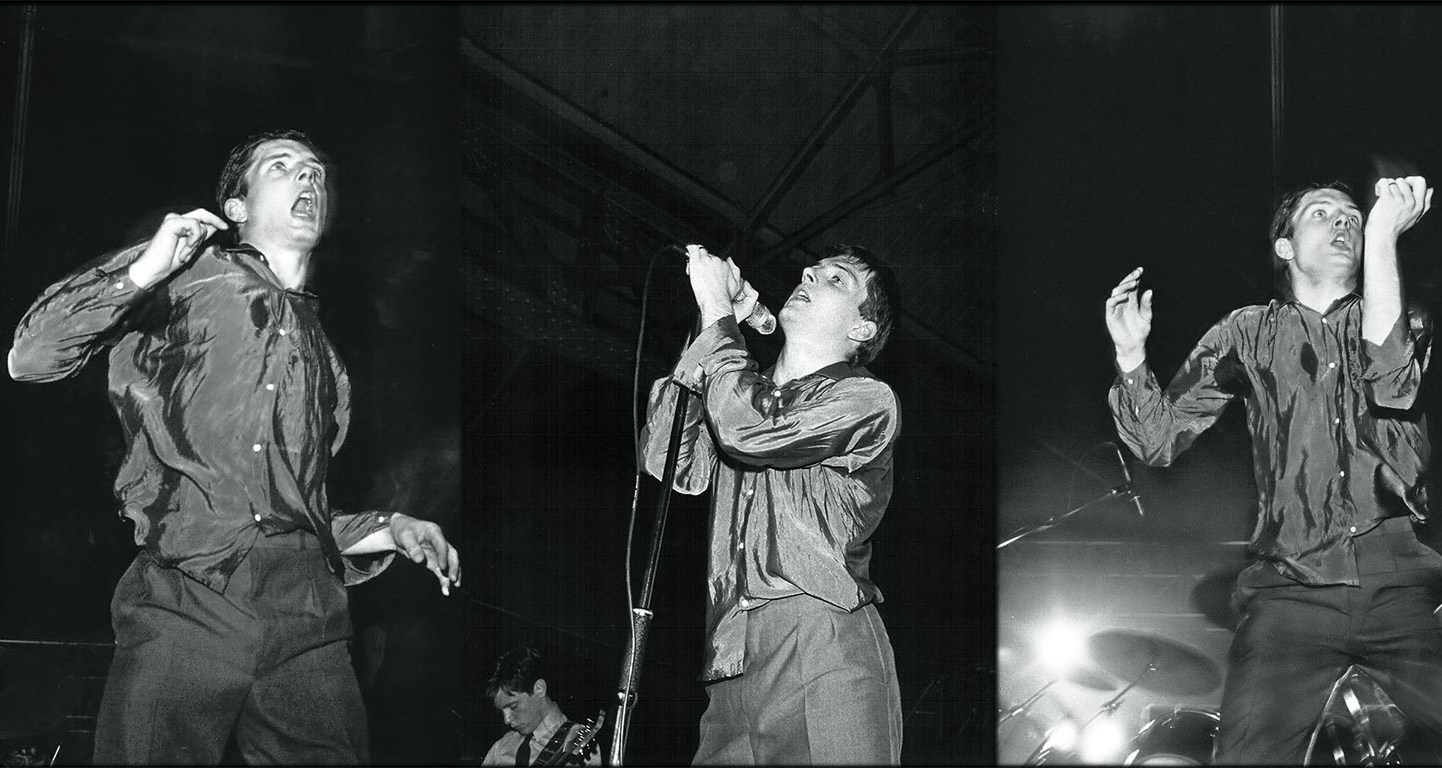
The composer/vocalist of JoyDivision hails from some different locale than do most human beings. Ian’s lodgings come rent-free, and he’s been awarded the keys to The City.
We’re not talking about earth, which he departed many years ago, alas, in 1980. He certainly left his mark here on this planet, but his realm is, and has ever been, elsewhere.
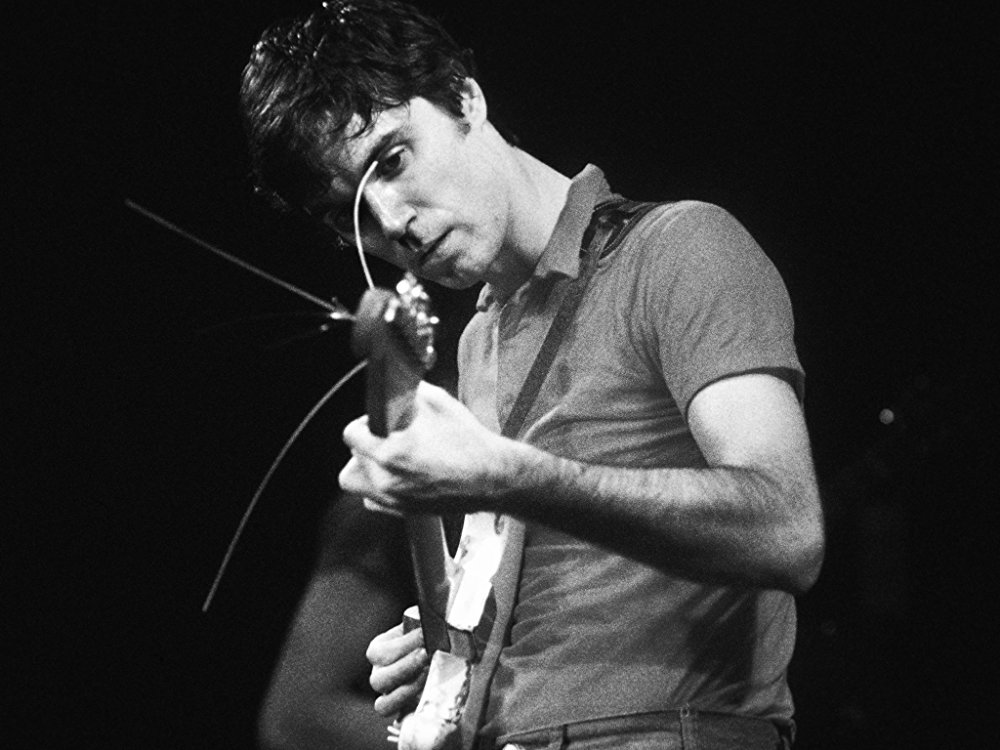
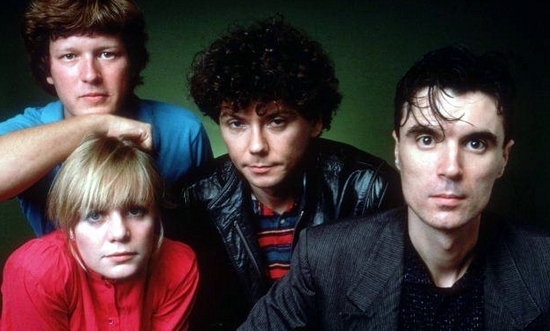
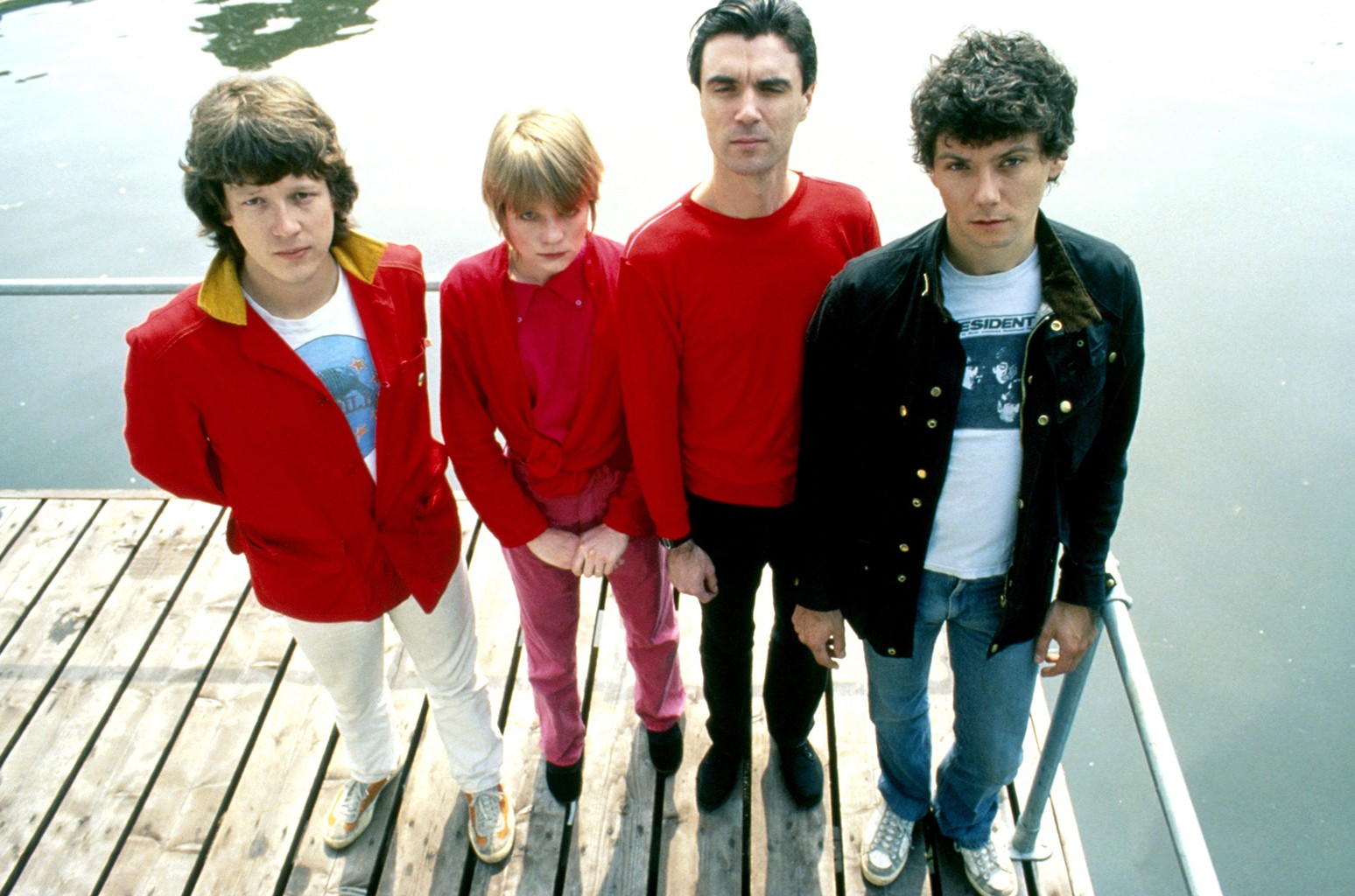
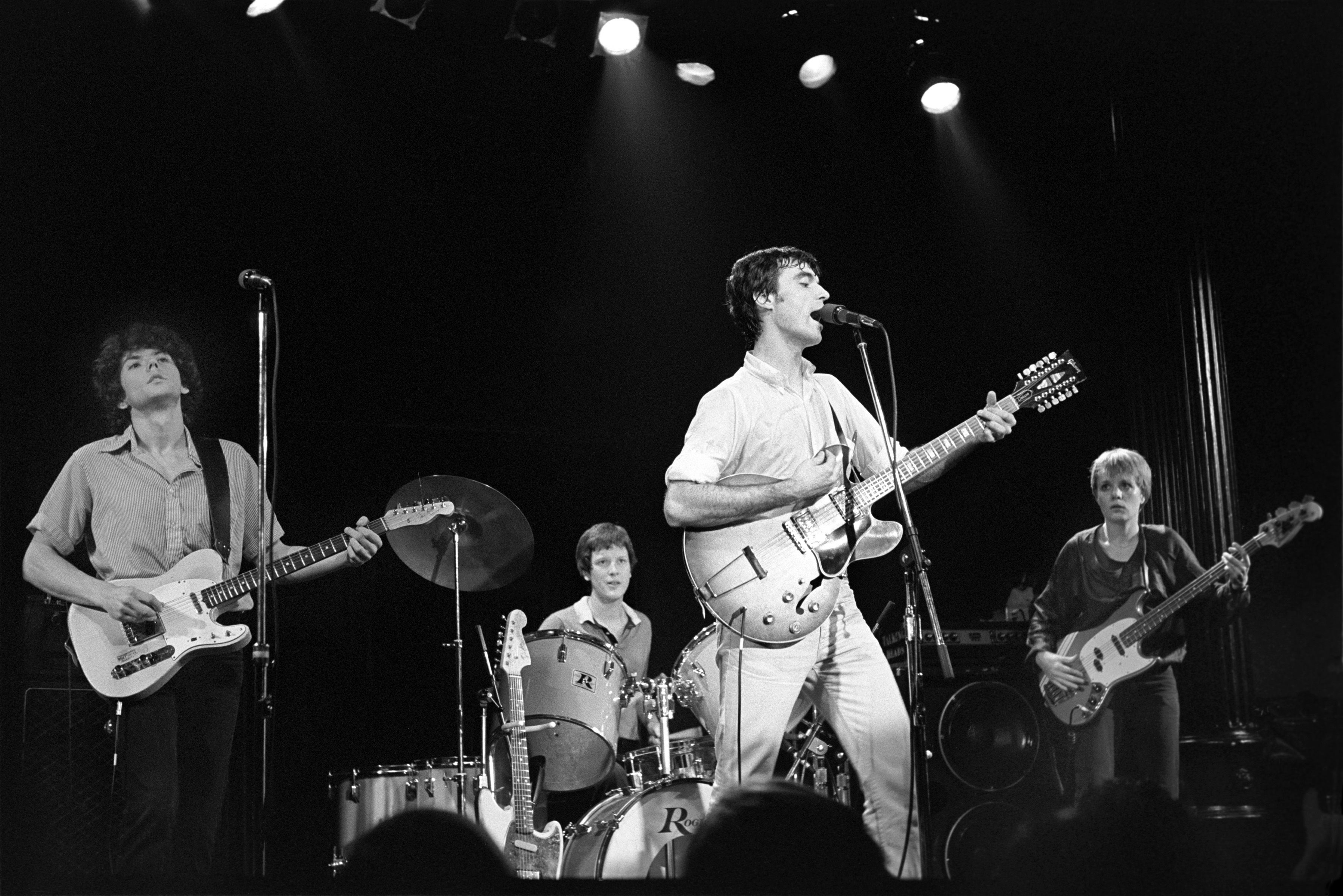
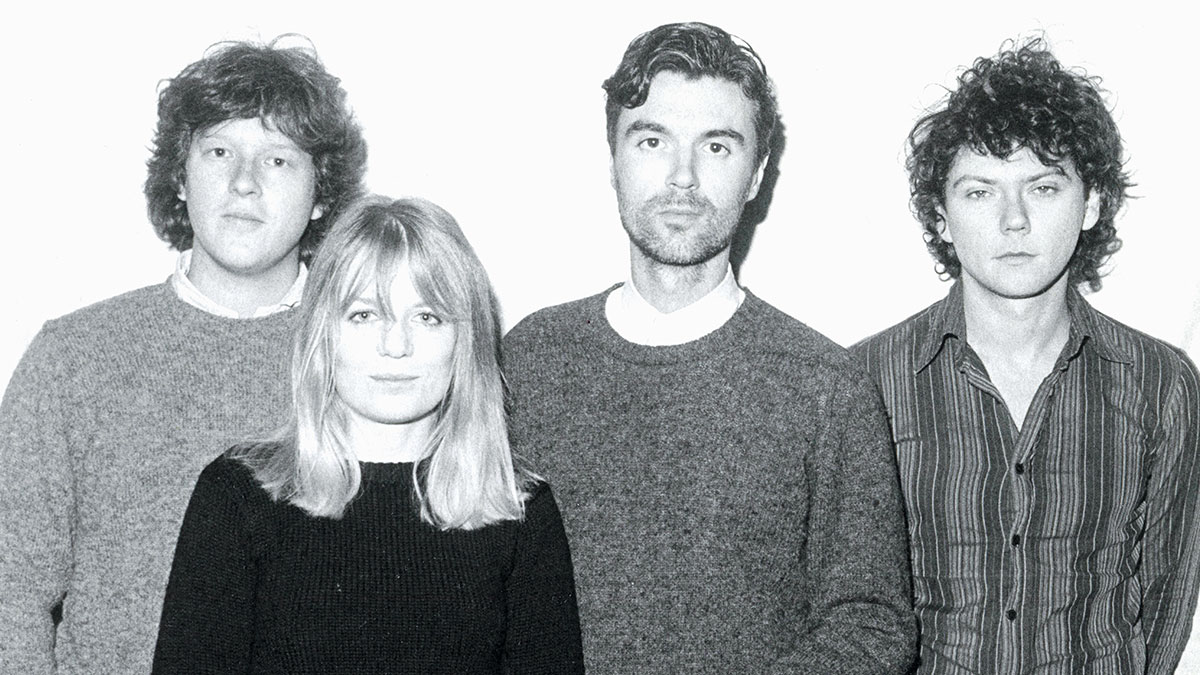
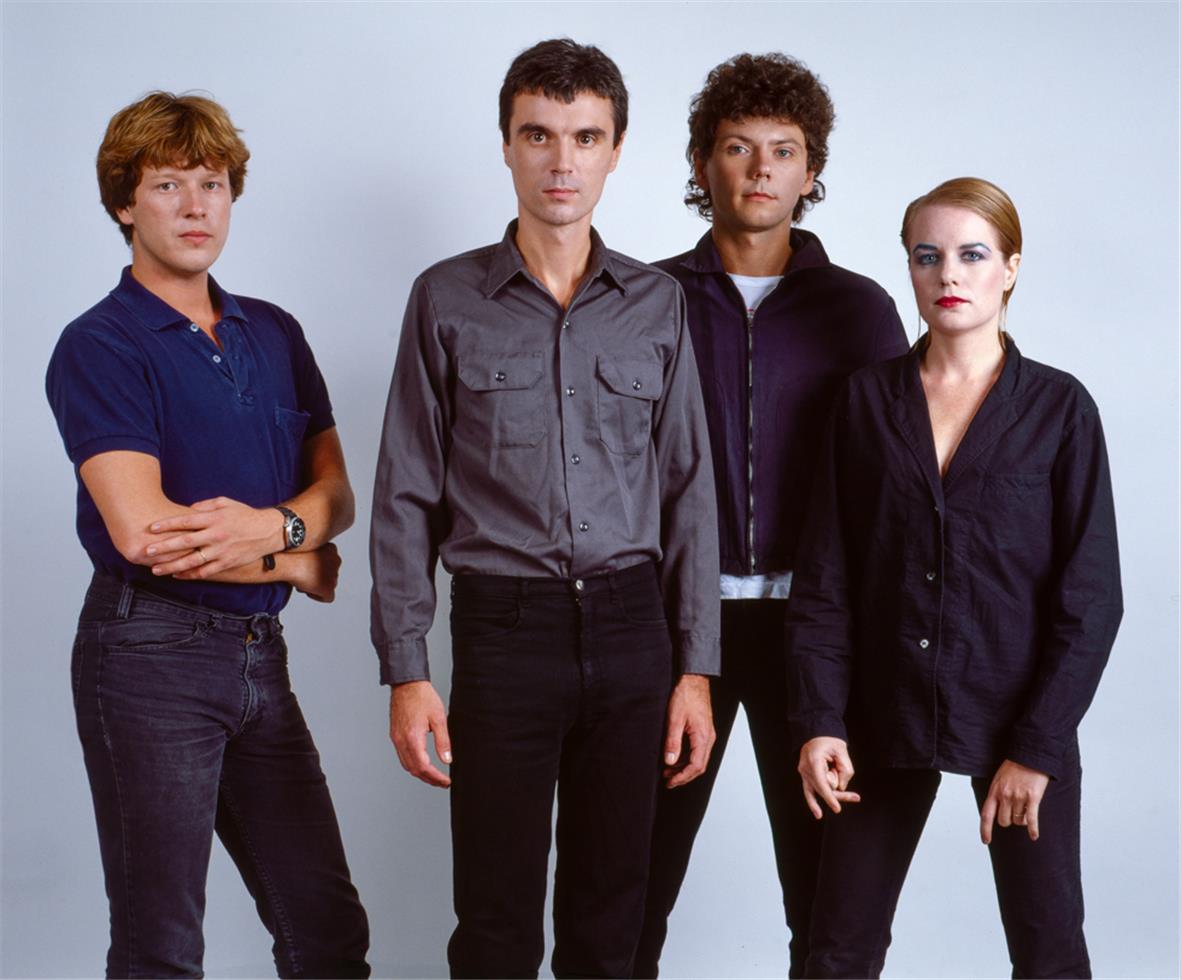
The above constitutes a smattering of incredible live performances by this ensemble, mainly the 1980 iteration, which included guitar maestro Adrian Belew. David Byrne, it could be argued, virtually created “New Wave” {or *something*} with the inexplicable, unpinpointable, wondrous peregrinations of his vocals. Plus, the unusual “dancing”{or Nureyev/??-like movements}. Much more than an iconoclast, Byrne simply brought into the time/space continuum, things that were previously Noumenal, undefinable. An epoch-defining genius.
A few comments on our selections {NOT all of them!!}: Cities {1983, 1982, *and* 1980 versions} *might* be David Byrne’s high-water mark as an “umm, what???” vocalist. The Impossible writ upon a landscape. Pulled Up and Mind, at the very least, are looking uneasily over their shoulders. The “He’s come undone” staggerings/lurchings in Psycho Killer {1983} are also enough to keep one alive for several epochs; the 1979 Mudd Club version is electrifying, mystique-laden; ridiculously brilliant. Both versions of Drugs have an eerie, haunting element all of their own; Dollette McDonald and Adrian B contribute mightily. Crosseyed {all versions} is simply a collective singe-fest.
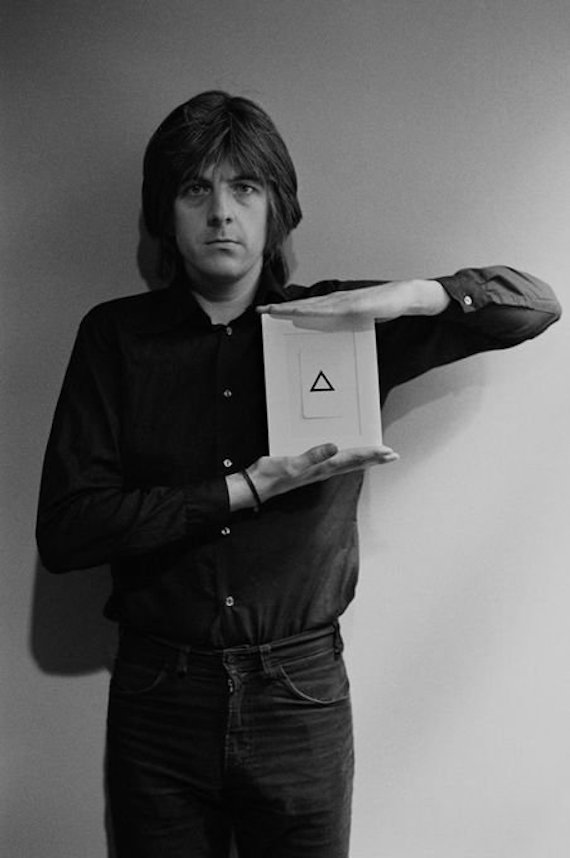
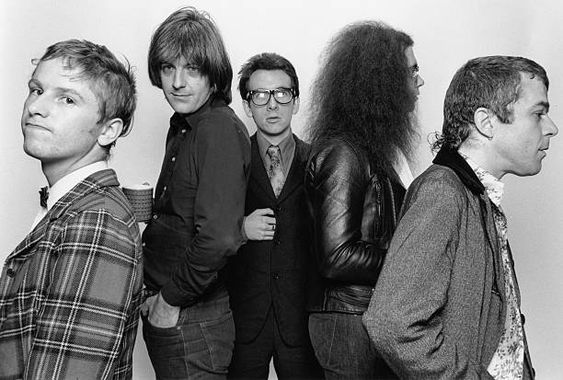
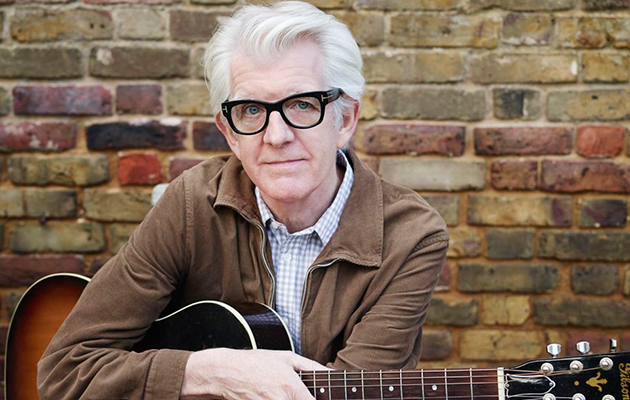
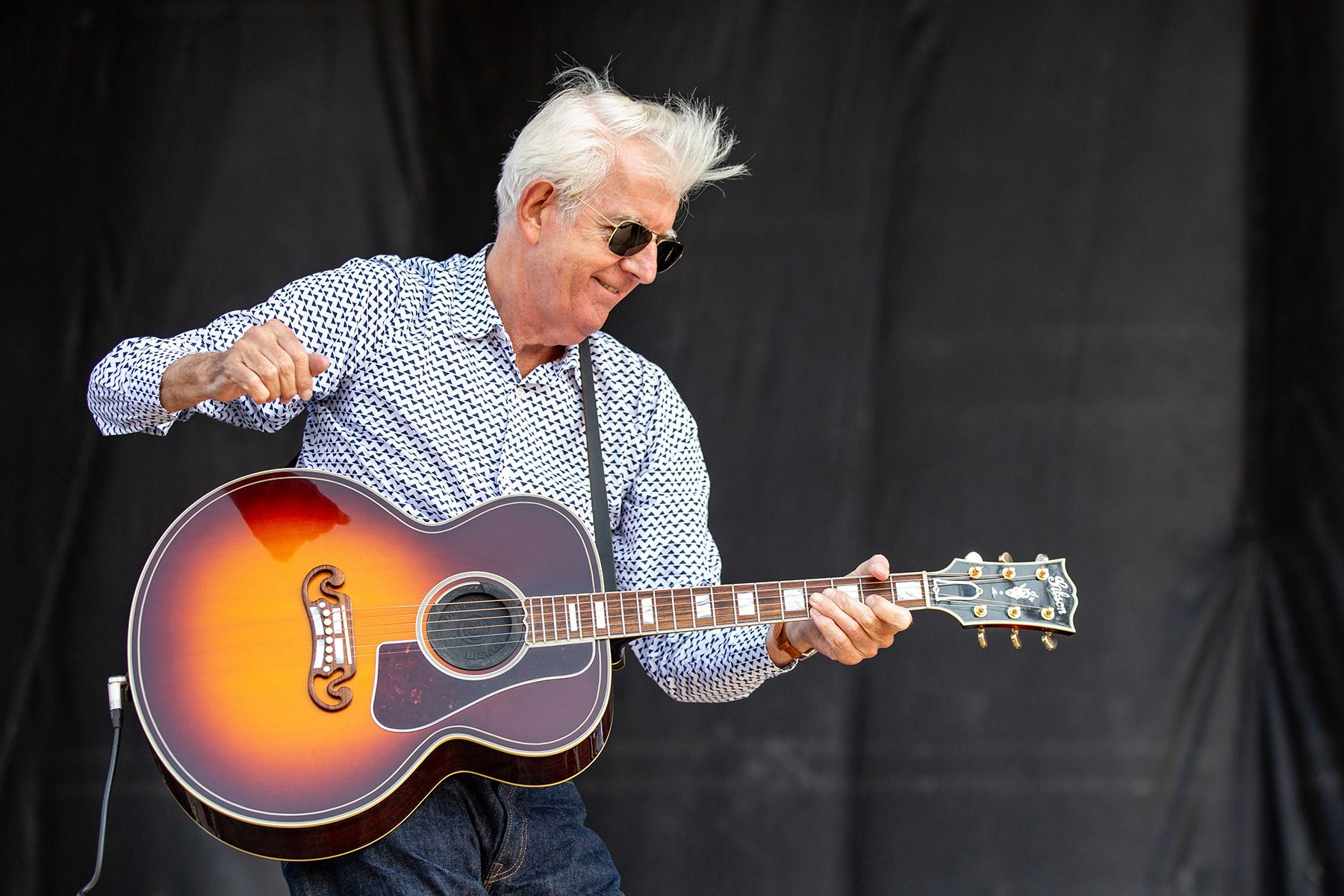
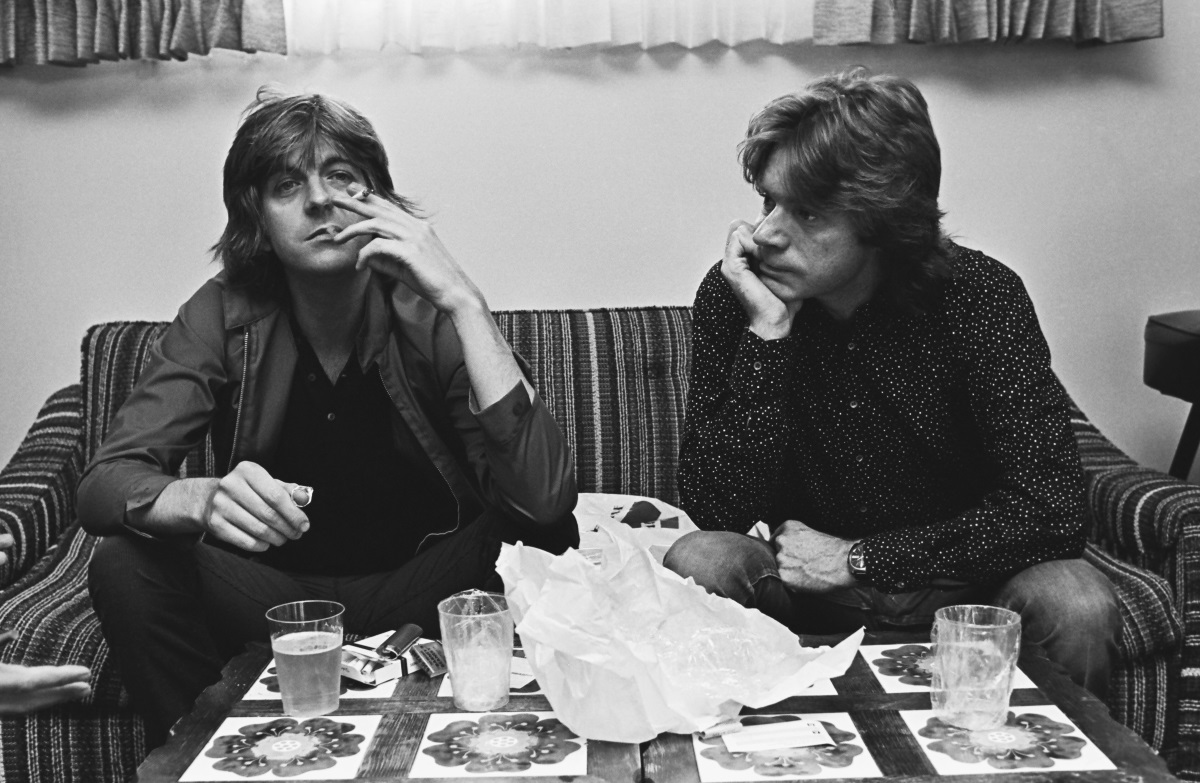
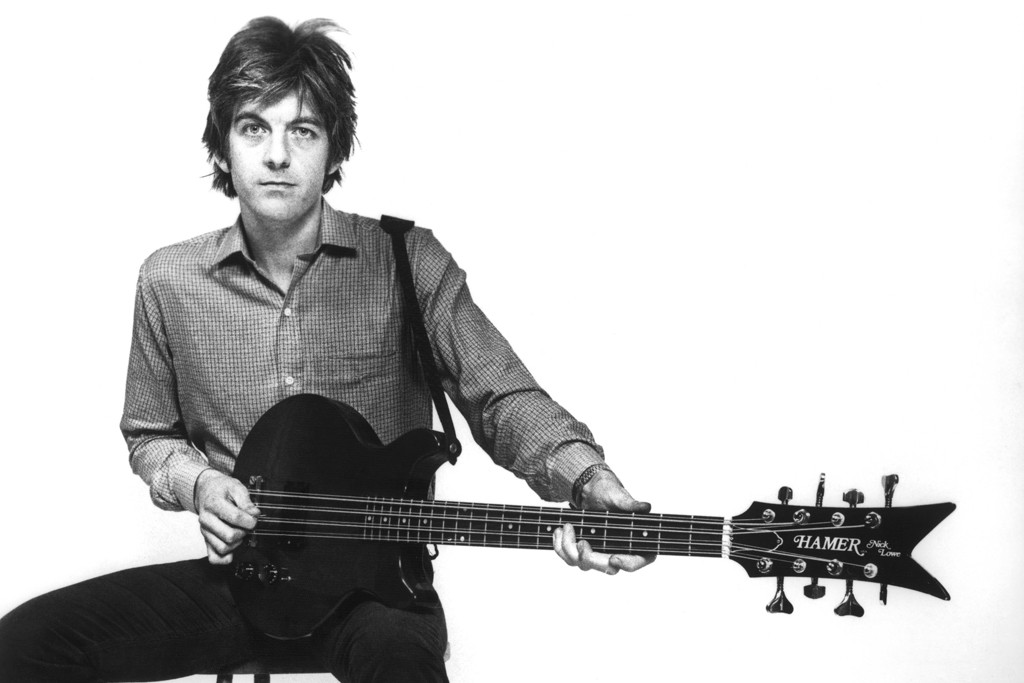
“Ol’ Drain”, as Mr. Nick Lowe is called in some circles {i.e.: The None}—it’s his middle name, and a fine one—wears more than a few musical hats, and pulls it all off in such fashion as would create, probably, a dither of aesthetic paroxysms in any milliner or hatter. Earlier on, (than…??) Lowe, often with mate Dave Edmunds, in Rockpile, showed an uncanny talent for creating clever, charming, quite diabolically catchy songs that perhaps represented the very embodiment , the K2-like apotheosis, of Pure Pop Wonderment. Really…well, it was not fair. One had little to no choice but to come ’round to the man’s idiosyncratic ways. No one, however, minded, it seemed; either that, or such monumental courtesy was shown to Nick {OK, I’ll love it…} that it exceeded the amount shown to any other mammalian, extant or extinct.
Addendum: The Lowe classic Cruel to be Kind, in its promo video, features footage from Nick’s wedding in 1979, with CarleneCarter. There’s a reason that video is so genuinely touching.
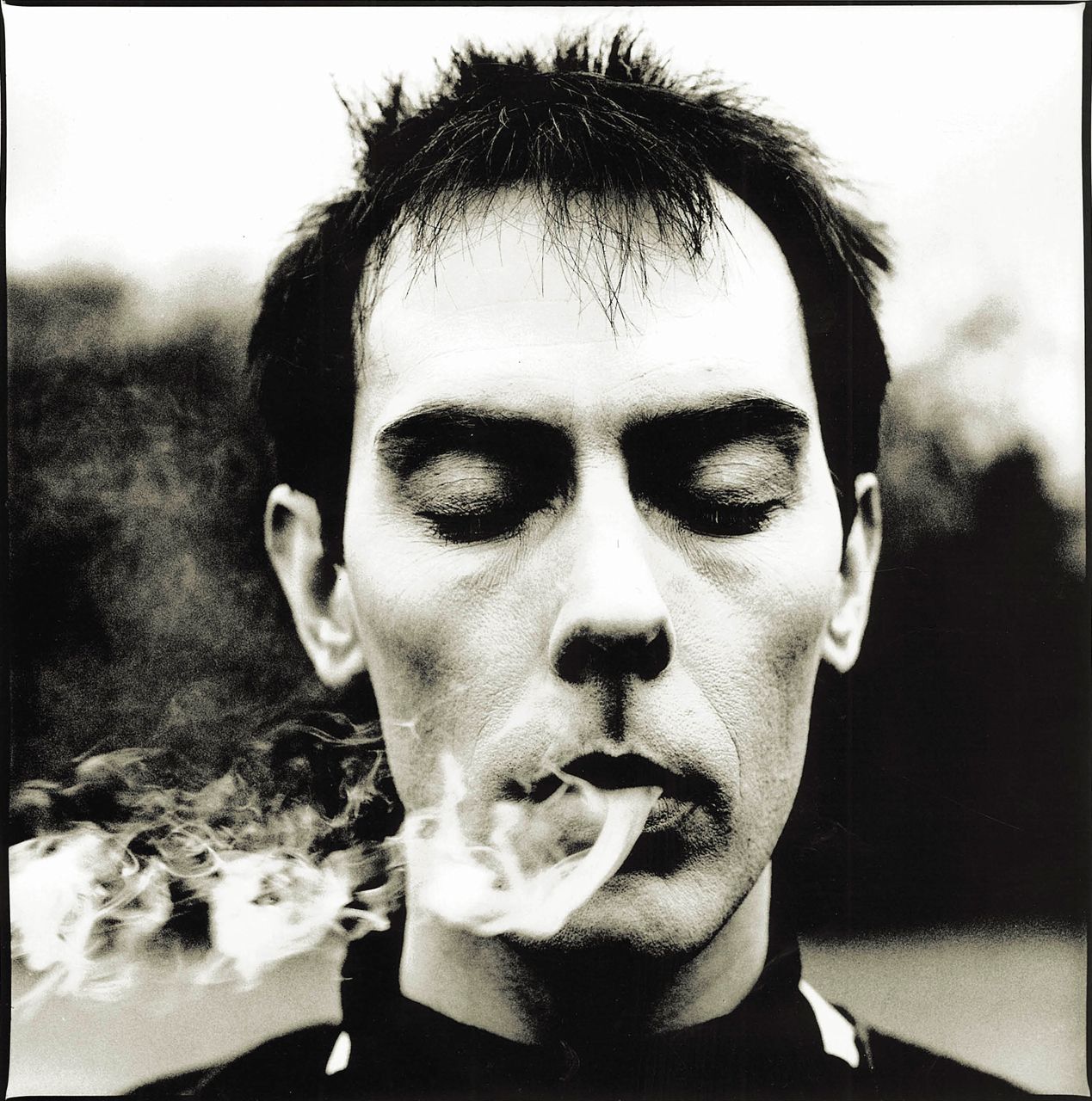
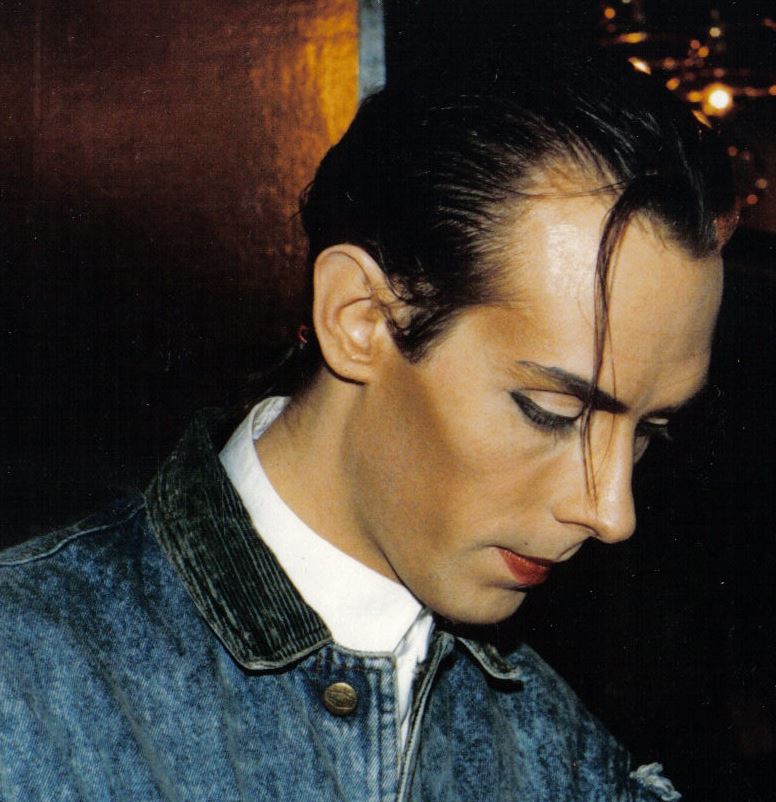
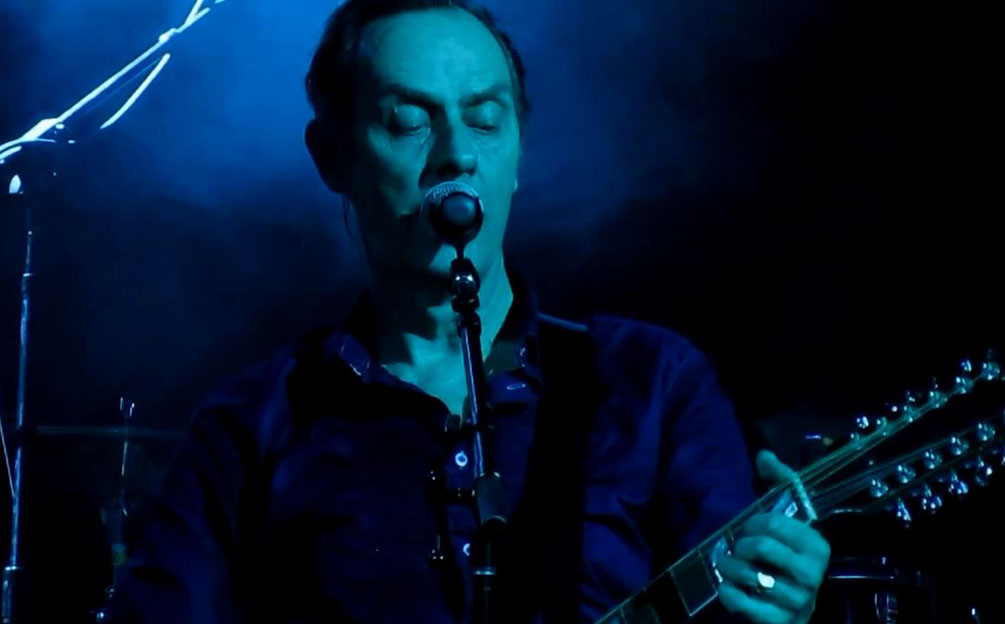
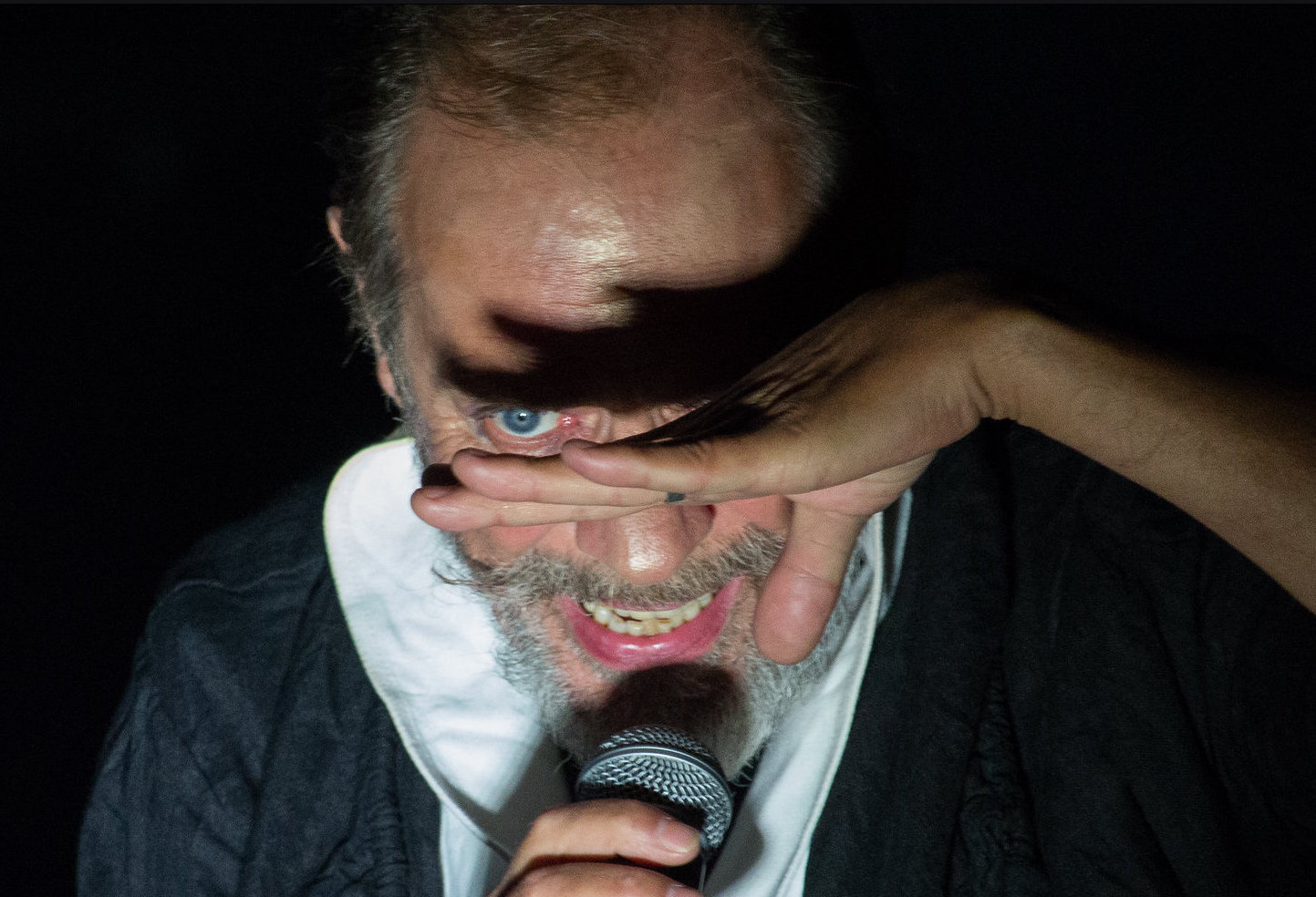
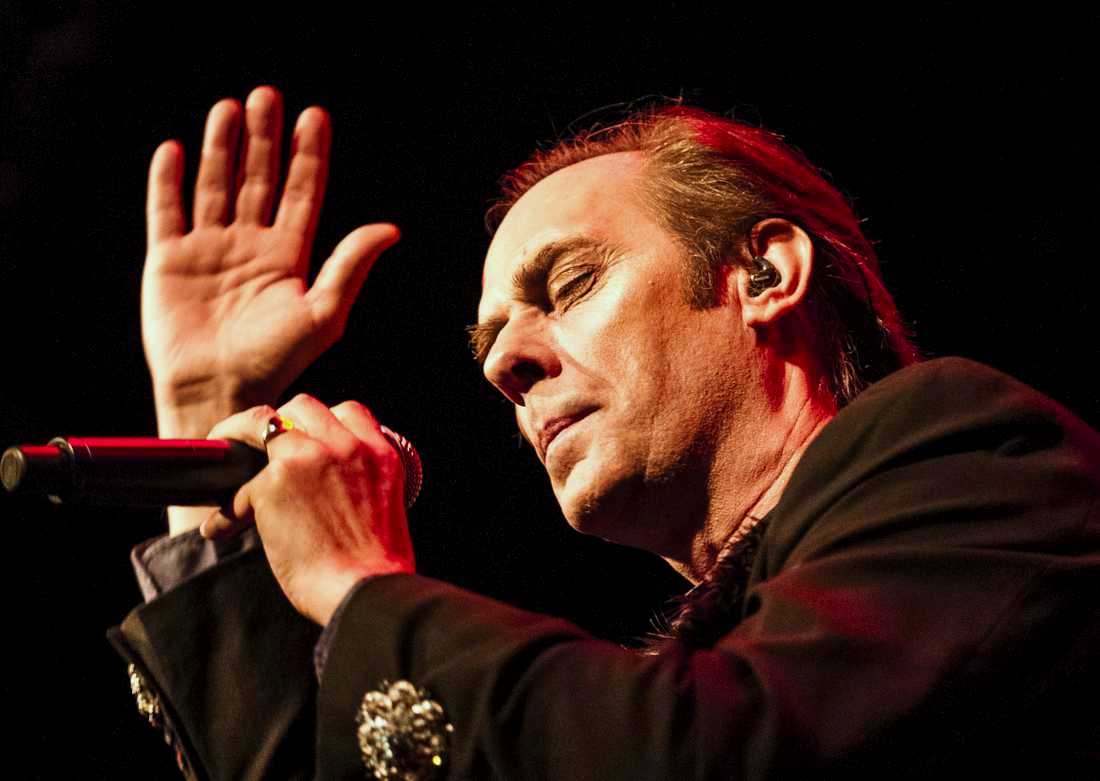
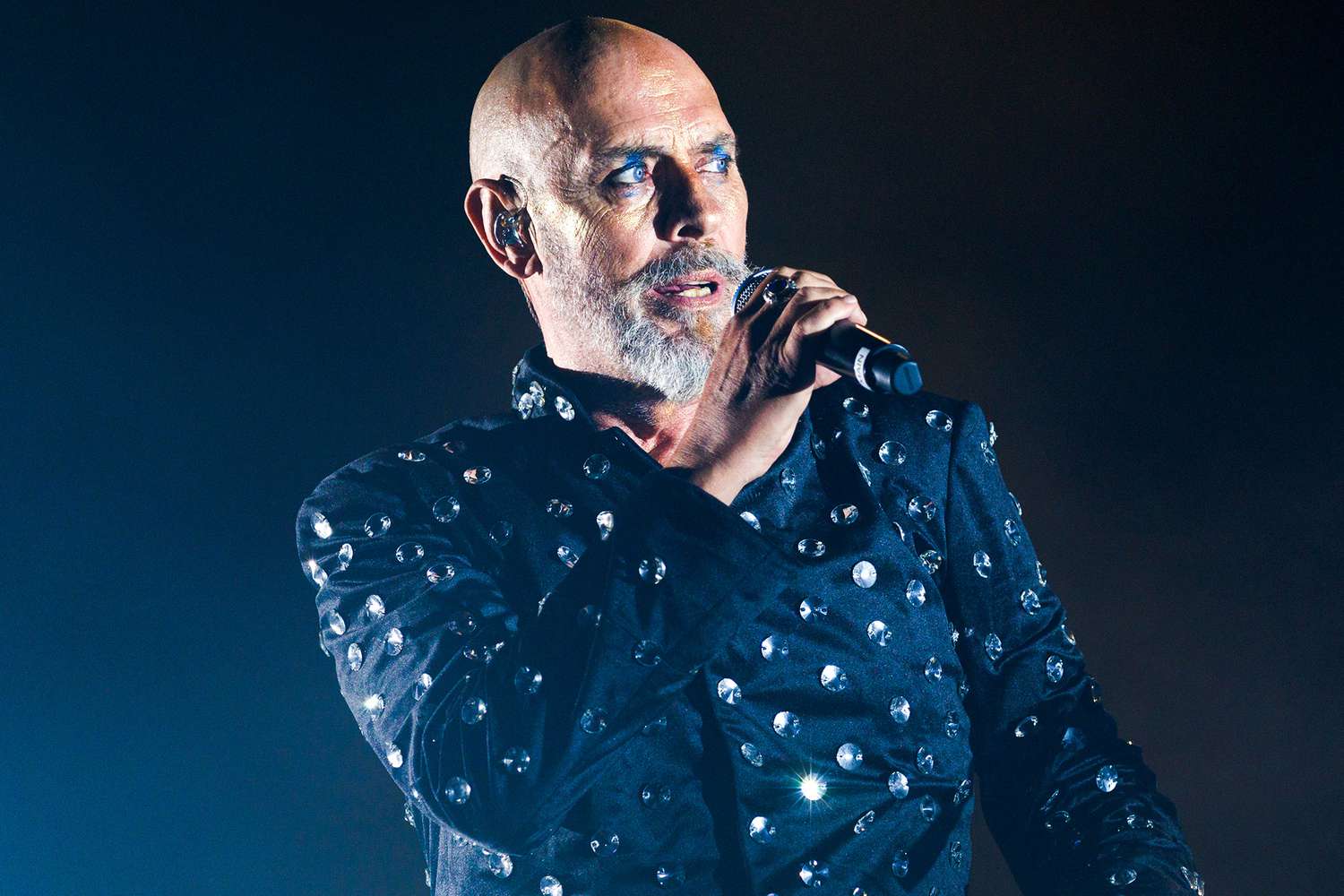
Mr. Murphy is in top form still. He is in full command of his towering vocal abilities. A vampiric mesmerist is in the house. And, *you* let him in!!!!!!!!!!!!
The enigmatic and other-worldly Peter Murphy presents an imposing, daunting figure, one who seems unlacking in self-assurance. And, if anything, his *astonishing* vocal talents are fully—possibly more fully than ever—intact. Like unto a god. Or whatever he is.
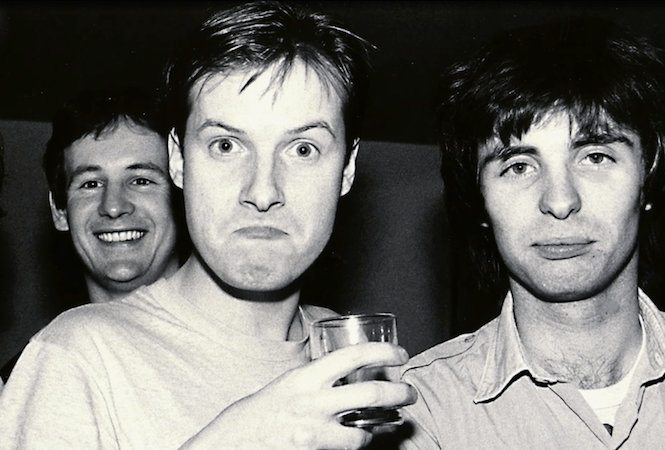
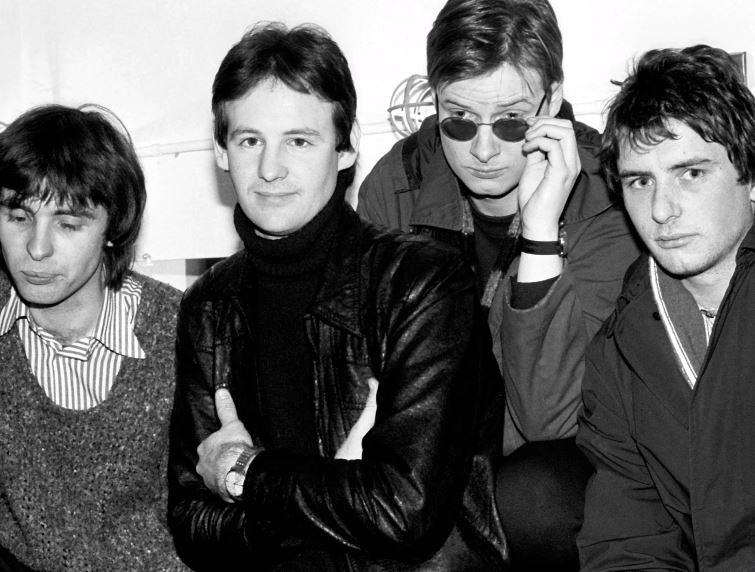
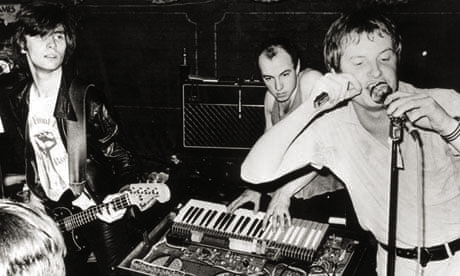
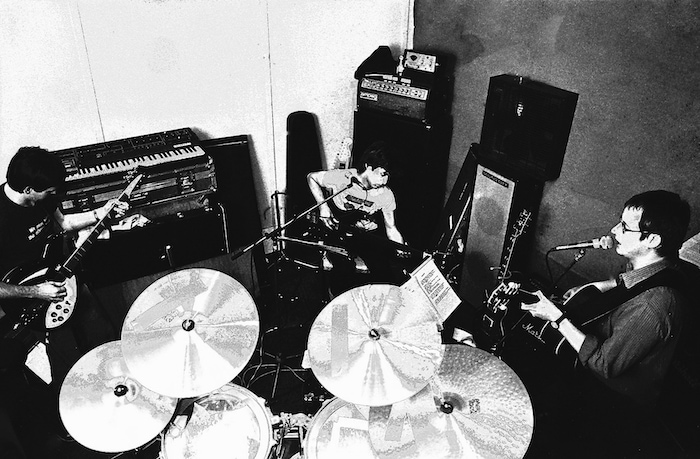
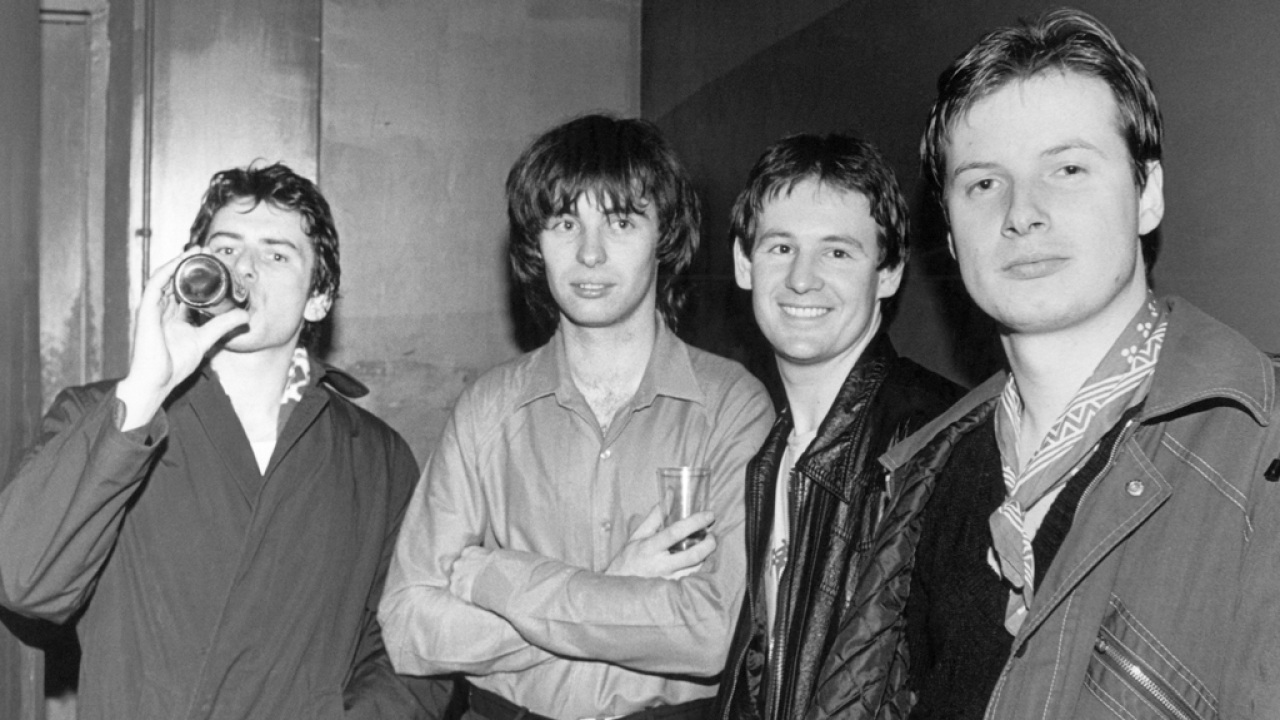
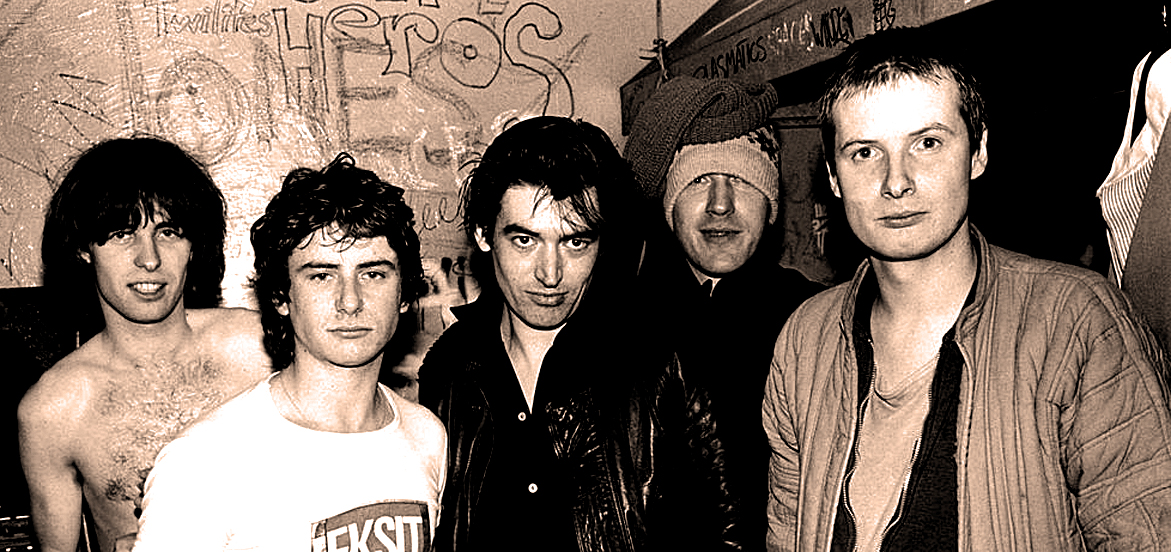
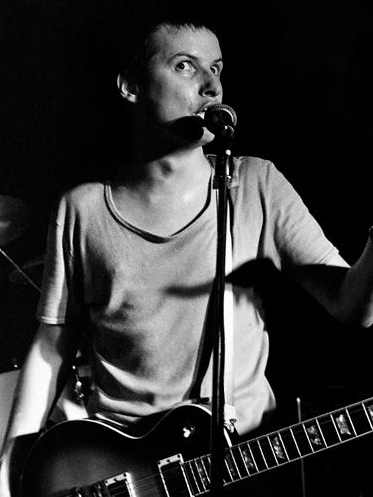
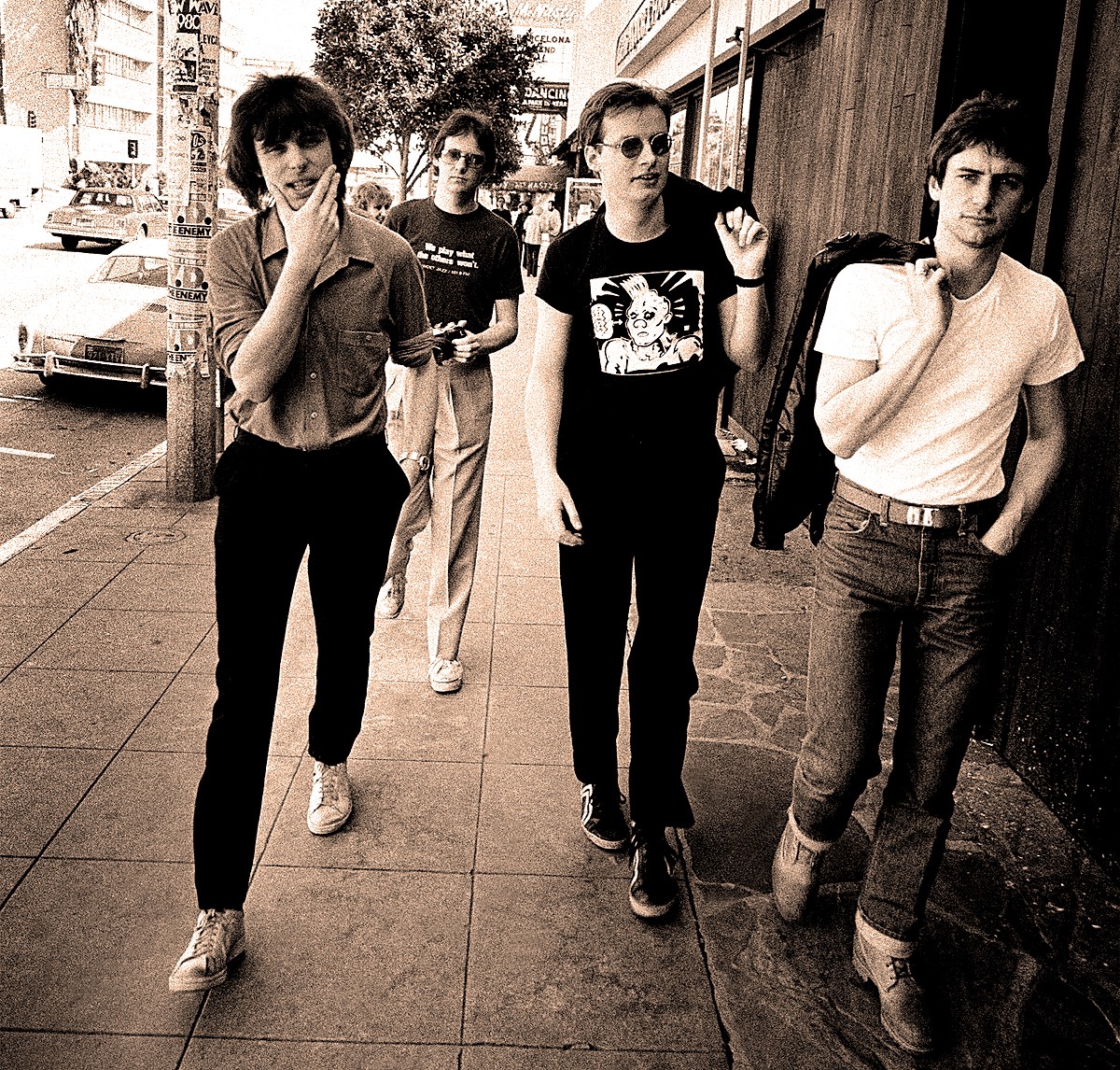
Few bands can match XTC’s accomplishments as far as writing/performing memorably quirky, intellectual, and, yes, catchy songs. Lead vocalist AndyPartridge provides the oddball genius charisma to generate a potent cocktail of aural nirvana.
Most of these are live performances, with the Rockpalast “Senses” being fairly rare.
Partridge experiences auditory synesthesia, which he uses in his songwriting process. In later interviews, he stated he believes himself to be on the autistic spectrum, saying in a 2022 interview with The Guardian: “I think I’m on the spectrum, yes, but it’s all helped me and I wouldn’t have it any other way.” He has also had obsessive–compulsive disorder since childhood. At the age of 12, he was professionally diagnosed with ADHD (known at the time as simply “hyperactivity”) and prescribed Valium. He later formed a dependency on the drug that was exacerbated by the pressures of his music career. After disposing of the drug in 1981, he experienced severe withdrawal effects that led to XTC’s withdrawal from touring. But persevere he nonetheless did.









































































 Bideodromage